
How to Fix a Leaking Roof
DIY Roof Leak Repairs
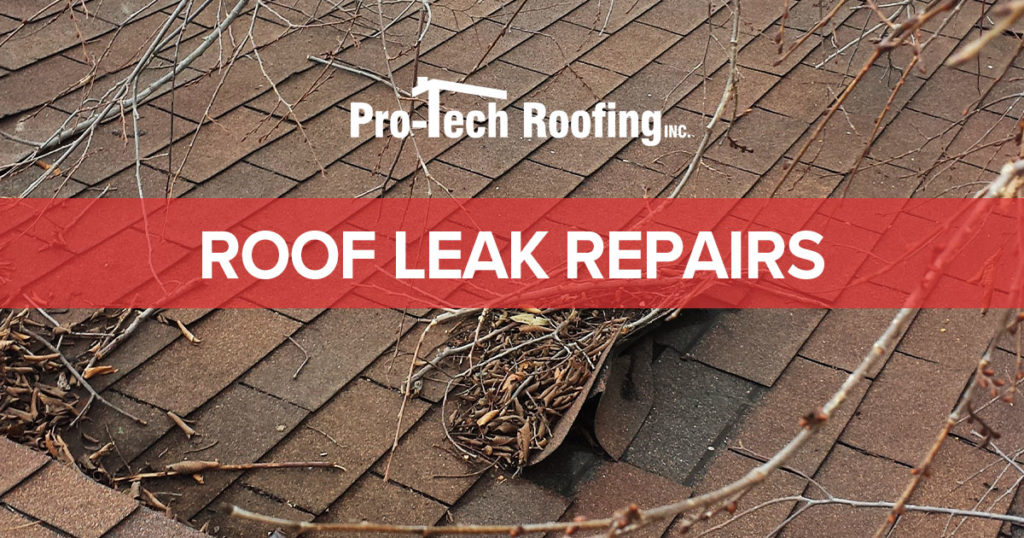 If you suspect your home has a roof leak…
It’s important to fix your leaking roof as soon as possible.
Roof leaks (even slow ones) can cause a host of damages.
And left unattended.
The repair cost to fix damage from your leaking roof can snowball into the tens of thousands of dollars.
Damage that may or may not be covered by your insurance policy.
(More on that later)
In this post.
We’re going to look at roof leak causes, a few DIY repair options and some recommendations for when to call in a professional roofer.
First, let’s start with some basics.
How Roof Leaks Can Damage Your Property
Roof leaks can occur suddenly or slowly over time.
Slow leaks are especially insidious.
That’s because the leak could go on for sometime without detection.
You may not even notice that you have a leaking roof for several weeks or months.
That’s why a routine roof maintenance plan is a great investment in preventative maintenance for your home.
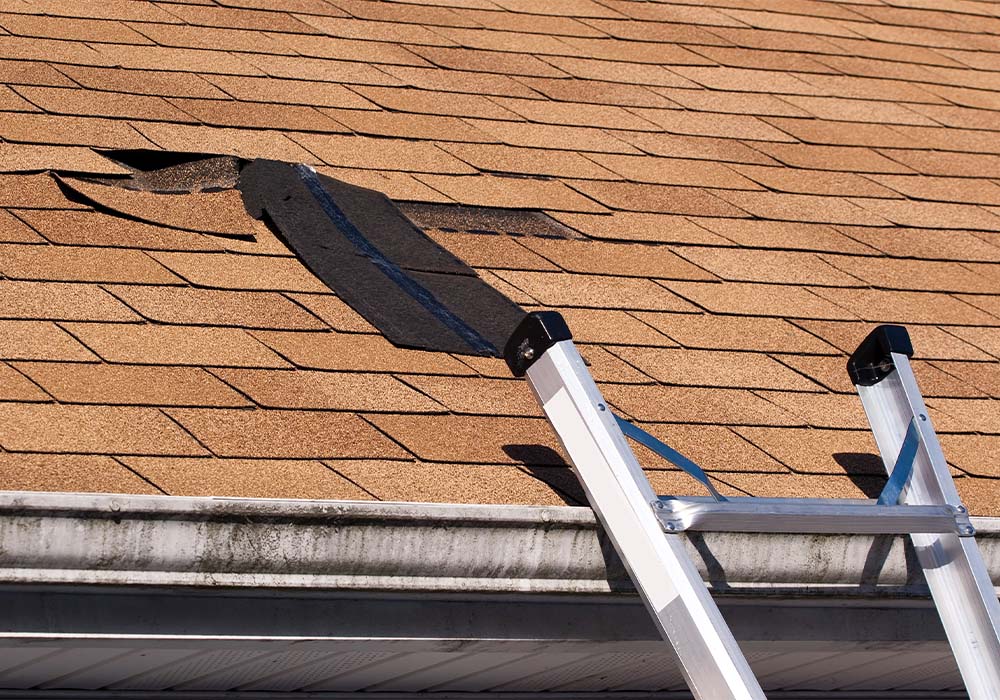
Roof leaks can damage your property in several ways. Here are a few:
1. Roof Deck Rot
Water under shingles will slowly rot roof deck sheathing and cause soft spots on the roof. Lack of support for roofing materials can lead to pooling. Moist roof decking could result in mold growth inside the attic.
2. Siding Damage
As water flows under shingles or behind fascia boards, it can make its way into your walls. Water behind your walls can cause siding to rot from the inside out. You may notice mildew growth or swollen materials.
3. Wall & Ceiling Damage
A leaking roof will cause water spots to form on ceilings. Water can flow behind interior walls. Water may show up around light fixtures or outlets. Sometimes you’ll see interior paint bubbles on the walls. When water dries, it will leave a stain.
4. Flooring Damage
Water that flows down the wall into your home can saturate carpet, carpet padding and other flooring materials. These are very difficult to dry out and may cause mold growth. Wood floors can swell and buckle from moisture.
5. Window & Door Damage
Water can cause window and door framing materials, casing and trim materials to swell and shrink as these materials get wet and dry between rains. The problem can happen slowly. You may notice problems with doors sticking or separation from trim materials from the wall.
6. Electrical Problems
Water can ruin interior electrical components of your home. Water dripping into the attic often finds its way into light fixtures or into outlets in your walls. It can even make its way into junction boxes, where it has potential exposure to live wires. Corrosion can ruin electrical components.
7. Structural Damage
Water is the enemy of joists, rafters, studs, OSB and other building materials. If moisture is not attended to, these materials can rot, leaving your home at risk of major structural problems.
8. Mold Growth
Black mold is extremely dangerous. It grows in environments that have moisture with little air circulation. Underside of roof, inside insulation, walls, carpet padding, on sheetrock, etc. It’s very important to work to prevent mold after water damage. If you have had a slow roof leak, your property needs to be thoroughly inspected for the presence of mold.
9. Damage to Belongings
A leaking roof can also cause severe damage to personal property like computers, televisions, electronics, furniture, artwork, heirlooms, etc.
Is My Roof Leaking?
There are a few giveaway signs that you have a leaking roof.
Here are a few things to look for outside and inside your home.
You may notice that your roof leaks only during heavy rain. A storm with lots of rain is great time to look for some of these issues.
Exterior Signs of a Roof Leak
- Rotted shingles missing granules
- Peeling paint or rotten fascia or soffit
- Clogged gutters & downspouts
- Branch, leaf debris in roof valleys
- Debris buildup behind chimney
- Shingle granules bottom of downspouts
- Warped or swollen siding or
- Wet carpet or flooring
- Mildew or mold growth on siding
- Curling or buckling shingles on roof
- Missing shingles (dark spots on roof)
- Loose or “popped” nails on roof
- Cracked flashing around roof vents
- Flashing gaps or broken flashing
- Damaged flashing around chimney
Interior Signs of a Roof Leak
- Sound of dripping inside home
- Moisture around light fixtures
- Dripping from light fixtures
- Moisture around wall outlets
- Water stains on wall or ceiling
- Water spots around window trim
- Water streaks under windows
- Dampness around air vents
- Soft or damp drywall
- Bubbling paint separation
- Dark spots on rafters in attic
- Dark spots on underside of roof deck
- Presence of mold in attic
- Musty smell in attic or around house
- Rust or stains around roof nails in attic
If you’re not sure where the leak is coming from, call a professional roofer to evaluate the situation.
They may want to perform a visual test or leak test to find your roof leak.
Many times a roof leak can be fixed with simple roof repair done by a professional.
NEED HELP WITH A ROOF LEAK? CALL PRO-TECH ›› (918) 250-7663
How to Fix a Roof Leak (Common DIY Repairs)
If you notice any of signs of a roof leak in your home or business, it’s important to get the leak repaired quickly…
…before interior water causes more damage.
If you are going to inspect your own roof, use extreme caution.
And please don’t climb on your roof, unless you are trained to do so.
However, if you are trained, you may want to do a DIY roof repair.
Here are a few common roof leak repairs.
Replace Vent Pipe Boot
One of the most common and simplest roof repairs is the replacement of dried or cracked vent pipe boots.
The rubber seal around vent pipes can be replaced fairly simply.
Here’s a good video that shows you how to fix or replace a vent pipe boot.
Clean Gutters
One of the best ways you can support the health of your roof is to maintain your gutters and downspouts.
When debris fills your gutters, water can sometimes back up under your shingles near eaves, valleys or low spots.
In addition to that, clogged gutters provide a breeding ground for insects and other pests.
Clean gutters will also help you avoid problems associated with ice dams.
Seal Around Chimney
If you have a fireplace, make special note of the flashing around your chimney.
Loose flashing or cracked roof cement will allow water to leak down the walls of your chimney and into your house.
This can be sealed in a variety of ways.
Here is one option to fix roof leaks around your chimney using an elastomeric sealant and reinforcing tape.
Plug Holes in Shingles
Sometimes your shingles have penetrations through them that are exposed to rainwater.
This could have occurred due to some type of equipment attachment or removal (such as a dish).
Or perhaps the previous roof installer left some exposed nail heads.
In any case, it’s important to plug these holes with roof sealant.
Remove Debris From Roof
Remove debris from roof valleys, skylights, behind chimney or anywhere else twigs or branches may have landed on the roof.
Removal will help water flow freely.
And it will help avoid pooling water that can seep under shingles.
Replace a Shingle
Replacing a missing shingle requires a bit of step by step process.
Here’s a good video to show the basics of how to remove and replace a shingle.
These are just a few ways some DIY homeowners repair roof leaks on their property.
Every situation is different and could call for a different type of repair.
If You Need Help Fixing a Roof Leak
 Some leaks are caused by storms that dropped hail on your roof or by wind damage and may require a total roof replacement.
Smaller damage may be able to be fixed with a roof repair visit.
A quick response can help you avoid thousands of dollars of potential damage to interior or personal property.
If you’re not sure where the leak is coming from or don’t feel 100% comfortable on your roof, contact a professional roofer for a roof inspection.
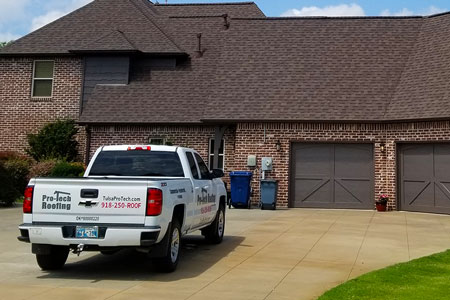
Pro-Tech Roofing is one of Tulsa’s top roof repair experts and specializes in fixing roof leaks in Tulsa and all surrounding communities.
Give us a call. We’ll be happy to help!
We hope this helps you better understand what to do next if you have a roof leak.
If you like this post…
And have think it would be helpful to your audience, please give us a share on social media ››››
If you are in or around Tulsa, Oklahoma and need roofing services, give us a call at (918) 250-7663 or contact us here.