
Tulsa Roof Hail Damage
Repair & Restoration
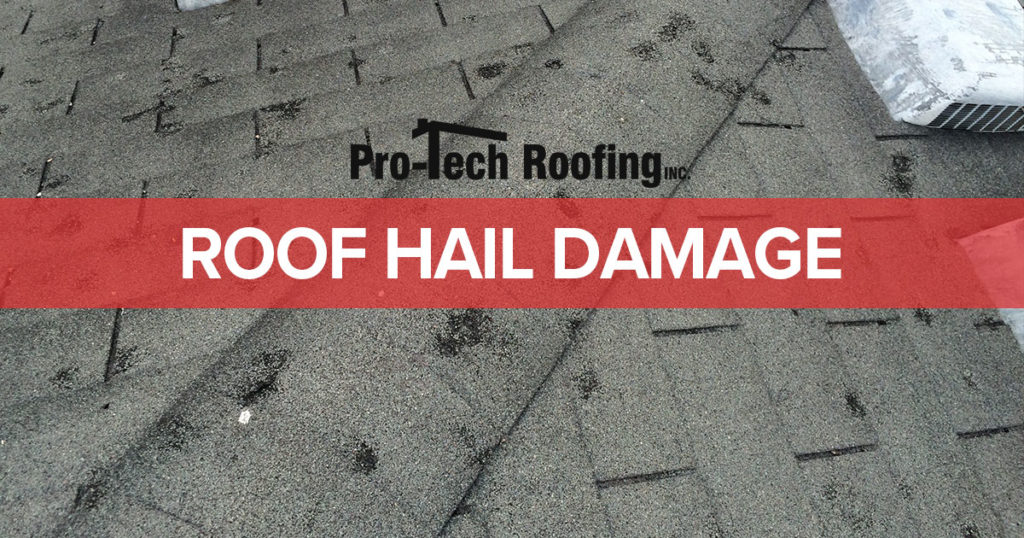 Severe weather in Oklahoma delivers a dual threat to property owners throughout the year. High-velocity winds and heavy precipitation often work together to compromise the structural integrity of your home.
Crushing hail frequently pounds into roofs across the state, creating immediate entry points for water and causing significant roof leaks. These impacts often go unnoticed until moisture begins to penetrate your ceiling.
Note: This post was originally published in January 2022 and has been fully updated in 2026.
Strong wind gusts and tornadoes also rip roofing materials directly from homes and buildings in Broken Arrow, Tulsa, and the surrounding communities. Whether it is a localized microburst or a widespread storm system, the results are often devastating for unprepared homeowners.
In this post, we are going to focus specifically on roof hail damage. We will cover what it looks like, how to identify subtle signs of failure, and the exact steps you need to take right away if you suspect your property has sustained damage in 2026.
How to Identify Tulsa Roof Hail Damage on Your Property
If a severe storm has recently moved through Northeast Oklahoma, we recommend performing a prompt visual inspection of your property. Identifying damage early is the most effective way to prevent costly structural issues later in 2026.
You may have significant hail damage even if your roof appears intact from the street. Understanding the threshold for damage is the first step in protecting your investment.
Industry standards indicate that hail as small as 1″ in diameter (roughly the size of a quarter) is sufficient to cause functional damage to standard asphalt shingles. At this size, the impact is often strong enough to displace protective granules and bruise the underlying mat.
Check Local Hail Reports and Storm Data
If you are unsure about the size of the hail that impacted your neighborhood, you can verify local weather data. Monitoring these reports helps us determine the severity of the risk to your specific address.
We recommend using resources like StormerSite.com for historical data and real-time maps of reported hail activity in the Tulsa metro area. You can specifically review Tulsa hail reports or Broken Arrow hail reports to see if your street was in the direct path of the storm.
Safety Guidelines for Visual Inspections
If you are performing a visual inspection yourself, we urge you to practice safety first. Never attempt to climb onto a wet or damaged roof. We advise you to wait until the storm has fully passed and the surfaces are dry before heading outside for a ground-level assessment.
Ground-Level Indicators of Roof Damage
Before focusing on the roof itself, you can find critical clues by inspecting other areas of your property. If these “collateral” items are damaged, there is a high probability that your roofing system has also been compromised.
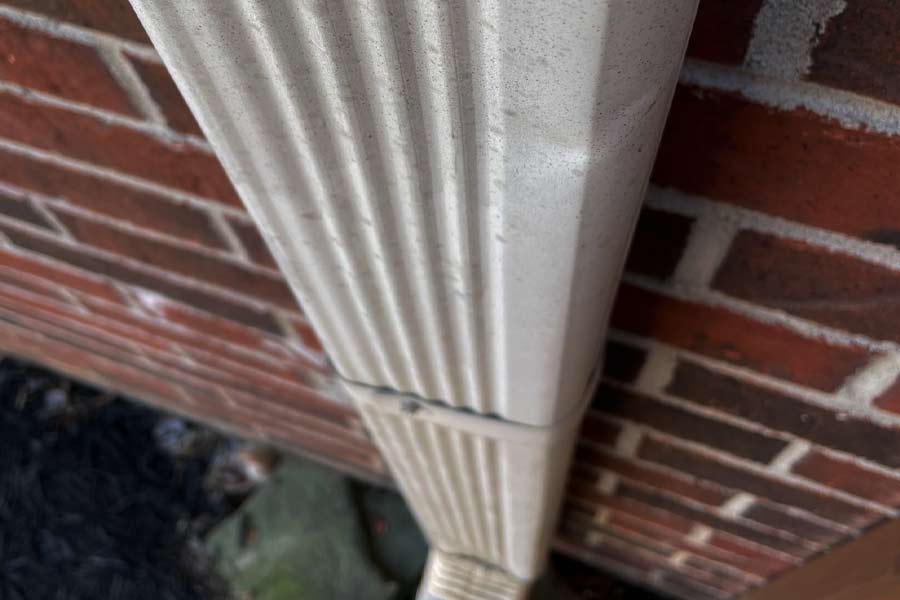
- Gutters and Downspouts: Check for fresh dents or dings. Heavy granule accumulation in the bottom of your gutters is a major red flag for shingle deterioration.
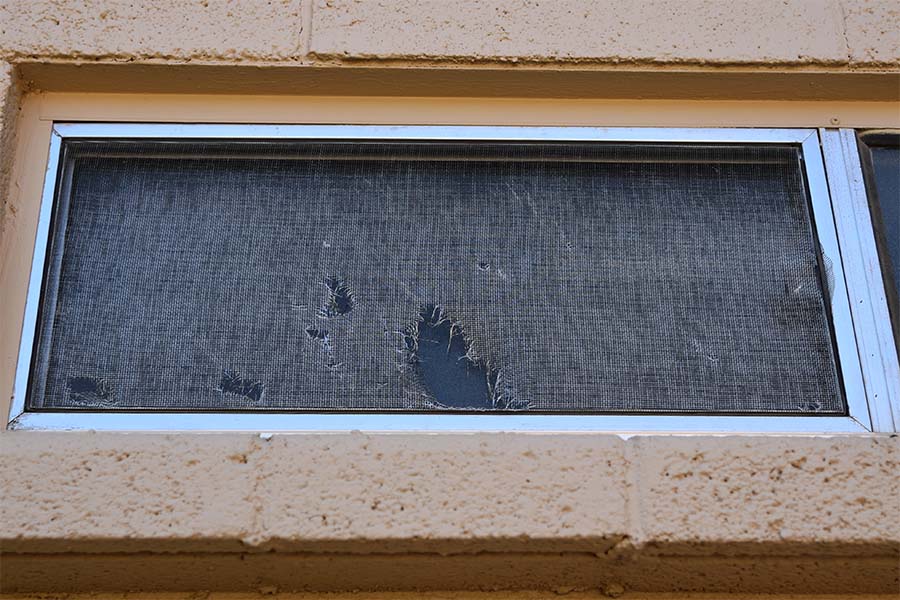
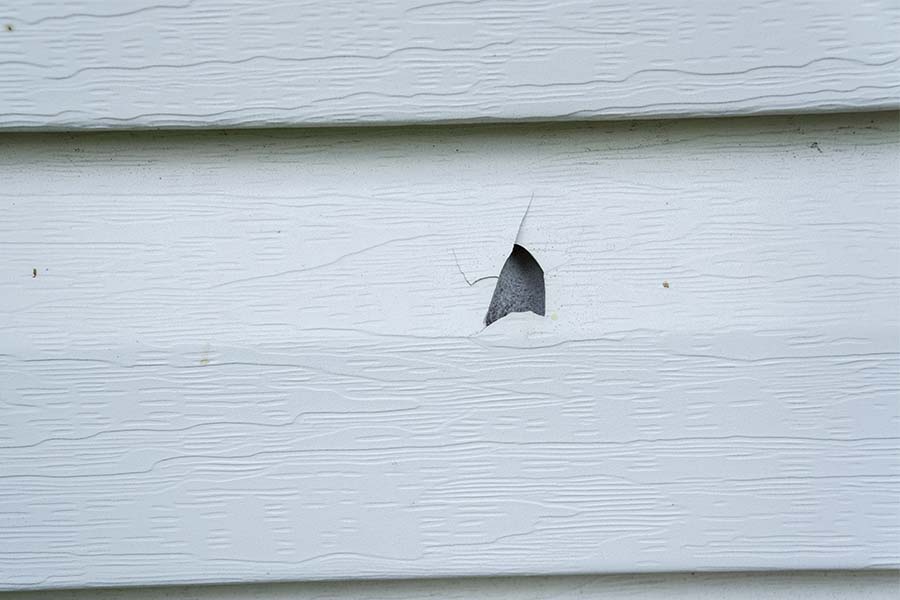
- Siding and Screens: Look for holes in window screens or cracks in vinyl siding.
- Fencing and Decks: You might see bright, clean spots on wood fencing or decking where hail strikes have literally “power-washed” the stain or oxidation away.
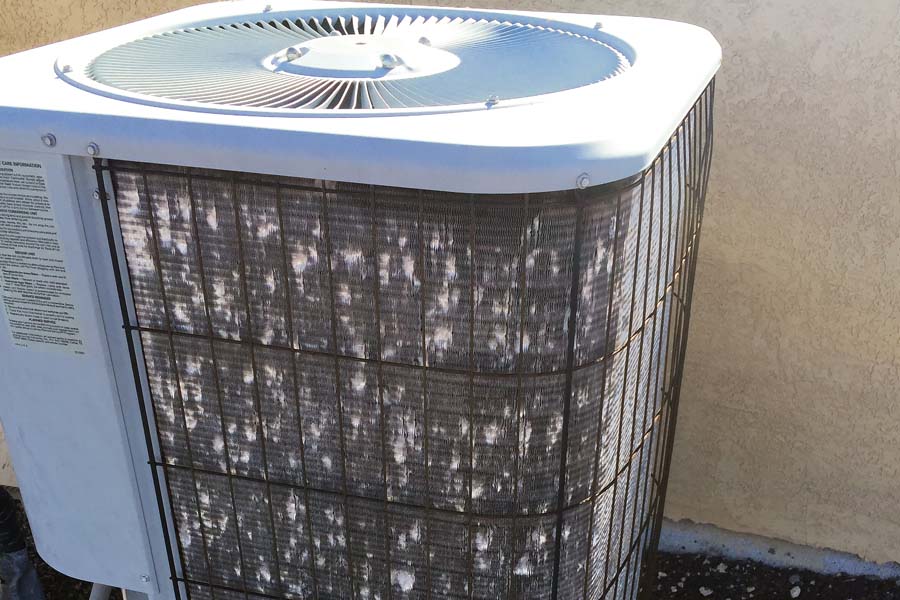
- HVAC Units: Inspect your air conditioning condenser. Hail frequently bends the soft aluminum fins, which can restrict airflow and lead to mechanical failure.
If you observe any of these indicators, we recommend scheduling a professional assessment immediately to confirm the extent of the hail damage on your roof.
After that.
While on the ground, walk around your house and look at your roof from ground level.
You might see dark spots on shingles, or cracked roof tiles.
If you feel comfortable on a ladder…
…you can take a closer look at your shingles over the eaves from various locations around your roof.
Look for punctures or places where granules have been knocked loose.
NOTE: Please don’t climb on your roof, unless you are experienced doing so.
Pro-Tech Roofing be happy to give you a complimentary roof inspection to inspect your roof for hail damage.
Evidence of Roof Hail Damage
Here are some common signs that you may have hail damage on your roof. Also, check out our 51-point hail damage inspection list.
- Dented gutters
- Mailbox damage
- Hail splatter on concrete
- Holes in siding
- Broken/cracked windows
- Shredded plants
- Car hail damage
- Bent fins on AC Unit
- Damaged soffit or fascia
- Tree debris on roof
- Tears in flat membrane roof
- Blown off shingles
- Damage to garage door
- Damage to outdoor furniture
- Dented roof vents
- Marks on deck or fence
- Chips in exterior paint
- Debris in swimming pool
- Water spots in ceiling
- Granules in gutters
- Cracked roof tiles
Visualizing Common Types of Roof Hail Damage
You may be wondering what hail damage actually looks like when viewed up close. Recognizing these patterns is essential for determining if you need a professional repair or a full roof replacement in 2026.
We have compiled several photos of roof hail damage below. These examples demonstrate how high-velocity hail impacts various materials, including asphalt shingles, clay tiles, and metal roofing components.
http://googleusercontent.com/image_collection/image_retrieval/1970673314910485976
Key Indicators of Impact Damage:
- Shingle Bruising: Dark, circular indentations where the shingle mat has been crushed.
- Fractured Tiles: Sharp, jagged cracks in clay or concrete tiles caused by large hail strikes.
- Metal Dents: Clear deformations on soft metal vents, valley flashing, and ridge caps.
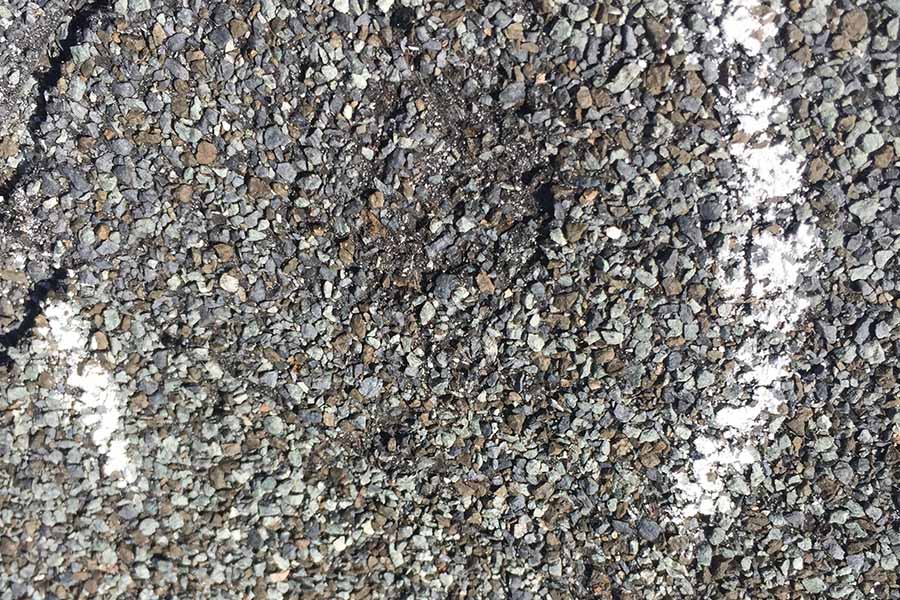
Shingle tear & puncture from hail
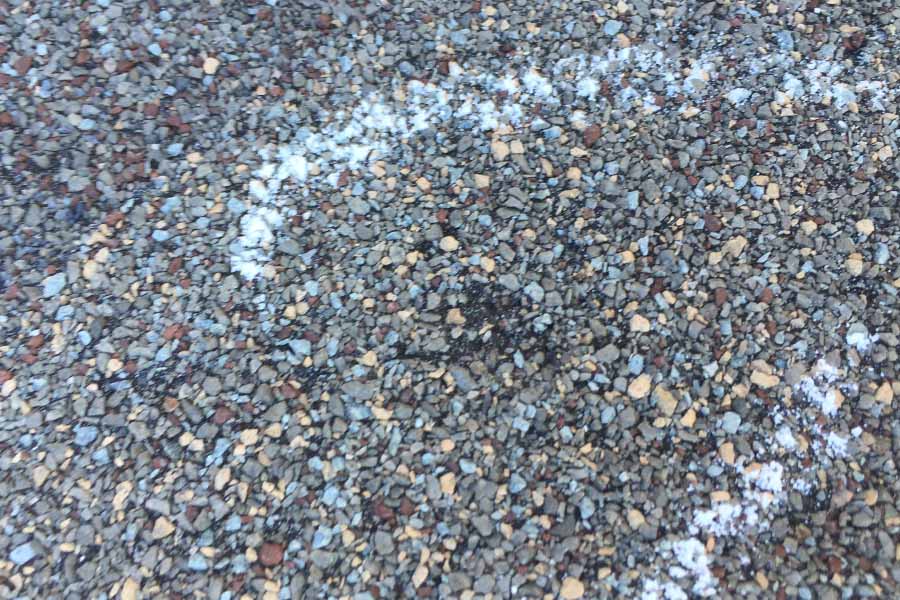
Visible granule loss from hail strike
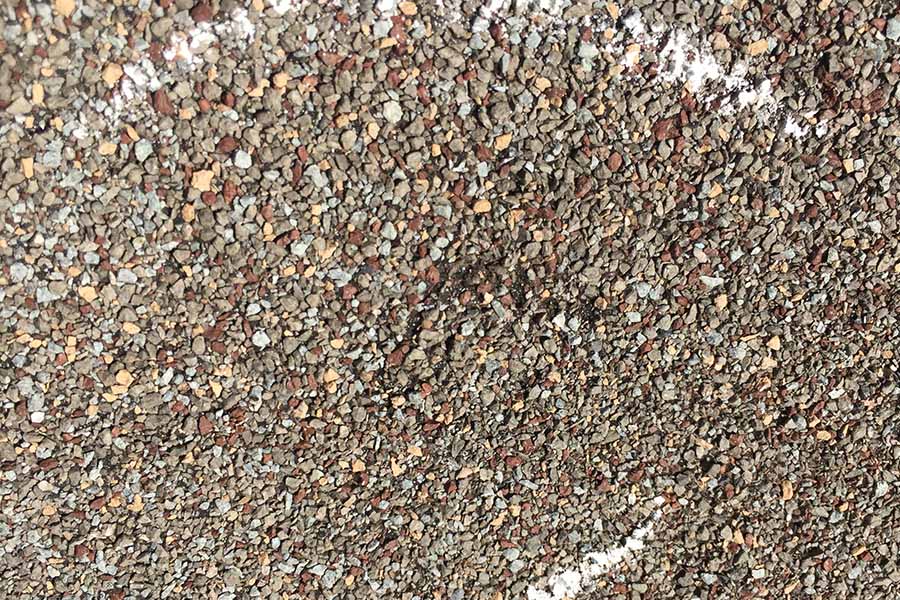
Shingle damage from hail stone
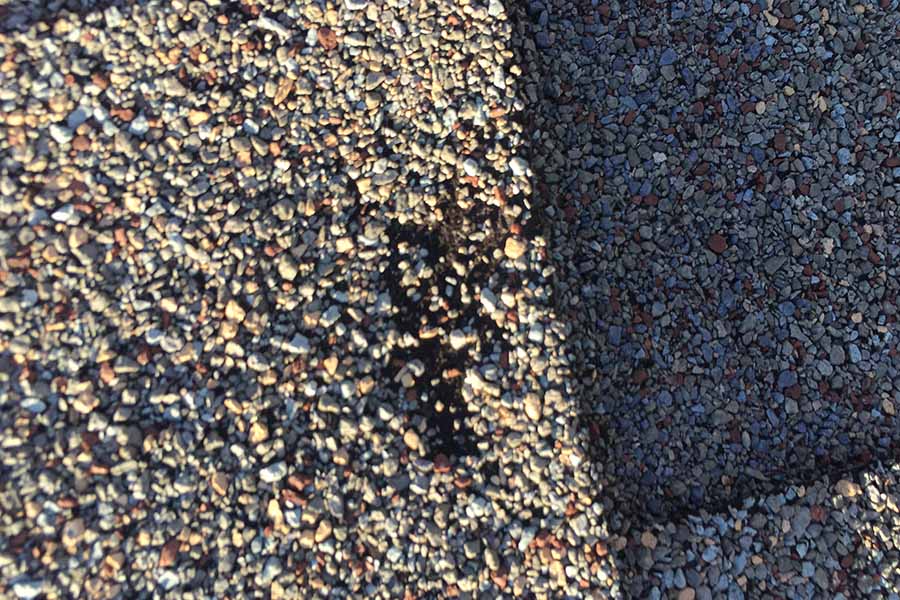
Large loss of shingle granules from hail
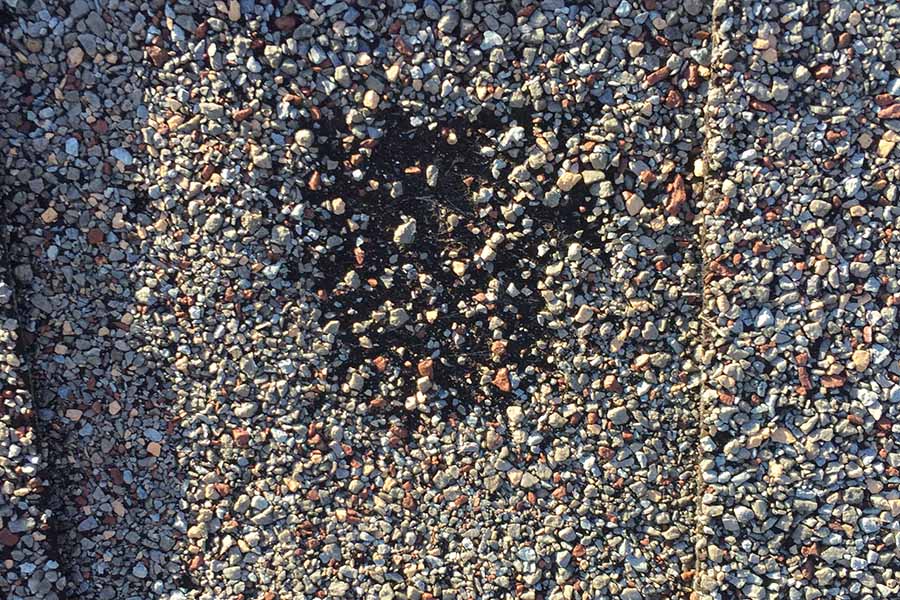
Exposed asphalt deterioration from hail damage
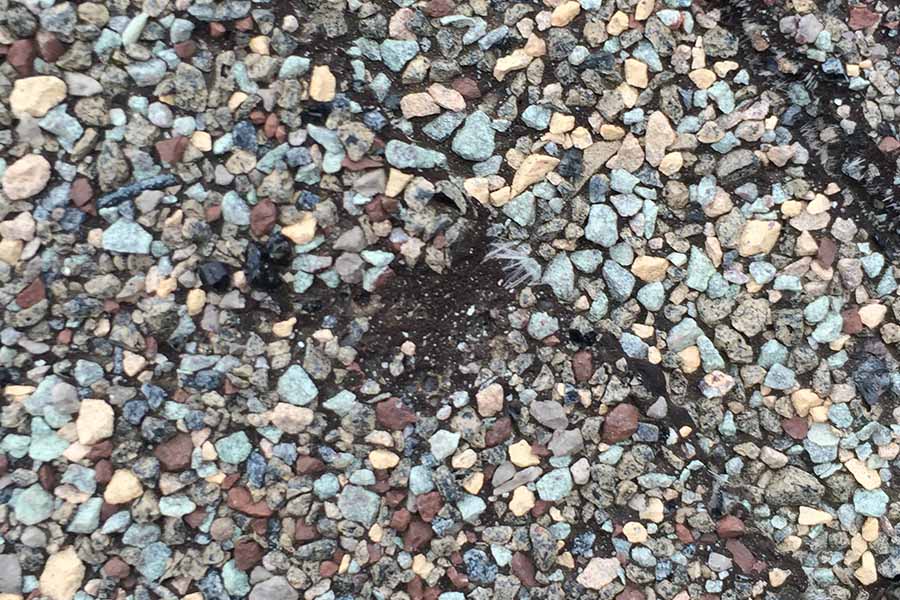
Look at shingle mat fibers on right side of puncture
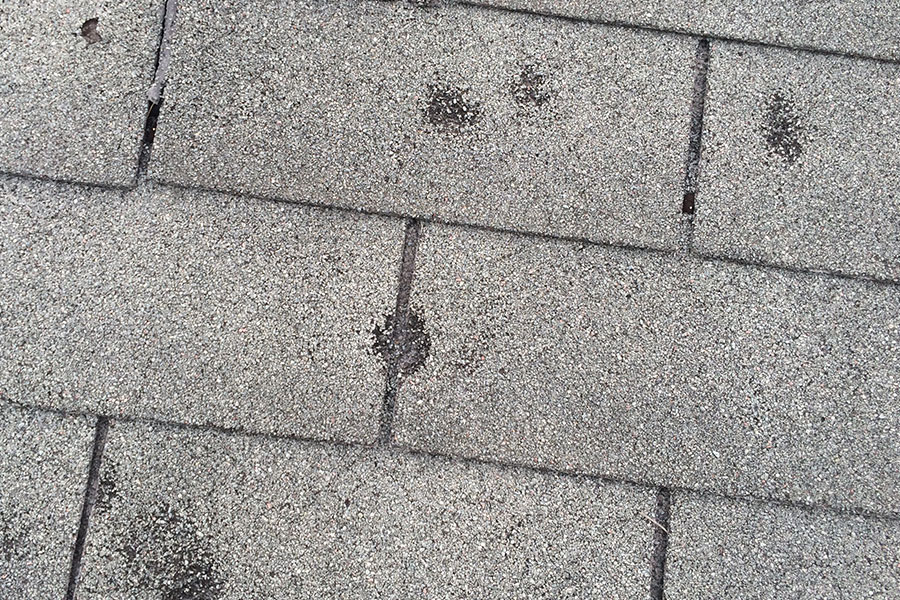
Big Hail Strikes on Shingles
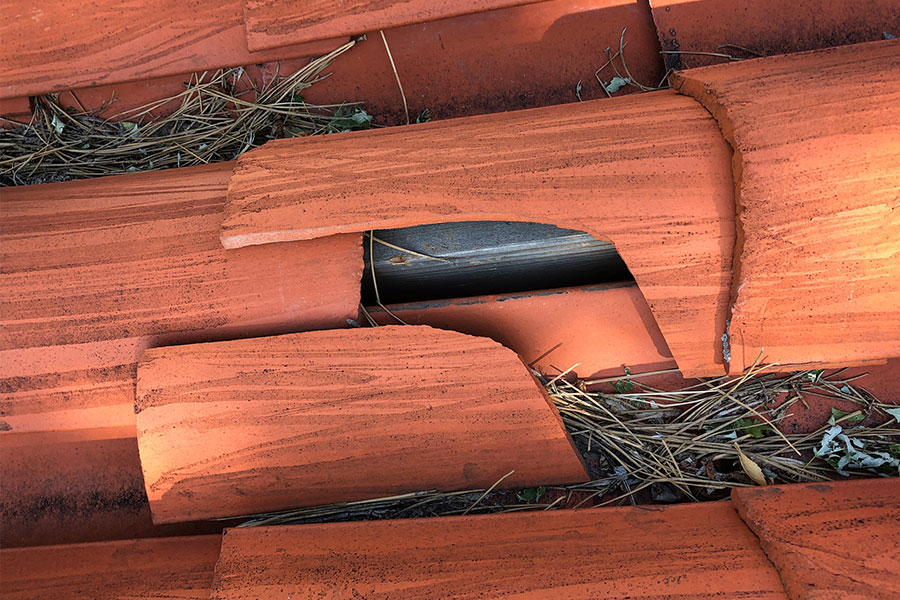
Cracked Roof Tile From Hail
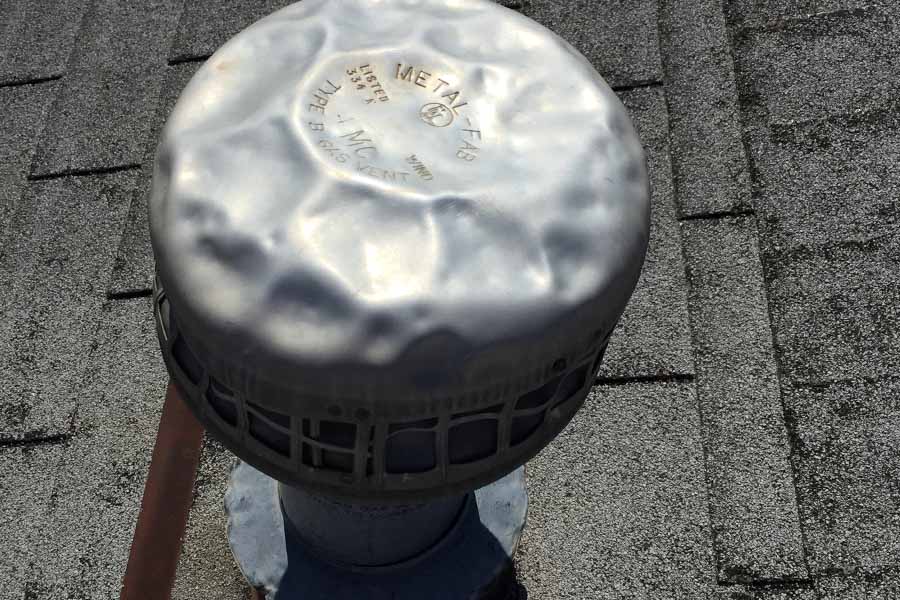
Dented roof vent from hail storm
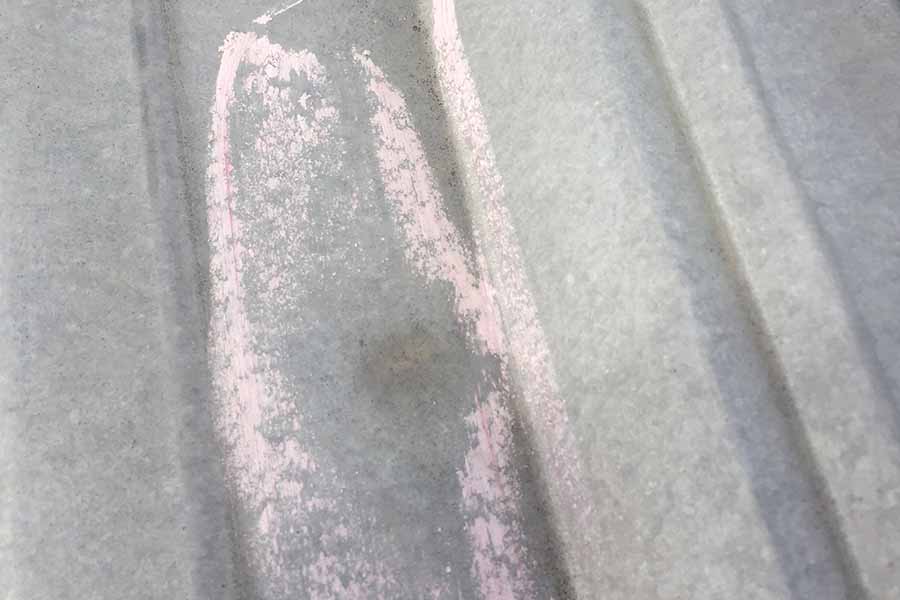
Dented metal roof from hail strike
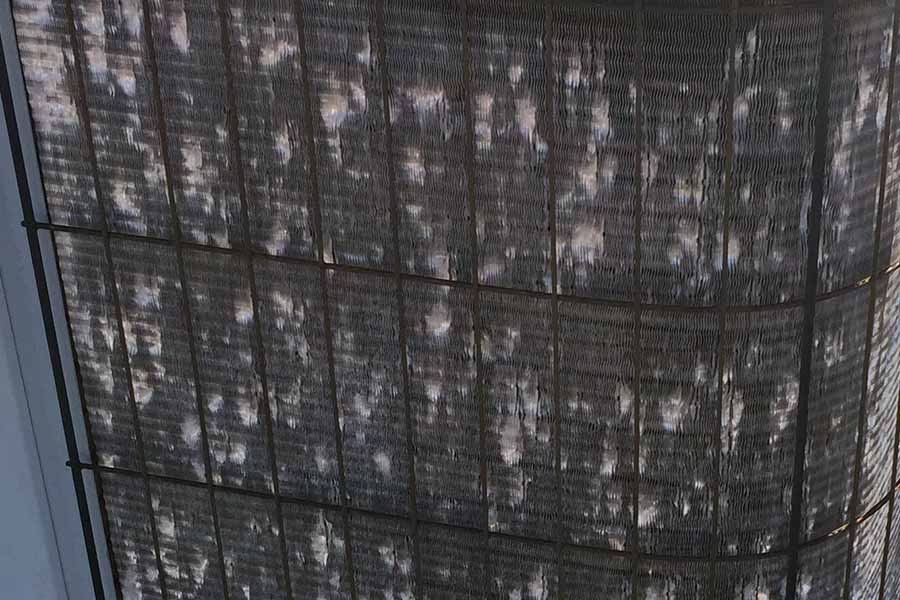
Condenser coil hail damage
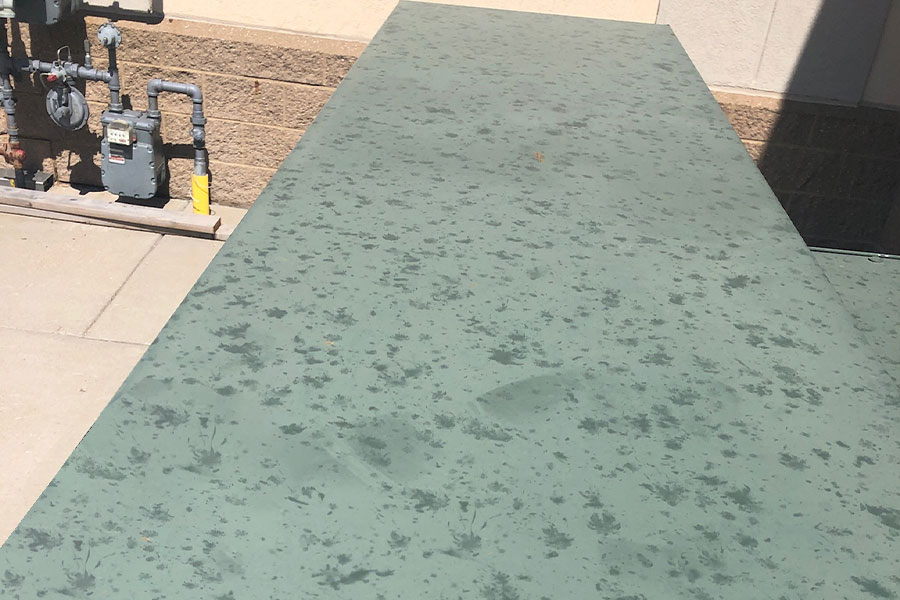
Hail Splatter on Metal Parapet
GOT HAIL DAMAGE? CALL PRO-TECH ›› (918) 250-7663
Next Steps if You Have Roof Hail Damage
If you suspect that may have hail damage on your roof, it’s important to get it addressed quickly…
…before your roof starts leaking.
A proactive response can help you avoid thousands of dollars of potential interior damage later on.
Luckily, most property insurance policies cover roof damage caused by hail.
But.
To be sure that you have claimable damage, it’s a good idea to get a professional roof inspection.
Call Pro-Tech Roofing Before Filing a Claim
If you think you have wind damage or roof hail damage in Tulsa or on any property in Northeast Oklahoma…
Contact Pro-Tech Roofing before filing a claim.
We will send one of our professionals out to give you a complimentary roof inspection.
And we’ll let you know if we think storm damage to your roof warrants opening a roof damage insurance claim.
This could save you a bunch of hassle and a claim denial if you don’t have claimable damage.

For severe roof hail damage, we may recommend a roof replacement.
Alternatively, if we feel your roof can be repaired instead of replaced, we will offer you a roof repair.
If you’ve never hired a local roofer, read our guide on how to hire a reliable roofing company in your area.
Do this early.
Some insurance companies have deadlines that limit how long after a storm damage event you’re able to file a claim.
Pro-Tech Roofing services all of northeast Oklahoma, including the communities of: Tulsa, Bartlesville, Bixby, Broken Arrow, Jenks, Catoosa, Coweta, Claremore, Collinsville, Glenpool, Grand Lake, Oologah, Owasso, Skiatook, Sand Springs, Sapulpa, Tahlequah and Wagoner.
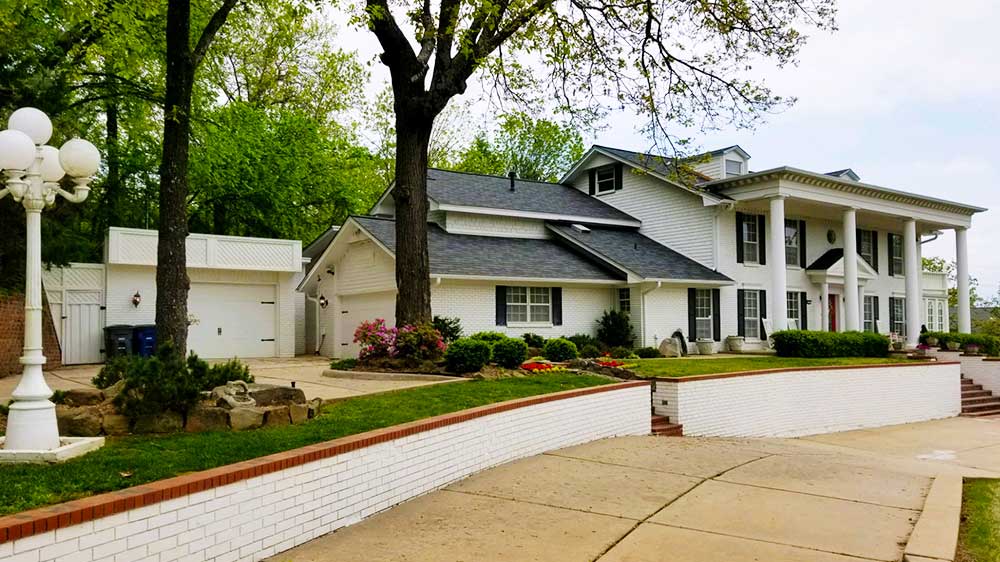
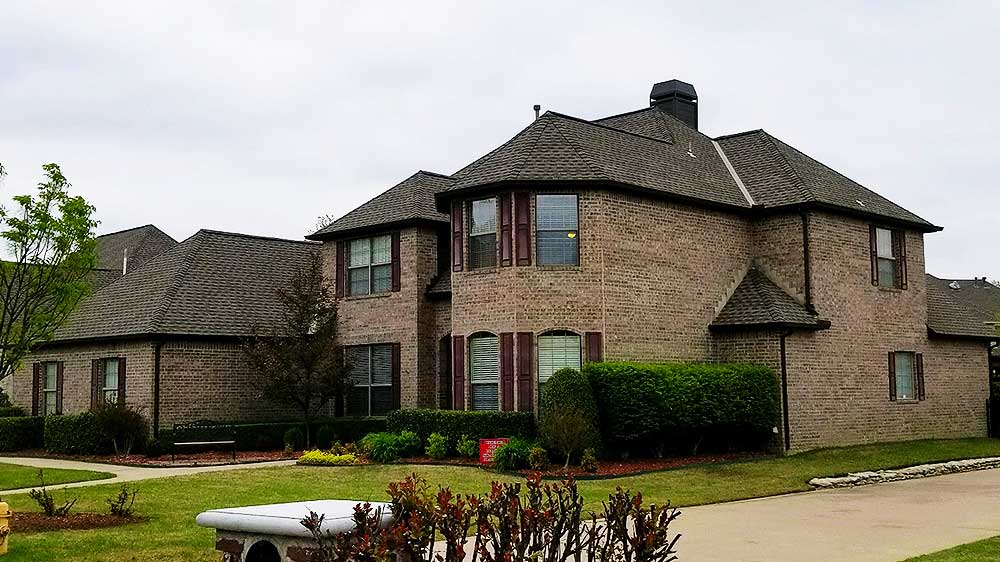
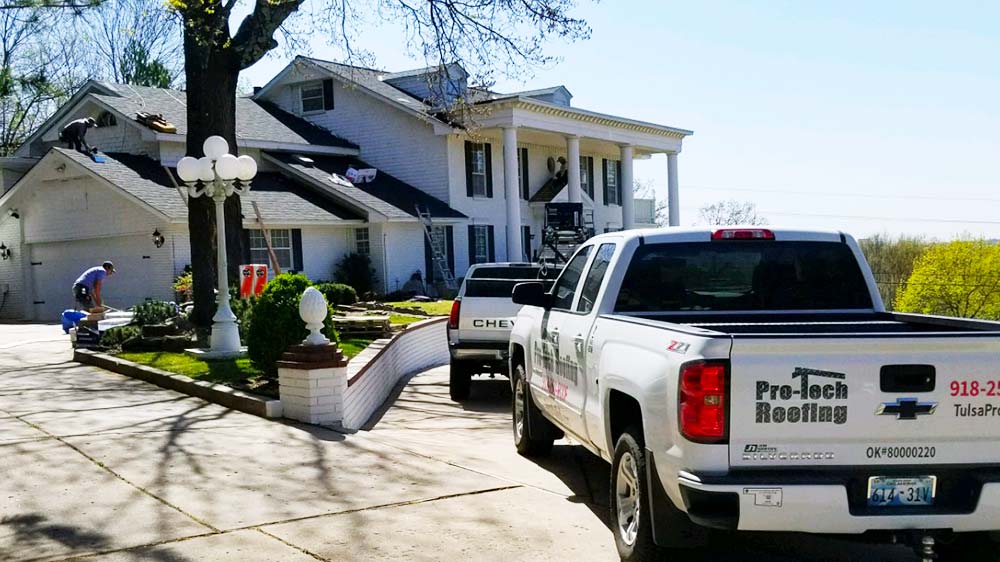
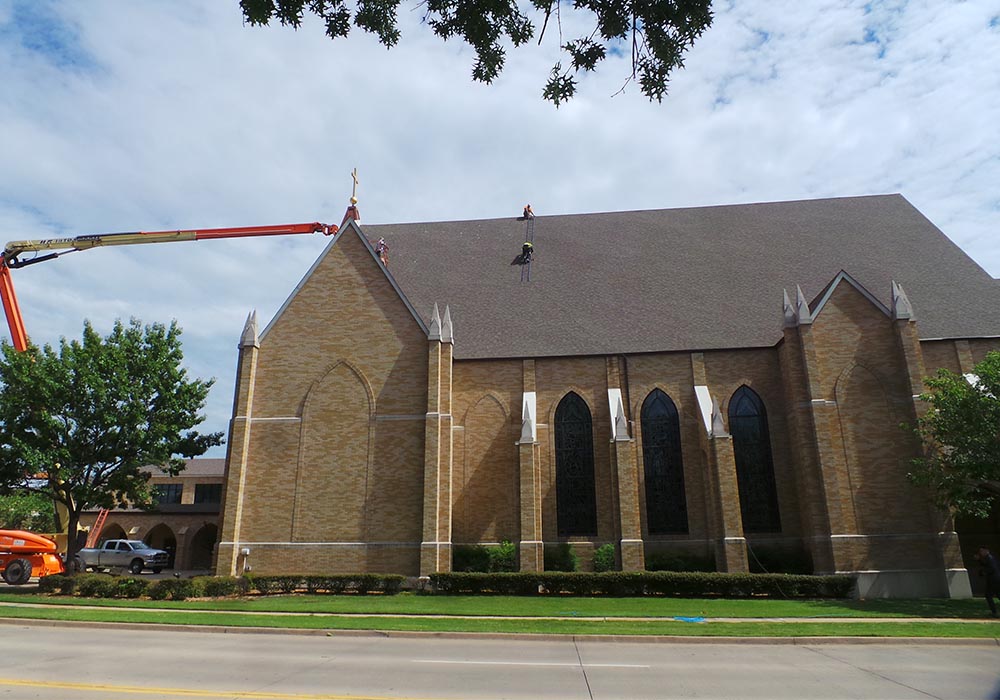
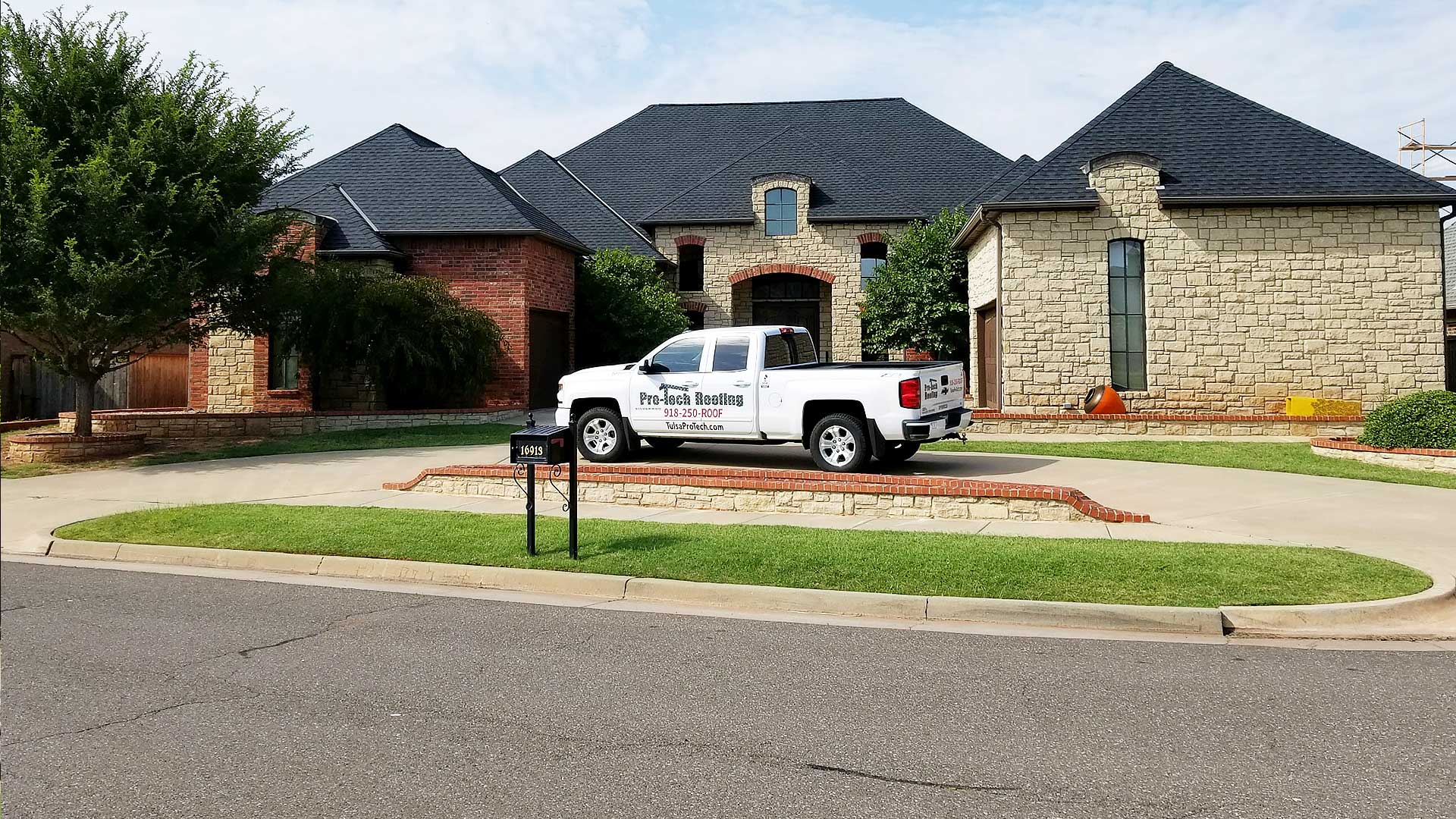
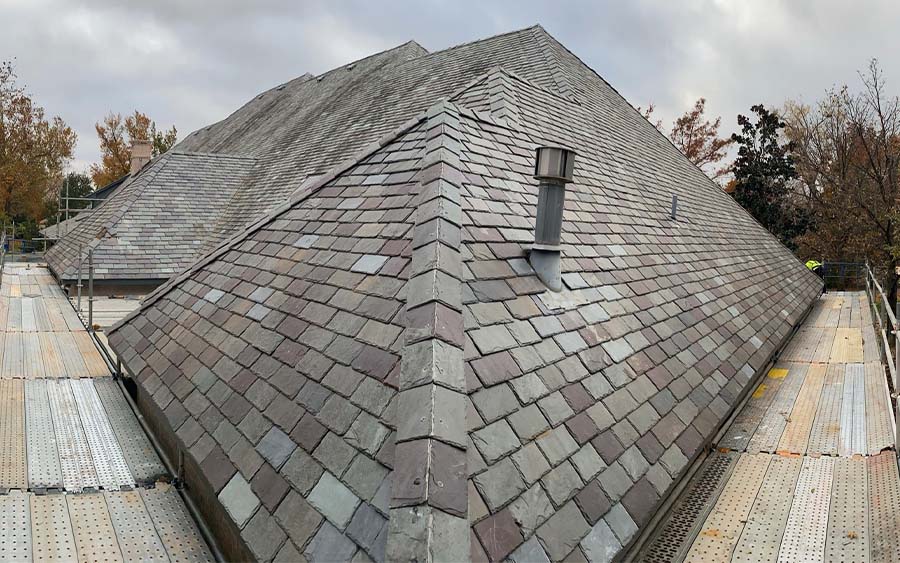
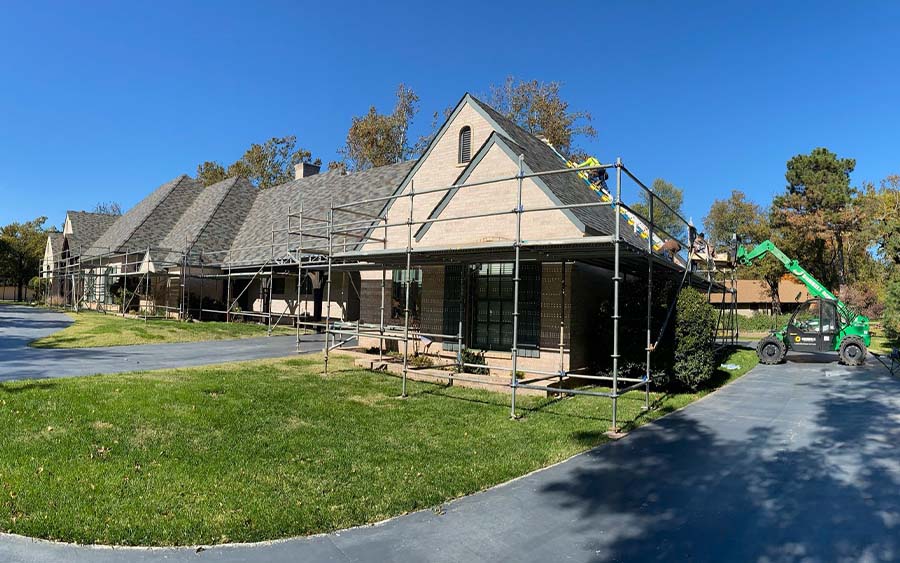
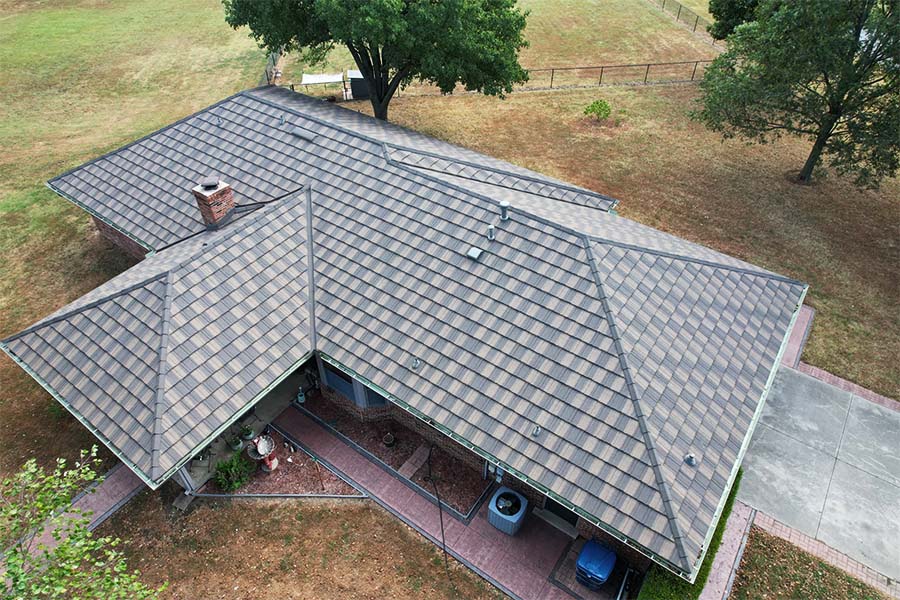
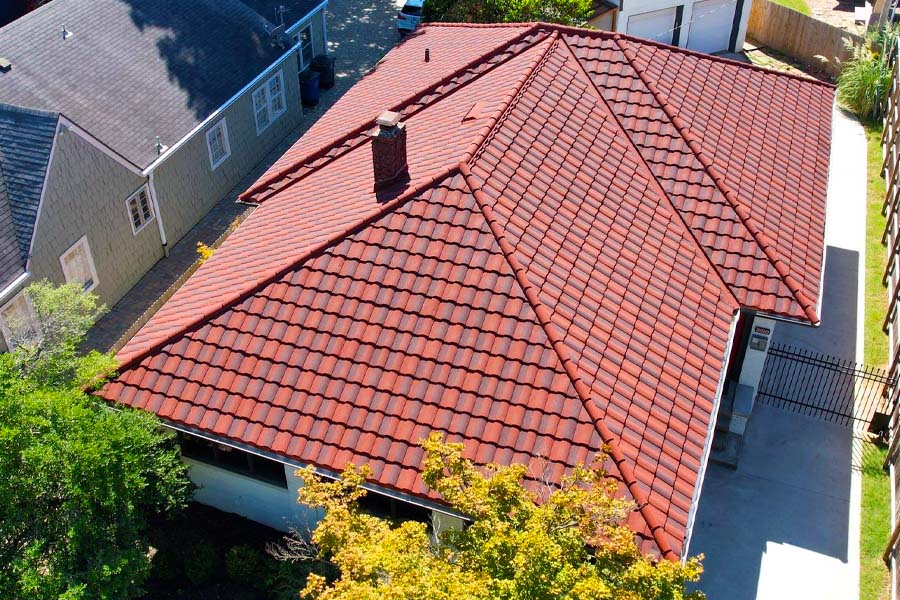
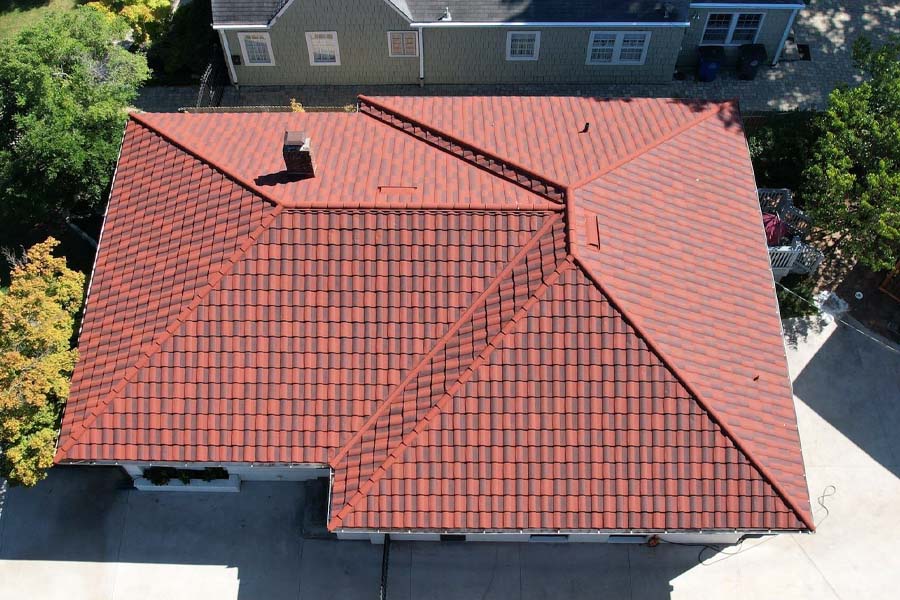
Here are some examples of our work. View a more complete gallery of Oklahoma roofing projects.
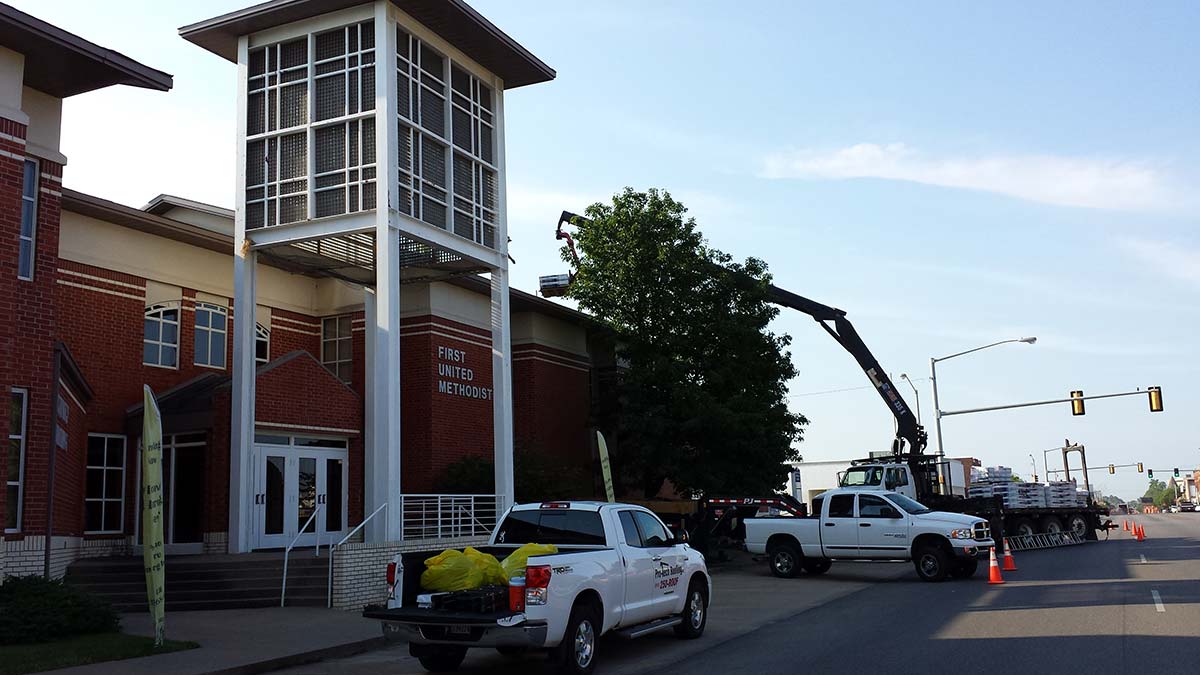
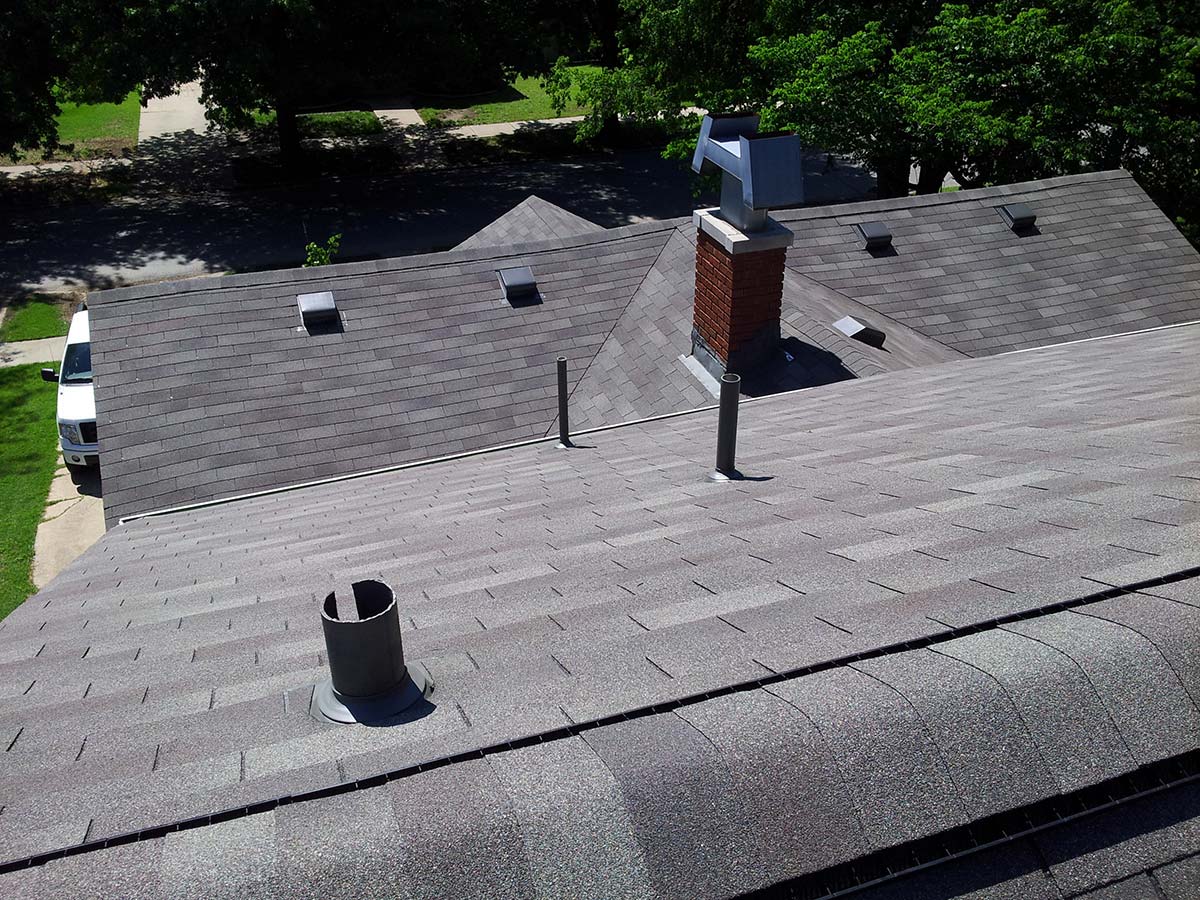

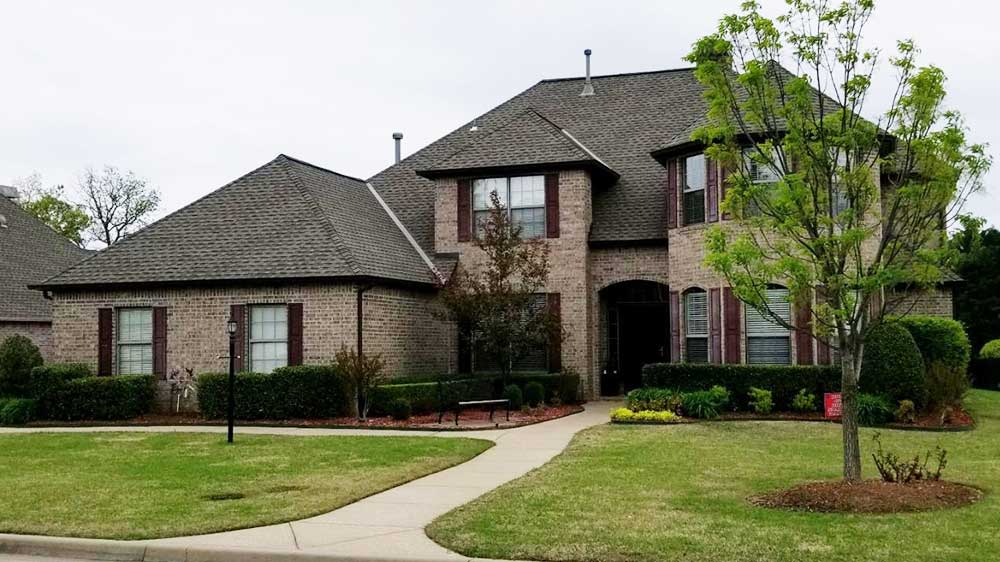
We hope this guide helps you better understand the critical steps to take if you suspect hail damage on your roof in 2026. Taking action early is the most effective way to protect your home’s value and prevent interior water damage.
Help Us Spread the Word
If you found this information valuable and believe it would help your friends and neighbors prepare for Oklahoma’s storm season, please give us a share on social media.
If you are in or around Tulsa, Oklahoma and need professional roofing services, we are here to help. You can reach our team at (918) 250-7663 or contact us here to schedule your professional assessment.