
17 Types of Roof Shingles
The Complete Guide
 If you are planning to roof your home or a commercial structure, you must understand the specific types of roof shingles available in today’s market.
The style and material you select have a significant impact on your home’s curb appeal and overall market value. Beyond aesthetics, your choice directly dictates how well your roof withstands hail, high winds, and the volatile weather patterns we see in 2026.
Note: This post was originally published in April 2024 and has been fully updated in 2026.
In this 2026 roof shingle guide:
We provide a comprehensive breakdown of every major roofing material. You will learn the specific benefits, lifespan expectations, and structural compositions of the most popular shingles used in modern construction.
Key Takeaways:
- Material Matters: Asphalt remains the most common, but composite and solar options are gaining massive traction in 2026.
- Durability: High-impact ratings are essential for long-term insurance savings and storm protection.
- Energy Efficiency: Modern shingles now feature advanced cooling granules to lower utility costs.
Table of Contents
Roof Shingle Introduction
Understanding Roof Shingles and Their Importance
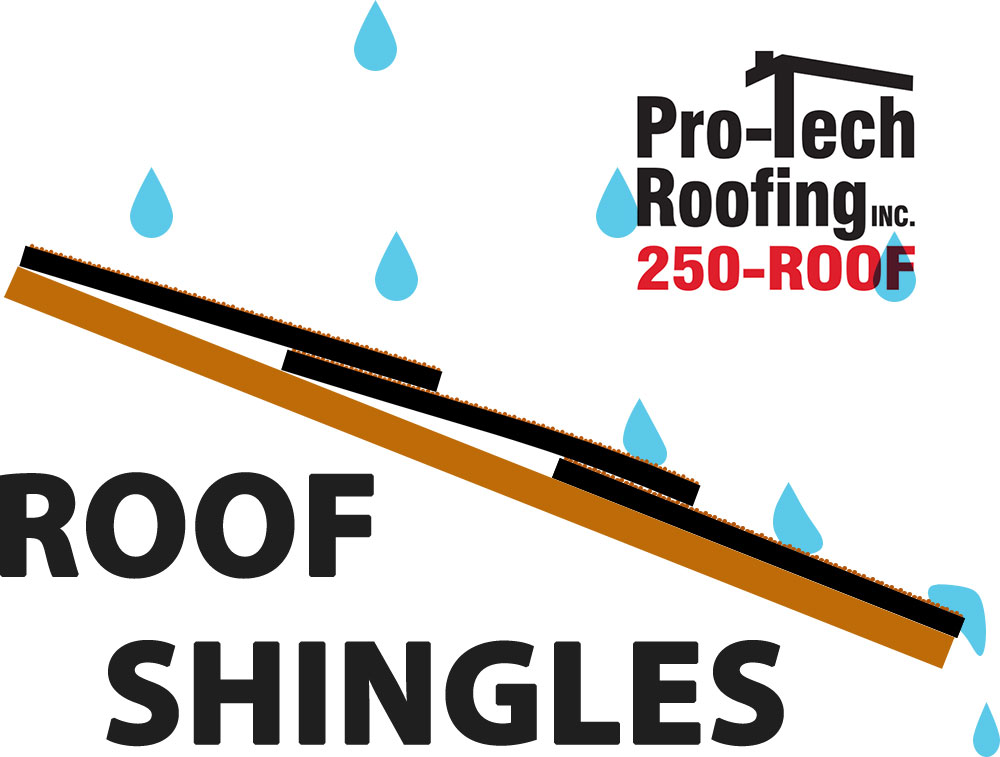
Roof shingles are individual overlapping components that, when professionally installed in rows or courses, create a continuous barrier designed to repel water, snow, and ice. This installation starts at the bottom edge of your roof and works upward, ensuring that every seam or joint is protected by the layer above it.
As precipitation hits your roof surface, the shingles direct the flow downward until it reaches the eaves. From there, the water is safely diverted into your gutters or away from your foundation. This shedding process is the primary defense for your home’s structural integrity.
Critical Functions of Modern Roof Shingles
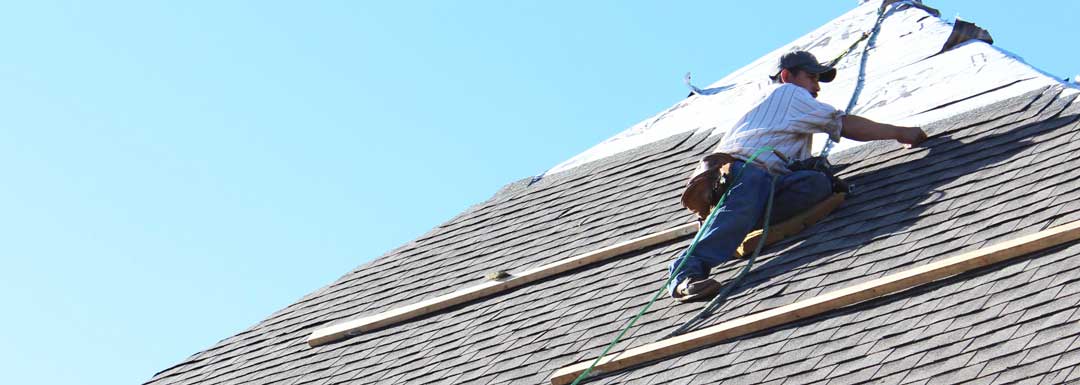
Your roof shingles are the most important waterproof barrier protecting your entire property. If water leaks under your shingles, it leads to rapid wood rot, interior ceiling damage, and hazardous mold growth. In 2026, we also look at shingles through the lens of three specific categories: aesthetics, utility, and long-term durability.
Shingle Selection Defines Your Home’s Style
The specific type of roof shingle you select heavily influences the architectural style of your home. While some neighborhoods have strict HOA covenants that dictate your material choices, many homeowners in 2026 have a blank slate to decide what shingles they want based on personal preference and modern design trends.
Shingles Impact Your Monthly Utility Costs
Different shingle materials offer varying levels of thermal resistance and energy efficiency. The color and material of your roof directly affect your attic temperatures and overall cooling load. Modern “cool” roofs are designed with advanced reflective granules that actively push heat away from the surface, keeping your home cooler and reducing energy consumption during hot Oklahoma summers.
Material Quality Determines Roof Longevity
The lifespan of your home is directly tied to the quality of the materials we use on your roof. High-quality shingles require significantly less maintenance and fewer repairs over their lifetime. If you choose low-grade materials, the secondary components of your roof deck will deteriorate much faster, leading to higher costs in the long run.
Video Overview
Watch this video of roof shingle types discussed below.
Types of Roof Shingle Styles
Understanding Shingle Style vs. Shingle Material
We find that homeowners often confuse the visual design of a roof with the actual substance it is made from. Roof shingles come in a variety of distinct styles that define the final architectural “look” of your home. However, each style of roof shingle can be manufactured from different construction materials, each offering unique benefits for durability and performance in 2026.
Key Differences to Consider:
- Shingle Style: This refers to the shape, profile, and dimension (e.g., 3-tab, architectural, or slate-look).
- Shingle Material: This refers to the actual composition (e.g., asphalt, metal, wood, or composite) that provides the protective barrier.
Throughout this guide, we will discuss both the aesthetics and the underlying durability of these options. Let’s start with the most common roof shingle styles used in modern construction.
3-Tab Roof Shingles
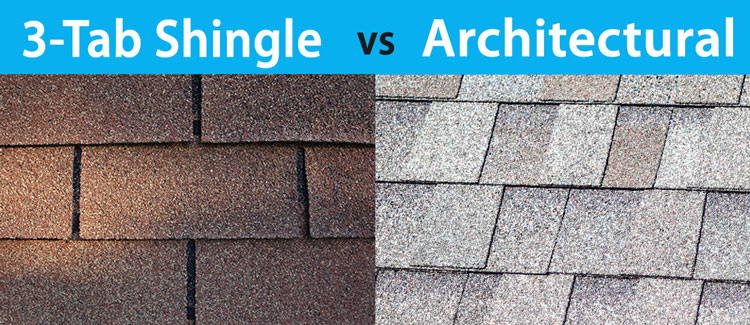
When we discuss “asphalt shingles,” we are often referring to standard 3-tab roofing shingles. These are among the most frequently utilized shingle styles across North America due to their familiar, uniform appearance.
3-Tab roof shingles create the classic rectangular pattern you see on many residential homes. They offer a clean, traditional look that remains a staple in the industry.
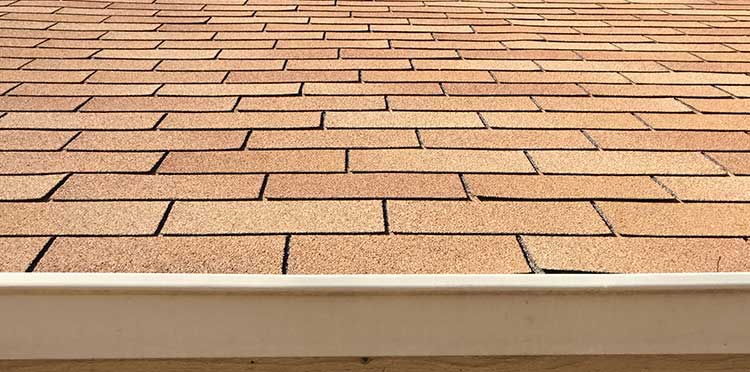
If you are closely monitoring your roofing budget, 3-tab shingles provide an affordable entry point. We often recommend them as a cost-effective solution for rental properties or projects where minimizing upfront costs is the primary goal.
Key Takeaways for 3-Tab Shingles:
- Affordability: These are the most budget-friendly shingles available in 2026.
- Variety: You can choose from hundreds of colors to match your home’s existing design.
- Simplicity: Their lightweight nature makes for a straightforward installation process.
Architectural Roof Shingles
Architectural roof shingles represent a premium category of asphalt roofing. Also known as “dimensional” or laminated shingles, these products are manufactured with multiple layers to create a rich, textured depth on your roof.
Originally developed in the 1970s, architectural roofing shingles have become the standard for new home construction and high-quality roof replacements in 2026.
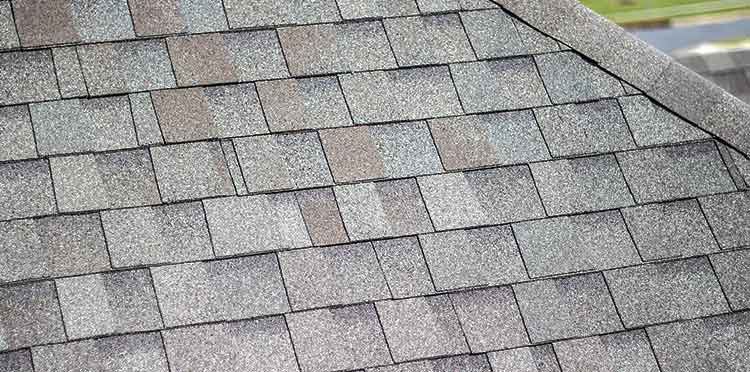
We find that most homeowners prefer architectural shingles over 3-tab options because they offer superior longevity, enhanced wind resistance, and a more sophisticated aesthetic. In 2026, many of these shingles come with Class 4 impact ratings to help protect against Oklahoma hail.
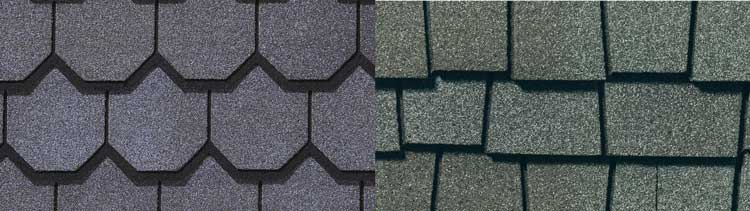
Manufacturers have also expanded this category into “Designer Shingles.” These are specifically engineered to simulate the look of old-world European materials like wood shake, slate, or tile while maintaining the ease of asphalt installation.
Tile Roof Shingles
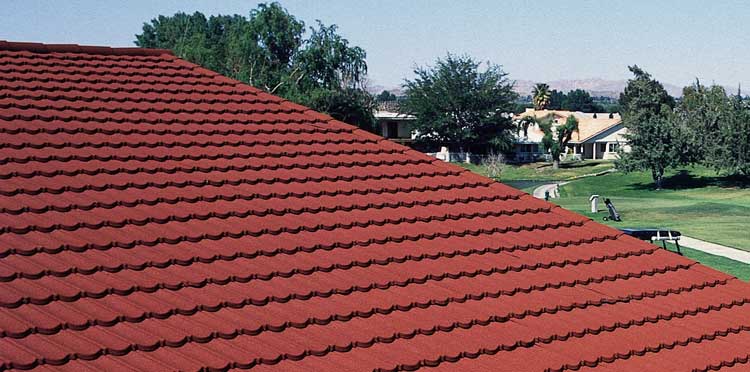
Terracotta clay roofing tiles are a hallmark of historical properties and homes featuring Southwestern or California Mission architecture. We often recommend tile for homeowners seeking a combination of extreme durability and high-end style.
Roof tiles are especially popular in the Southwest because they are significantly more energy-efficient than standard asphalt. Their thermal mass helps regulate indoor temperatures, which is a major advantage for 2026 energy standards.
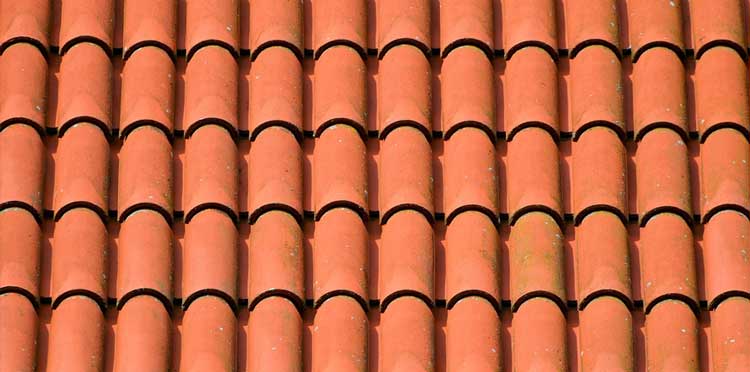
While the “wave-shaped” Spanish tile is the most iconic, modern tiles come in various profiles to suit different tastes.
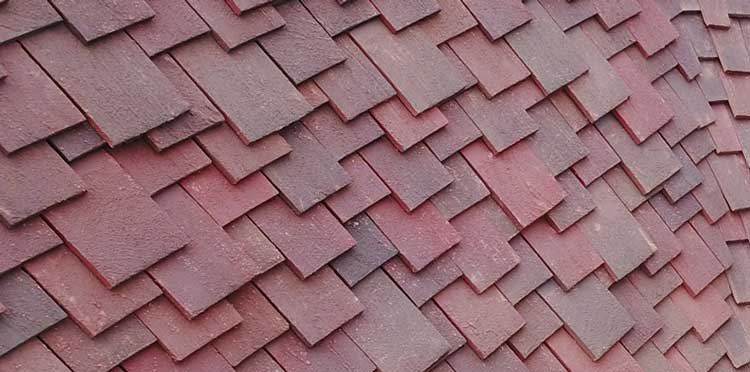
High-quality tiles can easily last 50 to 100 years. Leading manufacturers like Ludowici continue to offer 75-year warranties, making this one of the last roofs you will ever need to install.
Wood Roof Shingles
Wood roof shingles offer a natural, sustainable roofing option that has been used for centuries. They provide better natural insulation than asphalt and create a warm, organic feel for your home’s exterior.
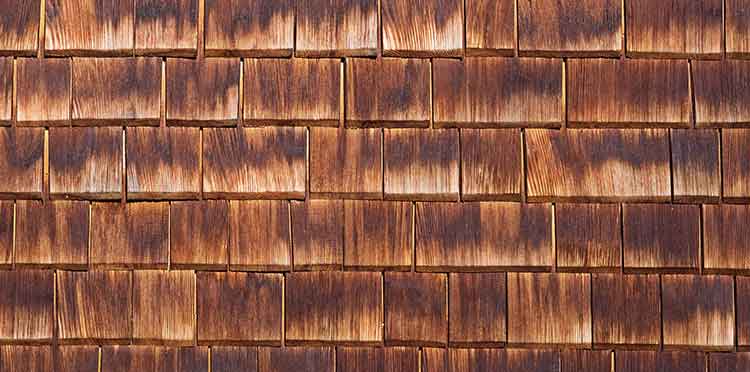
There is an important distinction to make between wood shingles and wood shakes. Wood shingles are typically sawn on both sides, resulting in a smooth, tapered profile and a uniform appearance across the roof deck.
Shake Roof Shingles
Shake shingles provide a more rustic, textured appearance compared to standard wood shingles. Traditionally, shakes were created by hand-splitting logs along the grain, a look that has remained popular in America since the colonial era.
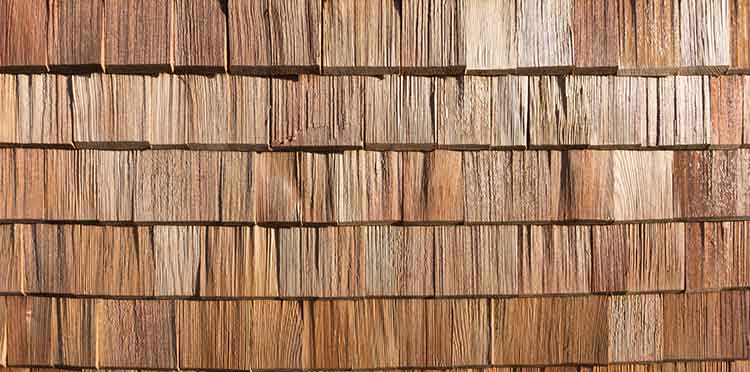
In 2026, we see a massive shift toward composite roofing materials that replicate the shake look. These modern alternatives provide the same aesthetic beauty but with much higher fire resistance and wind ratings than traditional cedar. You can also find this look replicated in asphalt, clay tile, and metal systems.
Slate Roof Shingles
Slate is often considered the “gold standard” of roofing. These shingles are 100% natural stone, making them eco-friendly, fireproof, and incredibly durable. Many of the oldest structures in the United States still feature their original slate roofs from the 1800s.
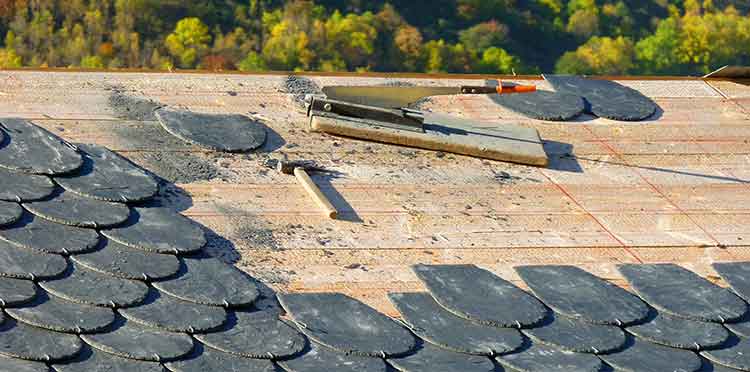
Because slate is a natural product, it offers beautiful color variations that cannot be perfectly replicated by man-made materials. However, due to the weight and cost of natural stone, synthetic slate tiles have become a popular and practical alternative in 2026 for homeowners who want the look without the structural reinforcement requirements.
Solar Roof Shingles
Solar power has transitioned from a niche addition to a mainstream roofing solution. While traditional solar panels are still common, solar roof shingles have become a game-changer for homeowners who want renewable energy without sacrificing curb appeal.
These shingles consist of thin-film photovoltaic (PV) cells integrated directly into the roofing material. They protect your home from the elements just like a standard shingle while simultaneously generating electricity to power your household.
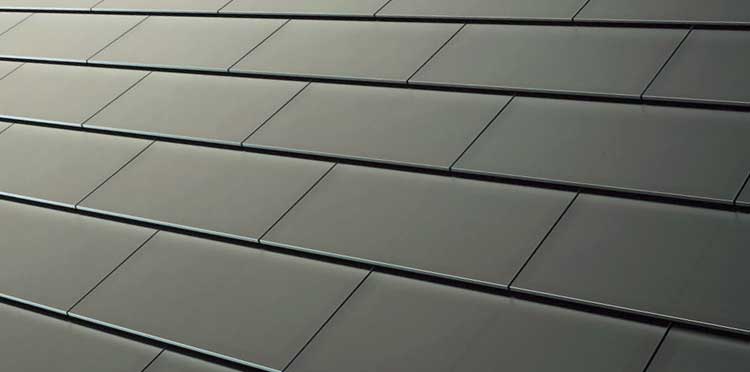
In 2026, the technology has reached a peak of efficiency and style. Brands like Tesla, CertainTeed (with the Apollo II line), and Luma Solar offer systems that blend seamlessly with traditional materials. Luma even offers an industry-leading 60-year guarantee, highlighting the long-term viability of this technology.
Metal Roofing
Metal roofing is one of the fastest-growing segments in the industry. The most common style is the standing seam roof, which features vertical ribs that provide a sleek, modern aesthetic and excellent water shedding capabilities.
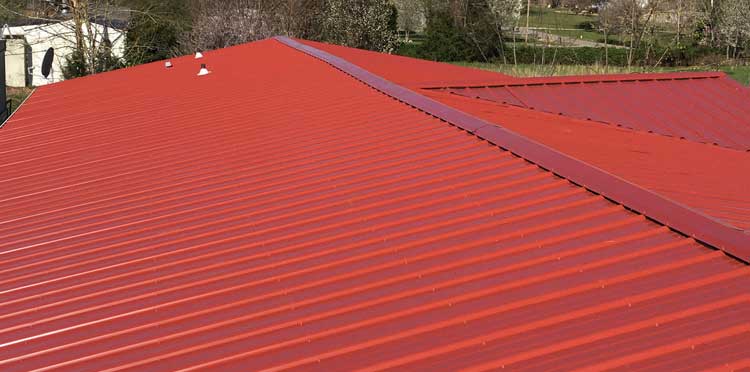
While steel and aluminum are the most common materials, we also see high-end installations using copper and zinc. A major trend in 2026 is metal shingles that are stamped to look exactly like wood shakes, slate, or clay tiles, offering the durability of metal with a traditional look.
Types of Roof Shingle Materials
Asphalt Roof Shingles
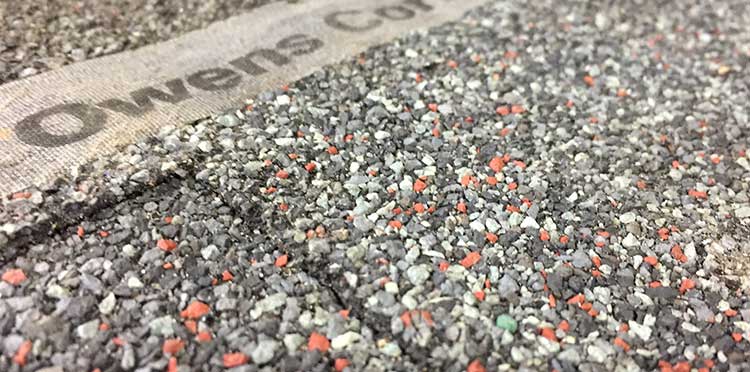
Asphalt shingles remain the dominant choice for residential protection, covering more than 70% of all houses in North America. This type of roof shingle consists of a fiberglass mat saturated on both sides with hot asphalt, finished with a mineral granule coating on the top surface.
Here is a closeup view of an asphalt roof shingle and its protective granules.
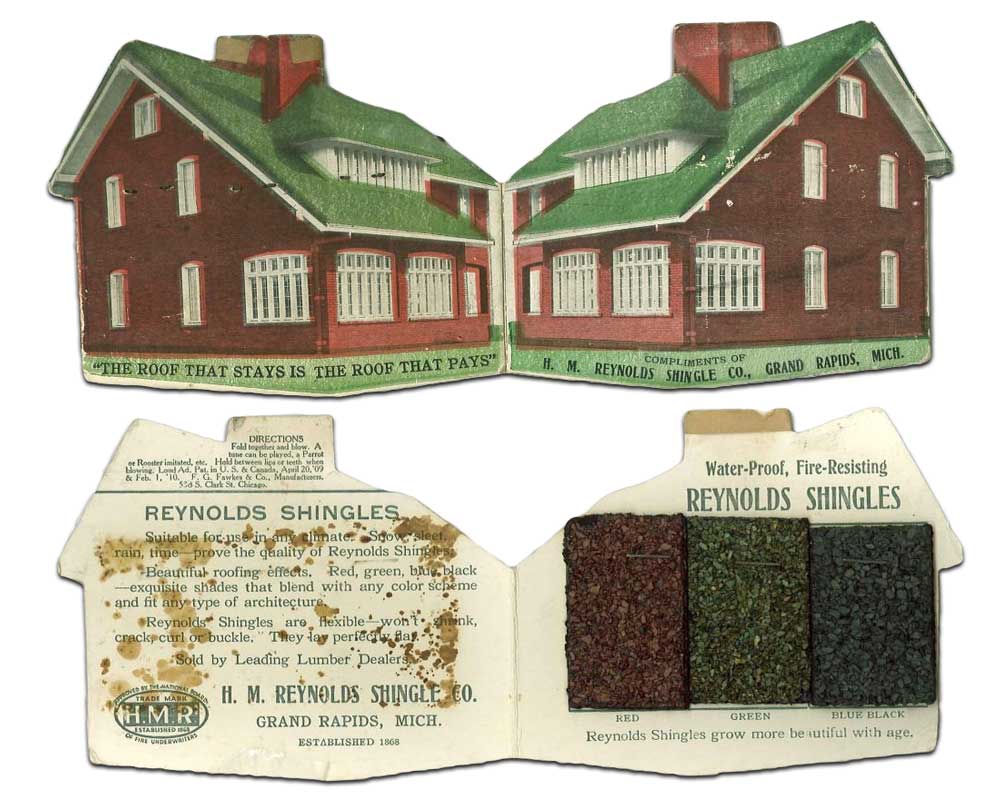
Asphalt shingles have a long history, originally invented in 1901 by the H.M. Reynolds Shingle Co. in Grand Rapids, Michigan. Before this innovation, builders used “asphalt prepared roofing,” which was essentially a rolled material without the protective mineral granules we use today.
While modern shingles use fiberglass mats, older “organic” shingles utilized felt mats made from wood fibers or recycled paper. We have seen these organic options phased out because they lacked the lifespan and fire resistance required for 2026 building codes. Today, we typically use asphalt roll roofing specifically for low-pitch residential roofs or commercial outbuildings.
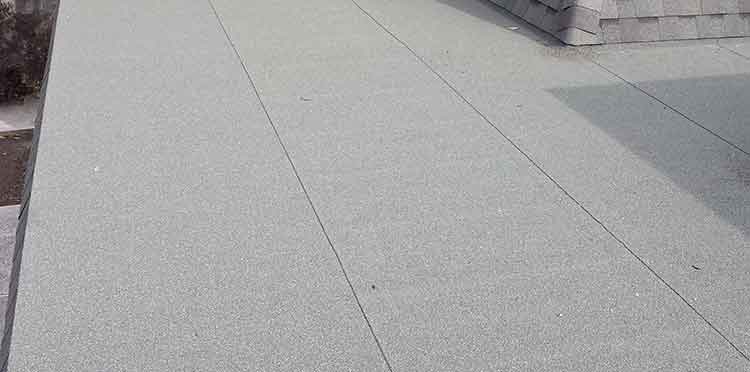
Cool Roof Shingles
Cool roof shingles are an essential technology in 2026 for combatting rising utility costs. These shingles are engineered with highly reflective granules that actively bounce solar radiation away from your home rather than absorbing it.
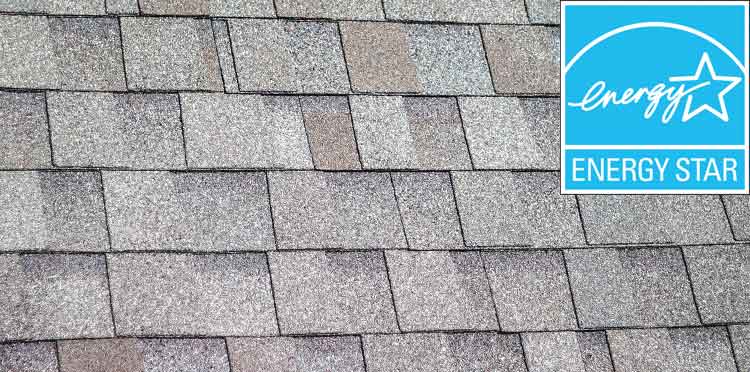
By choosing Energy Star rated “cool” shingles, we can help you reduce air conditioner usage and significantly lower your monthly energy bills. These materials are designed to keep the roof surface much cooler than traditional asphalt, which also extends the life of the roof by reducing thermal expansion and contraction.
Cedar Roof Shingles
Cedar roof shingles offer a high-end, organic aesthetic that is often found on luxury residential properties. These are available as smooth, machine-sawn “wood shingles” or the more rugged, hand-split “wood shakes.”
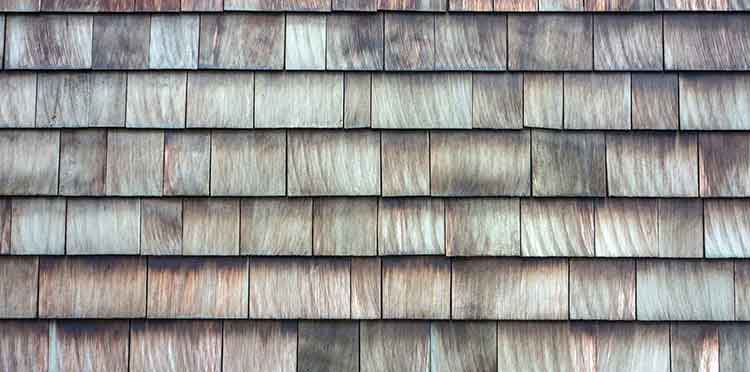
We find that homes with cedar roofing typically command a higher market value due to the material’s natural beauty and insulation properties. Beyond full roof installations, we frequently use cedar shingles as elegant siding accents for dormers and gables.
Clay Roof Tiles
Clay roof tiles, often referred to as architectural terracotta, are among the most durable materials we can install. These tiles are considered a premier “cool roofing” option because of their natural ability to ventilate and resist heat.
What is Terracotta?
The word terracotta literally translates to “baked earth.” Terracotta is a hard-fired clay. It is 100% natural, extracted from the earth, mixed with water, shaped, and then baked at extremely high temperatures to create a permanent, stone-like material.
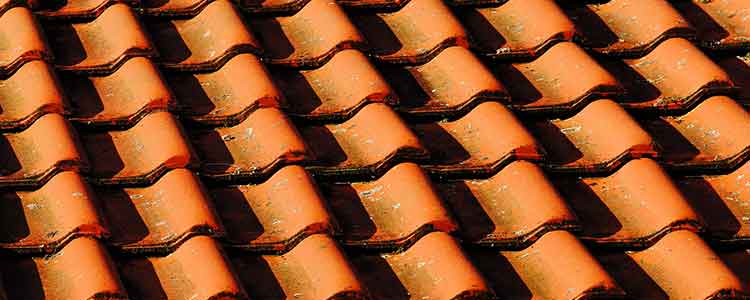
While many terracotta tiles feature the classic earthy orange-brown hue, we can also provide custom-colored and textured tiles. Modern clay tiles can be manufactured to simulate the appearance of wood shakes or slate, offering incredible versatility in design. The highest-quality handmade clay tiles are known to last for well over a century.
Concrete Roof Tiles
Concrete roof tiles are a robust alternative to clay. We manufacture these by mixing Portland cement, sand, and water, then pressing the mixture into molds to create various shapes, such as the popular barrel profile.
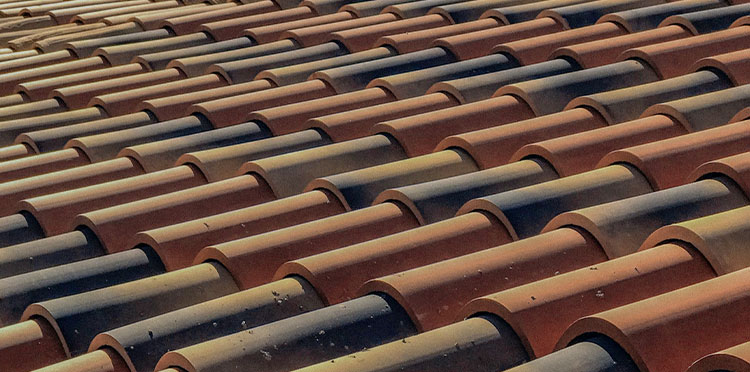
Concrete tiles are incredibly resilient against wind, hail, and fire. However, if you are comparing concrete vs. clay, it is important to note that clay generally maintains its color longer and has a longer total lifespan. Additionally, because concrete tiles are heavy, we must ensure your roof structure is engineered to handle the significant weight load.
Metal Roof Shingles
Metal roofing technology has evolved far beyond basic flat panels. Today, we can install metal roof shingles that replicate almost any traditional style, including wood shakes, slate, and even stone-coated terracotta.
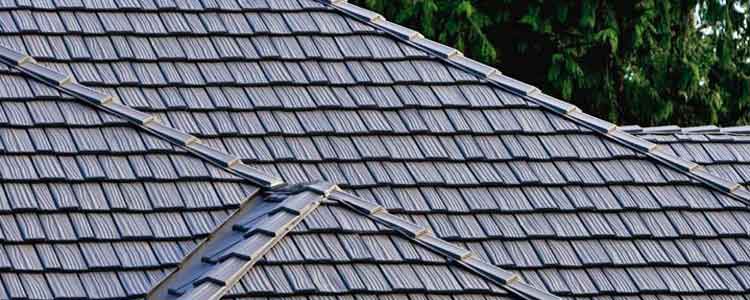
Metal shingles are an excellent choice for 2026 because they are fireproof, highly wind-resistant, and perform exceptionally well during severe hail storms. Their interlocking design provides superior structural strength and high energy efficiency.
Composite Roof Shingles
Composite shingles are high-performance synthetic alternatives. We use these to provide the exact look of wood shake, slate, or clay tile without the maintenance or weight requirements of natural materials.
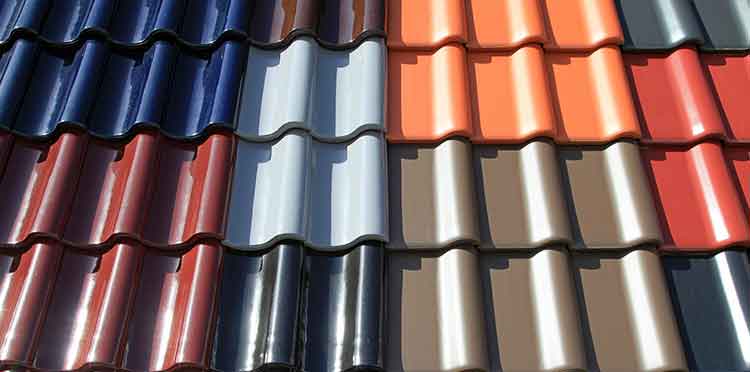
These shingles are engineered from advanced polymer resins, fibers, and dyes. This creates a durable product that holds its color for decades and offers a more budget-friendly way to achieve a luxury aesthetic.
Rubber Roof Shingles
If you are looking for a sustainable roofing solution, rubber shingles are a fantastic option. These are primarily manufactured from recycled tires, keeping waste out of landfills while providing a “nearly hail-proof” surface.
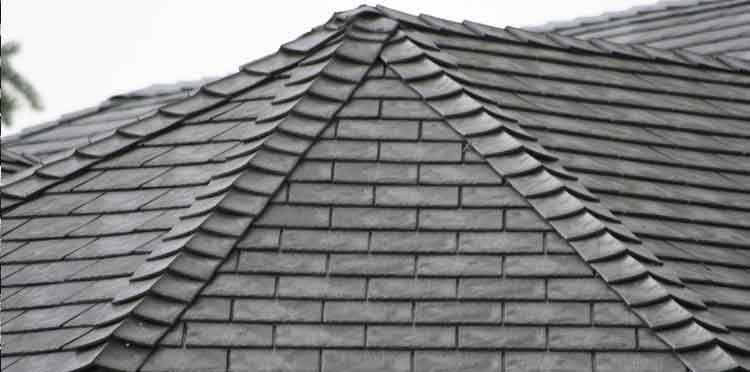
Rubber roof shingles are designed to withstand hailstones 2 inches and larger. They offer excellent impact resistance and are available in styles that mimic slate or wood shakes, making them both practical and attractive.
Copper Roof Shingles
Copper remains the most elegant metal roofing option available. While we frequently use it for accents like bay windows, turrets, and gutters, full copper shingle systems provide an unparalleled level of luxury and longevity.
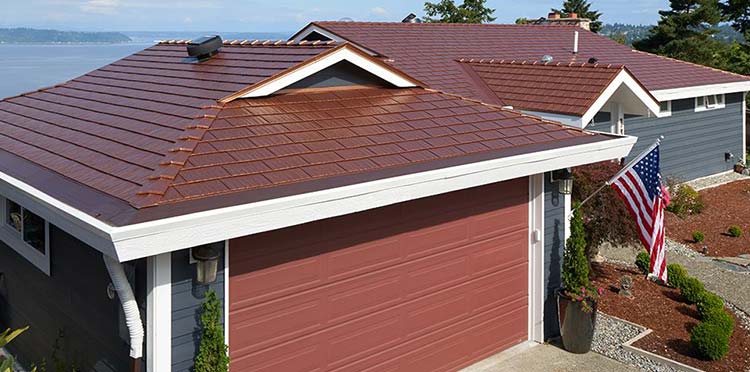
Copper shingles naturally patina over time, shifting from a bright metallic to a deep bronze and eventually a classic green hue. Manufacturers offer these in various designs, including diamond panels and scalloped shapes, for a truly custom architectural finish.
Share This Guide and Connect With Us
If you found this 2026 guide to roof shingles helpful, please share it with your friends and family on social media. Helping others understand their roofing options allows them to make more informed decisions for their own homes.
You can also explore what our clients have to say by viewing our latest customer reviews and testimonials.
If you are located in or around Tulsa, Oklahoma and require professional roofing services, we are here to help. Give us a call at (918) 250-7663 or contact us here to schedule a consultation with our expert team.