

Severe thunderstorms are among the most common and damaging natural disasters in the United States. These storms often bring destructive hail that accounts for more than half of all annual reported insured losses since 1985.
Note: This post was originally published in November 2023 and has been fully updated in 2026.
While 2016 and 2019 historically showed the most severe hail behavior, recent patterns in 2024 and 2025 have reinforced that Oklahoma remains at the center of high-velocity impact zones. For any property, the most exposed target is the one facing directly upward: the roof.
Roofs are significant investments. They are subject to relentless wear and tear from our state’s increasingly volatile weather systems. We have compiled the following 21 statistics to help you understand the current state of roof hail damage in Oklahoma as of 2026.
Oklahoma Hail Statistics
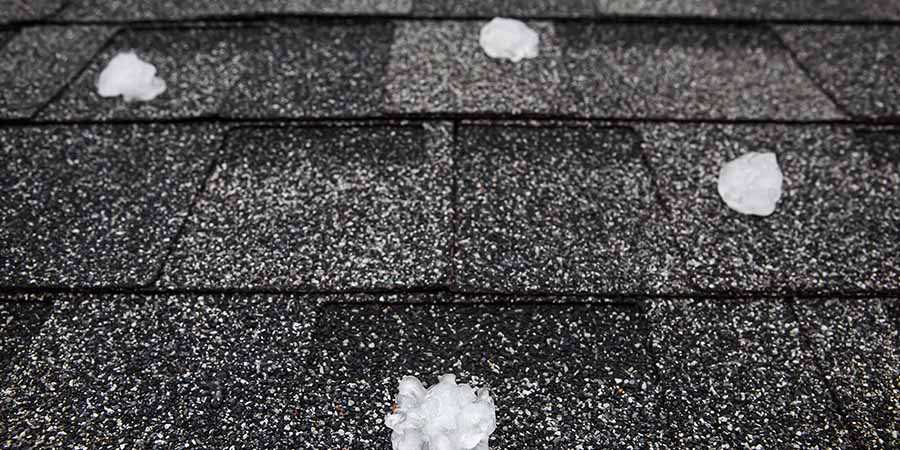
- Replacement timelines are extended. Based on permit data for the top 10 states for hail damage, the average completion time for a roof replacement ranges from 2 to 5 months. While Colorado leads with a 2-month average, Oklahoma property owners often face wait times upwards of 5 months due to high demand and labor shortages in 2026.
- “Hail Alley” is expanding. The geographic spread of severe events has grown beyond the traditional Midwestern wedge. Risk zones now extend from central Alberta down through Colorado, Wyoming, Nebraska, the Dakotas, and into the heart of Oklahoma and Texas.
- Peak storm season remains consistent. In Tulsa, the highest hail occurrence months are April and May. Historical data shows monthly chances of 64% in April and 57% in May, making this the “danger zone” for your property.
- Class 4 shingles offer superior protection. To earn a Class 4 impact rating, a shingle must survive a 2-inch steel ball dropped from 20 feet. This force is strong enough to crack a 4-inch concrete paver in half, proving that high-quality materials are essential in 2026.
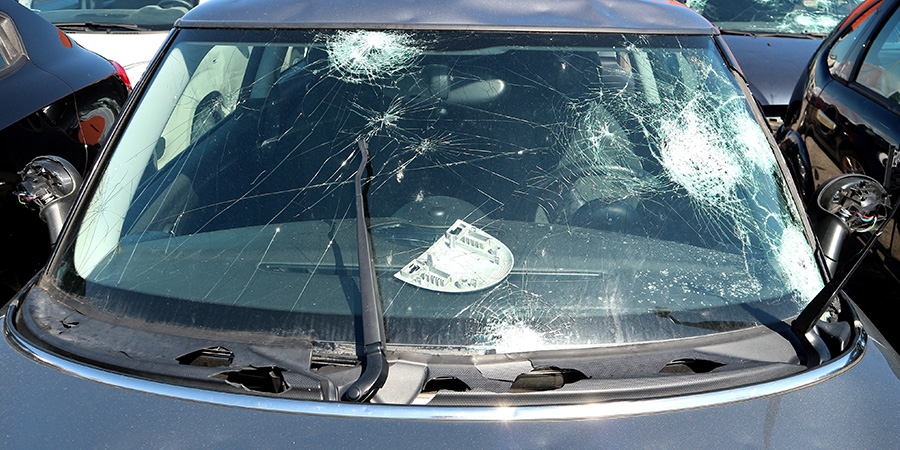
- Hail damage goes beyond the roof. Property damage from severe weather frequently impacts cars, windows, outdoor furniture, playground equipment, and siding. We recommend a full exterior inspection after any significant storm.
- Costs are skyrocketing. Over a decade ago, Oklahoma’s costliest hail storm hit the $1 billion mark. By 2026, inflation and rising material costs have made billion-dollar storm seasons the new norm for our state.
- Millions of properties are at risk. In a typical year, over 6.8 million properties in the U.S. are affected by damaging hail. Oklahoma consistently ranks in the top 10 nationally for the total number of properties impacted.
- Storm frequency is high. Oklahoma documented 214 significant hail storms in 2022. This high frequency means your roof is likely being “bruised” multiple times per year, even if a total failure hasn’t occurred yet.
- Per capita losses are staggering. Oklahoma ranks No. 3 in the nation for expected hail damage losses per capita. We face a financial burden of roughly $21.46 to $25.00 per person in building and population losses every year.
- Radar detection is constant. Doppler Radar has detected hail near Oklahoma City on hundreds of occasions. In 2022 alone, there were 15 major radar-detected hail events in the metro area, a trend that has remained aggressive through 2026.
- Events are trending upward. Documentation from 2023 showed an increase in hail events, with 269 documented storms statewide. This trend highlights the volatility of our local climate.
- Residential losses are immense. A single storm month in April can result in over $350 million in residential losses. By 2026, we are seeing these figures climb as home values and reconstruction costs increase.
- Nature feels the impact. Extreme hail is powerful enough to cause mass wildlife casualties. In July 2023, hundreds of birds were killed in a single storm, illustrating the lethal force of these falling ice stones.
- Major dates define our history. April 19, 2023, remains one of the top hail dates for Oklahoma City, ranking 7th out of 244 recorded events for intensity and coverage.
- Insurance deadlines are strict. Most homeowners insurance policies contain deadlines that limit how long you have to file a claim. If you wait too long after a storm, you may be stuck paying 100% of the repair costs out of pocket.
- Massive impact in a single day. On April 19, 2023, approximately 480,000 structures were hit by hail in just 24 hours. This creates a massive backlog for reputable roofing contractors.
- State Farm payouts are record-breaking. State Farm Insurance has paid out over $126 million for hail claims in Oklahoma in a single cycle. We have seen these figures stay high as weather patterns become more unpredictable.
- National insurance costs are rising. State Farm’s nationwide payouts increased by $1.0 billion in a single year. These rising costs are why Oklahomans are seeing sharp increases in their annual premiums in 2026.
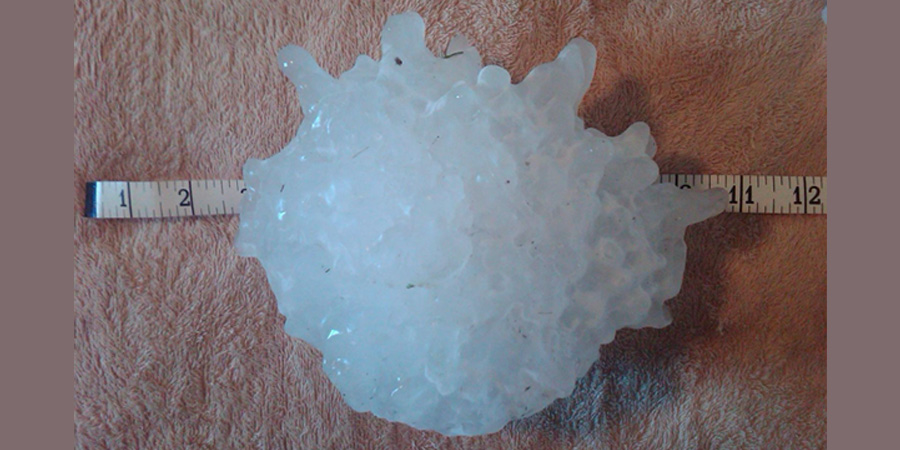
- Record-breaking hail is massive. The largest hailstone in Oklahoma history was recovered near Gotebo. It measured 6 inches in diameter: roughly the size of a cantaloupe.
- Back-to-back storms are a reality. In May 2010, Oklahoma City was hit by two billion-dollar storms separated by less than a week. We have seen similar clusters of activity in recent years, proving that lightning and hail often strike twice.
- Automotive damage is a major factor. Oklahoma ranks 3rd in the nation for automotive hail claim frequency. This highlights that hail isn’t just a threat to your home, but to every major asset you own.
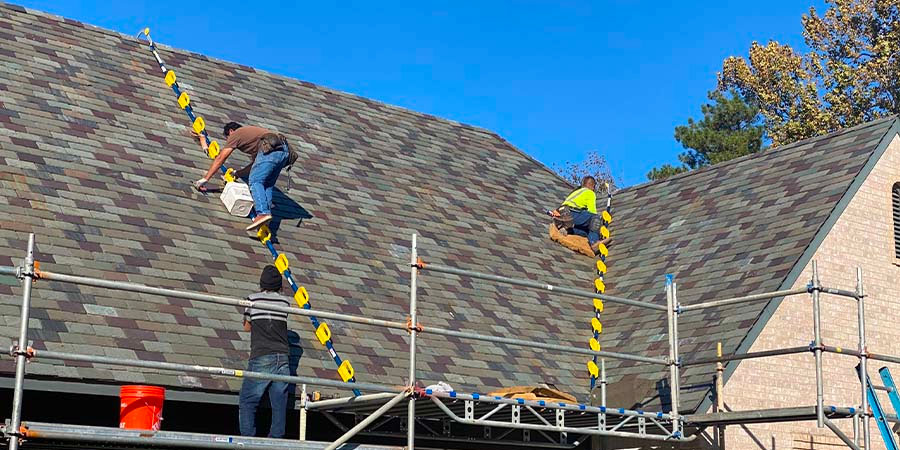

We invite you to learn more about this critical topic with our updated 2026 Oklahoma hail damage statistics infographic. This visual guide breaks down the most recent storm patterns and financial impacts across the state.
You can view the full infographic style report here to see how these statistics affect your property value and insurance planning.
Industry References & Storm Data
Our research and statistics are compiled from leading meteorological and insurance industry authorities. We utilize these data points to provide the most accurate assessment of roofing risks in Oklahoma for 2026.
Verisk: Hail and Severe Thunderstorm Risk Analysis
NOAA: Annual Severe Weather Summary
State Farm: Hail Claim Cost Reports
WeatherSolve: Defining Hail Alley
MoneyGeek: Top States for Hail Damage Losses
KOCO News: Oklahoma Storm Impact Reports
National Weather Service: Record Hail Events
Owens Corning: Class 4 Impact-Resistant Technology
KFOR: Historical Oklahoma City Storm Tracking
KOSU: Environmental Impacts of Oklahoma Hail
Interactive Hail Maps: Oklahoma City Historical Data
Reliable Oklahoma Roof Maintenance & Repair
We are here to help you navigate the aftermath of Oklahoma’s severe weather. Our team services all of northeast Oklahoma, providing expert inspections and durable roofing solutions to the following communities:
Tulsa, Bartlesville, Bixby, Broken Arrow, Jenks, Catoosa, Coweta, Claremore, Collinsville, Glenpool, Grand Lake, Inola, Mounds, Muskogee, Oologah, Owasso, Pryor, Skiatook, Sand Springs, Sapulpa, Tahlequah, and Wagoner.
We provide comprehensive residential roofing services in Tulsa and throughout the surrounding region. You can view our craftsmanship in action by browsing our gallery of Oklahoma roofing projects.
If you require professional roofing in Tulsa or any Oklahoma community, we are ready to assist. Please give us a call at (918) 250-7663 or contact us here to schedule your 2026 roof assessment.