
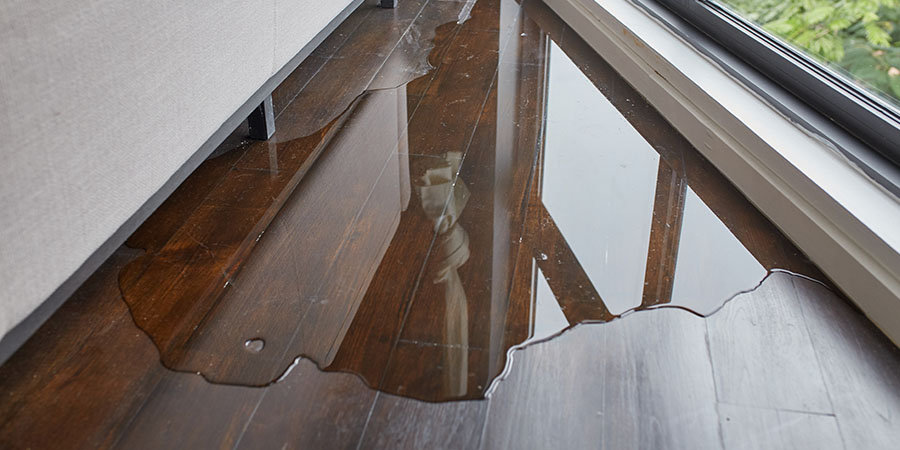
Heavy downpours often act as a high-pressure stress test for your home. These storms frequently expose structural damage, causing water penetration that remains hidden during lighter showers.
Exposed roof leaks are a significant concern for homeowners, especially around roof vents and flat roofs. When the rain intensifies, small vulnerabilities quickly turn into major liabilities.
Note: This post was originally published in November 2023 and has been fully updated in 2026.
This discussion covers the primary causes of these leaks, how heavy rains reveal their existence, and the most efficient ways to fix them before they compromise your home.
Critical Factors Contributing to Hidden Roof Leaks
Hidden roof leaks are usually the result of underlying issues that compromise the durability of your roofing system. While your roof might look solid from the curb, several factors can create silent pathways for water to enter your attic.
Key Takeaways: Common Causes of Hidden Leaks
- Aged Materials: Natural wear and tear from UV rays and Oklahoma weather.
- Installation Errors: Poor craftsmanship that fails under pressure.
- Storm Impact: Wind and debris damage that isn’t immediately visible.
- Drainage Failure: Clogged gutters forcing water back under the shingles.
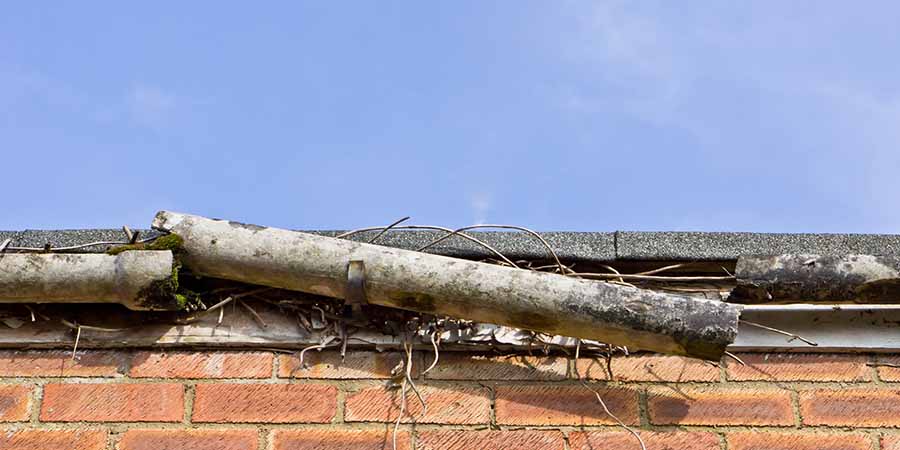
Degrading and Aging Roofing Materials
Roofing materials like shingles, tiles, and metal panels are constantly battling the elements. Over time, consistent exposure to temperature swings and UV rays causes these materials to lose their flexibility and protective granules.
During a 2026 rainstorm, aged materials are prone to cracking and breakdown. These microscopic gaps create perfect openings for water to seep in, often going unnoticed until the interior damage is extensive.
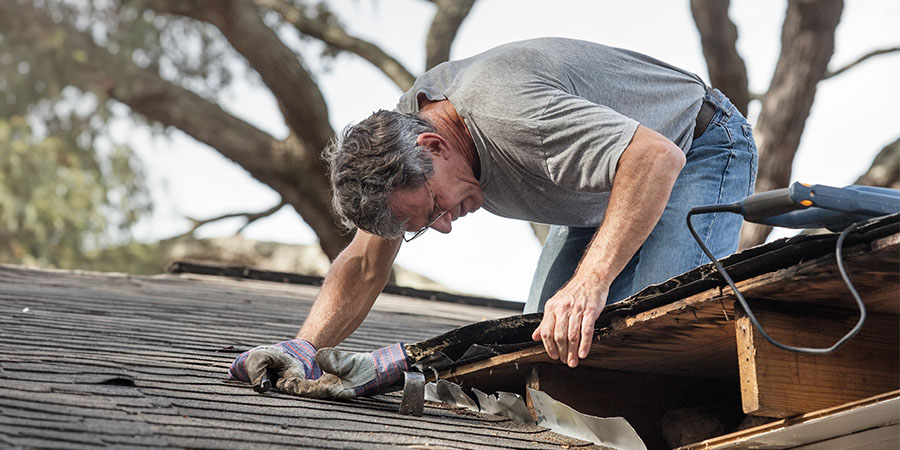
The Risk of Poor Professional Installation
Your choice of contractor is the most significant factor in determining how long your roof lasts. We have seen time and again how improper installation makes a structure incapable of withstanding heavy downpours.
Concealed leaks often arise from insufficient sealing, malfunctioning flashings, or ineffective waterproofing layers. Unfortunately, lowball roofing contractors often cut corners, leaving a trail of destruction that only reveals itself during a storm.
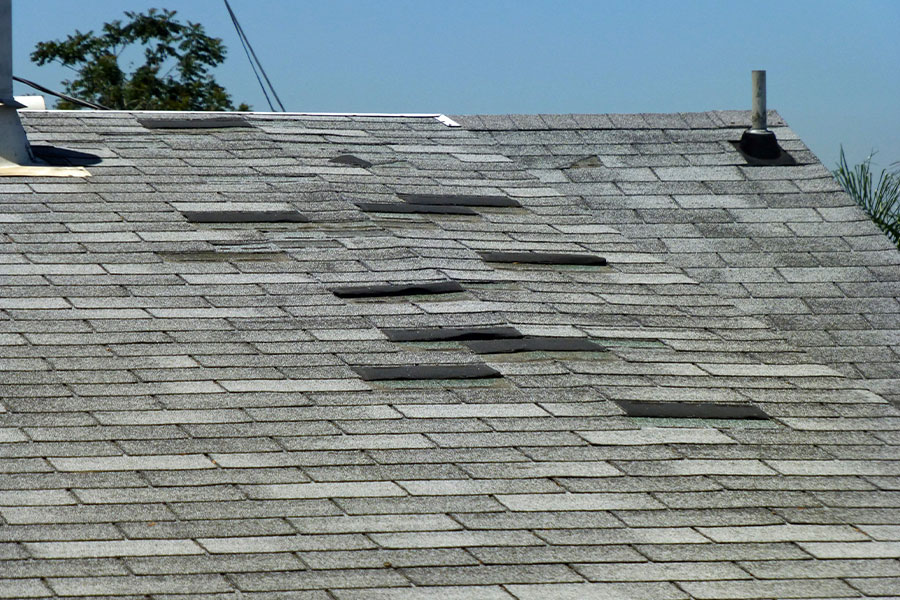
Latent Damage from Wind or Storm Debris
Severe weather events are common causes of roof damage in our region. While some signs of a storm are obvious, others are subtle and dangerous if left unaddressed.
When your roof is exposed to strong winds or falling branches, the physical damage might not be visible from the ground. When the next heavy rain hits, water finds these compromised areas, leading to what we call “hidden leaks.”
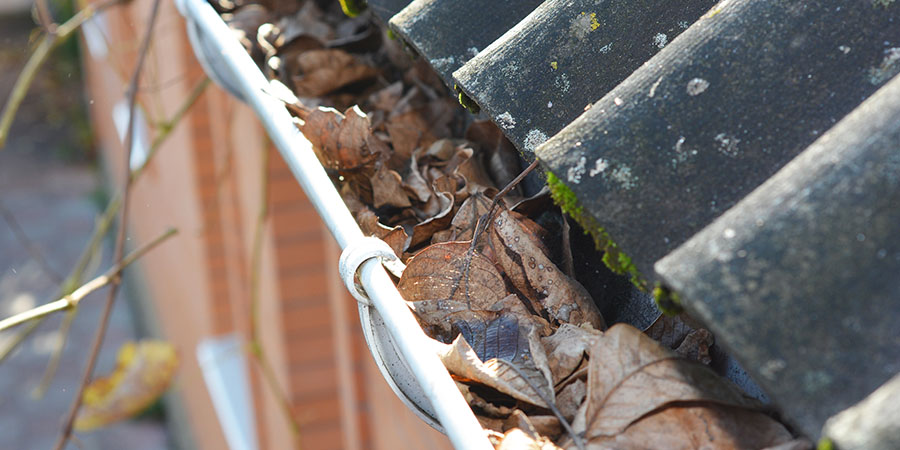
Clogged Gutters and Blocked Downspouts
Your gutter system is designed to move water away from your foundation. However, when neglected gutters fill with debris, the water has nowhere to go but up.
This backed-up water often sits against the fascia or crawls under the first few rows of shingles. Over time, this moisture finds its way into the walls and becomes a persistent source of unseen leakage.
How Heavy Rain Causes Roof Vent Leaks
Roof vents are essential components of your attic ventilation system, but they are also frequent pathways for water during intense showers. We often find that homeowners overlook these small openings until a major storm strikes.
At times, rainwater gets into roof vents directly when wind speeds increase. Heavy rains accompanied by strong winds can force water into vent openings or infiltrate the gaps around poorly sealed units.
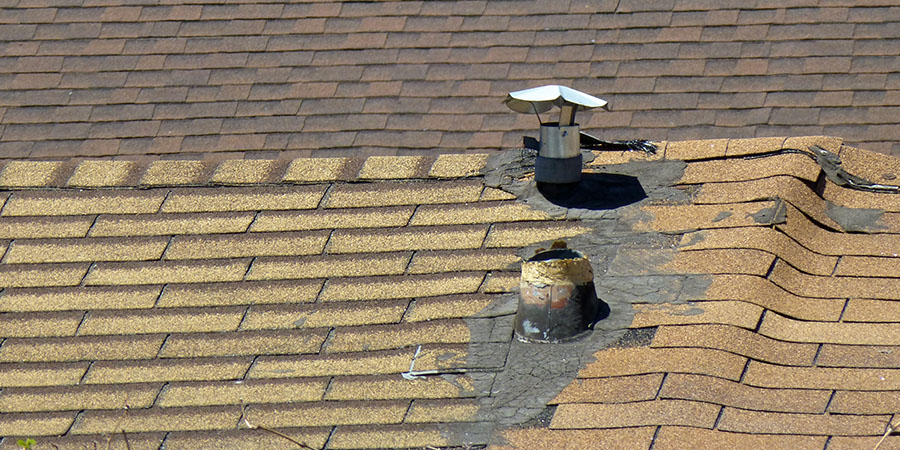
Water penetration in these areas is often due to insufficient flashing or failing vent seals. These seals are the primary defense against the elements, and in 2026, we see many older homes with seals that have dried out and cracked.
Common signs of a vent leak include water stains on ceilings and walls, active dripping, or damp surfaces located near the vent area. We recommend regular inspections and quick fixes to preserve the structural strength of your roof and prevent mold growth in the attic.
Key Takeaways: Identifying Vent Issues
- Visual Inspection: Look for cracked or brittle plastic around vent bases.
- Flashing Integrity: Ensure the metal or rubber boots around pipes are not lifting.
- Interior Signs: Check your attic floor for wet spots directly beneath the roof penetration.
Should Your Roof Vent Pipe Be Covered?
There is often professional disagreement regarding the necessity of covering roof vent pipes. While most vent pipes (plumbing stacks) are designed to be open, adding a cover can provide specific benefits for certain homes.
Vent pipe covers are a great assistance in preventing debris, birds, and moisture from getting inside the system. However, they are not without their drawbacks, as improper covers can restrict the airflow necessary for your plumbing to drain correctly.
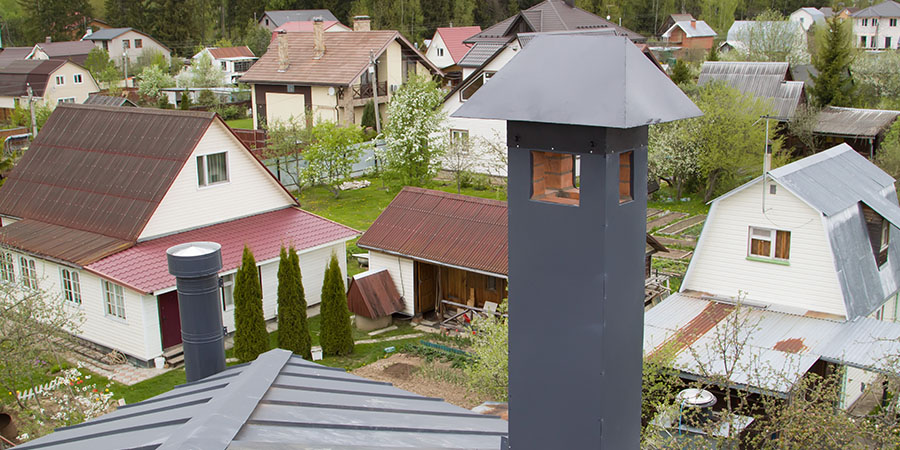
It is necessary to seek advice from a qualified and experienced roofing company to know what suits your specific roof best. Our team assesses your roof design and the local climate to determine if your home needs more ventilation or more protection.
If necessary, we suggest suitable vent pipe covers that ensure adequate ventilation while shielding the interior of your home from moisture and debris.
The Critical Role of Heavy Rainfall in Identifying Hidden Leaks
We often view heavy storms as a threat, but they also serve as a vital diagnostic tool for your home. Heavy rains act as a revelation mechanism, exposing existing leaks that stay dry during a normal light shower.
When the weather intensifies in 2026, we see three specific ways that high-volume precipitation brings hidden issues to the surface:
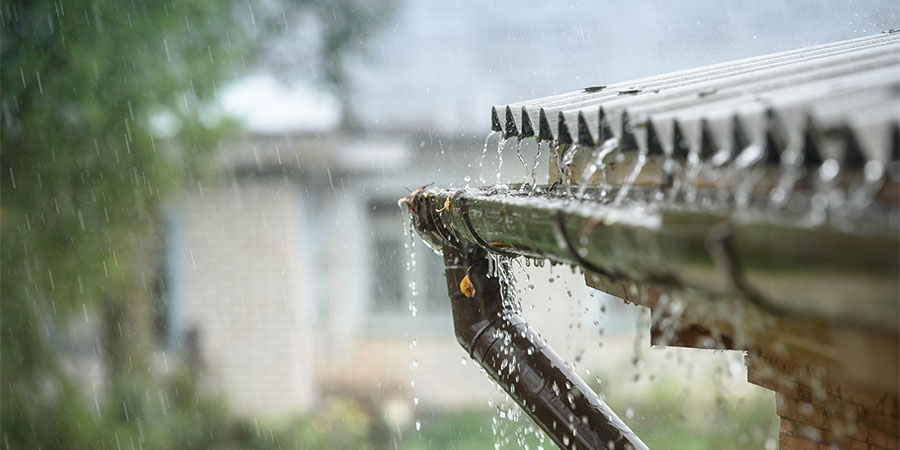
Increased Water Volume and Hydraulic Pressure
The amount of water running off your roof increases notably during a torrential downpour. This massive volume puts immense stress on already weakened areas of the structure.
The sheer weight and movement of the water can push through tiny gaps, hairline cracks, or eroded points that would otherwise repel a light mist. This pressure provides clear evidence of leaks that were previously hidden behind your shingles or siding.

Extended Duration and Material Saturation
Oklahoma lightning storms usually last much longer than an ordinary afternoon drizzle. This means your roof remains saturated for an extended duration, allowing moisture to soak through layers that usually stay dry.
Extended exposure forces water deeper into the roofing materials. Once the outer layer is compromised, the water eventually finds a path to your decking and insulation, making it much easier to spot the formation of a leak from inside the attic.
Overwhelming Your Home’s Drainage Systems
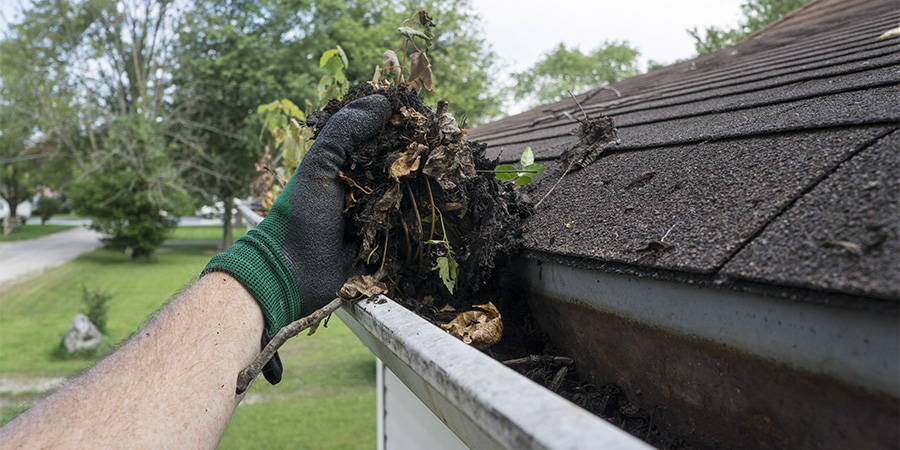
When we experience record-breaking rainfall, standard drainage systems like gutters and downspouts often fail to cope. If these systems are dysfunctional due to clogs or insufficient servicing, they quickly become a liability.
Excessive water will overflow and pool at the roofline. This standing water is likely to penetrate unseen portions of the roof, such as the fascia or the roof deck, which aggravates old leaks and creates entirely new ones.
Key Takeaways: Why Storms Reveal Leaks
- Hydrostatic Pressure: Large volumes of water “search” for entry points.
- Saturation: Long storms bypass the water-shedding capabilities of old shingles.
- Backup: Overflowing gutters force water into areas not designed for submersion.
Steps to Mitigate and Repair Hidden Roof Leaks
Identifying and addressing hidden roof leaks promptly is crucial to prevent further damage to your roof and the interior of your home. We recommend taking a proactive approach to ensure small moisture issues don’t become structural disasters.
Here are the steps we take to effectively mitigate and repair hidden leaks:
Conduct Regular Roof Inspections
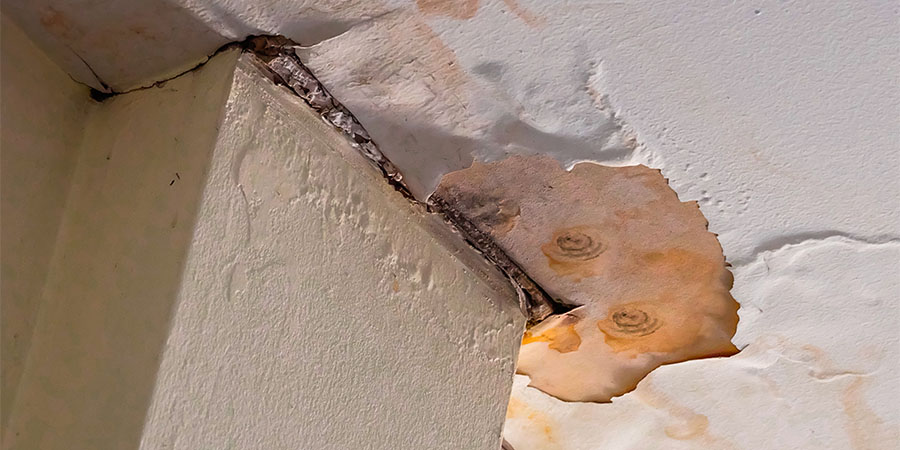
Routine inspections are your first line of defense. We suggest looking for signs of water stains, mold growth, or soft spots on the ceiling, as these are clear indicators of hidden roof leaks. In 2026, we also utilize moisture meters to find dampness behind drywall that the naked eye might miss.
Additionally, you should inspect the roof from the outside. Look for missing or damaged shingles, cracked flashing, or other signs of wear and tear that suggest your home’s “envelope” has been breached.
Prioritize Professional Roof Repair
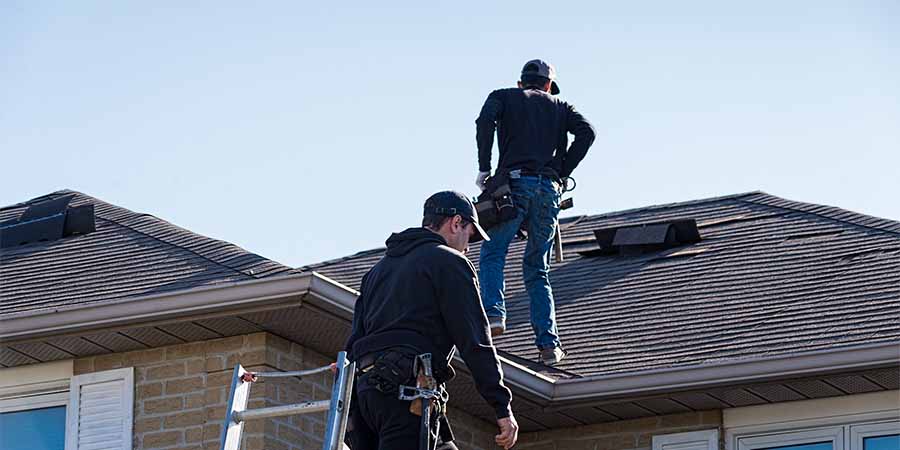
Timely repairs are critical when roof leaks are exposed during heavy rain. Ignoring or delaying these fixes can lead to severe structural issues and hazardous mold growth. In Tulsa, where severe weather events are a regular occurrence, prompt roof repair is of utmost importance.
Local roofing contractors possess the specialized knowledge to effectively address roof leaks caused by heavy rainfall. We understand the unique challenges posed by Tulsa’s weather conditions and ensure your roof remains resilient against the next storm.
When hiring a contractor, we always recommend researching their reputation, seeking local referrals, and verifying their 2026 credentials and insurance coverage.
Improve Your Roof Maintenance Routine
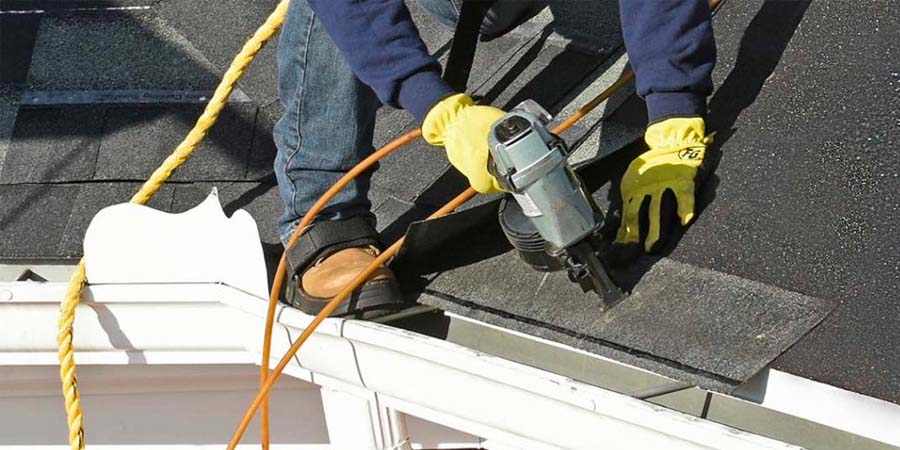
Consistent maintenance is the best way to prevent hidden leaks from forming in the first place. This includes clearing debris from gutters and downspouts, trimming overhanging tree branches that can scrape shingles, and sealing potential entry points around chimney stacks.
Proper maintenance ensures that your roof remains in optimal condition and can withstand heavy rainfall without compromising its integrity. A well-maintained roof in 2026 typically lasts 20 to 30 percent longer than a neglected one.

Consider Advanced Waterproofing Solutions
Applying modern waterproof coatings or membranes to your roof can provide an invaluable additional layer of protection. These materials are specifically designed to seal hairline cracks and gaps that shingles alone might not cover.
Waterproofing enhances your roof’s ability to repel water and prevents hidden leaks from developing during those long, saturated Oklahoma rain cycles. For flat or low-slope sections of your home, this is often the most effective way to ensure a leak-free interior.
Key Takeaways: Mitigation Checklist
- Inspect: Check your attic and roofline twice a year.
- Repair: Address small leaks immediately to save thousands in restoration.
- Maintain: Keep gutters clear to prevent water backup.
- Protect: Use waterproofing membranes on vulnerable areas like valleys and vents.
Conclusion: Protect Your Home Before the Next Storm
No homeowner is exempt from natural disasters. What truly matters is how prepared you are when severe weather arrives. In Oklahoma, heavy rainfall is not a matter of “if,” but “when.”
Many hidden roof leaks only become exposed during these intense downpours. By understanding what causes these vulnerabilities and how heavy rains reveal them, you can take the necessary measures to protect your property and extend the lifespan of your roof.
To prevent and manage hidden leaks in 2026, we recommend a proactive strategy:
- Regular Inspections: Catch small issues before they become catastrophes.
- Professional Repairs: Ensure all fixes meet modern structural standards.
- Consistent Maintenance: Keep your drainage systems flowing freely.
- Waterproofing: Add an extra layer of defense to high-risk areas.
Acting early will help protect your house from the significant damage that heavy rains can cause. We are here to ensure you have a dry, safe place to live for many years to come.
Need Help With Expert Roof Maintenance?
Pro-Tech Roofing services all of northeast Oklahoma. We are proud to support homeowners in our local communities, including Tulsa, Bartlesville, Bixby, Broken Arrow, Jenks, Catoosa, Coweta, Claremore, Collinsville, Glenpool, Grand Lake, Inola, Mounds, Muskogee, Oologah, Owasso, Pryor, Skiatook, Sand Springs, Sapulpa, Tahlequah and Wagoner.
We provide comprehensive residential roofing services in Tulsa and throughout the surrounding region. You can see our commitment to quality by viewing our gallery of Oklahoma roofing projects.
If you need expert roofing in Tulsa or any Oklahoma community, reach out to us today. Give our team a call at (918) 250-7663 or contact us here to schedule your 2026 inspection.