
Is your TPO roof nearing its 15-year mark? If so, you might already be noticing cracks, seam failures, or even water pooling after rain. These are clear signs of aging that can lead to costly repairs if left unchecked. The good news: a fleece-backed overlay can extend your roof’s lifespan by 20 to 30 years without the hassle or expense of a full replacement.
This solution involves applying a durable, reinforced TPO vs. EPDM membrane over your existing roof, creating a seamless, weather-resistant layer. It’s cost-effective, reduces waste, and minimizes disruption to your building’s operations. Plus, it offers added protection against hail, foot traffic, and extreme weather, all while improving energy efficiency.
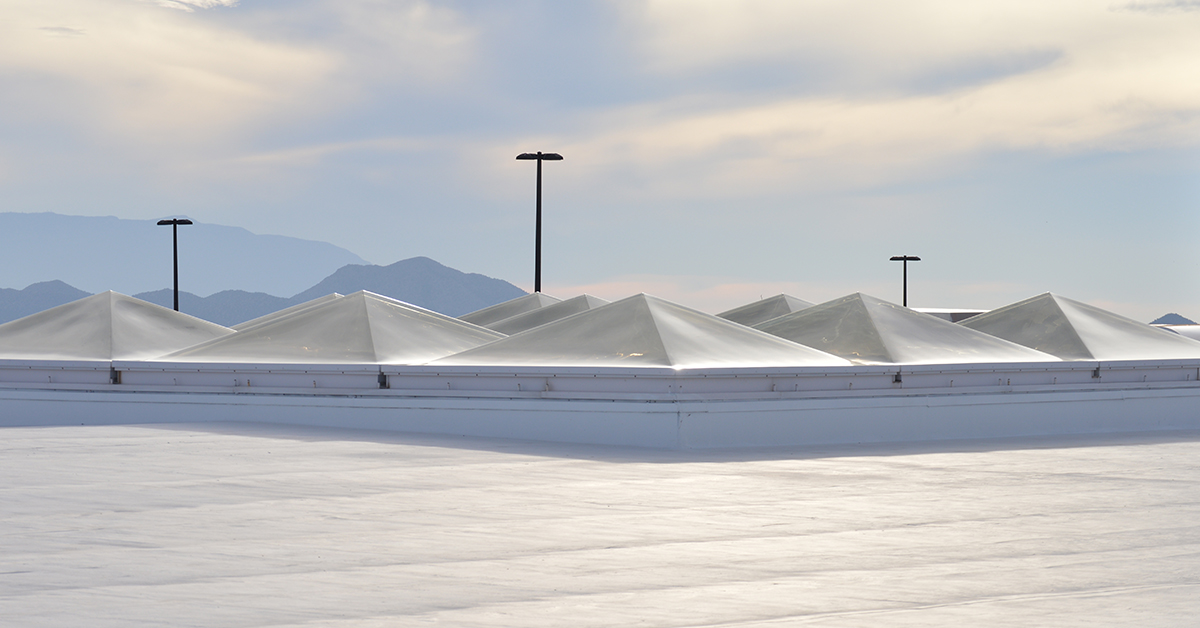
If you’re seeing signs of wear, like chalking, cracks, or lingering water, it’s time to act. Schedule a professional inspection to determine if a fleece-backed overlay is the right choice for your roof. Don’t wait until small problems turn into major expenses.
How to Inspect Your Roof for TPO Problems
Self-Inspection Steps and When to Call Pro-Tech Roofing
Performing a detailed self-inspection of your TPO roof can help identify potential problems early, but it’s always a good idea to pair this with professional evaluations. This approach ensures you’re making informed decisions – like whether a fleece-backed overlay might be necessary. Choose a dry, clear day for your inspection, wear soft-soled shoes to avoid damaging the roof, and never inspect alone for safety reasons. Walk systematically in a grid pattern to cover every section.
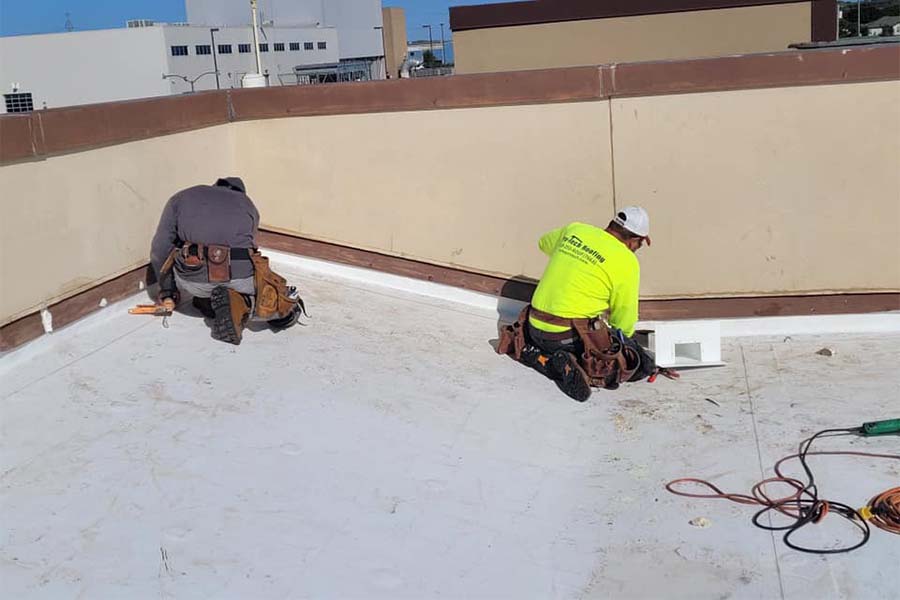
Start with the “glove test”: run your hand across the TPO membrane. If you notice a white, powdery residue on your glove, this chalking is a sign of UV degradation. Next, gently flex a small section of the membrane. A healthy TPO roof should remain flexible. If you hear crackling or feel stiffness, the material may have lost its elasticity and could be nearing the end of its lifespan. Look for visible signs of damage, such as punctures, tears, or abrasions, and check for ripples or “tenting” that indicate fasteners are backing out.
While these steps can reveal a lot, some issues aren’t visible to the naked eye. That’s where professional inspections come in. Pro-Tech Roofing uses specialized tools, like seam probes and moisture sensors, to detect hidden voids and trapped water beneath the surface. Scheduling inspections twice a year – once in the spring and again in the fall – or after major storms or HVAC service visits is a smart way to stay ahead of problems. If you spot seam voids, severe chalking, soft spots, or ongoing leaks, reach out to Pro-Tech Roofing at 1107 N 105th E Ave, Tulsa, OK.
Once you’ve completed these basic checks, turn your attention to common failure points to identify areas where the roof might be most vulnerable.
Where TPO Roofs Typically Fail First
Knowing where TPO roofs are likely to fail can save you time and money. The most common trouble spots include seams, flashings, and drainage components. Let’s start with heat-welded seams, which are the weakest part of any TPO system. Use a blunt probe to test seam integrity. If the probe sinks or pops through, the seam has likely failed. Factors like poor initial welding, temperature changes, and aging contribute to this issue.
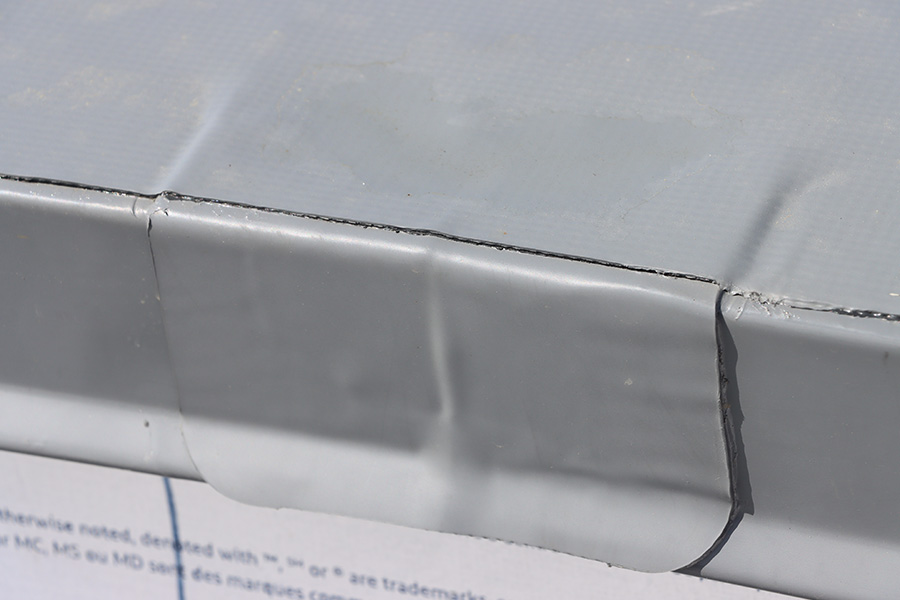
“Heat-welded seams represent the most vulnerable points in TPO roofing systems, requiring meticulous examination during every inspection.” – RST Roofing
Next, focus on flashings and penetrations. These areas, including spots around HVAC units, pipes, skylights, and where the roof meets walls, endure constant stress from expansion and contraction. Did you know that over 60% of flat-roof leaks originate from HVAC curbs, skylights, and drains? Look for separations, splits, or gaps in these areas that could allow water to seep in.
Perimeter edges are another frequent problem area. Issues like improper sealing or adhesion – such as gluing the membrane to metal instead of heat-welding or skipping flashing tape – can lead to early leaks and failure.
Finally, inspect drainage components, including drains, scuppers, and gutters. Clear away debris at least twice a year, especially after pollen season and leaf-fall, to prevent ponding water. Ponding occurs when water remains on the roof for more than 48 hours after rainfall, accelerating membrane wear and stressing nearby seams. Spotting and addressing these problems early can significantly extend the life of your roof, making it easier to consider solutions like a fleece-backed overlay.
sbb-itb-66ccccd
Fleece-Backed Overlays: A 20-Year Extension for Your Roof
How Fleece-Backed Overlays Work
Fleece-backed overlays involve applying a premium TPO membrane with a durable non-woven polyester backing directly to your existing roof. This is done using LRF adhesives or mechanical fasteners, creating a seamless bond without needing a separate cover board or slip sheet – steps typically required in standard membrane recovery systems.
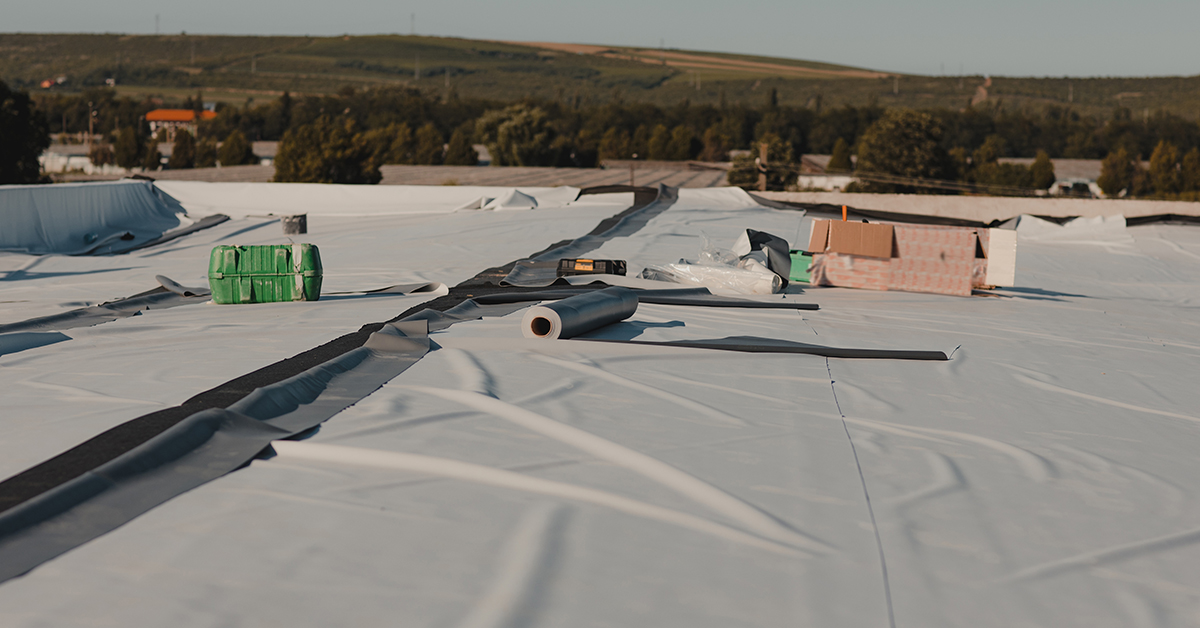
The fleece backing acts as a cushion and separator, while the overlay itself forms a highly reflective, UV-resistant layer that revitalizes aging roofs. Modern TPO formulations, especially those developed since 2015, are engineered to resist heat-induced cracking, making them more stable and reliable. The fleece fibers embedded in the membrane provide additional lateral strength, much like how rebar reinforces concrete. Seams are heat-welded, creating a watertight, continuous bond as strong as the membrane itself.
These membranes, which measure between 100–135 mils in thickness, include a 55-mil fleece liner that enhances impact resistance. This added durability can even achieve FM 4470 “Very Severe Hail” (Class 1) ratings. Qualified recovery systems using fleece-backed overlays may come with manufacturer guarantees of up to 20 years, and in some cases, premium systems offer coverage for 25 to 30 years.
“Add years to a roof’s life in a fraction of the time and expense of a full reroof, by recovering with GAF EverGuard® Fleece-back single-ply TPO.” – GAF
Before installation, certain conditions must be met. A moisture scan and adhesion test are essential to ensure the existing roof can support the new membrane. Additionally, the roof must have only one existing layer, with no significant moisture damage or saturated insulation. For proper adhesion, installation typically requires an ambient temperature of at least 40°F.
These technical strengths set fleece-backed overlays apart as a practical alternative to full roof replacement.
Why Overlays Beat Full Roof Replacement
Fleece-backed overlays offer a range of cost and efficiency benefits compared to full roof replacement. They typically cost just 33%–50% of a complete replacement. While the materials for fleece-backed membranes are more expensive than standard TPO, the overall installation cost is often comparable. This is because overlays save on labor and eliminate the need for additional materials like cover boards. Plus, avoiding tear-off and disposal means lower landfill fees and no need for entirely new insulation.

The streamlined installation process minimizes disruption. By skipping tear-off and insulation installation, overlays reduce noise, debris, and interruptions for building occupants. Since the original roof remains intact, businesses can continue operations without risking exposure to the elements.
Overlays also contribute to sustainability by preserving existing roof components, reducing waste, and using materials like fleece-backed TPO that are fully recyclable. The fleece backing provides an added R-value of approximately 0.5, improving energy efficiency. Additionally, most overlays come in reflective white or light colors, which help lower roof temperatures and reduce cooling costs.
For roofs with heavy foot traffic or frequent HVAC maintenance, consider specifying 60-mil to 80-mil base membranes for improved durability. To find out if a fleece-backed overlay is the right solution for your building, visit Pro-Tech Roofing at 1107 N 105th E Ave, Tulsa, OK.
Fleeceback TPO with LRF Adhesive Modified Bitumen Re-Roof | GAF Roofing
Why Choose Pro-Tech Roofing for Your Fleece-Backed Overlay
Better Protection and Lower Energy Bills
When it comes to durability, fleece-backed overlays installed by Pro-Tech Roofing stand out. They offer much better puncture resistance compared to standard TPO membranes. The fleece layer acts as a cushion, safeguarding your roof during HVAC maintenance or extreme weather events. Some of these systems even meet FM 4470 “Very Severe Hail” (Class 1) standards, which is crucial for handling Oklahoma’s unpredictable weather conditions.

Additionally, reflective white or light-colored membranes help reduce rooftop temperatures during Oklahoma’s scorching summers, which can lead to noticeable energy savings. The fleece lining adds roughly 0.5 R-value to your roof’s insulation, giving you an extra layer of efficiency. This combination of protection and energy efficiency ensures long-term value for your investment.
Cost Comparison: Overlay vs. Full Replacement
Here’s how a fleece-backed overlay stacks up against a full roof replacement:
| Feature | Fleece-Backed Overlay | Full Roof Replacement |
|---|---|---|
| Relative Cost | 33% to 50% of replacement cost | 100% of replacement cost |
| Lifespan Extension | 20 to 30 years | 20 to 30 years (new system) |
| Installation Disruption | Minimal; no major tear-off required | High; complete removal of old materials |
| Environmental Impact | Low; minimizes landfill waste | High; old roof materials sent to landfill |
| Puncture Resistance | High (100–135 mils with fleece reinforcement) | Standard (45–80 mils) |
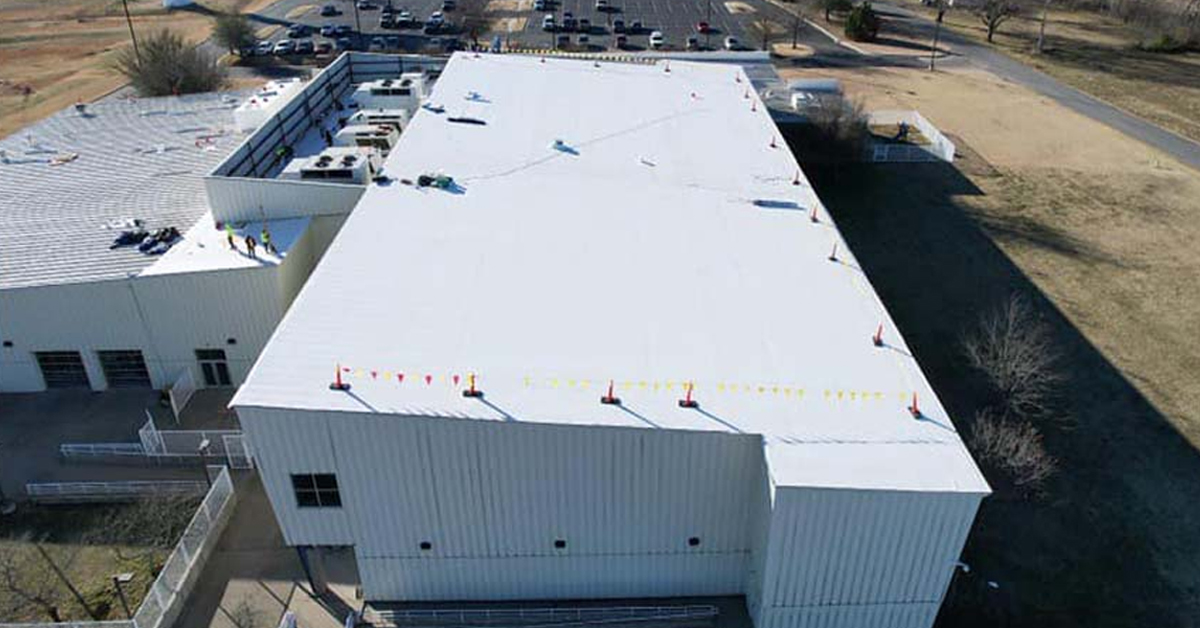 Choosing an overlay can save you money by cutting out tear-off labor, disposal fees, and the need for cover boards or slip sheets. While fleece-backed TPO materials are pricier than smooth TPO, the overall installation cost often balances out due to these savings. This blend of cost efficiency and performance makes Pro-Tech Roofing a reliable choice for your roofing needs.
Pro-Tech Roofing’s Experience and Certifications
Pro-Tech Roofing doesn’t just offer quality materials – they bring expertise to the table. They’re fully licensed in Oklahoma, holding Roofing License #80003685 with a Commercial Endorsement from the State of Oklahoma Construction Industries Board. This certification reflects their ability to handle even the most complex commercial roofing projects in the Tulsa area.
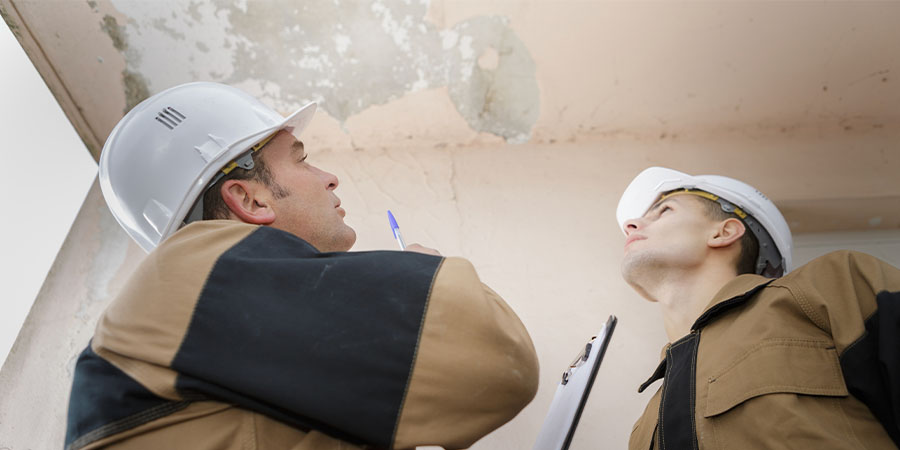
They also provide free professional inspections to determine if your building qualifies for a TPO overlay system. During these inspections, their experts check for issues like membrane degradation, hail damage, moisture intrusion, and unsealed flashing. Pro-Tech Roofing serves a wide range of communities, including Tulsa, Bixby, Broken Arrow, Jenks, Owasso, Coweta, Claremore, Collinsville, Glenpool, Inola, Skiatook, Sand Springs, Sapulpa, and Grand Lake. They’re also skilled at helping property owners navigate insurance claims for roof damage.
If your TPO roof is nearing 15 years old, now’s the time to find out if a fleece-backed overlay is the right solution. Schedule your free inspection by visiting Pro-Tech Roofing at 1107 N 105th E Ave, Tulsa, OK.
Give Your Roof 20 More Years with Pro-Tech Roofing
Is your 15-year-old TPO roof showing its age? A fleece-backed overlay is the perfect way to breathe new life into it. This solution can add 20 to 30 years to your roof’s lifespan, offering the durability of a brand-new system without the hefty price tag, hassle, or waste of removing the existing roof.
This option isn’t just cost-effective – it’s built for performance. The overlay uses a 100 to 135-mil thick membrane designed to handle tough conditions. It resists punctures from hail, foot traffic, and equipment while standing up to extreme weather. Plus, its highly reflective surface helps lower roof temperatures, contributing to energy savings and even providing a touch of insulation.
Pro-Tech Roofing backs these advancements with over 35 years of local expertise and full licensing (License #80003685). Their team conducts thorough, free inspections to check for membrane wear, moisture issues, and structural concerns. From there, they recommend tailored solutions to address potential problems – just like the warning signs mentioned earlier in this article.
Don’t let small issues turn into expensive repairs. Visit Pro-Tech Roofing at 1107 N 105th E Ave, Tulsa, OK to schedule your free inspection and get expert advice on extending your roof’s life by up to 20 years.
FAQs
Will my roof qualify for a fleece-backed overlay?
If your TPO roof is around 15 years old and showing signs of aging – like cracking, blistering, or membrane wear – it might be a candidate for a fleece-backed overlay. This option can add up to 20 years to your roof’s lifespan while improving its durability and protective qualities. To know if this is the right choice for your roof, consult a roofing professional for an evaluation.
How long will a fleece-backed overlay last on my TPO roof?
A fleece-backed overlay applied to your TPO roof, when installed correctly and maintained regularly, can have a lifespan of about 20 years. Consistent upkeep plays a crucial role in preserving its durability and performance throughout its use.
Will an overlay fix leaks and ponding water?
A fleece-backed TPO overlay can improve roof durability and help prolong its lifespan. However, it doesn’t directly solve issues like leaks or standing water caused by poor drainage. Ponding water that remains for more than 48 hours indicates the need for proper slope adjustments or drainage fixes. While the overlay reinforces the membrane, addressing leaks or persistent water typically requires extra repairs or modifications to correct the root drainage problems.
Related Blog Posts
- The “No-Rip” Commercial Roof: How Fleece-Backed TPO Retrofits Save Muskogee Businesses 30% on Labor
- Stop Painting Your Problems: Why TPO Retrofits Outlast Commercial Roof Coatings in Northeast Oklahoma
- Upgrading Sapulpa’s Main Street: How TPO Retrofits are Saving Local Retailers on Energy
- The Membrane-on-Membrane Advantage: How Broken Arrow Property Managers are Skipping the Dumpster Fees