
Most metal roofs last 40 to 70 years, but some last only 20 to 30, and some can go past 70. The big difference usually comes down to the roof system, the install, and storm exposure. If you want the short answer, standing seam metal roofs tend to last longer than exposed-fastener systems, and regular checks help stop small leaks from turning into big repair bills.
| Quick Summary | What We Mean |
|---|---|
| Typical lifespan | 20 to 70+ years depending on system and metal |
| Shortest life | Exposed-fastener roofs, often 20 to 30 years |
| Longer life | Standing seam, steel, aluminum, and stone-coated steel, often 40 to 70 years |
| Longest life | Copper and zinc, often 70 to 100+ years |
| Main factors | Install quality, fasteners, drainage, hail, heat, and upkeep |
If you own a home or building in Oklahoma, weather matters a lot. Heat, hail, wind, rain, and debris can wear a roof down faster. We also see many metal roof problems start at screws, seams, flashing, and roof penetrations, not in the middle of the panels.
Here’s the simple takeaway:
- System type matters more than many people expect
- Hidden-fastener systems usually hold up longer
- Small maintenance issues can shorten roof life fast
- Annual inspections and maintenance can help spot trouble before repair costs climb
- A 30- to 50-year warranty is common, but it does not replace upkeep
Bottom line: if you want a metal roof to stay in service for decades, we need the right system, a solid install, and regular care.
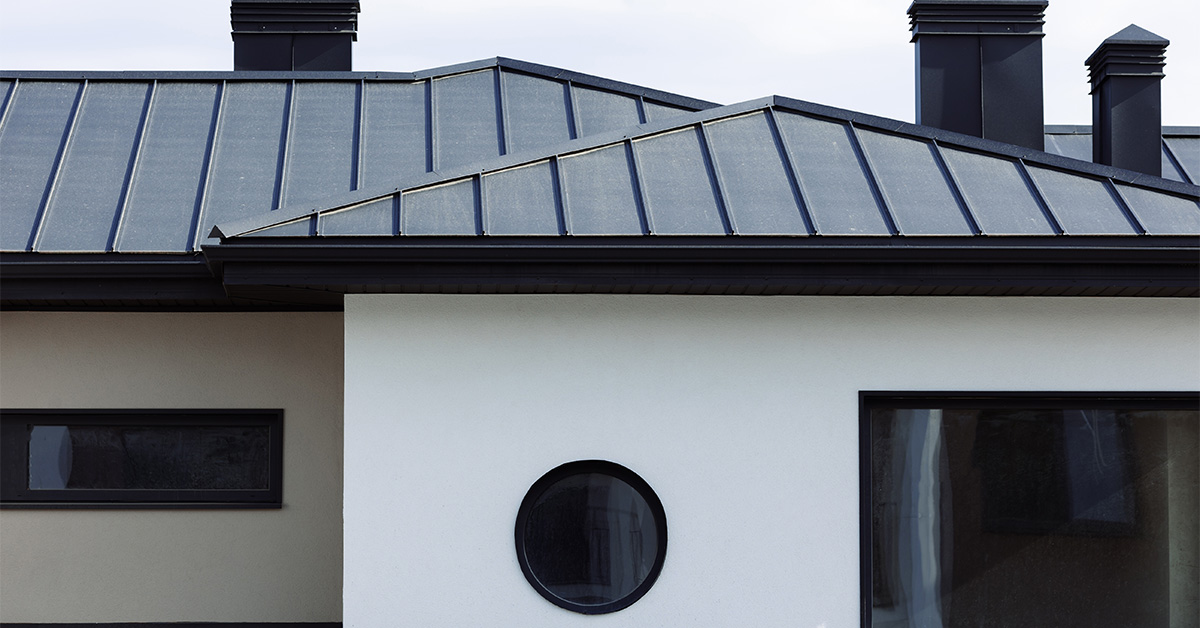
How Long Will a Metal Roof Last? | Key Factors to Consider
sbb-itb-66ccccd
What Affects How Long a Metal Roof Lasts
A metal roof’s lifespan usually comes down to three things: material and finish, installation quality, and weather exposure.
Material, Coatings, and Finish Quality
Steel, aluminum, and copper are the main metal roofing materials, and the coating matters almost as much as the metal itself. With steel roofs in particular, PVDF finishes help preserve color and resist fading and chalking under UV exposure. Aluminum stands out for its corrosion resistance, while copper is a premium lifetime material.
That said, even a top-tier finish can fail early if the roof goes on the wrong way.
Installation Quality, Flashing, and Fasteners
A metal panel can look great on paper and still underperform if the install is sloppy. Proper fastening and seam details are critical. Metal roofing also needs room for thermal movement. If fasteners aren’t sealed well, or panels are locked too tightly, leak points can show up fast.
Corrosion-resistant fasteners, installed with the right sealing, also matter. They help prevent metal-on-metal corrosion and leaks as the roof ages.
After installation, drainage and weather exposure play a big part in how fast wear starts to show.
Roof Pitch, Drainage, and Local Weather Exposure
Poor drainage can cut a metal roof’s life short. Standing water speeds corrosion, and debris in valleys can trap moisture against panels and coatings. It’s a bit like leaving a wet towel bunched up in a corner, the dampness just sits there and does damage over time.
Here’s how local conditions can stress a metal roof, and what helps counter each one:
| Weather Factor | How It Affects the Roof | What Helps |
|---|---|---|
| Summer Heat & UV | Faster coating wear | PVDF coatings, reflective "cool roof" finishes |
| High Winds | Panel uplift and loosening | Systems rated for 140 mph; standing seam profiles |
| Hail | Denting and coating damage | Thicker-gauge metal with Class 4 impact resistance |
| Humidity & Rain | Corrosion and leaks | High-performance underlayment, proper flashing |
| Storm Debris | Moisture retention | Regular valley and gutter cleaning |
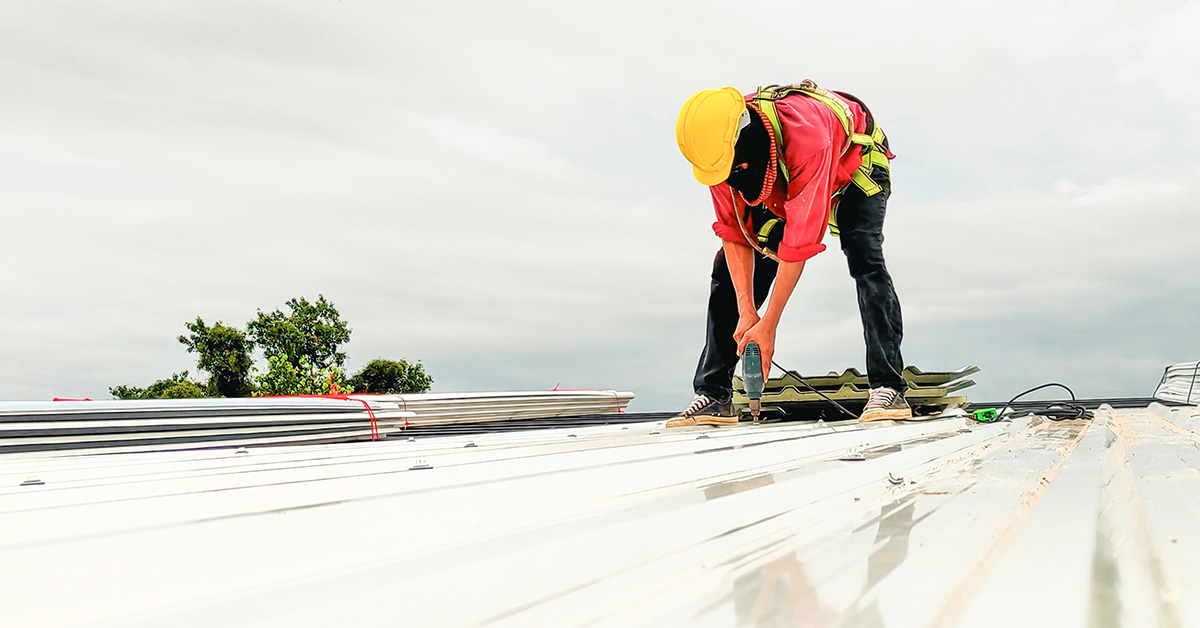
Metal Roof Types and Years of Service
Metal roofs don’t all age the same way. Their service life can vary a lot based on the roof system and the material itself. That’s why lifespan estimates tend to be broad. The roof type and the metal used often determine whether a roof lands near the low end or the high end of that range.
Standing Seam, Exposed-Fastener, Steel, Aluminum, Copper, and Zinc Compared
One of the biggest reasons these numbers vary comes down to where the fasteners go. Standing seam systems hide the fasteners, while exposed-fastener systems leave them visible. Standing seam panels lock together with concealed fasteners and interlocking seams, which helps them deal with thermal movement much better.
Exposed-fastener systems usually cost less up front. But there’s a trade-off. Because the fasteners go through the panels, they create more spots where leaks can start and need more frequent maintenance over time.
Here’s a side-by-side look at how common metal roofing options tend to perform over the long haul:
| Roof Type / Material | Main Limitation |
|---|---|
| Standing Seam | Concealed fasteners reduce maintenance needs but carry a higher upfront installation cost |
| Exposed-Fastener | Higher leak risk at fastener penetrations; requires ongoing fastener maintenance |
| Steel Panels | Susceptible to corrosion if protective coatings are damaged |
| Aluminum | More prone to denting in lighter gauges |
| Copper | Extremely high material cost; requires specialized installation from a Tulsa roofing company |
| Zinc | High cost; requires highly specialized installation |
How to Help a Metal Roof Last Longer
Maintenance is what helps a metal roof stay near the top end of its lifespan range. With routine care, we give the roof a much better shot at lasting as long as it can.
Routine Inspections and Minor Repairs
Inspect roofs under 10 years old once a year, roofs 10 to 20 years old twice a year, and roofs over 20 years old quarterly.
Spring is a smart time to check for winter damage and clean out gutters. Fall is just as useful because it lets us clear debris and spot storm damage before winter sets in. During each inspection, look for loose or backed-out fasteners, worn or cracked sealant, scratches that expose bare metal, and early rust. Moisture speeds up corrosion, so leaks and standing water need attention fast.
Clean the roof once a year with plain water from a garden hose or a low-pressure rinse to wash away dirt, grime, moss, and algae. Start at the ridge and rinse downward so debris flows off the roof instead of getting pushed under panels. If dirt is stuck on, use a mild soap solution with a soft cloth or sponge. Skip steel wool and wire brushes, because they can scratch the paint and protective coating, which can lead to rust.

When Metal Roof Restoration Can Add Years of Service
If a metal roof is getting older but is still structurally sound, restoration, often with a protective roof coating, can add years of service. That coating helps shield the roof from UV exposure and can cut down on heat-driven expansion and contraction. Once wear starts moving past surface-level damage, though, it makes sense to look at whether repair or replacement is the better move.
An inspection can show whether repair, restoration, or replacement is the most cost-effective next step.
If maintenance stops keeping up with the wear, the next section covers the signs that a roof may need repair or replacement.
Signs a Metal Roof May Need Repair or Replacement
If routine inspections keep turning up the same problems, the roof may be getting close to the point where repairs alone won’t do the job. The clearest red flags are visible panel damage, failed fasteners, and leaks around transitions.
Here are the three main signs to watch for:
- Coating and rust damage: Rust on galvanized or Galvalume panels usually means the protective coating has worn down or failed. Chalking, fading, and scratches can leave bare metal exposed to moisture and UV damage.
- Fastener and sealant failures: These can be just as serious, even if they’re harder to spot from the ground. Screws that back out, brittle or cracked washers, and aging sealants or butyl tapes can let water slip under panel overlaps.
- Leaks at penetrations: Cracked pipe boots, dried-out skylight gaskets, failing chimney mortar joints, and cracked or separated flashing at roof edges, walls, and expansion joints are common trouble spots. Most leaks don’t begin in the middle of a panel. They start at transitions, penetrations, and terminations.
Catching these issues early helps protect the roof’s remaining service life. If the same problems keep coming back, or if they’re spread across large parts of the roof, it’s time for a professional repair or a full replacement. At that point, a professional assessment can help sort out whether repair, restoration, or replacement makes the most sense.

Key Takeaways on Metal Roof Longevity
Metal roofs can last for decades, and routine maintenance is still the best way to protect long-term performance and value. Small problems can turn into expensive ones faster than most of us expect. A backed-out screw, a cracked boot, or a worn sealant joint might not look like much at first, but catching it early can save a lot of trouble later.
FAQs
How do I know if my metal roof is still structurally sound?
Look for signs like sagging, repeat leaks, or visible daylight in the attic. Inside, check ceilings and walls for water stains, mold, or bubbling paint.
Outside, watch for deep dents, cracked paint or coatings, and damage around fasteners, seams, or flashing. Pro-Tech Roofing can assess hidden damage with drone thermal imaging and infrared cameras.
Can a metal roof be restored instead of replaced?
Yes. We can often restore a metal roof instead of replacing it, as long as the roof deck and the main structure are still in good shape.
Restoration usually involves cleaning the roof, making repairs, and applying elastomeric or silicone coatings. Those coatings form a seamless, waterproof membrane over the surface.
That extra layer can add 10 to 20 years to the roof’s service life. It’s also often 30% to 50% more cost-effective than a full replacement, which is a big deal when we’re trying to get more life out of an existing roof without tearing everything off.
How often should a metal roof be professionally inspected?
Schedule a professional inspection twice a year, usually in spring and fall, and always after a major storm. That gives us a better chance of spotting small problems, like loose fasteners or hail damage, before they turn into bigger repairs.
Inspection frequency should also change as the roof gets older:
- Under 10 years old: once a year
- 10 to 20 years old: twice a year
- Over 20 years old: every quarter