
After a storm, your roof might appear fine, but hidden damage can lead to serious problems if ignored.
We know that dealing with storm damage is stressful. Most homeowners look up at their shingles and assume everything is okay if they don’t see a giant hole.
But the truth is that moisture often finds the smallest entry points. By the time you see a leak in your living room, the structural damage has likely already begun.
We recommend a proactive approach to protect your home and your bank account. Here is what you need to know about navigating roof recovery in 2026:
- Signs of Roof Damage: Missing shingles, dents in gutters, water stains on ceilings, or a musty smell in the attic are common indicators.
- Why Act Quickly: Delaying repairs can lead to water damage, mold growth, higher energy bills, and even voided insurance claims.
- DIY vs. Professional Inspection: While you can spot visible issues from the ground, professionals can detect hidden problems using tools like moisture meters and provide detailed documentation for insurance.
- When to Call a Pro: If you notice leaks, sagging areas, or structural concerns, contact a roofing expert immediately to prevent further damage.
Key Takeaways:
- Always document visible damage with photos immediately following a weather event.
- Schedule a professional inspection even if your roof looks “fine” from the driveway.
- Most insurance policies have strict filing windows that you cannot afford to miss in 2026.
Note: This post was originally published in April 2021 and has been fully updated in 2026.
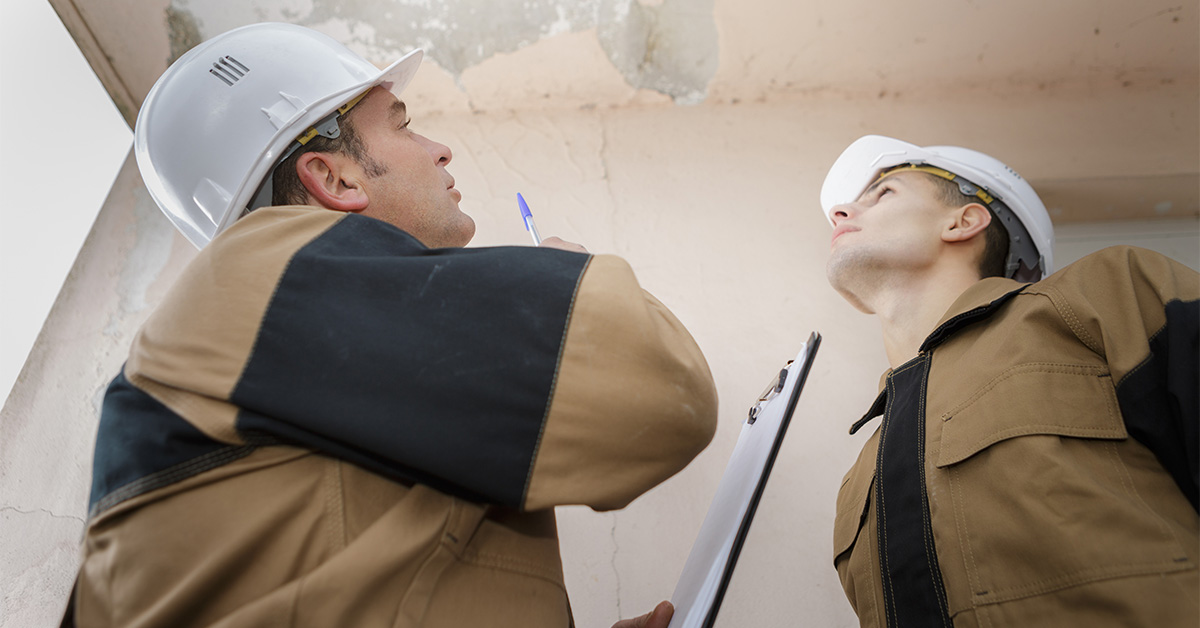
Spot Storm Damage on your Roof | 7 Essential Tips
How to Spot Storm Damage
Storm damage identification is the process of checking your home’s exterior and interior for compromised seals or materials. Acting quickly is crucial to prevent further issues.
Here is how we recommend identifying signs of damage to your roof, both outside and inside your home.
Outside Signs of Roof Damage
Exterior roof inspection is best performed from the ground using binoculars for a closer view. You should look for missing, cracked, curled, or shifted shingles because these are telltale signs of storm damage.
Check your gutters for granules. Hail can strip granules from shingles, which not only reduces their lifespan but also compromises their ability to protect your roof.
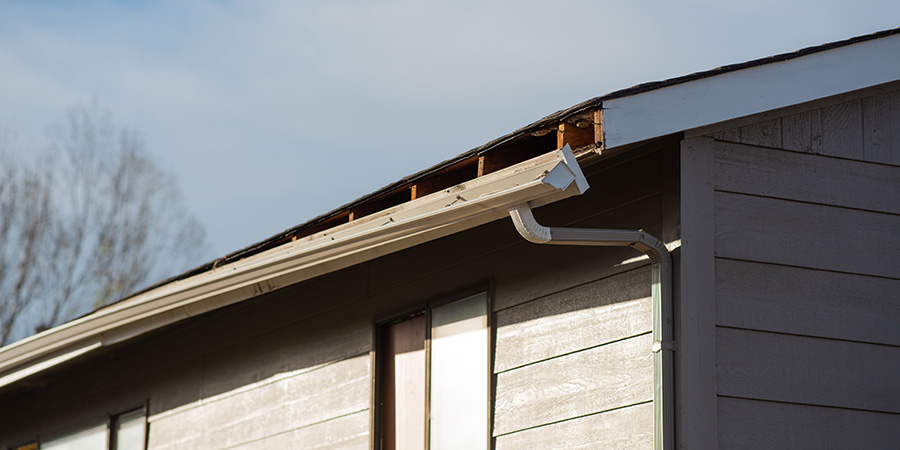
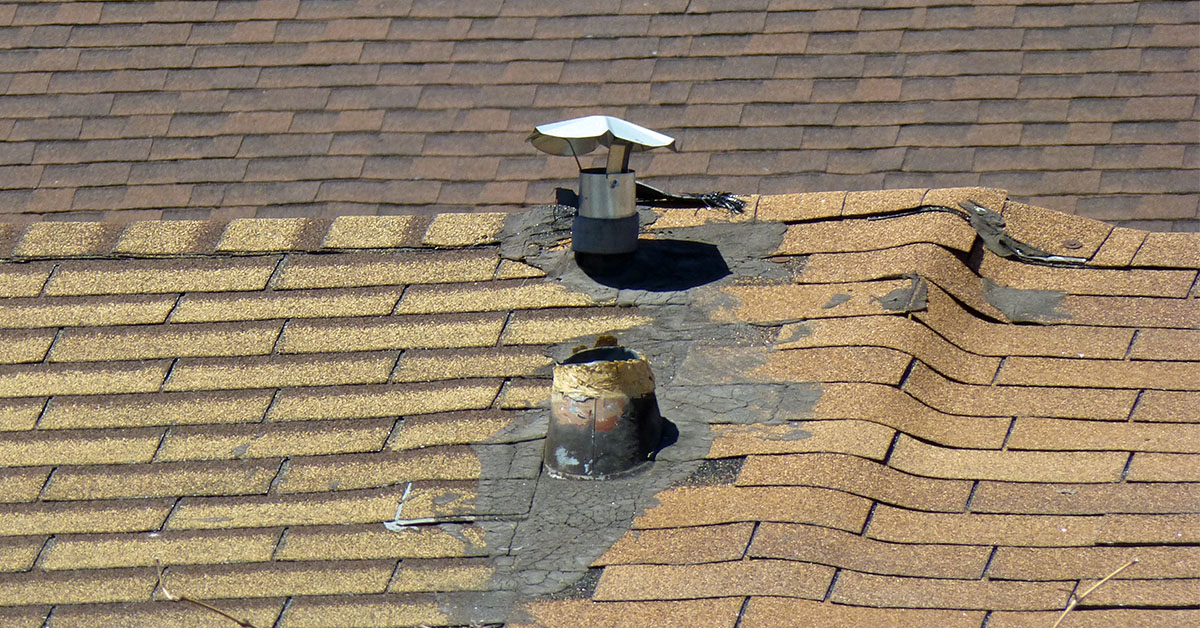
Pay close attention to flashing around chimneys, vents, and skylights. If the flashing is dented, cracked, or loose, it could allow water to seep into your home.
Debris can also cause significant harm. Even small branches can puncture shingles or damage flashing.
Once you have completed the exterior inspection, it is time to check for signs of damage inside your home.
Inside Signs of Roof Damage
Interior water damage often takes time to show up, so we advise staying vigilant after a storm. Stains on ceilings or walls are one of the most common signs that water has leaked into the drywall.
If you notice musty smells or visible mold in your attic, this could mean water has soaked into insulation or wooden framing. Mold indicates moisture intrusion and needs immediate attention.
Other signs to watch for include warped or peeling paint, water drips, or standing water in the attic. If your home has a fireplace, check for moisture or mold around the fireplace area, as this could signal chimney damage.
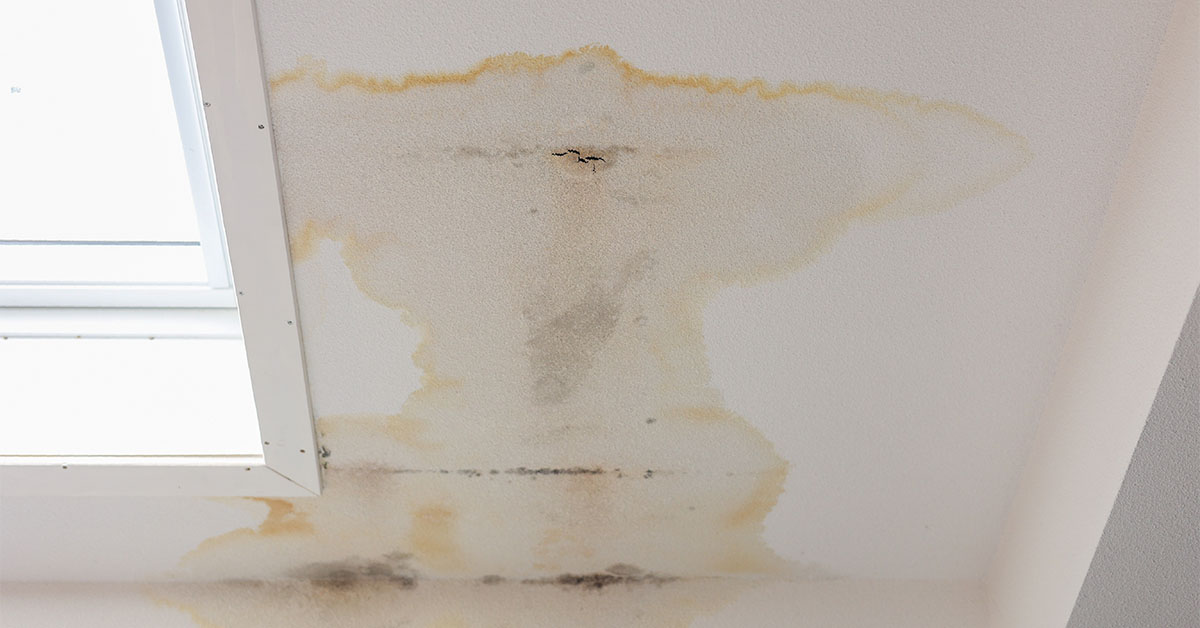
Another red flag is a sudden increase in your energy bills. Wet insulation becomes less effective, forcing your HVAC system to work harder and driving up your utility costs in 2026.
Addressing these signs early can save you from costly repairs down the road. However, not all damage is easy to spot.
Hidden Damage You Might Miss
Hidden roof damage is any compromise to the roofing system that is not visible to the naked eye. Compromised seals around roof penetrations like vents and pipes may look fine but can crack during storms.
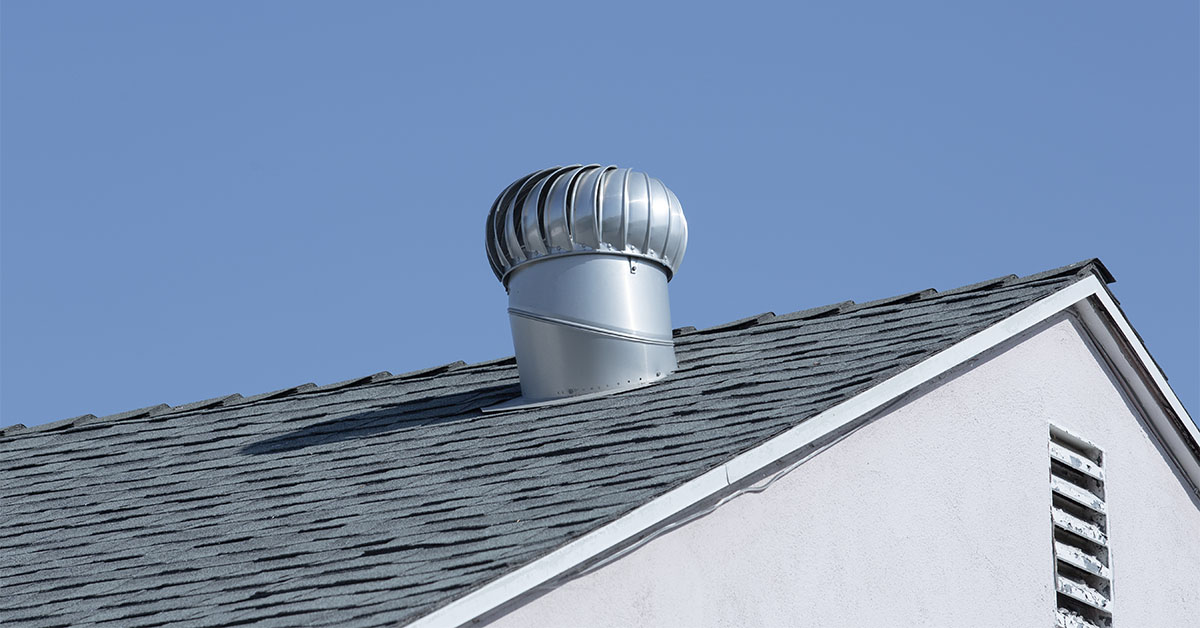
Another hidden issue is damaged underlayment, which is the protective layer beneath your shingles. Since this layer is not visible without removing shingles, its condition often goes unnoticed.
To protect yourself, we suggest documenting any visible damage with photographs. This evidence is invaluable for insurance claims and helps professionals assess the extent of the damage.
Why Waiting to Fix Your Roof Costs More
Roof repair delays lead to compounding costs that far exceed the price of an initial fix. Putting off repairs might seem like a way to save money, but small problems quickly spiral into major issues.
Higher Repair Costs Over Time
A small leak does more damage than you might think. Water seeps through damaged shingles, spreading to the roof deck and causing the wooden decking to rot.
Water Damage and Mold Problems
Once water finds its way into your home, the problems multiply. It creates the perfect environment for mold, which can start growing in as little as 24 to 48 hours.
Insurance Claim Problems
Delaying roof repairs can also complicate your insurance coverage. Most insurance companies require regular maintenance to honor claims, and neglecting your roof could leave you footing the bill.
“Insurance policies typically require timely maintenance to cover damage costs. Neglect can result in avoidable out-of-pocket expenses.” – Apex Roofing
If you do not address storm damage promptly, insurers might label your property as high risk. This could lead to higher premiums or difficulty securing a new policy in 2026.

Professional roofing contractors can help with documentation and provide the expertise needed to support your insurance claims. These risks underscore the importance of acting quickly.
When You Need a Roofing Professional
Professional roofing assistance is required when damage involves structural components or specialized safety equipment. Whether it is an urgent issue or something less obvious, having an expert assess the situation saves you from bigger problems.
Emergency Situations That Need Immediate Help
Emergency roof repair is necessary if water is leaking near electrical fixtures or panels. This is a critical safety issue that requires you to contact a professional right away.
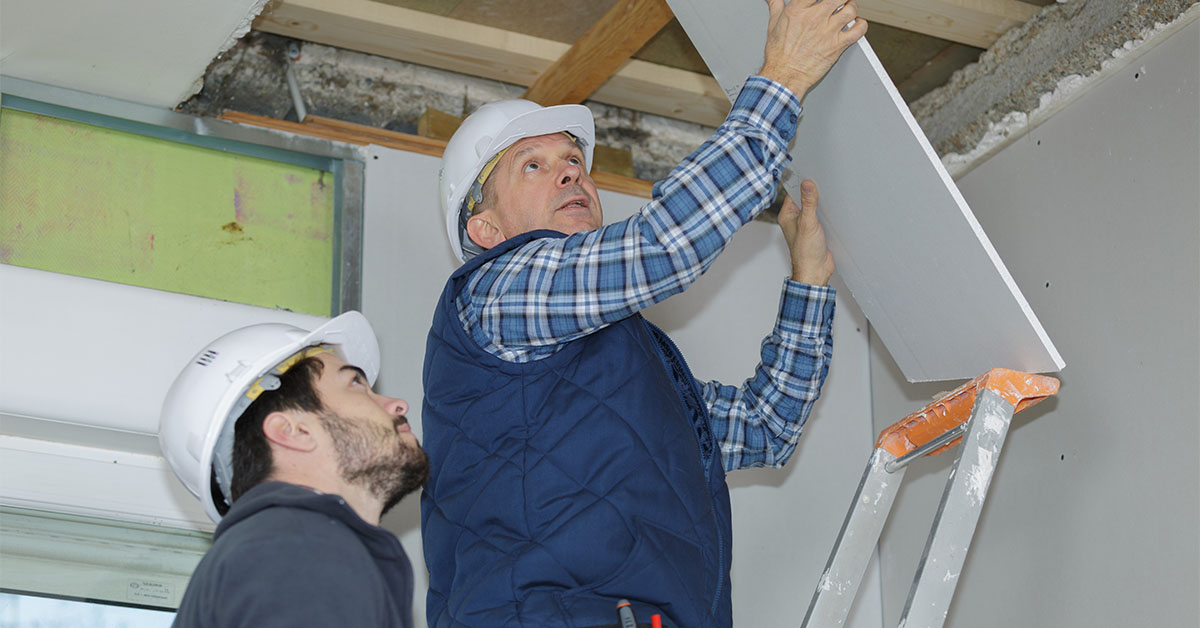
Structural issues are another red flag. If you notice sagging areas on your roof or buckling ceilings, your home has sustained structural damage.
Visible holes caused by fallen branches also require immediate attention. Covering these areas quickly prevents water intrusion, but this is a job best left to the experts.
Visible Signs That Need Expert Review
Expert roof evaluation is recommended for widespread shingle damage that might seem minor from the ground. Hail damage is another tricky issue that requires professional training to detect.
Pay attention to loose or damaged flashing around chimneys and skylights. These areas are critical for keeping water out, and improper repairs can turn a small problem into a much bigger one.
When You Can’t See the Damage
Storm damage is not always visible to the naked eye. Without the right tools, it is nearly impossible for homeowners to safely and accurately assess what is going on beneath the surface.
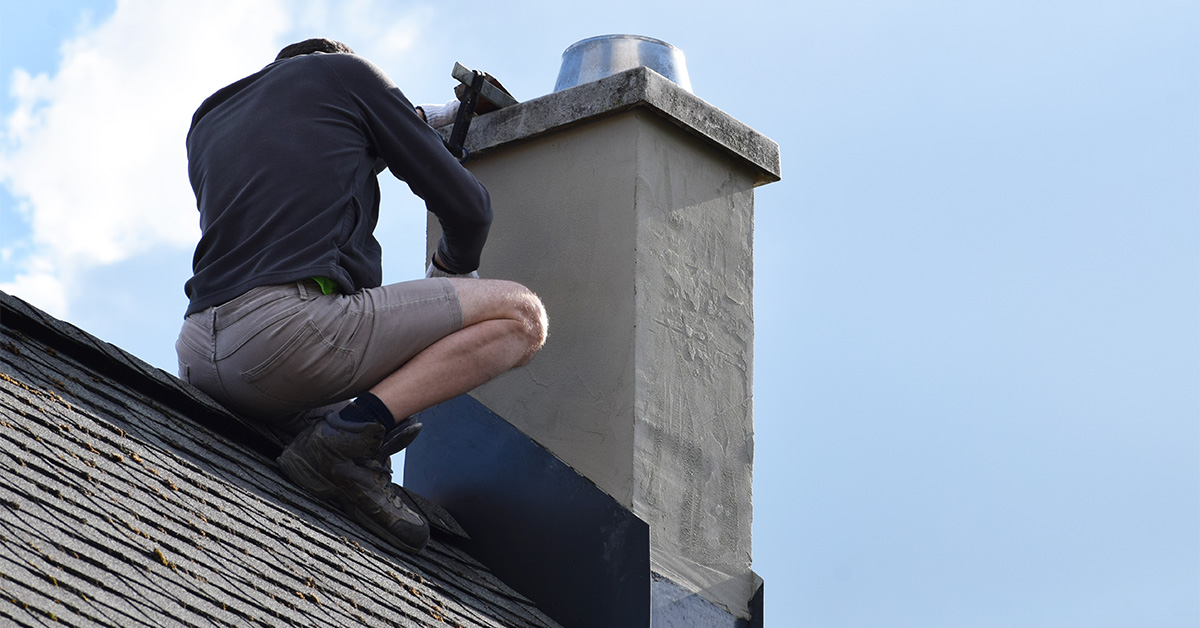
Safety should always come first. While it is fine to take a look at your roof from the ground, climbing up there yourself is hazardous.
To make things easier, Pro-Tech Roofing offers free roof inspections. Our licensed team can safely identify both visible and hidden problems.
sbb-itb-66ccccd
DIY Check vs. Professional Roof Inspection
A professional inspection provides a level of detail and documentation that a DIY check cannot match. While a DIY inspection gives you a quick overview, it has significant safety and accuracy limits.
DIY vs. Professional Comparison
| Feature | DIY Roof Inspection | Professional Roof Inspection |
|---|---|---|
| Safety | High risk of falls on unstable surfaces. | Uses safety gear and specialized ladders. |
| Accuracy | Catches obvious missing shingles. | Spots subtle bruising and seal failures. |
| Thoroughness | Focused on visible ground areas. | Covers attic, underlayment, and flashing. |
| Hidden Damage | Cannot identify moisture behind walls. | Uses moisture meters and infrared tools. |
| Insurance | Photos may lack necessary claim detail. | Provides certified documentation for adjusters. |
| Cost | Free (but risks expensive misses). | Free through Pro-Tech Roofing ($100+ elsewhere). |
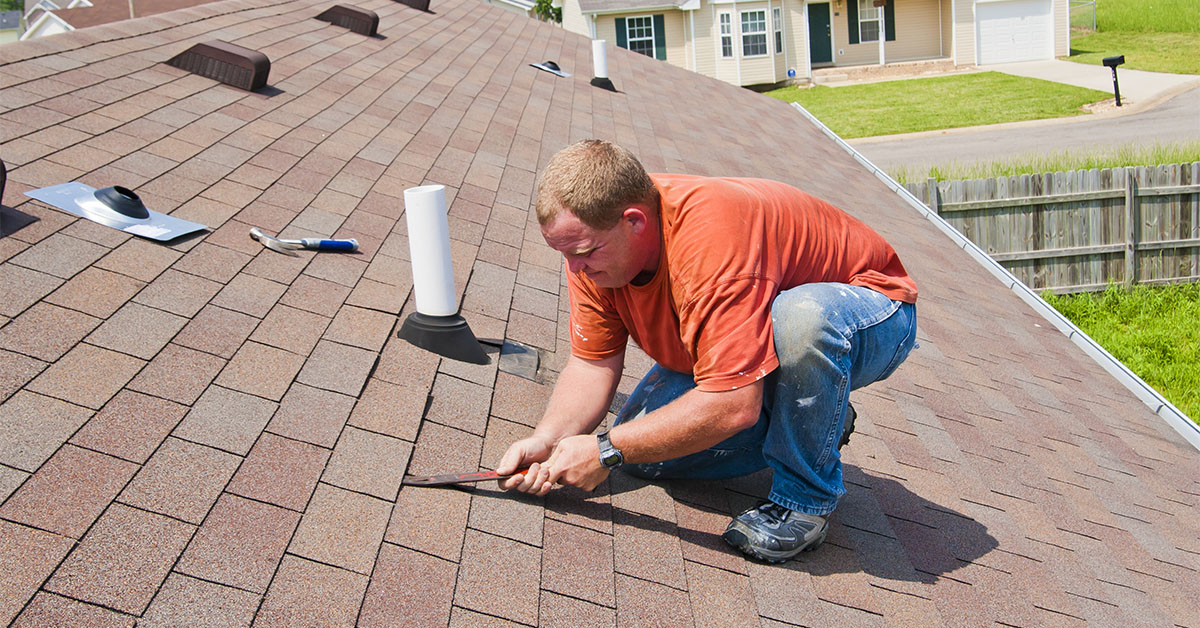
“A basic ground-level inspection is okay, but always bring in a certified professional for a complete assessment.”
When inspecting your roof yourself, look for fallen shingles or granule buildup from the ground. However, for anything beyond a surface-level check, it is best to call in the experts.
Relying only on a DIY inspection can lead to missed damage, potentially voiding warranties. Professional inspectors have the training to assess every aspect of your roof.
What Happens During a Professional Roof Inspection
A professional roof inspection is a comprehensive evaluation of your home’s weather barrier. By following a detailed process, experienced inspectors identify problems that might otherwise go unnoticed.
Complete Roof Assessment
During an inspection, every part of your roof is evaluated. Inspectors often use advanced tools like infrared thermography to detect trapped moisture.
The process involves checking for cracked shingles, inspecting flashing, and examining the roof deck’s structural integrity. We also look at attic spaces for clues that point to hidden problems.
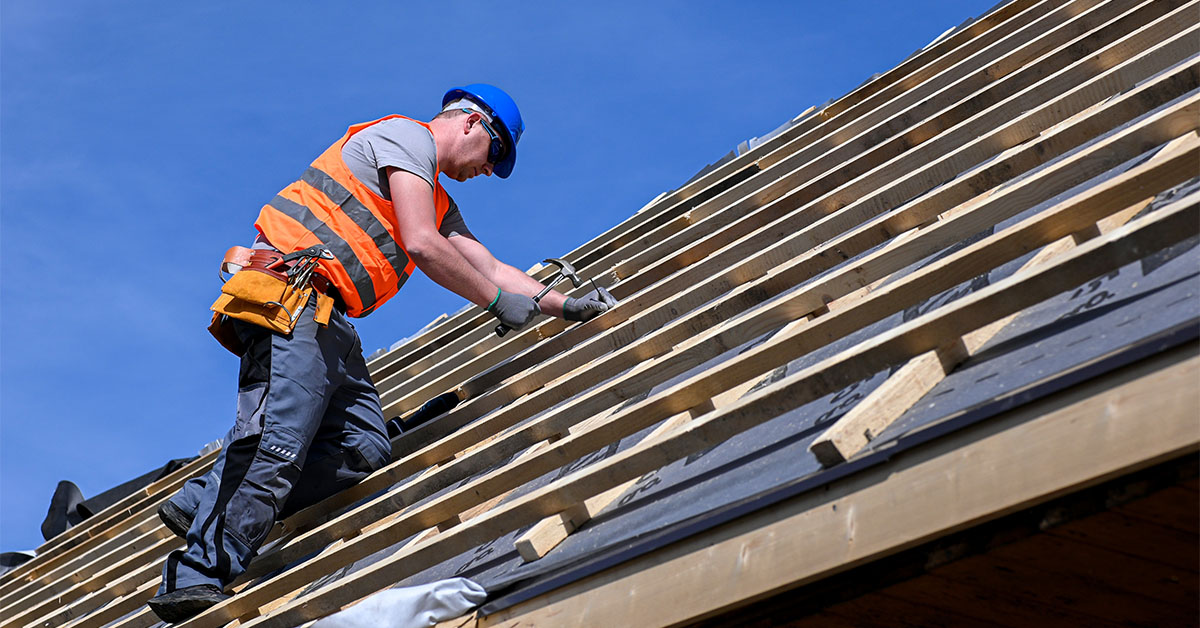
Detailed reports, complete with time-stamped photos, are another key benefit. These reports help meet warranty requirements, which often demand inspections within 30 days of a storm.
Free Inspections by Pro-Tech Roofing
Pro-Tech Roofing offers free, professional roof inspections in 2026. Our service includes a full damage assessment and assistance with insurance claims.
Our reports can significantly improve your chances of a successful insurance claim. We help prioritize repairs and provide accurate cost estimates based on 2026 market rates.
Safety and Peace of Mind
One of the biggest advantages of hiring a professional is avoiding personal risk. Over 500,000 people end up in emergency rooms due to roof-related accidents each year.
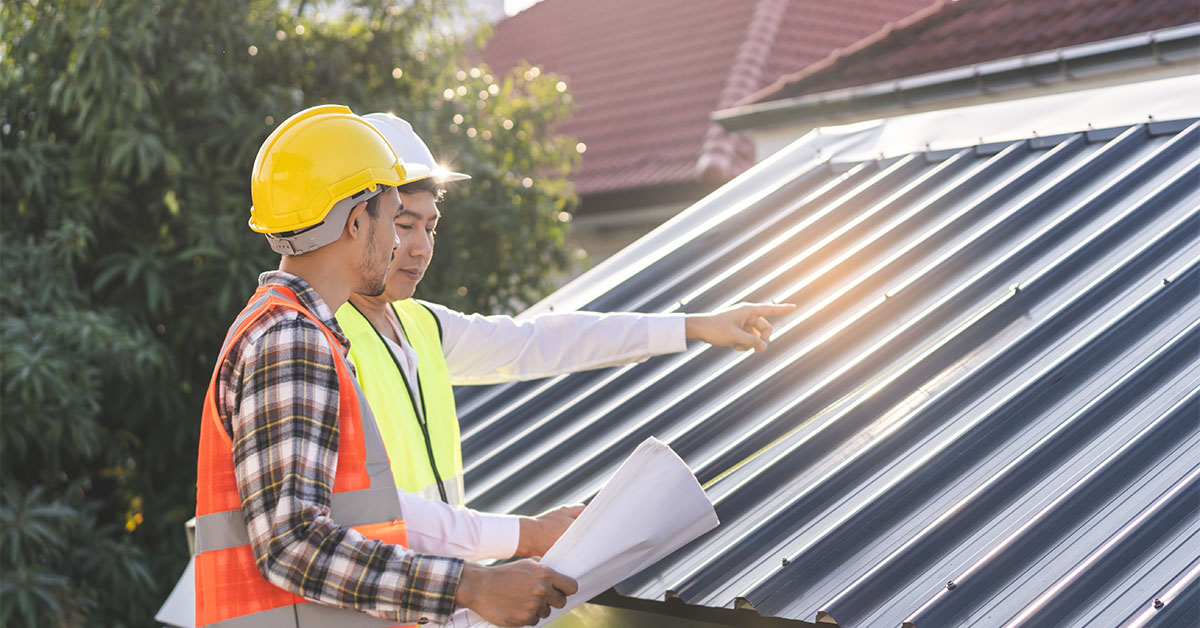
Our expertise also means we can catch subtle signs of damage that most homeowners might miss. A certified inspection ensures your warranty remains intact.
Conclusion: Protect Your Roof and Your Investment
Your roof plays a critical role in safeguarding your home. Even minor storm damage can lead to serious problems like water leaks and structural issues if not addressed.
Experts can uncover hidden issues like damaged flashing or worn underlayment. We provide the detailed assessment needed to support your insurance claim and help you take care of repairs.
Don’t let storm damage drive up costs or put your home at risk. Reach out to Pro-Tech Roofing today for a free professional roof inspection.
FAQs
How can I tell if my roof has storm damage that isn’t visible from the ground?
Hidden roof damage is often identified through subtle clues like granule loss in gutters or soft spots on the roof deck. Inside your home, warning signs include water stains on walls or unusual humidity in the attic. These could all signal hidden damage that is not immediately visible.
Why should I repair my roof quickly after storm damage, and what could happen if I wait?
Addressing roof damage quickly is crucial to avoid minor problems escalating into structural rot or mold. Waiting too long can result in water leaks and could lead to issues with your electrical systems. Delaying repairs could also mean losing out on insurance coverage in 2026.
Why should I call a professional to inspect my roof after a storm instead of checking it myself?
A professional roof inspection is necessary to catch hidden damage that might not be obvious to an untrained eye. We provide thorough documentation for insurance claims, which can improve your chances of getting the reimbursement you deserve. DIY efforts often miss key problems and lead to higher repair costs later.