
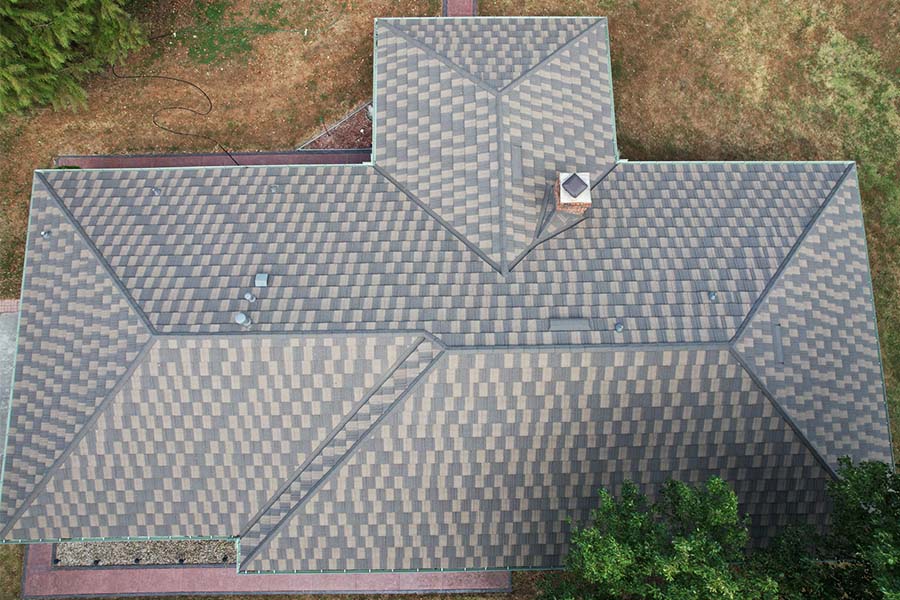
Maintaining a sturdy and reliable roof is crucial for any homeowner, especially in Tulsa, where the weather can be unpredictable.
Tulsa experiences a wide range of weather conditions throughout the year, from intense thunderstorms and hail to heavy winds and even occasional snow.
These varying conditions can take a significant toll on your roof, making regular maintenance and timely replacement essential.
A well-maintained roof not only protects your home from the elements but also contributes to its overall energy efficiency by providing proper insulation.
It helps maintain a comfortable indoor environment and can reduce heating and cooling costs.
Additionally, a reliable roof enhances your home’s curb appeal and can increase its resale value, making it a wise investment for the future.
1. Storm Damage
Tulsa is no stranger to severe storms, which can wreak havoc on your roof.
The region’s weather patterns include intense thunderstorms, high winds, and hail storm – all of which can significantly impact the condition of your roof.
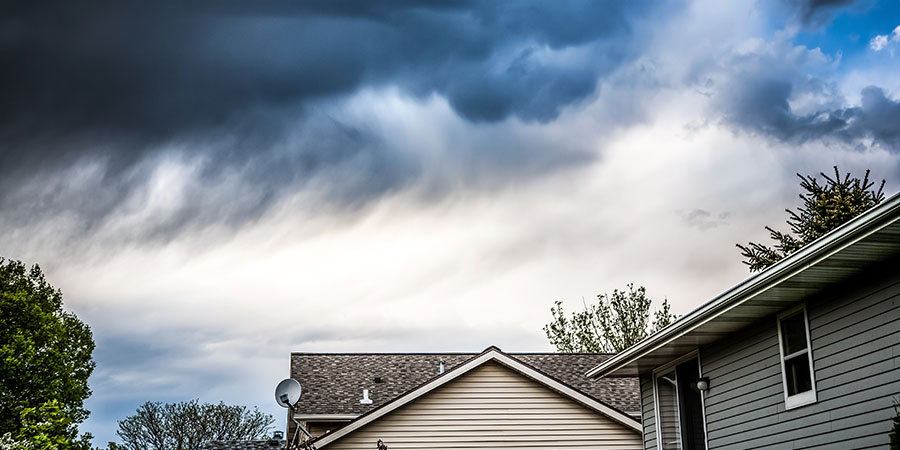
Understanding the specific types of storm damage will help you identify when your roof may need repairs or replacement.
Broken or Missing Shingles
High winds are a common feature of storms in Tulsa.
These winds have the power to lift shingles from their place or tear them apart entirely.
Missing shingles expose the underlying layers of the roof to the elements, increasing the risk of leaks and further damage.
It’s essential to inspect your roof for any missing or damaged shingles after a storm to prevent water infiltration.
Hail Damage
Hailstorms can be particularly destructive.
Hailstones vary in size, and larger ones can dent or even puncture your shingles.
This kind of impact damage compromises the protective surface of the roof, making it more susceptible to water penetration and leading to potential leaks.
Hail damage isn’t always immediately visible, so it’s often beneficial to have a professional assess your roof after a hailstorm.
Visible Debris
After a storm, your roof may be littered with branches, leaves, or other debris that can cause damage.
Large branches, in particular, can result in structural damage or puncture the roof, creating entry points for water.
Even smaller debris can trap moisture against the roof surface, leading to mold and rot over time.
2. Age & Deterioration
Roofs, like any other component of your home, have a finite lifespan.
The typical lifespan of most asphalt shingle roofs is between 20 to 25 years, depending on the quality of materials used and the local climate conditions.
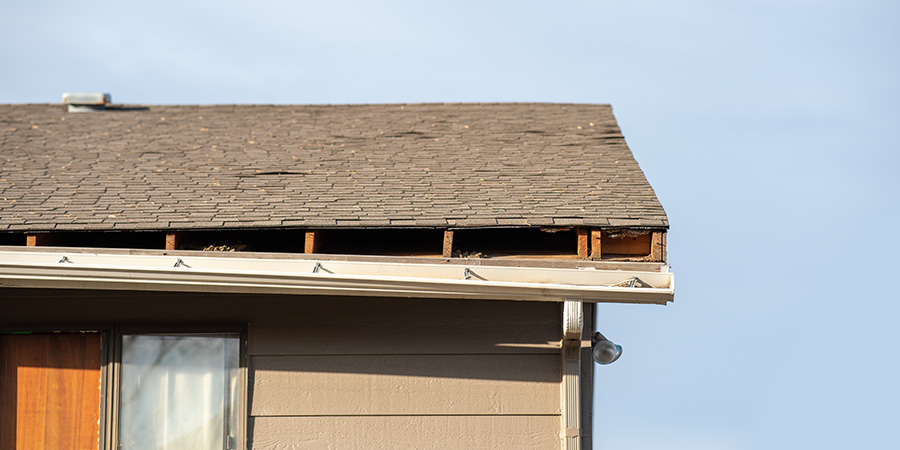
However, over time, even the most durable roofs will begin to show signs of aging and deterioration.
Recognizing these signs early can help you plan for a timely replacement, avoiding potential damage and costly repairs.
Curling Shingles
One of the most visible signs of an aging roof is curling or buckling shingles.
This occurs as shingles lose their flexibility and adhesive properties over time.
When shingles curl, they can no longer provide the necessary protection against water infiltration, leading to leaks and potential water damage.
Curling can also be exacerbated by improper roof ventilation or installation, both of which can shorten the lifespan of the shingles.
Loss of Granules
Asphalt shingles are coated with granules that protect them from the sun’s UV rays and increase their fire resistance.
Over time, these granules can become loose and end up in your gutters.
The loss of granules is a natural part of the aging process, but it exposes the asphalt layer of the shingle, making it more susceptible to UV damage and accelerating deterioration.
This can lead to the shingles becoming brittle and cracking, further compromising the roof.
3. Wear & Tear
The roof of your home is constantly exposed to a variety of environmental factors that contribute to its gradual wear and tear.
This natural aging process is accelerated by the daily exposure to the elements, which can weaken the roof’s materials over time, reducing its protective capabilities.
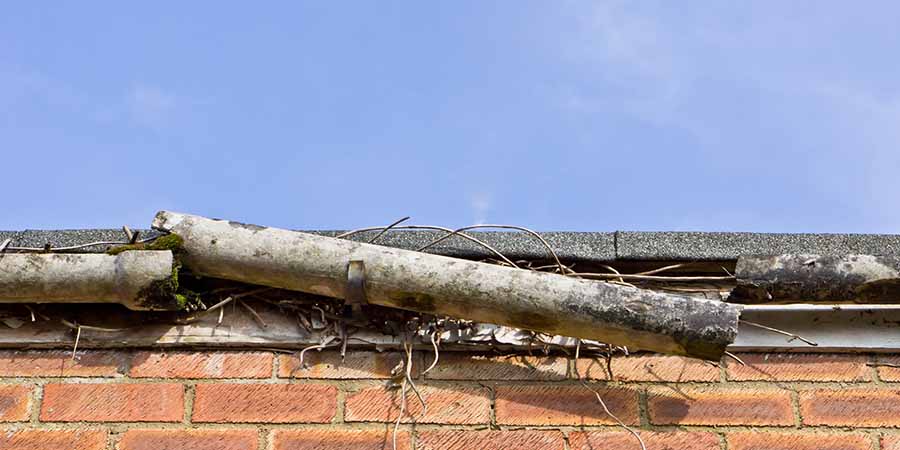
Identifying signs of wear and tear early can help you take necessary actions to extend the life of your roof.
Cracked Shingles
One of the most common signs of wear and tear is cracked shingles.
Prolonged exposure to the sun’s ultraviolet (UV) rays can cause the materials in asphalt shingles to break down.
As the shingles age and lose their flexibility, they become brittle and more susceptible to cracking.
Cracked shingles compromise the roof’s ability to protect against water infiltration, potentially leading to leaks and water damage inside your home.
Blistering
Blistering occurs when pockets of air or moisture become trapped beneath the shingle surface.
High temperatures and excessive heat can cause these pockets to expand, forming blisters.
This can be particularly problematic in regions with hot climates or during the summer months.
Blistered shingles are weakened and can easily break open, leaving the underlying layers exposed to the elements.
This not only affects the aesthetic appeal of your roof but also its structural integrity.
4. Missing Shingles
Missing shingles on a roof are more than just a cosmetic issue; they are a serious problem that demands immediate attention.
Each shingle on your roof plays a crucial role in creating a protective barrier against the elements.
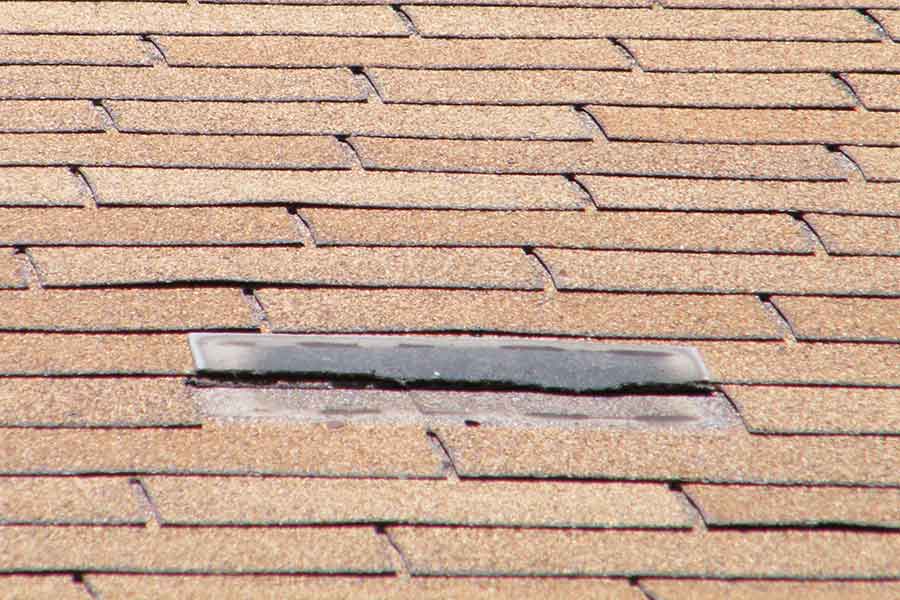
When shingles go missing, this barrier is compromised, leaving the underlying layers vulnerable to damage.
Immediate Risks
The absence of shingles exposes the roof deck and underlayment to rain, snow, and UV rays.
This exposure can lead to water infiltration, causing leaks that can damage the interior of your home.
Water leaks may result in stained ceilings, damaged insulation, and even mold or mildew growth, which can affect indoor air quality and pose health risks.
Structural Concerns
Over time, the lack of protection provided by missing shingles can lead to the deterioration of the roof deck.
Continuous exposure to moisture can cause the wood to rot, weakening the structural integrity of the roof and increasing the risk of more extensive damage.
This can result in costly repairs or even necessitate a complete roof replacement if not addressed promptly.
Energy Efficiency
A roof with missing shingles can also impact your home’s energy efficiency.
Shingles contribute to maintaining consistent indoor temperatures by providing an insulating layer.
Without them, your home may experience greater heat loss in the winter and increased heat gain in the summer, leading to higher energy bills as your HVAC system works harder to compensate.
5. Sagging and Pooling Water
A sagging roof deck or the presence of pooling water on your roof are serious red flags that can indicate underlying structural issues.
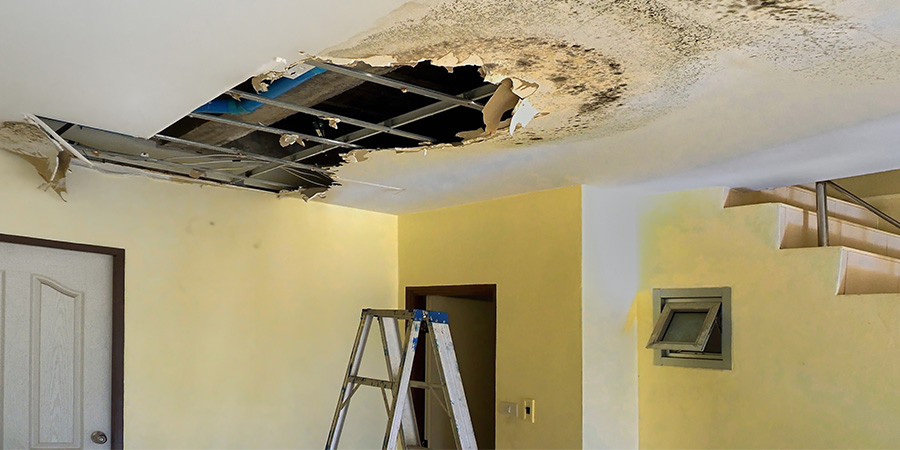
These problems must be addressed promptly to prevent further damage and potential safety hazards.
Poor Drainage
One of the most common causes of pooling water is poor drainage.
When gutters become clogged with leaves, debris, or ice, water cannot flow away from the roof effectively.
This can lead to water accumulating in certain areas, especially on flat or low-slope roofs.
Over time, the weight of the pooled water can strain the roofing materials and underlying structure, potentially leading to leaks or significant structural damage.
Regular maintenance of gutters and drainage systems is crucial in preventing water pooling and ensuring that water flows away from the roof efficiently.
Structural Damage
A sagging roof deck is a more serious issue that often indicates structural damage.
This could result from prolonged water exposure, leading to rot in the wooden components of the roof structure.
It might also be caused by the weight of heavy snow or ice accumulation, which can stress the roof beyond its designed limits.
A sagging roof can compromise the integrity and safety of your home, as it may signify that the roof is unable to support its own weight.
This issue requires immediate professional evaluation to determine the extent of the damage and to plan for necessary repairs or replacements.
Underlying Problems
Both sagging and pooling water can also indicate underlying problems such as inadequate roof design, poor installation, or the use of substandard materials.
These factors can exacerbate the risks associated with water pooling and structural sagging, leading to faster deterioration of the roof.
6. Moss and Algae Growth
Moss and algae growth on your roof might seem like a minor aesthetic issue, but it can have significant implications for the health and longevity of your roofing system.

Recognizing and addressing these growths is crucial to maintaining the integrity of your roof.
Shingle Deterioration
Moss and algae thrive in damp and shaded environments.
When they grow on your roof, they can trap moisture against the surface of the shingles.
This constant moisture exposure can accelerate the deterioration of the shingles, compromising their protective granules and causing them to become brittle and break down prematurely.
As shingles deteriorate, they lose their ability to effectively protect your home from water infiltration, leading to potential leaks.
Roof Rot
Prolonged moisture exposure due to moss and algae growth can also lead to roof rot.
Moss, in particular, can grow thick and dense, and its root-like structures can penetrate and lift shingles, allowing water to seep through.
This persistent moisture can eventually reach the wooden components of the roof, promoting rot and decay.
Roof rot weakens the structural integrity of your roof, increasing the risk of leaks, sagging, and even collapse if not addressed.
Aesthetic and Functional Impact
Beyond structural concerns, moss and algae growth can significantly impact the appearance of your roof, leading to unsightly dark streaks and patches.
This can decrease your home’s curb appeal and potentially affect its market value.
Additionally, the presence of moss and algae can impede proper drainage, exacerbating water retention issues and further stressing the roof.
7. Extensive Leaking Inside
The presence of water stains or leaks within your home is a critical warning sign of potential roof failure.
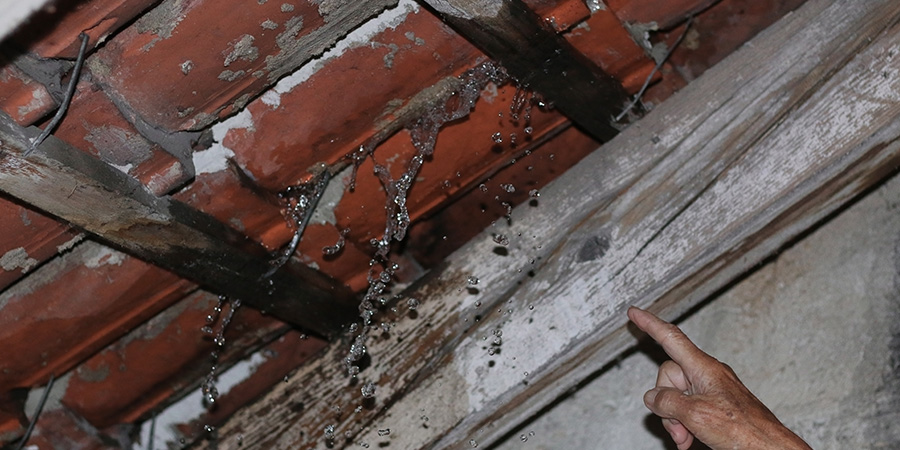
Such leaks can signify significant problems with your roofing system that need immediate attention to prevent further damage and costly repairs.
Water Stains on Ceilings
One of the most obvious signs of a roof leak is water stains on the ceilings or walls.
These stains appear as discolored patches, often with a yellowish or brownish hue, indicating that water has penetrated the roof and is seeping into your home.
The location of the stain can sometimes help identify the source of the leak, although water can travel along roof beams and rafters before becoming visible, making it challenging to pinpoint the exact entry point without professional assistance.
Mold or Mildew Growth
When a roof leak allows moisture to enter your home, it creates an ideal environment for mold and mildew growth.
These fungi thrive in damp, dark conditions, and their presence can quickly spread if the moisture issue isn’t resolved.
Beyond structural concerns, mold and mildew pose significant health risks, particularly to individuals with allergies, asthma, or weakened immune systems.
Mold spores can affect indoor air quality, leading to respiratory issues and other health problems.
Structural Damage
Extensive leaking can lead to more severe structural damage over time.
Persistent moisture can cause wooden beams, rafters, and other building materials to rot, weaken, and deteriorate.
This compromises the structural integrity of your home, potentially leading to sagging ceilings or even structural collapse in extreme cases.
Increased Repair Costs
Addressing leaks promptly can prevent minor issues from escalating into major problems that require extensive repairs.
Delaying repairs can result in more significant damage to insulation, drywall, and other materials, increasing repair costs and complexity.
Additionally, water damage can affect electrical systems, posing safety hazards and requiring professional intervention.
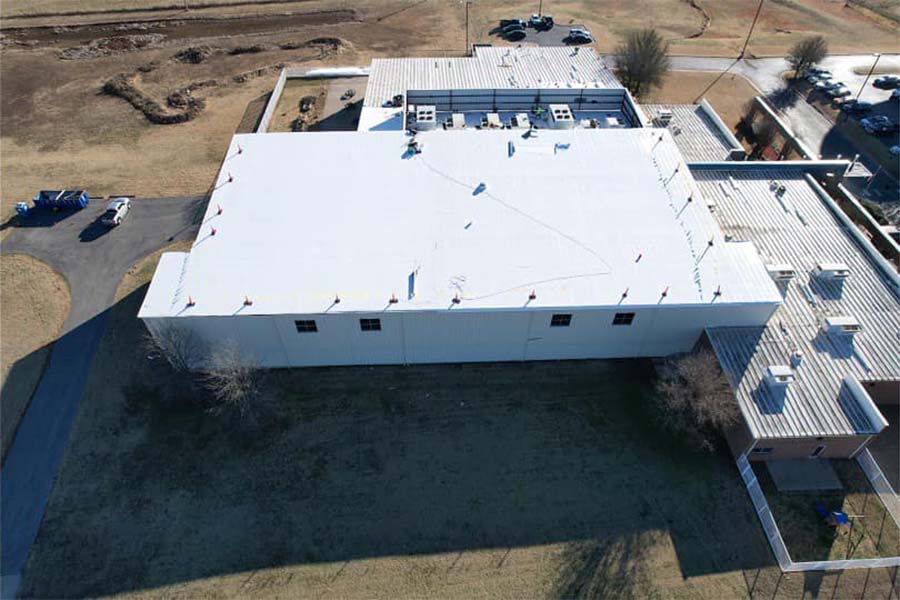
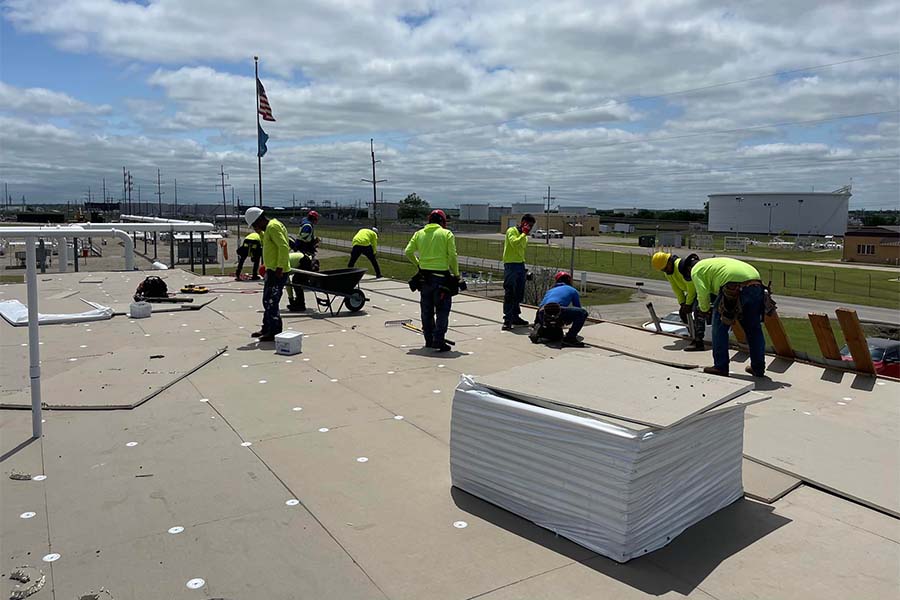
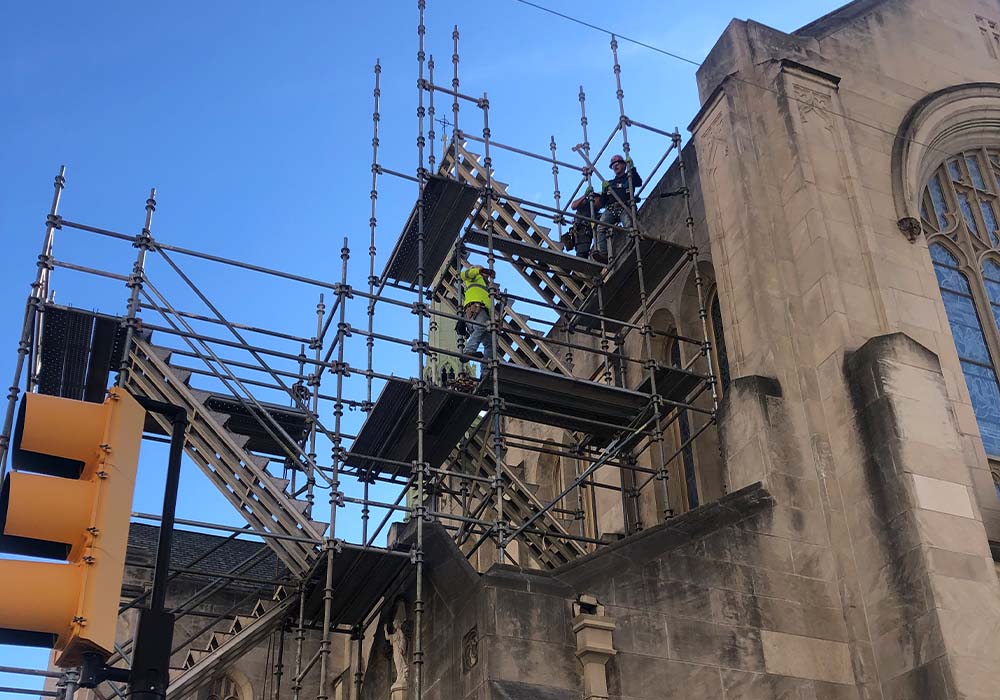
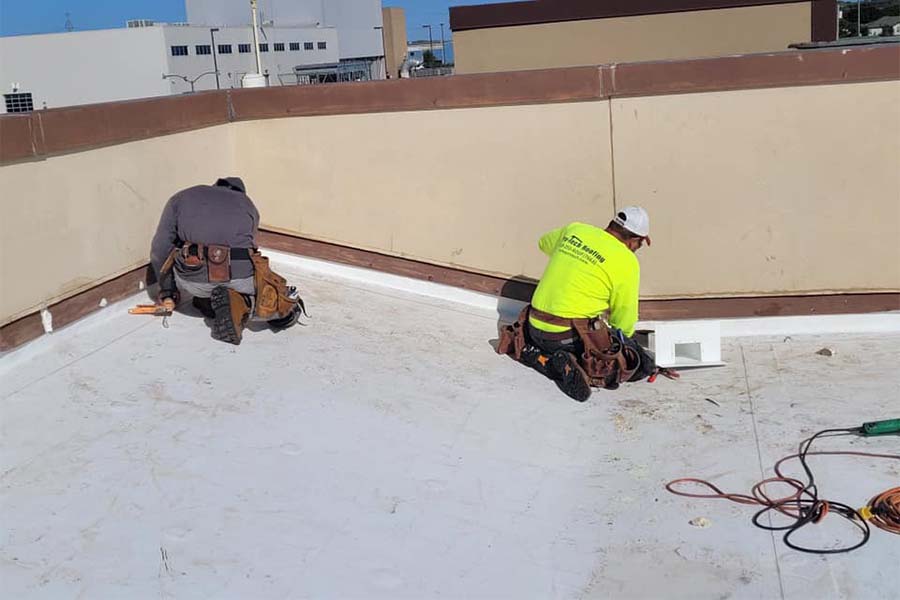
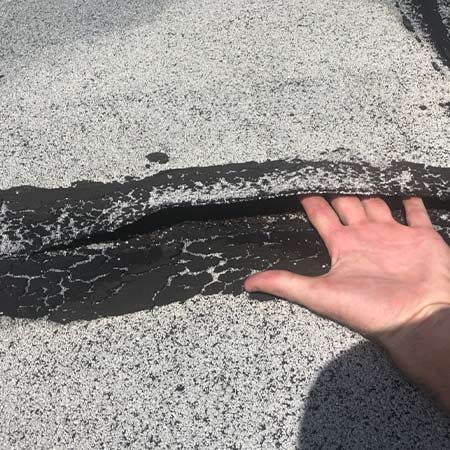
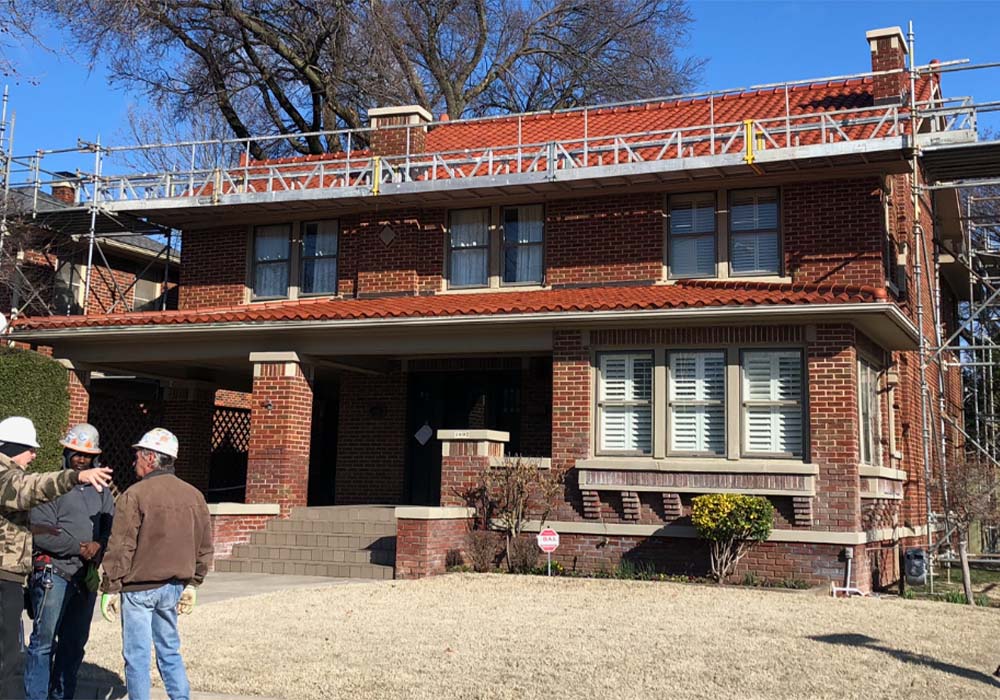
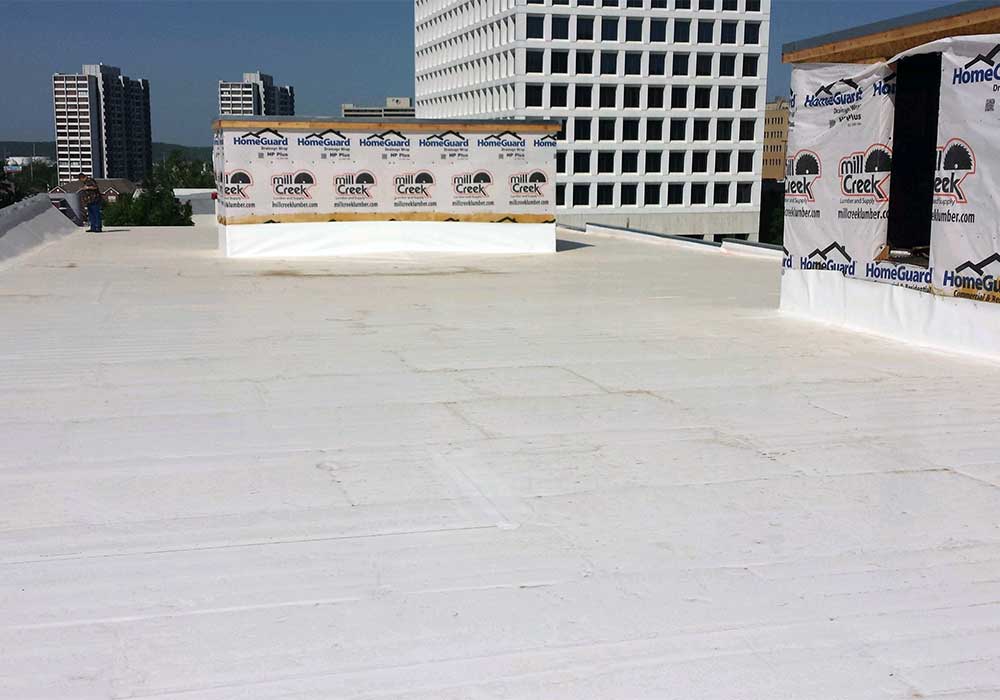
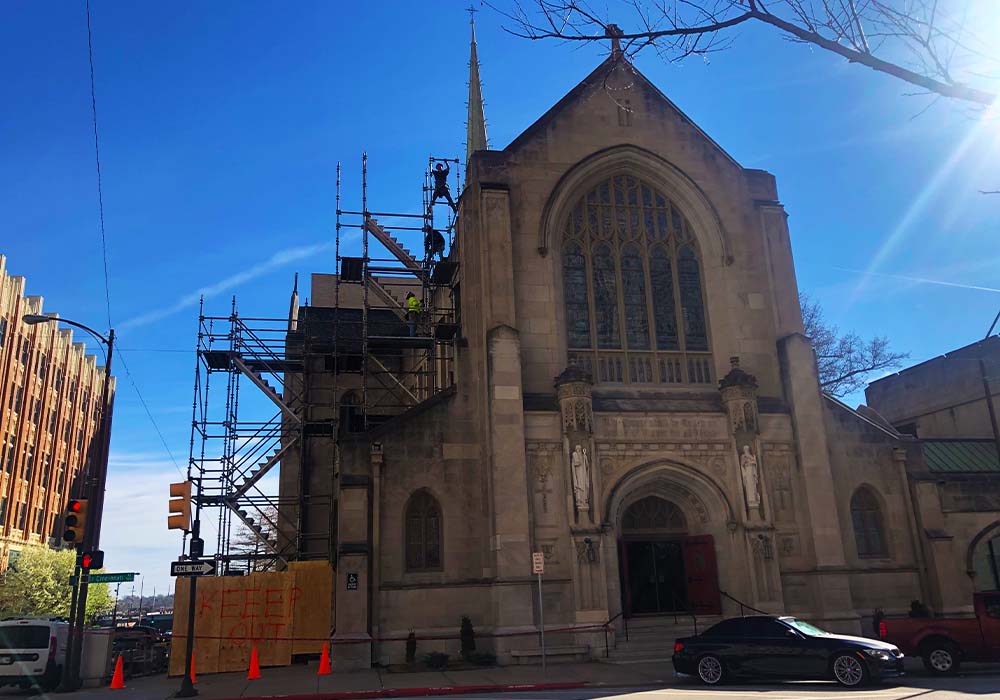
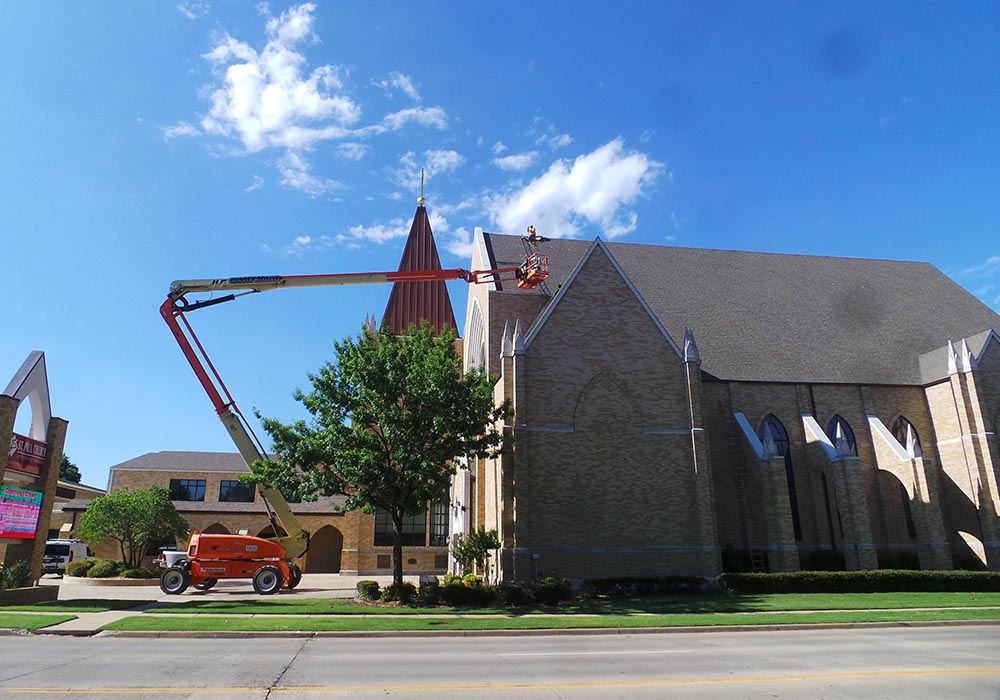
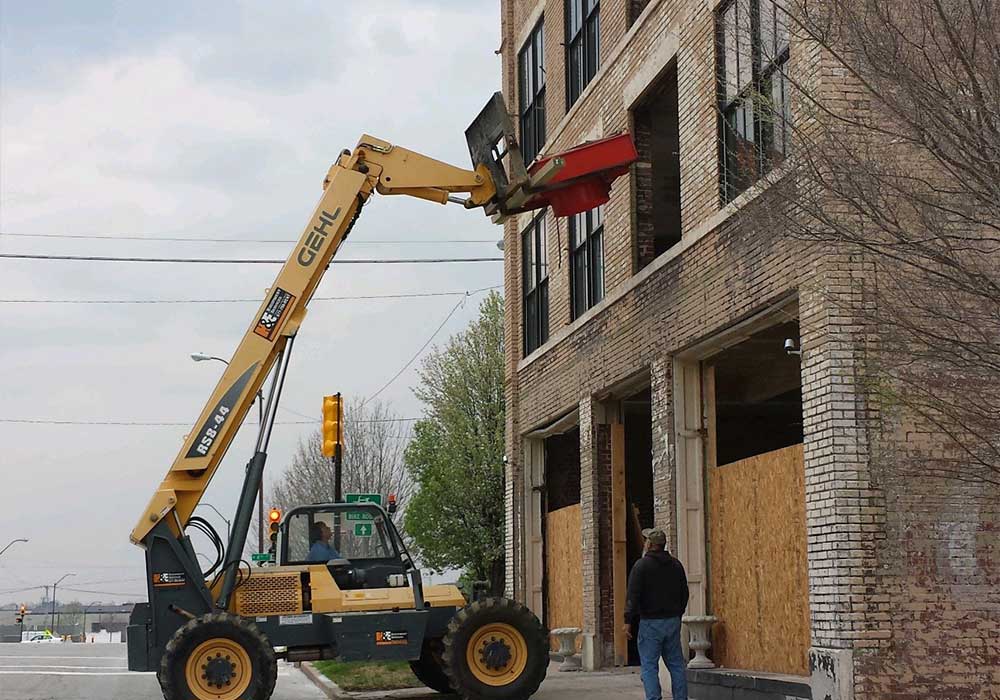
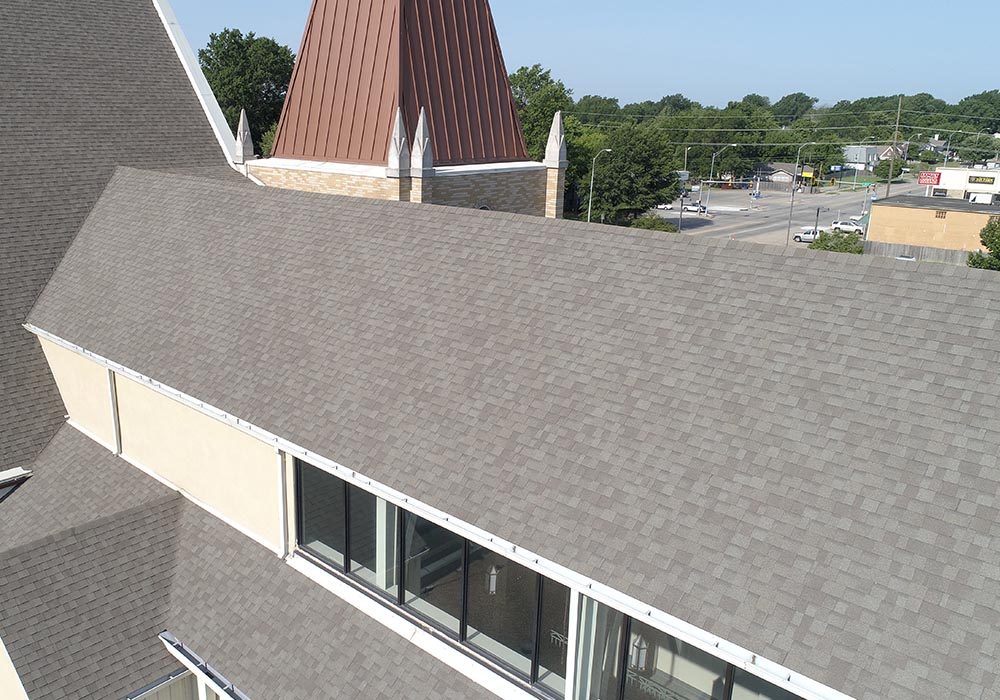
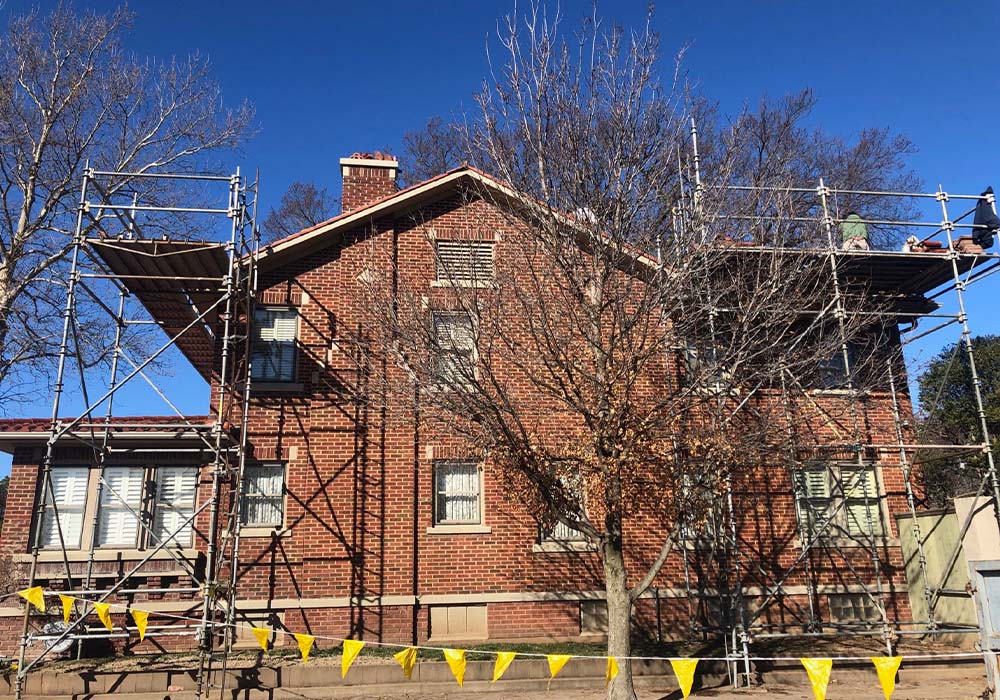
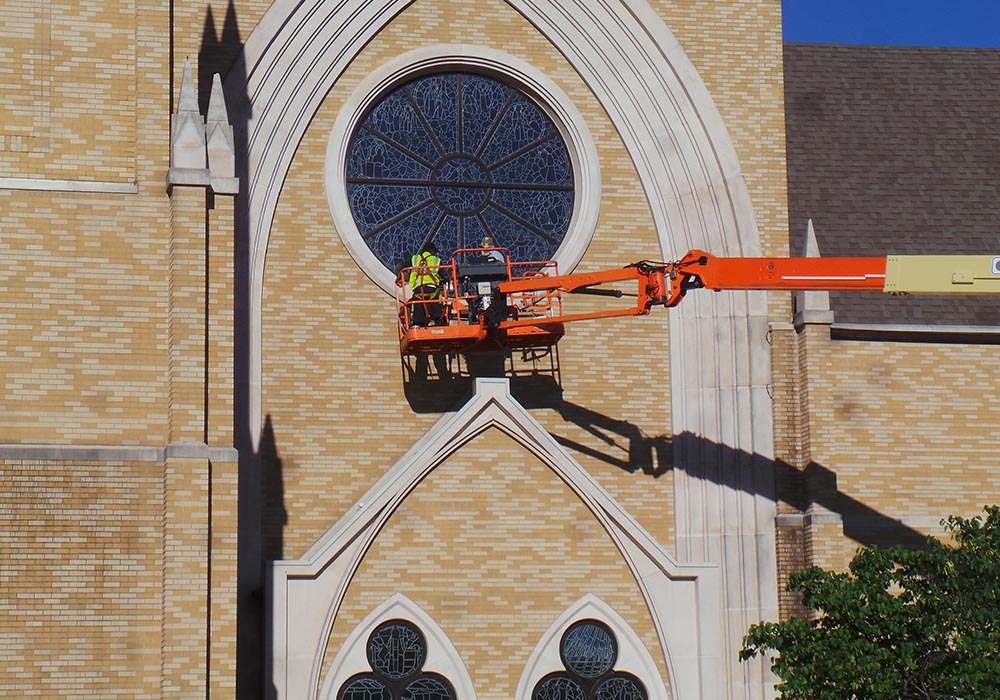
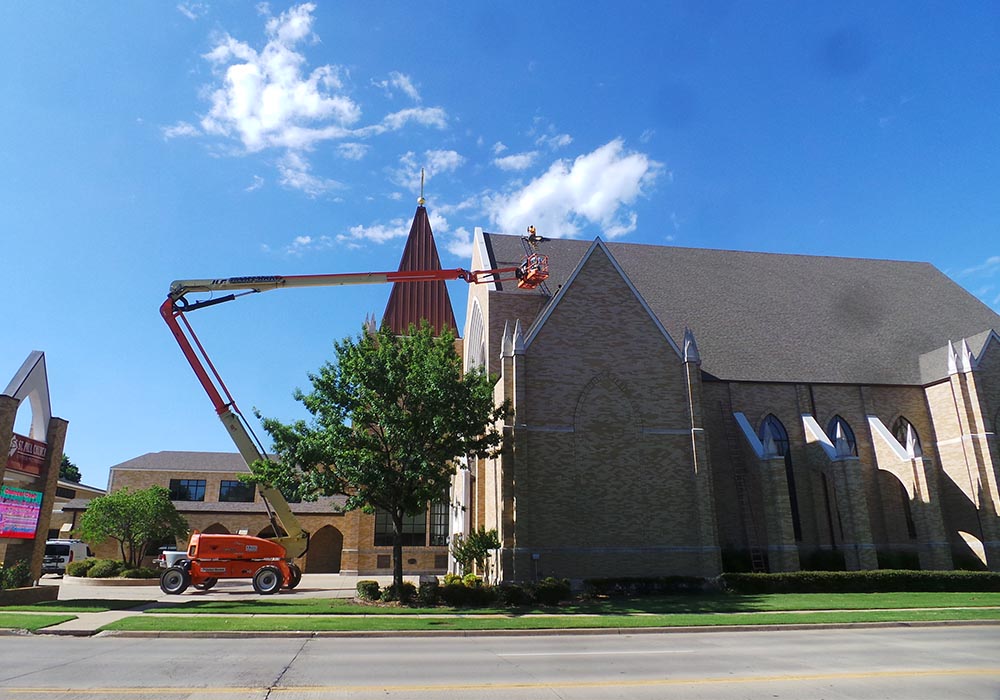
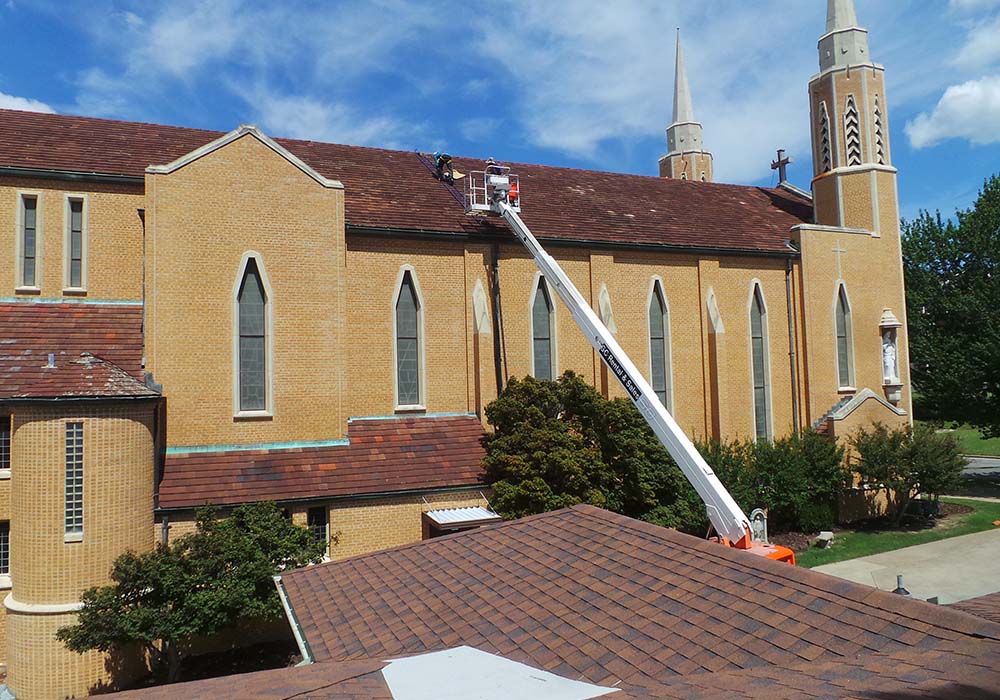
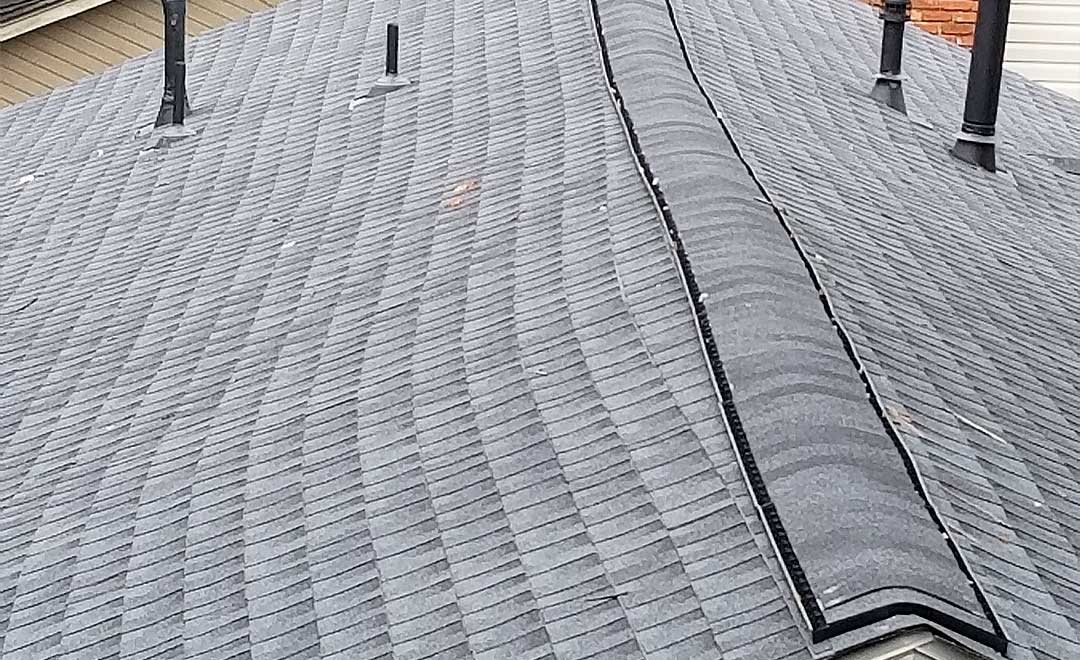
Examples of Our Tulsa Roofing Work
You may want to check more of our completed projects here!
Conclusion
Maintaining the integrity of your roof is essential for protecting your home and ensuring the safety and comfort of its occupants.
In Tulsa, where weather conditions can be unpredictable and severe, being proactive about roof maintenance is even more crucial.
By recognizing the signs of roof damage—whether it’s from storm impacts, age-related wear, or issues like moss growth and extensive leaking—you can take timely action to address problems before they escalate.
Regular inspections and maintenance are key to extending the life of your roof and preventing costly repairs.
Don’t wait for small issues to turn into major headaches.
If you notice any of the signs discussed, consider consulting us here in ProTech Roofing, your trusted roofing contractor who can provide a thorough assessment and recommend the best course of action.
Need Help With Your New Roof?
Pro-Tech Residential Roofing services all of northeast Oklahoma, including the communities: Tulsa, Bartlesville, Bixby, Broken Arrow, Jenks, Catoosa, Coweta, Claremore, Collinsville, Glenpool, Grand Lake, Inola, Mounds, Muskogee, Oologah, Owasso, Pryor, Skiatook, Sand Springs, Sapulpa, Tahlequah and Wagoner.
We provide roofing services in Tulsa and throughout northeast Oklahoma. View a more complete gallery of Oklahoma roofing projects.
If you need roofing in Tulsa or any Oklahoma community, give us a call at (918) 250-7663 or contact us here.