
Your roof is your first line of defense against the elements, so keeping it in top shape is critical for your home’s safety. We understand that maintaining a roof can feel overwhelming, but staying proactive is the best way to avoid massive expenses later.
Note: This post was originally published in September 2025 and has been fully updated in 2026.
- Regular inspections: We recommend a professional check twice a year to catch issues early. Look for missing shingles, water stains, sagging areas, and clogged gutters.
- Professional help: You should call an expert for active leaks, granule loss, flashing damage, or if your roof has passed the 20-year mark.
- Material selection: Asphalt shingles remain affordable in 2026, while metal roofs offer superior longevity and cooling efficiency. Clay and slate are premium, heavy-duty options for specific architectural needs.
- Storm recovery: After severe weather, check for dents and missing shingles. Document everything with photos before contacting us for a licensed repair.
- Energy efficiency: Modern upgrades like cool roofs and solar shingles can significantly lower your utility bills. 2026 federal tax credits often offset these installation costs.
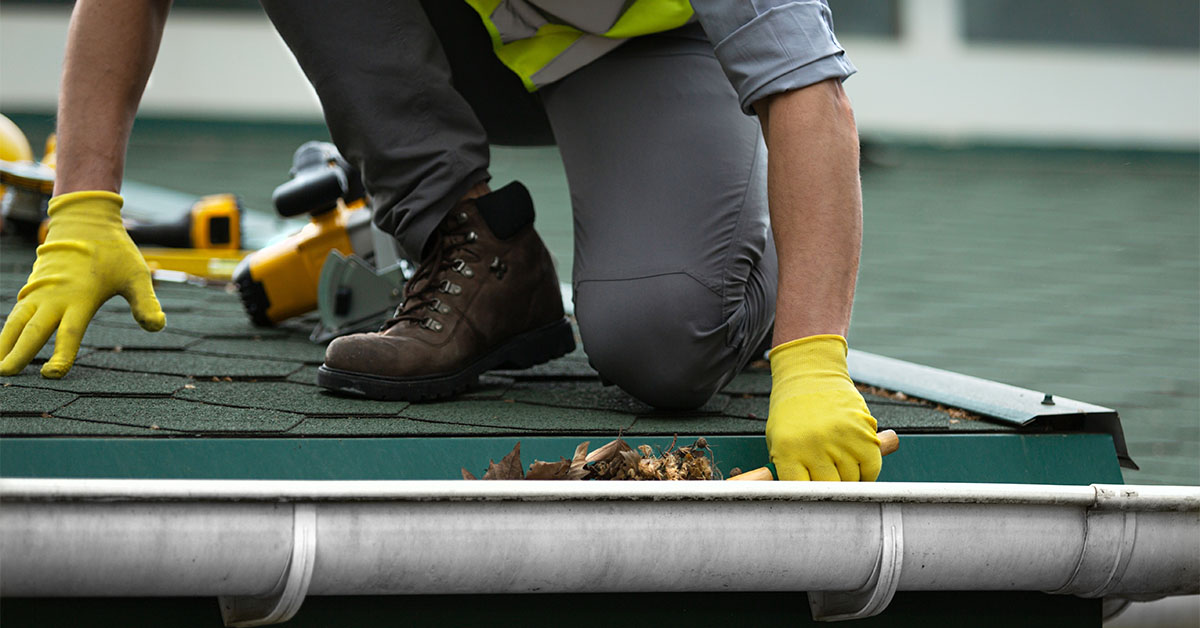
Take action now. You can extend your roof’s lifespan by scheduling regular maintenance and choosing the right materials for our local climate.
Roofing Questions You Might Be Too Embarrassed to Ask
How to Maintain Your Roof Properly for Maximum Longevity
Maintaining your roof is about more than just aesthetics. It is the primary way we ensure your home stays dry and your structural integrity remains intact. A small investment in regular attention helps you avoid the high costs of emergency 2026 roof replacements.
Bi-Annual Roof Inspections and Debris Removal
We suggest setting aside time every spring and fall to evaluate your roof. You can start by walking the perimeter of your property to look for curled shingles or sagging rooflines. If you have binoculars, use them to get a better view of the high peaks without leaving the ground.
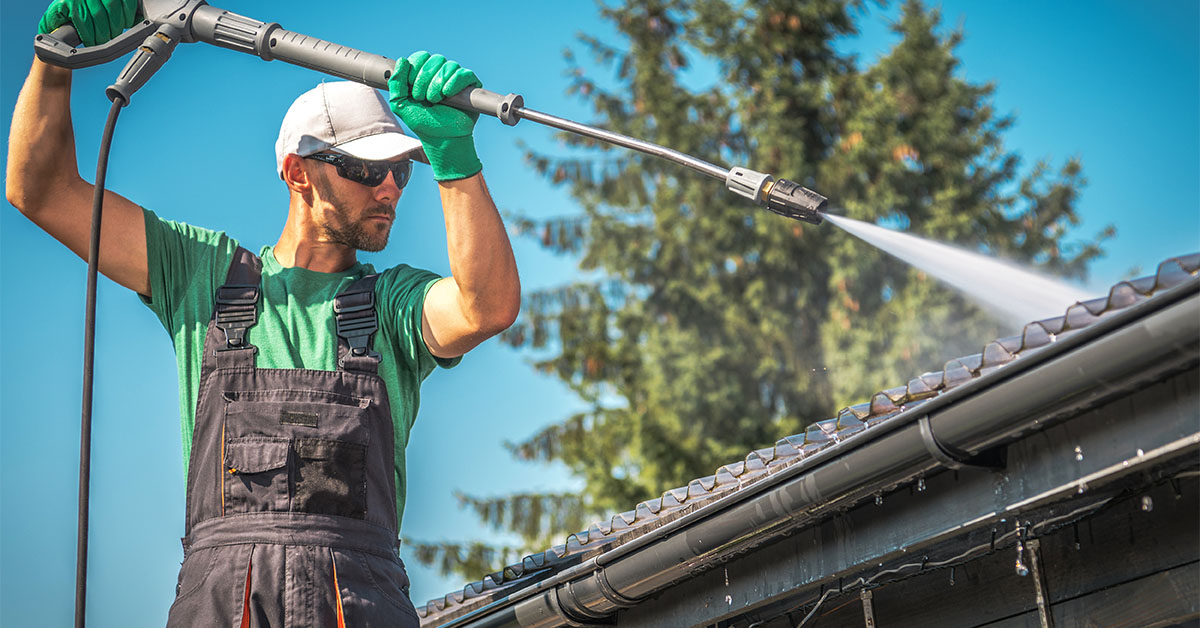
Gutters and downspouts are your roof’s drainage system. When leaves and debris clog these channels, water backs up and rots the roof’s edge. If you see shingle granules in the gutters, it is a clear sign that your asphalt surface is reaching the end of its life.
Check your attic regularly as well. We look for water stains, damp insulation, or pinpricks of sunlight. These are immediate indicators of a breach. Also, ensure tree branches are trimmed at least six feet away from the surface to prevent scraping and pest access.
When to Call a Professional Roofer
While DIY checks are great, certain situations require our professional expertise. You should call us immediately if you notice any of the following:
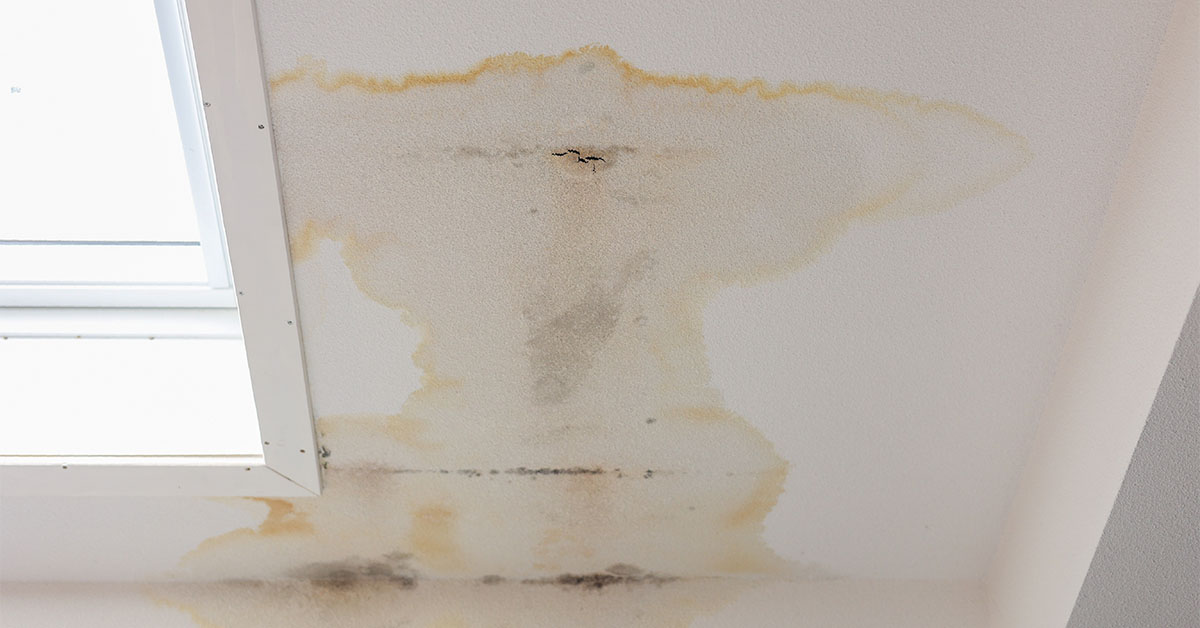
- Interior water stains: Ceilings or walls showing brown spots mean an active leak is already causing mold or structural decay.
- Missing shingles: Exposed underlayment leaves your home vulnerable to the next rainstorm.
- Visible daylight: If you see light through the roof boards in your attic, water and pests can get in too.
- Sagging roofline: This is a critical structural warning. It may indicate rot in the decking or rafters that requires immediate attention.
- Roof age: If your system is 20 to 25 years old, a professional evaluation is the only way to determine if it is still protecting you effectively.
- Damaged flashing: The metal around your chimney and vents is a common failure point. We ensure these seals are tight and corrosion-free.
Even if your roof appears perfect, a professional annual inspection is a smart move. We spot hidden vulnerabilities that the untrained eye might miss, saving you thousands in the long run.
How to Choose the Right Roofing Material for Your Home
Choosing the right roofing material involves balancing your budget, the local 2026 weather patterns, and your home’s architectural style. Your choice directly influences your energy bills and future maintenance requirements.
Comparing Modern Roofing Materials
Every material has specific performance benchmarks. We help our clients weigh these pros and cons to find the perfect fit for their property.
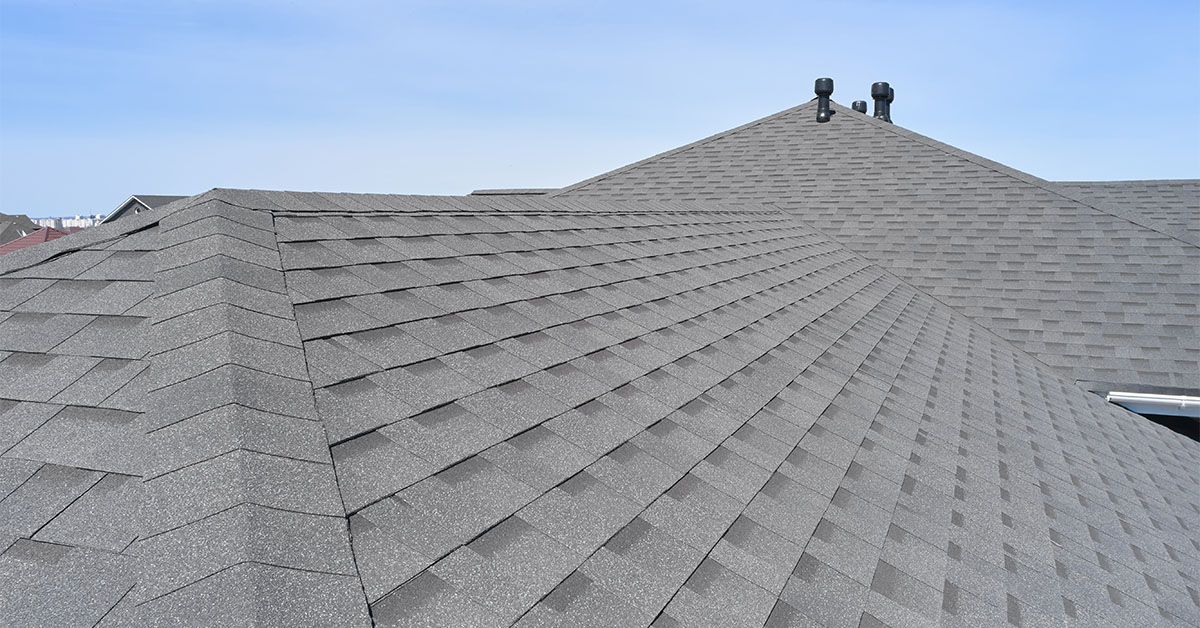
- Asphalt shingles: These are the most budget-friendly and versatile. While they are a cost-effective option, they have a shorter lifespan than premium materials.
- Metal roofing: Metal is incredibly durable and reflects solar heat. While the upfront price is higher, the ROI is excellent due to longevity.
- Clay and concrete tiles: Perfect for heat resistance and fire safety. These are heavy and may require us to reinforce your home’s structure before installation.
- Slate roofing: This is the “forever roof.” Slate offers unmatched beauty and can last over a century, though it represents a significant financial investment.
| Material | Longevity | 2026 Cost Index | Climate Suitability | Maintenance |
|---|---|---|---|---|
| Asphalt Shingles | Moderate | Affordable | Best for moderate climates | Moderate |
| Metal Roofing | Long-lasting | Higher upfront | All climates / Severe weather | Low |
| Clay/Concrete Tile | Very durable | Premium | Ideal for hot, dry climates | Low to moderate |
| Slate Roofing | Centennial | High Investment | Architectural specific | Minimal |
Key Takeaways for Selecting Your Roof
Before you commit to a material, we recommend considering these vital factors:
- Climate Compatibility: We help you choose impact-resistant shingles if you live in a high-wind or hail-prone area.
- Energy Efficiency: Reflective coatings and light colors are essential for reducing summer cooling loads.
- HOA Guidelines: We ensure your chosen material complies with any local neighborhood restrictions.
- Long-Term Value: We often find that spending more upfront on metal or slate saves you more on energy and repairs over 30 years.
- Warranty Coverage: Always look for “Full System” warranties that cover both materials and our labor.
Dealing with Storm Damage and Emergency Repairs
Storms are the biggest threat to your roof’s health. We specialize in helping homeowners identify hidden damage and navigate the complex 2026 insurance landscape.
How to Spot Storm Damage Quickly
After the clouds clear, your roof may look fine from the driveway, but problems could be hidden. Start by checking for cracked or curled shingles. We look for granule loss on asphalt or dents in metal flashing. High winds often “break the seal” of your shingles, even if they don’t blow off completely.
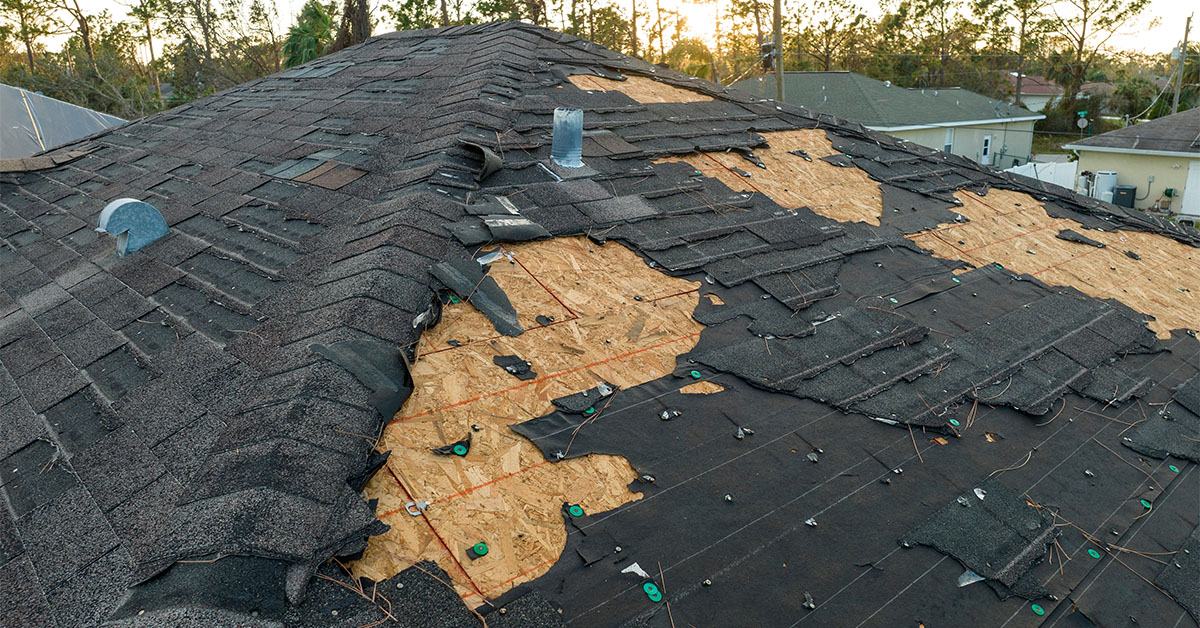
Inside, keep an eye on your ceiling. Any new water spots around vents or chimneys indicate a failure in the flashing. If your gutters have pulled away or are filled with debris, the storm likely caused more damage than is visible at first glance.
Your Immediate Post-Storm Action Plan
Your safety is our priority. Never climb onto a wet or damaged roof. Instead, use binoculars to inspect from the ground. We recommend following these steps:
- Document everything: Take timestamped photos of the damage and your interior ceilings. Detailed notes are essential for your adjuster.
- Mitigate further loss: Use buckets for active leaks. If the damage is severe, call us for emergency tarping services to protect your home’s interior.
- Consult a pro: Reach out to a licensed roofing contractor for a formal assessment. For instance, our team at Pro-Tech Roofing offers free inspections to document storm impact for insurance purposes.
Navigating Insurance Claims in 2026
The insurance process can be daunting. We suggest filing your claim as soon as possible to meet policy deadlines. When the adjuster arrives, we can be there to ensure they don’t miss any subtle damage that could lead to future leaks.

Review your policy to see if you have Replacement Cost Value (RCV) or Actual Cash Value (ACV). RCV policies generally cover the full cost of a 2026 replacement, minus your deductible. We work directly with adjusters at Pro-Tech Roofing to provide accurate estimates and ensure your repairs meet all current building codes.
Energy-Efficient Roofing Options and Upgrades
In 2026, energy efficiency is a top priority for most homeowners. Upgrading your roof is one of the most effective ways to lower your carbon footprint and your monthly expenses.
Modern Energy-Efficient Roofing Systems
- Cool Roofing: These systems use reflective granules or coatings to bounce sunlight away. This keeps your attic significantly cooler during hot summer months.
- Reflective Coatings: We can apply these to existing roofs to boost their performance without a full replacement.
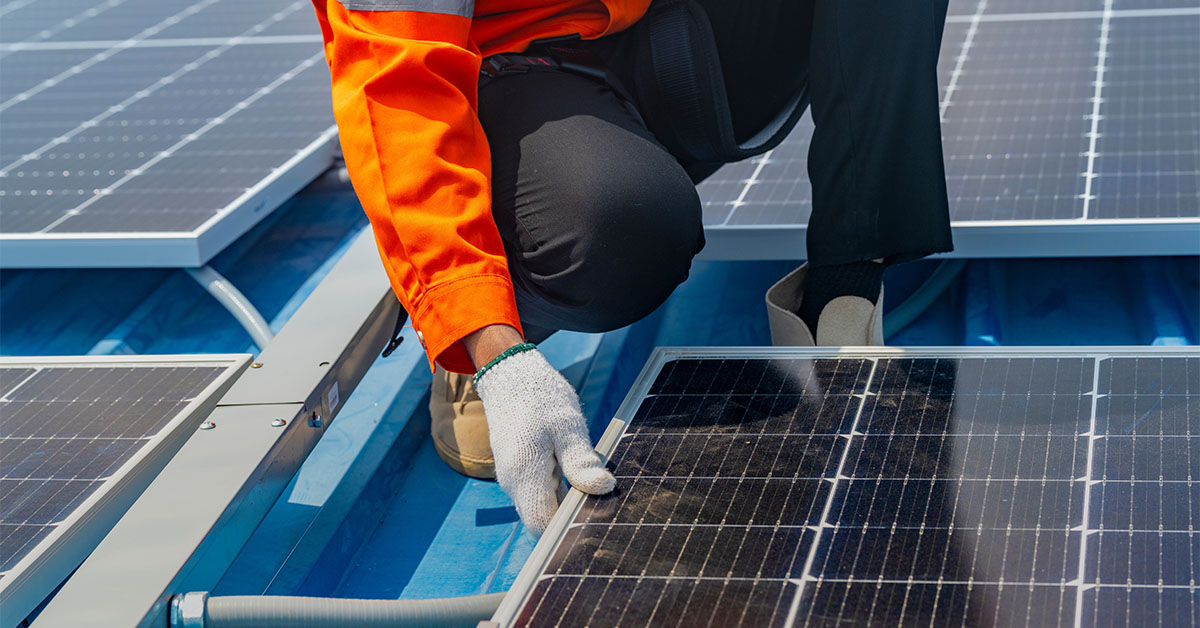
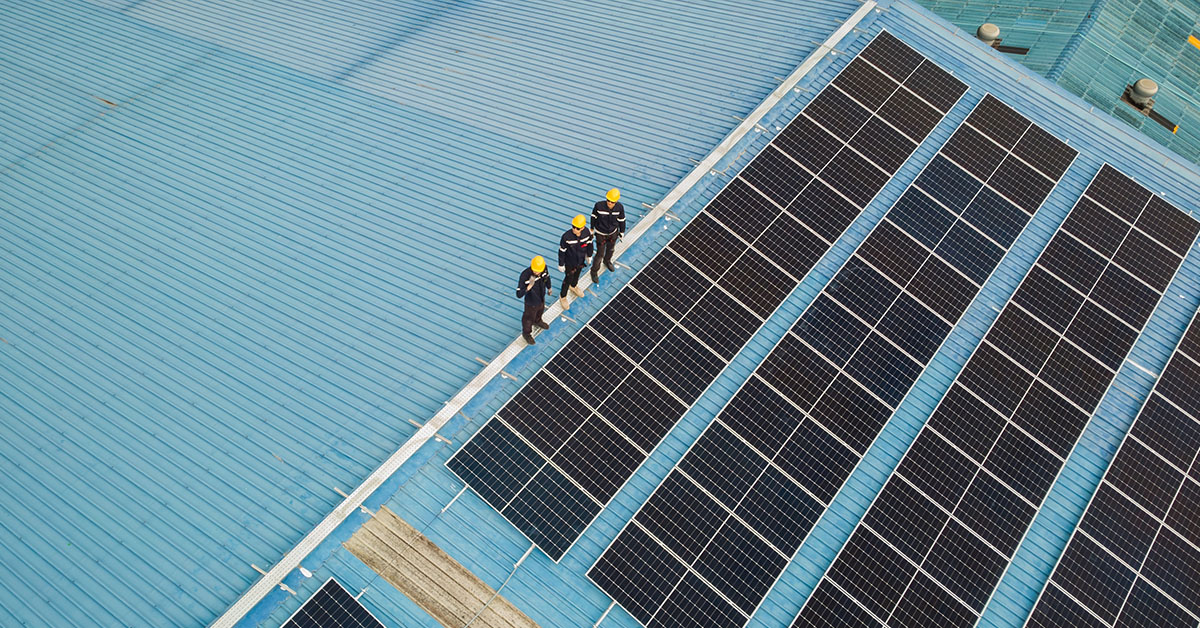
- Integrated Solar: Solar shingles now blend perfectly with standard roof lines, generating clean energy while protecting your home.
- Green Roofs: By using vegetation, these systems provide incredible insulation and stormwater management benefits.
2026 Tax Credits and Incentives
Federal and state programs have expanded in 2026 to make these upgrades more affordable. You may qualify for significant rebates or tax exemptions. We recommend checking the Database of State Incentives for Renewables & Efficiency (DSIRE) for the latest local programs that can reduce your upfront costs.
Working with Professional Roofing Contractors
Choosing the right roofer is the most important part of the process. We pride ourselves on transparency, safety, and technical excellence.
The Importance of Licensing and Insurance
We believe every homeowner deserves the security of a licensed professional. This ensures your project meets all 2026 safety codes. Insurance is just as vital: our general liability and workers’ compensation policies protect you from being held liable for any accidents on your property.
Our Expertise at Pro-Tech Roofing
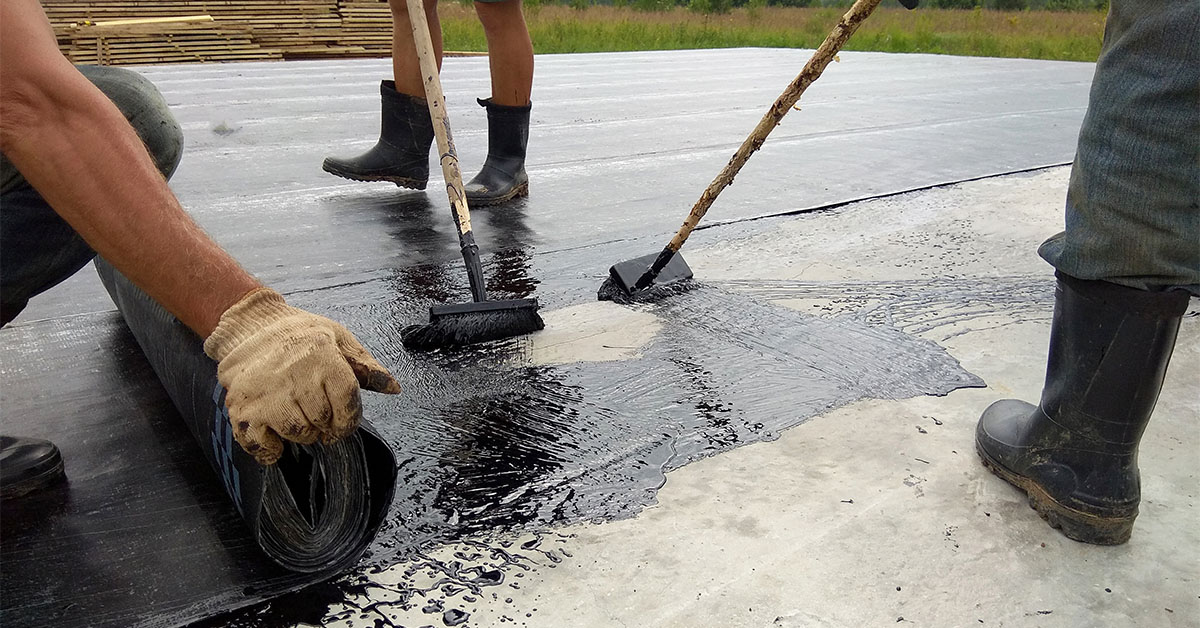
We offer specialized residential and commercial roofing across Tulsa. Our certifications from GAF and Owens Corning allow us to offer the industry’s best warranties. We also specialize in historic roof restoration, including the delicate repair of slate and tile for older homes and churches.
The Professional Inspection Process
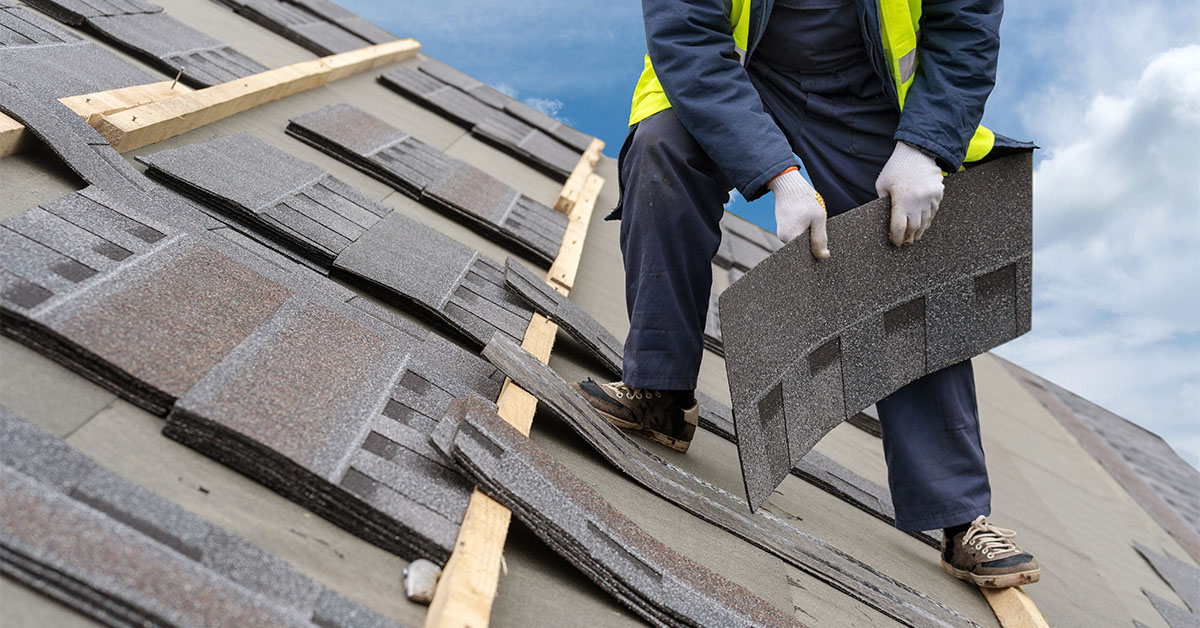
When we perform an inspection, we cover three main areas:
- Exterior Evaluation: We check every shingle, tile, and panel along with the sealants around all penetrations.
- Drainage Check: We ensure your gutters are pitched correctly and free of blockages.
- Attic Analysis: We verify your ventilation and insulation levels to ensure your roof isn’t “cooking” from the inside out.
Conclusion: Your Next Steps for Total Roof Care
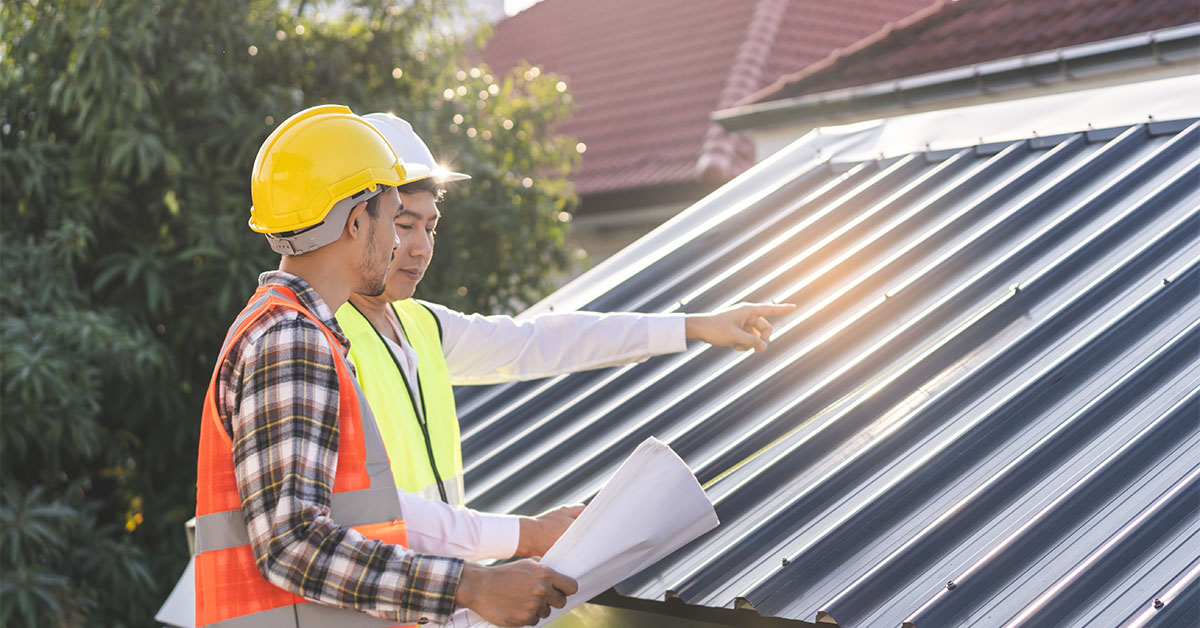
Roof care does not have to be a source of stress. By following a consistent maintenance schedule, you can protect your investment and keep your family safe. Start by scheduling your bi-annual professional checkup and addressing minor repairs as they arise.
Are you ready to protect your home? Contact us today to schedule your free 2026 roof inspection. Our team is ready to help you navigate everything from simple repairs to full energy-efficient upgrades.
Frequently Asked Questions
What are the signs that my roof needs a professional inspection?
Look for curled or missing shingles, heavy granule loss in your gutters, or brown water stains on your ceiling. If your roof is over 20 years old or has recently survived a major storm, we recommend a professional evaluation immediately to catch hidden structural issues.
What is the best roofing material for energy efficiency in 2026?
Metal roofing and “cool” asphalt shingles are top performers for heat reflection. These materials can reduce your air conditioning costs by up to 20%. We recommend choosing impact-rated materials if you live in an area with frequent hail or high winds.
What should I do immediately after storm damage?
First, stay safe and stay off the roof. Document all damage with photos from the ground and call a professional roofer for a detailed damage report. This report is your best tool when filing an insurance claim and ensuring you receive a fair settlement for your repairs.