
Your roof is the primary defense for your home. However, common oversights often lead to devastating financial consequences. We see homeowners overlook critical issues like poor installation or deferred maintenance every day. These mistakes result in leaks, structural rot, and skyrocketing utility bills.
Note: This post was originally published in September 2025 and has been fully updated in 2026.
Here is our breakdown of the top seven costly roofing mistakes and how you can avoid them:
- Choosing the Cheapest Option: Low bids typically indicate poor workmanship or bottom-tier materials, leading to frequent repairs and a shortened roof lifespan.
- Poor Underlayment Installation: Incorrect underlayment allows water to bypass your shingles, requiring expensive structural fixes and voiding warranties.
- Wrong Nailing Methods: Overdriven or misplaced nails weaken your shingles and create easy entry points for leaks.
- Inadequate Ventilation: Poor airflow traps heat in your attic, causing moisture buildup and higher cooling costs in 2026.
- Skipping Regular Inspections: Small, invisible issues snowball into disasters if you do not catch them early.
- Delaying Minor Repairs: Ignoring a single loose shingle can escalate into a structural emergency.
- Using Cheap Materials: Low-quality shingles wear out years ahead of schedule, forcing an early replacement.
Key Takeaways:
- Invest in high-quality materials to ensure 20+ years of protection.
- Hire skilled, licensed contractors rather than the lowest bidder.
- Schedule inspections twice a year to stop minor issues from becoming major expenses.
How Roofing Mistakes Drain Your Budget
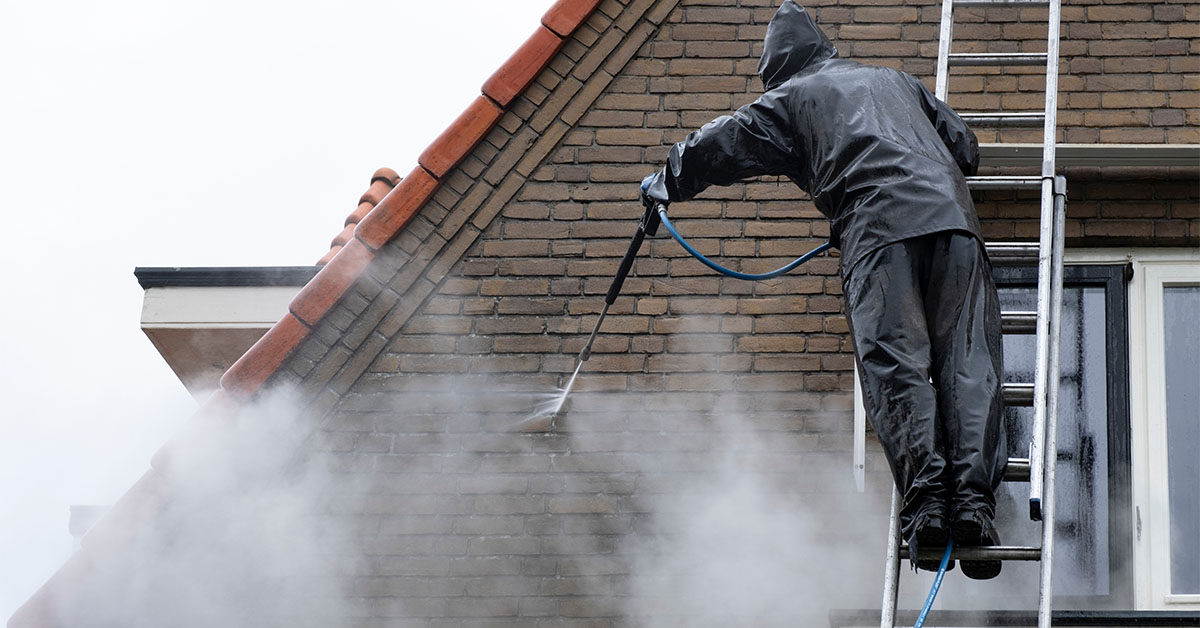
Roofing errors are expensive. Subpar materials and poor installation techniques are the fastest ways to drain your bank account. We have found that neglecting regular maintenance leads to repairs that cost 3x more than the original preventative service. Even worse, these issues shorten the lifespan of your roof. You may find yourself paying for a full replacement a decade sooner than necessary.
1. Picking the Cheapest Option
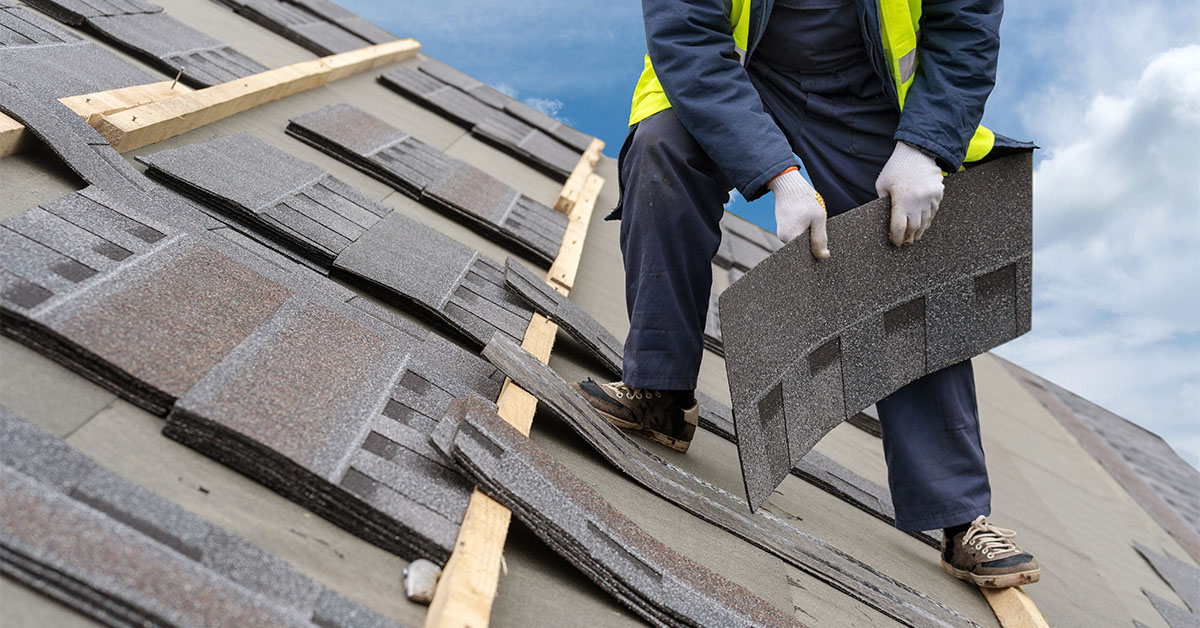
Choosing the lowest bid for a roofing project feels like a win for your budget. In reality, it is often a trap. Low bids usually mean the contractor is cutting corners. They may hire unskilled labor, skip essential safety steps, or use “builder-grade” materials that cannot withstand 2026 weather patterns.
Financial Impact of the Mistake
The long-term costs of a cheap roof are staggering. A standard roof should last 20 to 25 years. However, shoddy work can cause a total failure in as little as 7 to 10 years. You end up paying for two roofs in the time you should have only paid for one. Additionally, poor installation makes your home vulnerable to interior water damage, which insurance may refuse to cover if the work was not up to code.
How to Avoid This Problem
Focus on long-term value rather than the upfront price tag. We recommend that you get detailed quotes from licensed and insured contractors. Compare the specific materials, the length of the labor warranty, and the contractor’s reputation. Check BBB ratings and verified 2026 reviews.
2. Poor Underlayment Installation
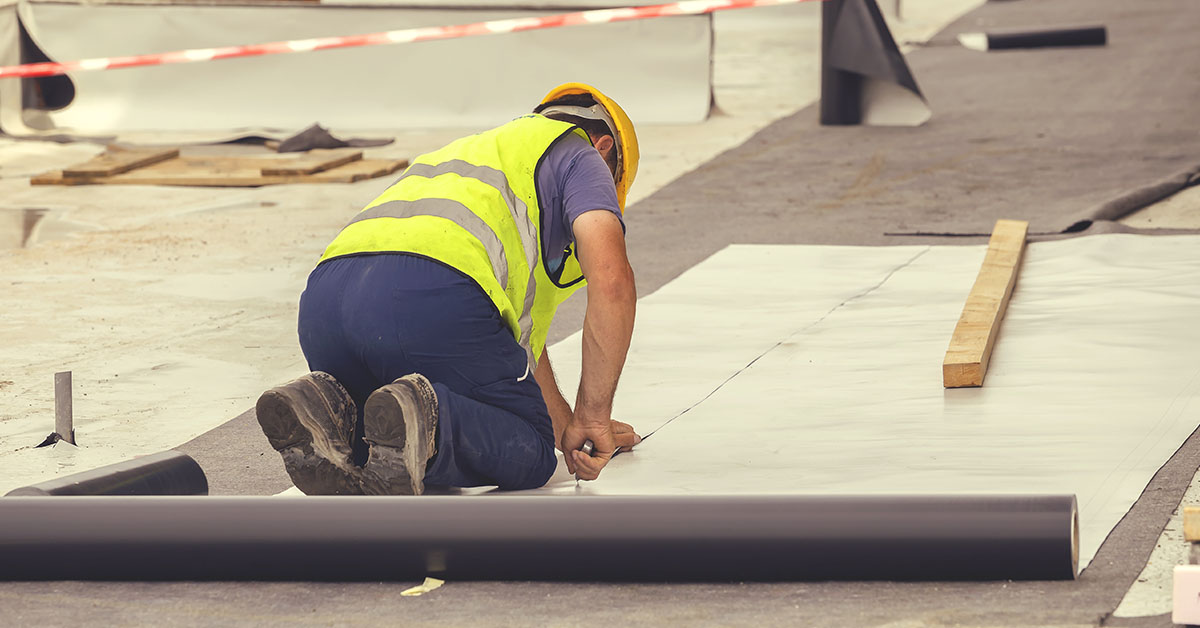
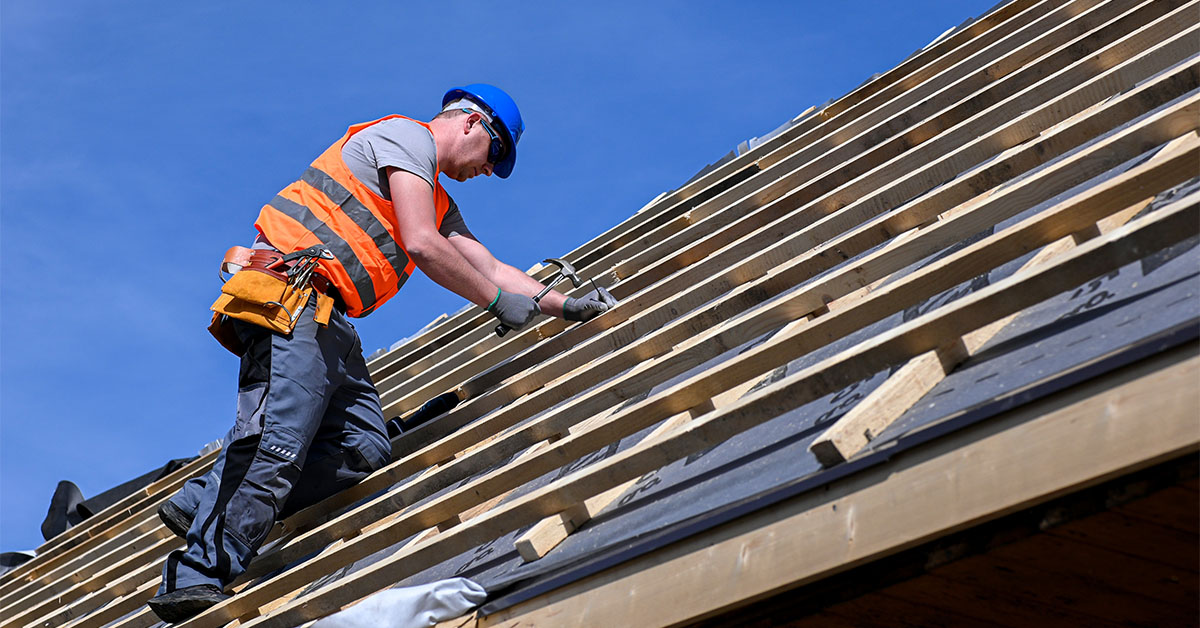
Poorly installed underlayment weakens your roof’s ability to protect your home. The underlayment is a critical secondary barrier against water damage. It sits directly on the roof deck beneath your shingles. If we do not install it correctly, the risk of leaks and hefty bills increases significantly.
Financial Impact and Long-Term Effects
Water sneaking past the underlayment leads to major expenses. Structural wood rot, saturated insulation, and ruined drywall add up quickly. To make matters worse, insurance companies in 2026 often view these as maintenance issues rather than covered damages. You may have to foot the entire bill yourself.
3. Wrong Nailing Methods
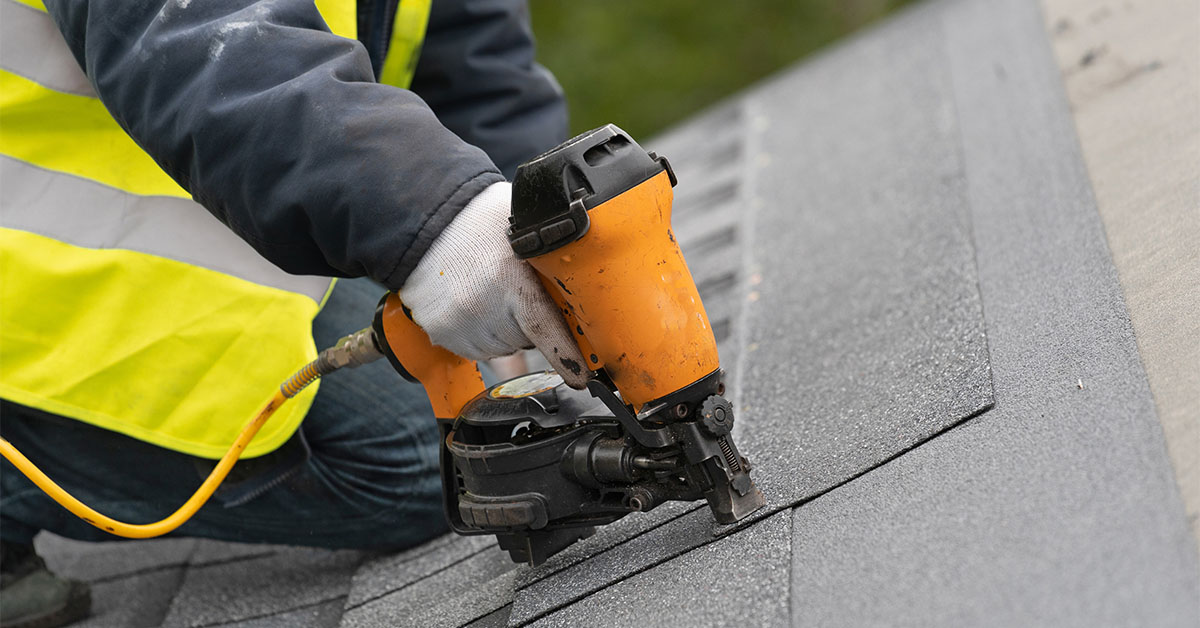
Poor nailing techniques compromise your roof’s performance. While it seems like a minor detail, improper nailing is a frequent error that weakens the entire system. Correct nailing is essential for shingles to last. We often find installations that fail due to overdriven nails, misplaced nails, or the use of staples instead of roofing nails.
Financial Impact of the Mistake
The financial toll of poor nailing is significant. Fixing nail pops alone can cost between $150 and $400. Overdriven nails can also void your manufacturer’s warranty, leaving you responsible for the full cost of repairs that would have otherwise been covered.
4. Poor Roof Ventilation
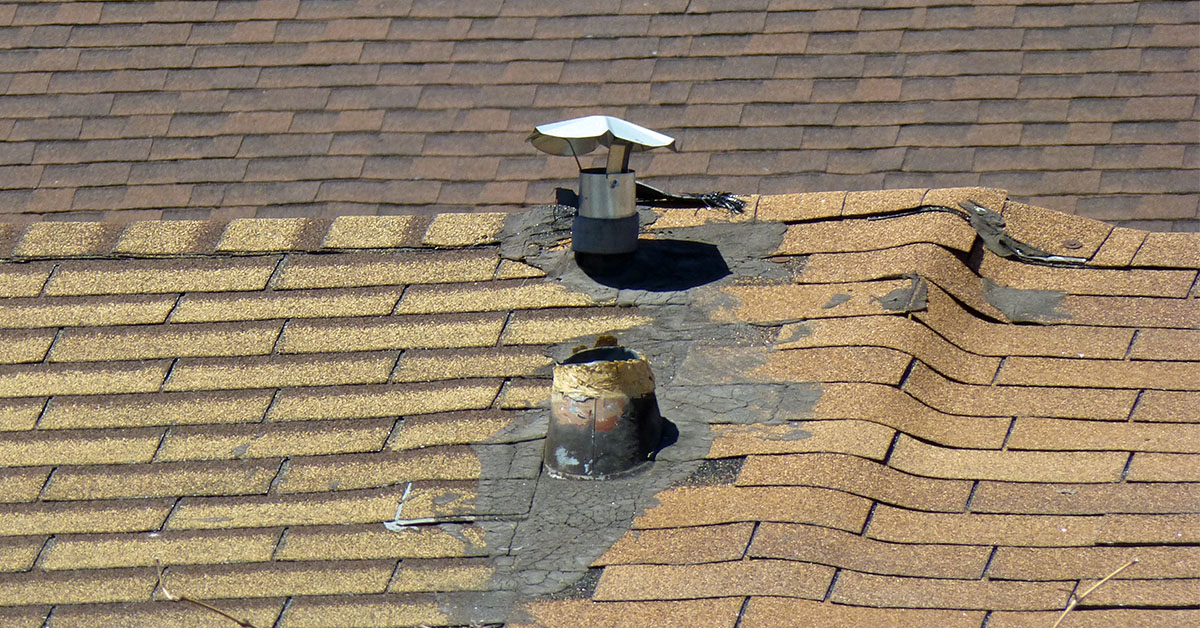
Good attic ventilation is essential to prevent heat and moisture buildup. Think of it as your roof’s way of breathing. Without enough airflow, heat stays trapped in the attic, leading to serious structural problems over time.
Long-Term Effects on Roof Durability
Inadequate airflow shortens your roof’s lifespan. Heat warps the decking and degrades shingles prematurely. You may see “blistering” on the shingles, which ruins both their look and their function. Mold thrives in these damp conditions, posing a health risk to your family and weakening the roof structure.
5. Skipping Regular Inspections
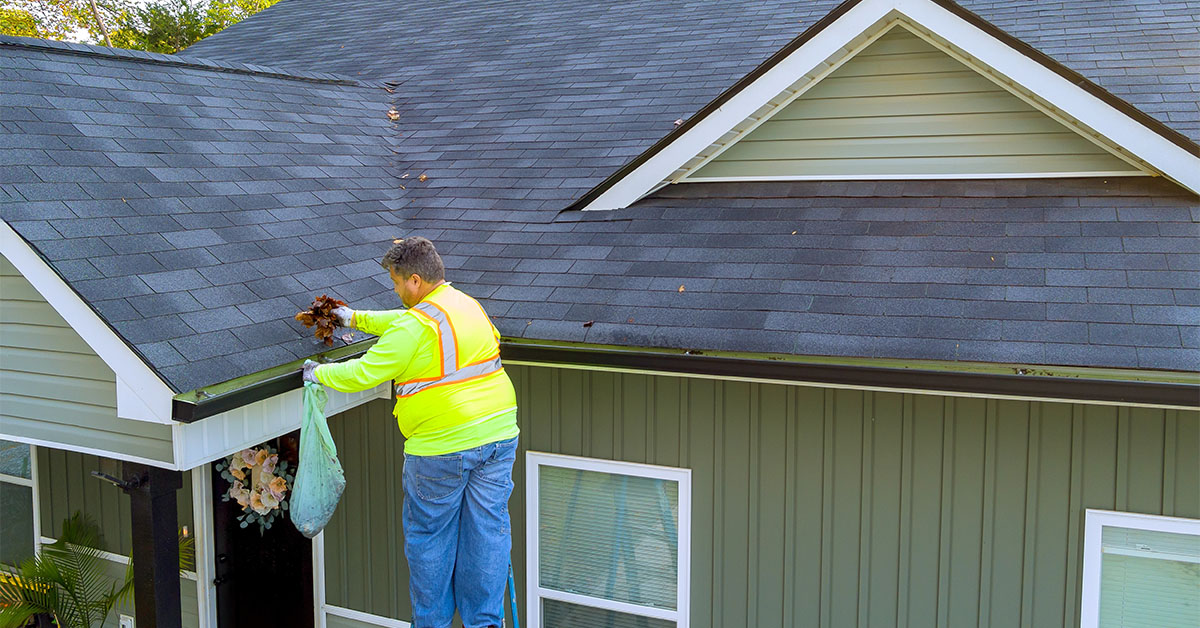
Many homeowners wait until they see a leak to call a roofer. By then, the damage is already done. Without regular check-ups, small issues quietly grow into five-figure repairs. A missing shingle or lost granules are early warning signs that we can address before they become disasters.
Steps to Ensure Effective Roof Inspections
- Schedule professional assessments in the spring and fall.
- Arrange an inspection immediately after any severe storm or hail event.
- Hire professional roofing experts to perform detailed assessments.
6. Putting Off Small Repairs
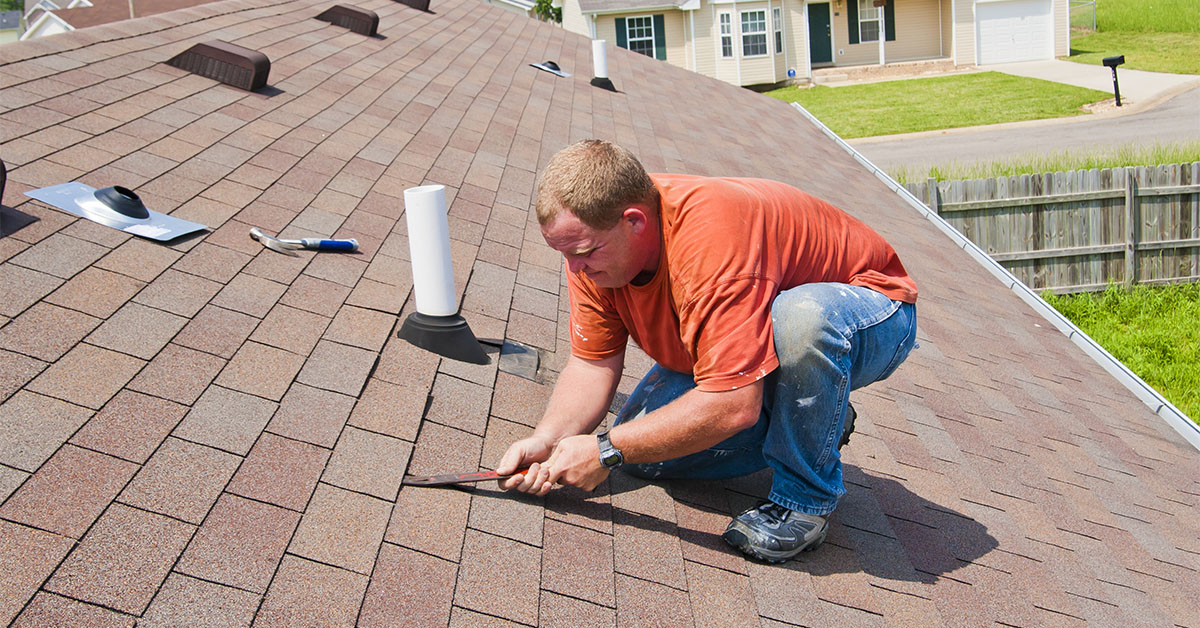
Ignoring a loose shingle or a minor leak is a recipe for disaster. Even a tiny gap allows water to seep into your wooden beams, insulation, and drywall. Over time, this leads to rotted decking and toxic mold. Neglecting these repairs weakens the entire structure of your home.
7. Buying Cheap Materials
Skimping on quality might save money today, but it costs you more tomorrow. Budget constraints make cheap shingles look appealing. However, these materials often fail to stand the test of time. Low-grade flashing and underlayment wear out faster, resulting in more frequent repairs and a shorter roof lifespan.
How to Avoid These Costly Mistakes
Taking steps to avoid these pitfalls can save you both money and headaches in the long run. Here are practical ways to ensure your roof stays in great shape while avoiding unnecessary expenses:
- Choose the Right Contractor: Check their license and confirm they carry both general liability and workers’ compensation insurance.
- Set Up Regular Inspections: We recommend checking your roof twice a year, ideally in the spring and fall.
- Know the Warning Signs: Watch for missing shingles, granule loss, and water stains on ceilings.
- Act Quickly on Repairs: Small problems can quickly spiral into major structural damage if ignored.
Conclusion
Avoiding roofing mistakes is about more than saving money. It is about protecting your home and ensuring it performs at its best. Your roof is a massive investment. Neglecting it racks up repair bills and shortens its lifespan. Proper insulation and ventilation also cut your heating and cooling costs in 2026. Stick to maintenance guidelines to protect your warranties and keep your insurance premiums low.
FAQs
How can I make sure my roofing contractor uses high-quality materials?
We recommend verifying that materials meet ASTM or UL standards. These certifications prove the materials were tested for 2026 safety and durability. Look for straight shingle lines and professional flashing finish as indicators of skilled craftsmanship.
What are the signs of poor roof ventilation?
Common signs include an overheated attic, visible mold, curling shingles, and ice dams. You might also notice an increase in energy bills or musty odors from trapped heat and moisture. To fix this, we ensure proper airflow through soffit and ridge vents.
How often should I have my roof inspected?
We suggest a professional inspection at least once a year. You should also check the roof after major weather events like heavy storms, hail, or strong winds. This helps you tackle minor issues early and avoid expensive repairs.