
Deciding between restoring or replacing a metal roof is a high-stakes choice for any property owner. It ultimately comes down to your roof’s current structural condition, your budget, and your long-term goals for the building.
Restoration is a more affordable option, with 2026 market rates typically ranging from $7–$15 per square foot. For a standard 2,000 sq ft roof, you can expect an investment of roughly $14,000–$30,000. This process can extend your roof’s functional life by 10–15 years and is ideal for surfaces with minor wear, such as surface rust or small leaks.
Note: This post was originally published in December 2025 and has been fully updated in 2026.

Replacement is necessary for roofs with severe damage, extensive deep-set corrosion, or compromised structural integrity. In today’s market, replacement costs roughly $18–$35 per square foot, totaling $36,000–$70,000 for a 2,000 sq ft area. While the upfront cost is higher, it offers a massive lifespan of 40–70 years and allows us to install modern upgrades like superior insulation and energy-efficient ventilation.
Key Takeaways: Restoration vs. Replacement
- Restoration is cost-effective: It saves 50-70% compared to a full tear-off.
- Replacement offers longevity: You gain up to 70 years of protection.
- Environmental impact: Restoration keeps tons of metal out of local landfills.
- Energy efficiency: Both options can utilize “cool roof” technology to lower cooling bills.
| Criteria | Restoration | Replacement |
|---|---|---|
| Cost (2026) | $7–$15 per sq ft | $18–$35 per sq ft |
| Lifespan Added | 10–15 years | 40–70 years |
| Best For | Minor leaks, surface rust | Severe damage, structural failure |
| Timeline | 1–3 days | 1–2 weeks |
A professional inspection is the only way to determine which path is right for you. Restoration is generally viable if less than 30% of the roof requires attention. If the damage is more widespread, a replacement ensures the safety of your building for the next several decades.
What is Metal Roof Restoration?
Metal roof restoration is a high-performance maintenance strategy. We clean, repair, and coat your existing roof to extend its life without the massive disruption of a total tear-off.
The Restoration Process
We begin with a detailed inspection to identify leaks, loose fasteners, or rust. Our team then performs a deep pressure wash (up to 4,000 PSI) to remove oxidation and debris. We treat rust with specialized converters and seal every seam and flashing.
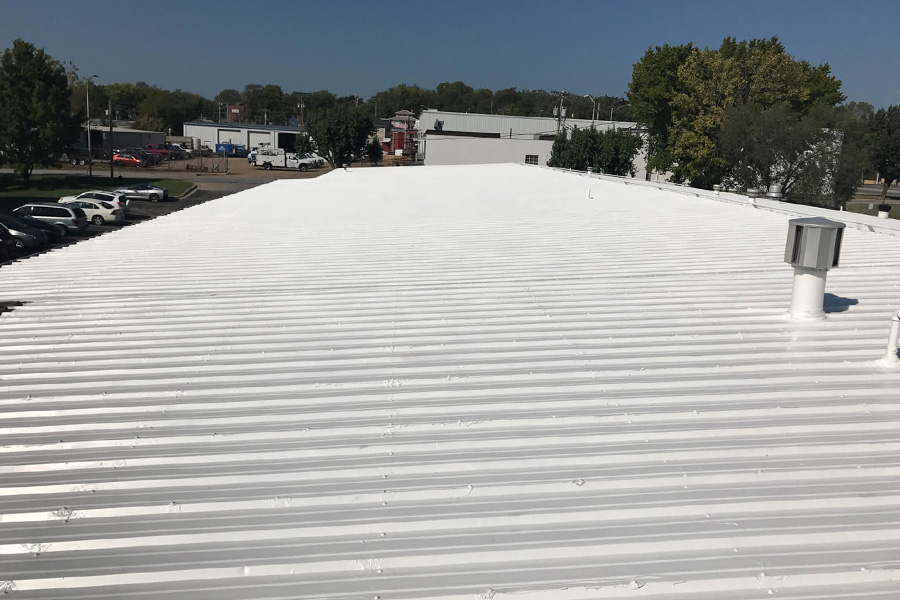
The final stage is the application of a protective coating, such as silicone or elastomeric materials. These coatings are applied to a thickness of 10–20 mils. They do more than stop leaks: they reflect sunlight, which can lower your roof’s surface temperature and drastically reduce cooling costs.
What is Metal Roof Replacement?
Metal roof replacement is the process of removing your old roofing system entirely and installing a brand-new one from the deck up. This is a comprehensive solution that addresses deep structural issues that a coating cannot fix.

When Replacement is the Only Option
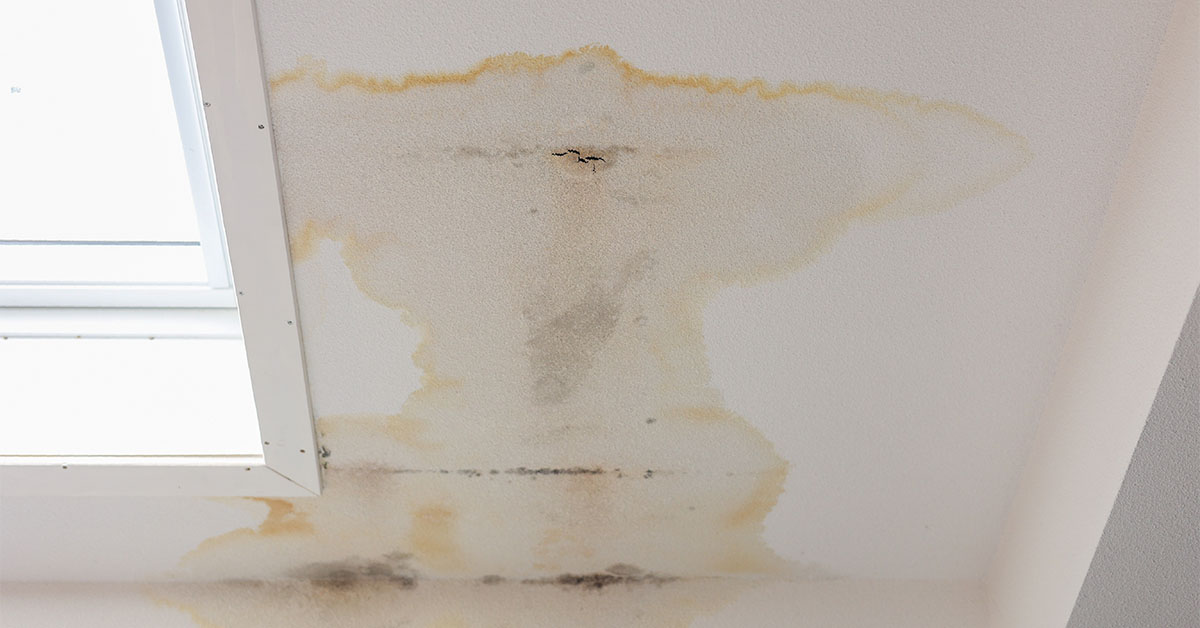
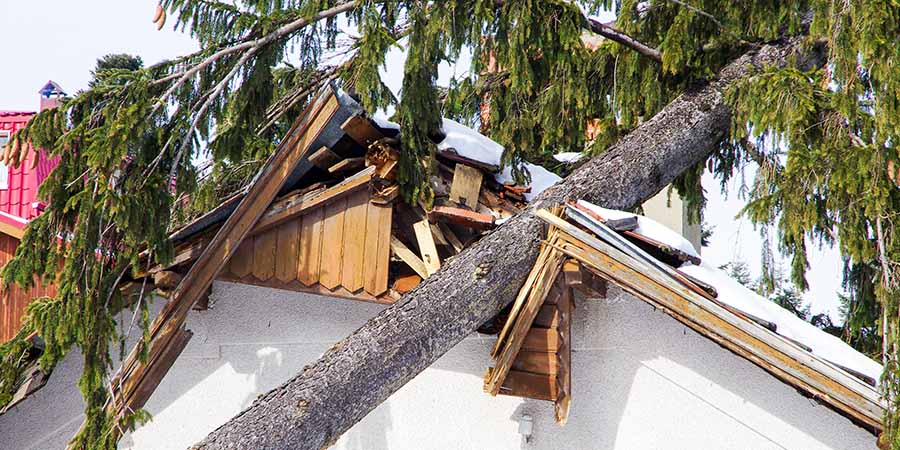
Replacement becomes essential when deterioration is widespread. If we find severe corrosion that has created perforations or structural sagging in the frame, a coating will not suffice. We also recommend replacement if your roof has suffered significant hail or wind damage that has compromised the seams or fasteners beyond repair.
As a rule of thumb, if your roof is over 40 years old and requiring frequent, expensive repairs, investing in a new system is the smarter financial move. This also allows us to upgrade your building to meet 2026 building codes and energy standards.
Comparing Costs, Lifespan, and Performance
Cost Differences
Restoring a metal roof is often 40-60% less expensive than opting for a full replacement. This cost advantage comes from avoiding the labor-intensive tear-off and disposal processes.
Restoration keeps the existing metal intact, which minimizes the need for new raw materials. In contrast, replacement involves removing old panels, paying 2026 landfill fees for debris, and installing an entirely new system.

Lifespan Differences
When we perform a restoration correctly, it typically adds 10-20 years to the life of a structurally sound metal roof. This is a significant extension for an aging asset.
In comparison, a brand-new metal roof installed in 2026 usually lasts 40-70 years. This depends on the specific metal gauge, finish, and our local Oklahoma climate.
Performance and Environmental Factors
Restoration focuses on waterproofing by addressing fasteners and reinforcing seams with a seamless elastomeric coating. These coatings include reflective finishes that lower surface temperatures and reduce cooling costs.
Another environmental benefit is the reduction of waste. Restoration avoids sending tons of metal to landfills by reusing your existing roof as a foundation.
On the other hand, replacing a roof allows us to introduce modern design enhancements. These include updated panel layouts, high-performance underlayment, and superior flashings.
Replacement also allows for major upgrades, such as switching to standing seam systems or preparing the structure for solar panel integration. While it generates more initial waste, modern metal roofing materials remain highly recyclable.
How to Decide: Restoration or Replacement?
When Restoration Makes Sense
Restoration is a smart choice when the metal panels and underlying structure are in good shape but show signs of moderate wear. This includes failing sealant, minor fastener issues, or aging surface coatings.
If your roof is under 30 years old and has isolated leaks without sagging or soft spots in the decking, restoration can restore performance at a fraction of the cost.

This option is especially appealing if you are working with a tight 2026 budget or plan to keep the property for another 5-15 years. It also minimizes noise and downtime for your business or home.
When Replacement Makes Sense
Severe deterioration often calls for a full replacement. If damage is widespread and cannot be sealed effectively with coatings, a new roof is the only safe path forward.
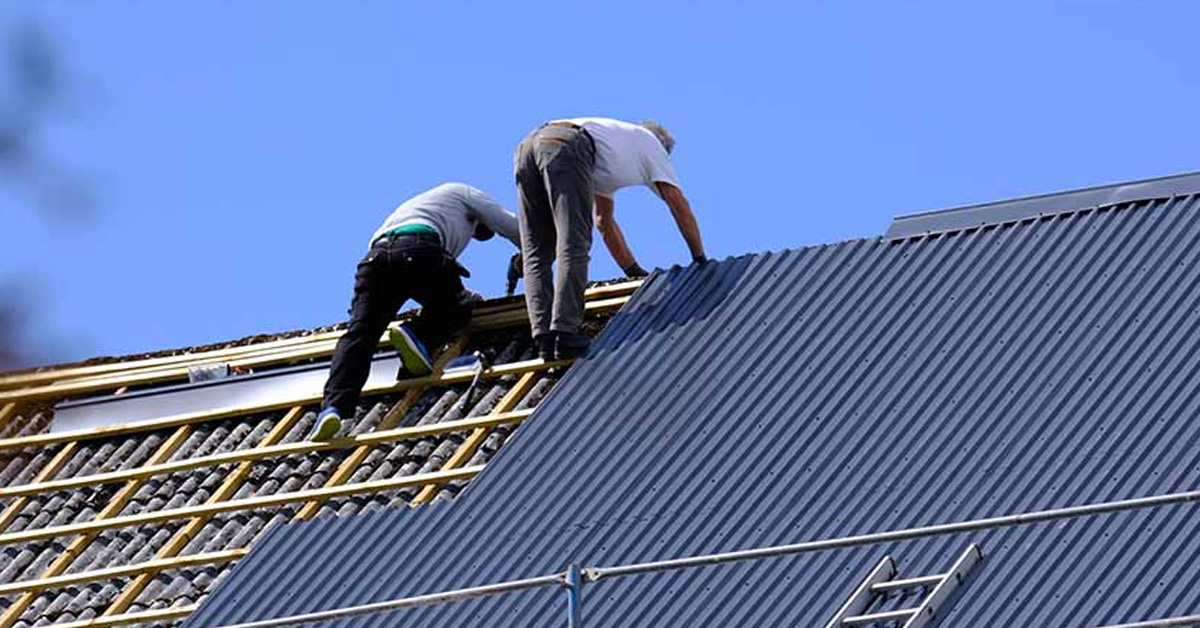
We use a simple rule of thumb: if repair costs approach 50% of the price of a new roof, replacement is the more cost-effective long-term investment. Ongoing patches on a failing roof often lead to higher expenses over time.
Replacement is also ideal if you need to upgrade for code compliance, better insulation, or changes in roof slope. If you are looking for a 50 plus year solution, replacement is the clear winner.
Why Professional Inspection Matters
Deciding between these two paths hinges on a professional inspection. Surface-level checks are often misleading, as only a trained expert can uncover hidden substrate damage or trapped moisture.
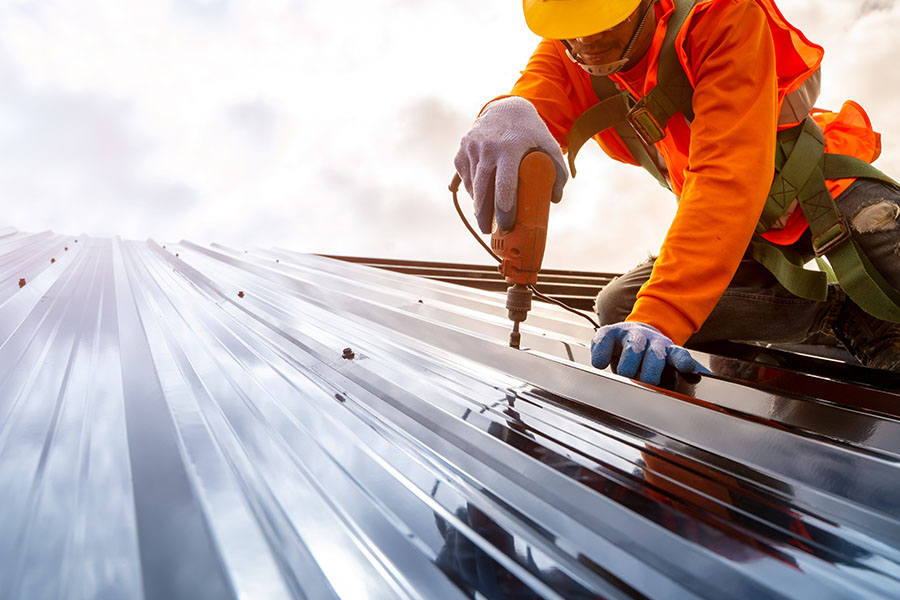
A thorough inspection identifies soft decking, condensation issues, and structural weaknesses by examining both the roof surface and the attic space. We also review the repair history to see if the roof has reached the end of its serviceable life.
Pro-Tech Roofing provides on-site evaluations and moisture diagnostics tailored to the unique weather conditions in Tulsa. As a licensed and manufacturer-certified company, we can advise you on the best warranty options to protect your investment.
Frequently Asked Questions
- How do I know if I am a candidate for restoration? If your roof has surface rust but no major structural sagging, it is likely a candidate. We check for less than 30% total surface damage.
- What are the environmental benefits? Restoration avoids the disposal of 10–20 tons of metal waste and uses reflective coatings to lower energy consumption.
- Which lasts longer? Replacement provides a 40–70 year lifespan, whereas restoration adds 10–20 years to an existing roof.