
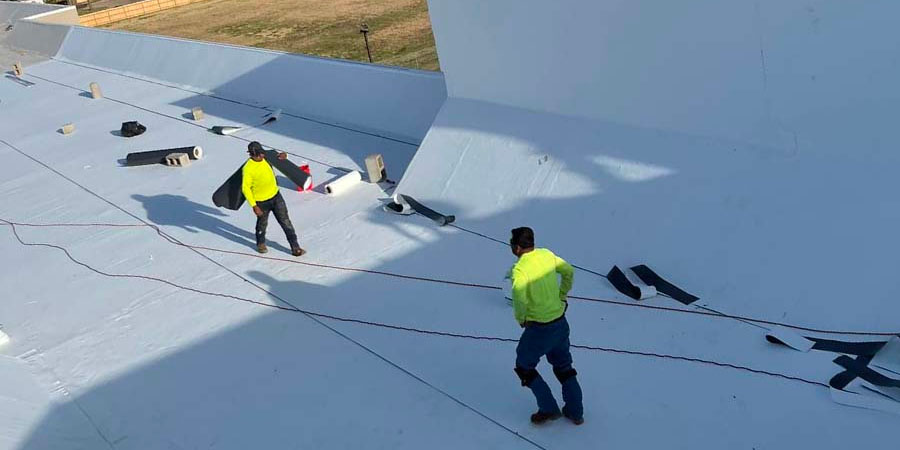
Roof damage is a frequent reality for businesses in Oklahoma. Natural disasters are a common cause of roof damage, leaving many commercial property owners in Tulsa facing unexpected capital expenses.
Note: This post was originally published in November 2023 and has been fully updated in 2026.
Choosing the right roofing material for your repair or replacement is the most critical decision you will make following a storm. The right system does more than keep the rain out. It protects your long-term investment and reduces your future liability.
Before you begin the physical work of repairing or replacing a damaged roof, you must understand the specifics of your insurance coverage. Policy requirements and building codes in 2026 often dictate which materials are eligible for full reimbursement.
This detailed guide helps commercial proprietors who have experienced roof damage navigate the rebuilding process. We provide the technical insights you need to get your operations back on track with a stronger, more resilient roofing system.
Commercial Roof Damage From Oklahoma Natural Disasters
Commercial roofs in Tulsa are highly susceptible to damage caused by natural disasters. Our region faces frequent challenges from severe thunderstorms, high-velocity winds, and significant hailstorms.
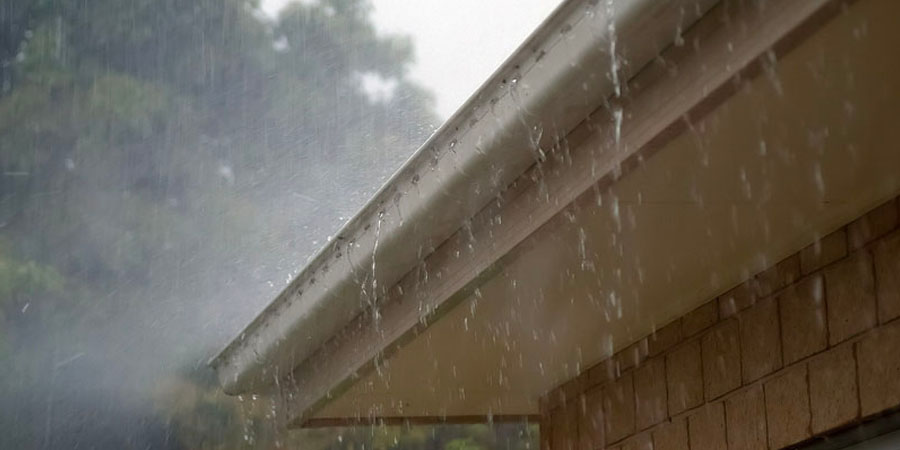
Common issues include missing or displaced shingles, membrane punctures from debris, and roof leaks due to heavy rains. In extreme cases, severe weather can lead to compromised structural integrity.
Once you have surveyed the damage after a storm, your next priority is identifying the most resilient roofing system for your property. Whether you are performing a localized repair or a full replacement, your choice in 2026 should focus on long-term weather resistance and code compliance.
Key Takeaways for Post-Storm Assessment:
- Immediate Inspection: Always schedule a professional drone or physical inspection after any hail event over one inch.
- Documentation: Take clear photos of all surface damage to support your insurance claim.
- Material Upgrades: Consider upgrading to Class 4 impact-rated materials to lower your 2026 insurance premiums.
Navigating Insurance Coverage for Your Commercial Roof
It is vital that you know your insurance coverage when your commercial roof gets damaged. A robust insurance policy is your primary tool for reducing the financial obligation that comes with a new roof installation or repair in 2026.

Reviewing Your Current Policy
The first step in managing a claim is to read your policy carefully. We recommend looking specifically at the “Declarations Page” to see your current coverage limits and any recent amendments that may have been added during your last renewal.
Ensure you review the stated terms with a focus on property damage. You must understand exactly which risks are covered, ranging from minor flat roof leaks due to heavy rain to a total roof replacement. Pay close attention to your deductible, total coverage limits, and any specific exclusions that might apply to older roofing systems.
Coverage for Oklahoma Natural Disasters
Commercial property owners in Tulsa prioritize coverage against roof damage from local weather patterns. Most standard policies in 2026 insure against common regional risks like storms, thunderstorms, tornadoes, and hailstorms.
The specific details of your coverage depend entirely on your provider and the tier of protection you selected. While some policies provide “All-Risk” coverage for natural disasters, others may have “Named Peril” limitations or specific exclusions for “Wind and Hail” in high-risk zones. We suggest verifying if your policy covers Replacement Cost Value (RCV) or Actual Cash Value (ACV), as this significantly impacts your out-of-pocket costs.
Deductibles and the 2026 Claims Process
Your deductible is the specific amount you must pay before your insurance coverage begins. Understanding this figure is essential because it determines your immediate financial responsibility following a storm.
In the current market, many commercial policies have shifted from fixed dollar deductibles to percentage-based deductibles (often 1% to 5% of the building’s insured value). Knowing your documentation requirements and the strict timeframes for filing a claim in 2026 will help you fast-track the resolution process and avoid a denied claim.
How Coverage Impacts Your Material Choice
Your insurance policy heavily influences which materials you can choose for your renovation or replacement. Some insurers in 2026 offer premium credits for selecting the appropriate roofing material, such as UL 2218 Class 4 impact-resistant products.
Conversely, some policies may only provide enough funding to replace the roof with “like kind and quality.” If you wish to upgrade from a traditional built-up roof to a modern TPO or PVC system, you should talk with your provider to see how that affects your claim. Choosing a high-performance material is a strategic move for your financial protection and reduces long-term maintenance costs.
Consulting With a Professional Insurance Agent
The best time to seek the opinion of an insurance agent is immediately after you suspect damage has occurred. They can help you interpret the nuances of your policy and guide you through the 2026 claims landscape.
We encourage you to discuss your coverage with an agent to clarify any ambiguities in your contract. They can also inform you of “Law and Ordinance” coverage, which pays for the extra costs of bringing your roof up to the latest 2026 building codes during a replacement.
Key Takeaways for Insurance Management:
- Verify RCV vs. ACV: Ensure you know if your policy pays for a full new roof or just the depreciated value.
- Check for Code Upgrades: Confirm if your policy covers the cost of meeting modern Tulsa building codes.
- Understand the Deductible: Clarify if your deductible is a flat fee or a percentage of the total property value.
A Comprehensive Guide to Commercial Roofing Materials in 2026
Choosing the right material is a balance of upfront cost, long-term durability, and energy performance. In the 2026 market, Oklahoma property owners are increasingly prioritizing materials that offer high impact resistance to combat our volatile weather patterns.
Asphalt Shingles
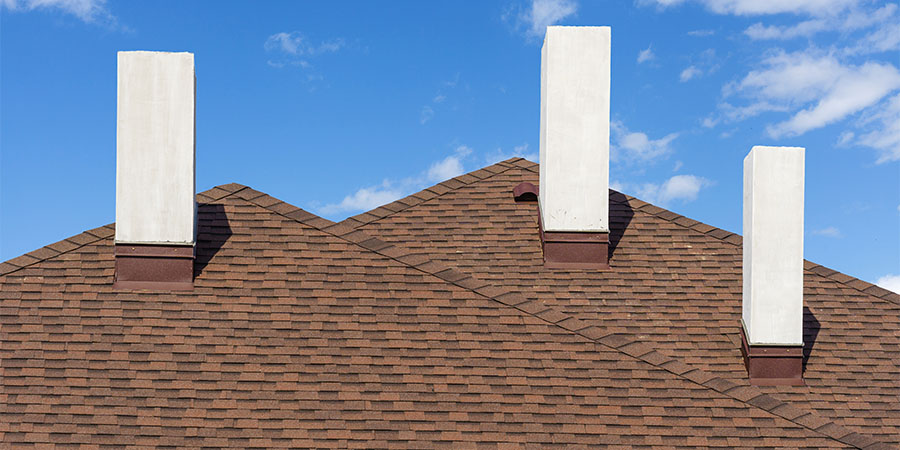
Asphalt shingles remain the most widely used and budget-friendly material for commercial buildings with sloped roofs. In 2026, we primarily recommend Architectural or Luxury shingles over traditional 3-tab versions due to their superior wind ratings of 110-130 mph.
These systems are strong, easy to install, and available in a vast array of colors. While they provide excellent resistance to wind, their standard lifespan is approximately 20-30 years. For Tulsa properties, we suggest upgrading to Class 4 impact-resistant shingles, which can often lead to significant discounts on your commercial insurance premiums.
Metal Roofing
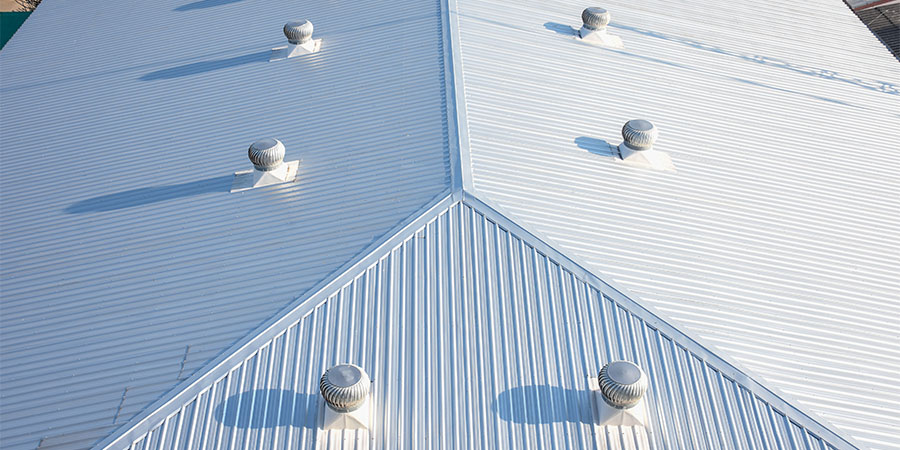
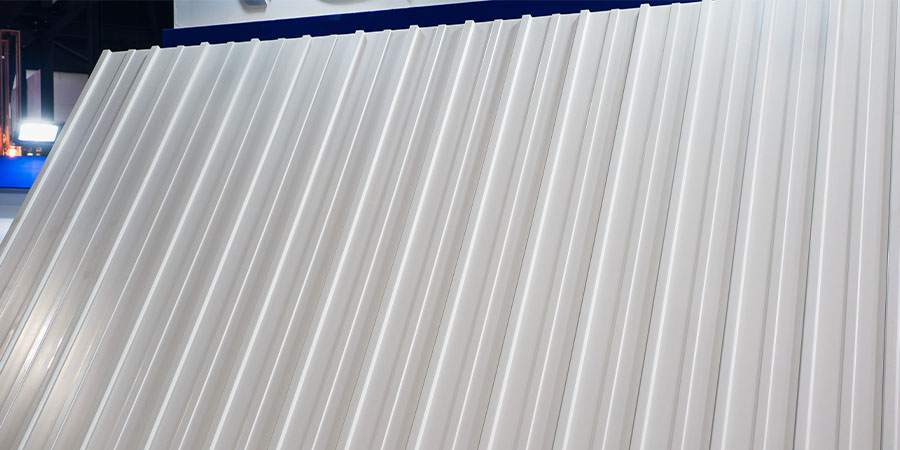
Metal roofing has surged in popularity throughout 2026 because of its incredible longevity and energy efficiency. We find that many property owners prefer metal because it is a “permanent” solution, often lasting 40-70 years with minimal maintenance.
These roofs are engineered to resist extreme weather, including large hail, heavy Oklahoma rains, and high-velocity winds. While the initial investment is higher—typically ranging from $10 to $18 per square foot depending on the gauge and profile—the life-cycle cost is significantly lower than asphalt shingles. They also reflect solar heat, which can reduce your building’s cooling costs by up to 25%.
Modified Bitumen
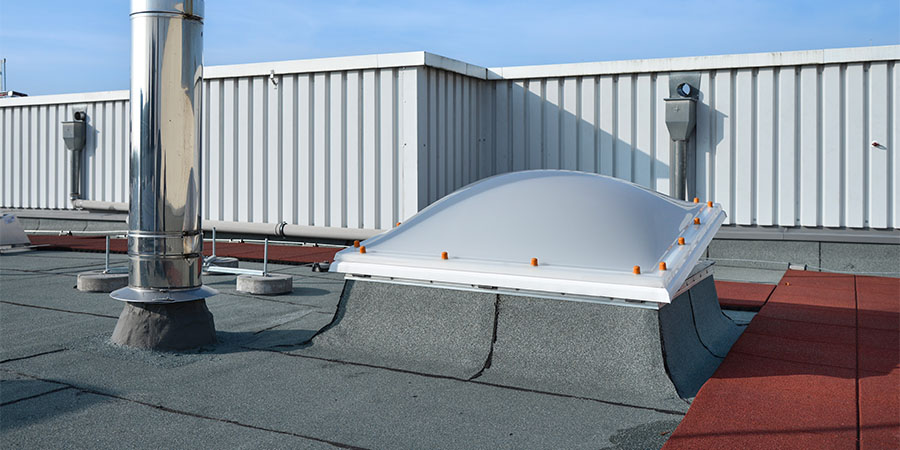
Modified bitumen systems are a robust choice for flat or low-slope commercial roofs. These systems consist of asphalt modified with specialized polymers (like SBS or APP) to increase flexibility and resistance to temperature fluctuations.
Modified bitumen is highly durable and handles foot traffic better than most single-ply membranes. It provides excellent protection against hail and UV rays. In 2026, these are often installed as multi-layer systems to ensure a redundant waterproof barrier for critical facilities.
TPO (Thermoplastic Polyolefin)
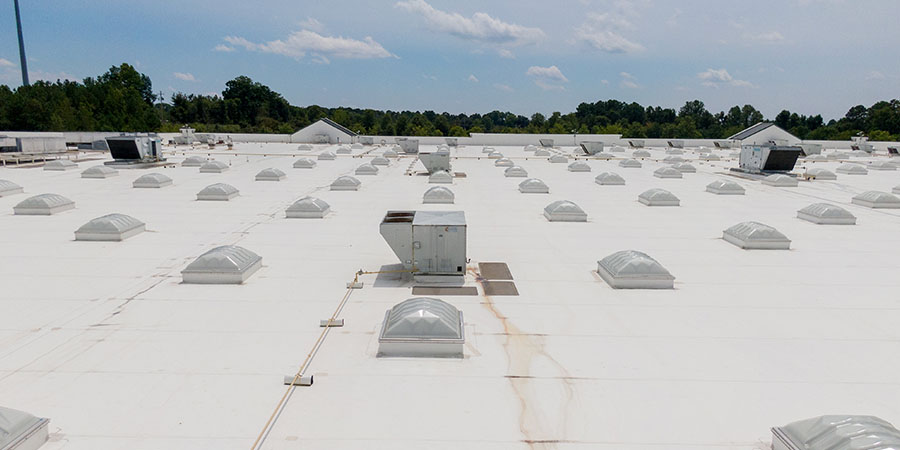
TPO is currently the gold standard for energy-efficient commercial roofing. This single-ply reflective membrane is heat-welded at the seams to create a monolithic, waterproof surface. In 2026, TPO remains a top choice for warehouses and retail centers due to its balance of affordability and performance.
TPO is naturally reflective, which prevents heat absorption and lowers your HVAC workload during hot Tulsa summers. It is resistant to punctures, bacterial growth, and chemical exposure, making it a versatile and long-lasting solution.
EPDM (Ethylene Propylene Diene Monomer)
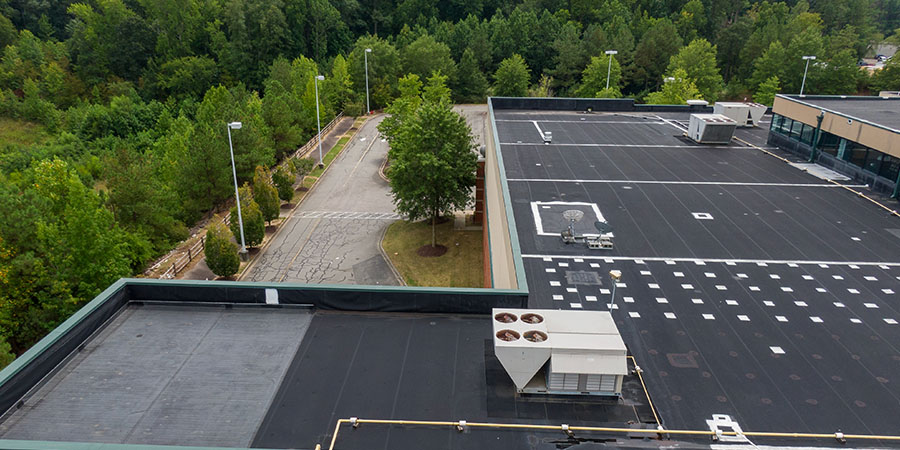
Often referred to as “rubber roofing,” EPDM is a time-tested material known for its extreme durability. It handles Oklahoma’s freeze-thaw cycles exceptionally well because the material remains flexible even in sub-zero temperatures.
EPDM is highly resistant to UV damage and wind uplift. While traditional EPDM is black and absorbs heat, modern 2026 installations can include reflective top coatings to improve energy efficiency. It is an appropriate choice for properties where long-term durability and low maintenance are the primary goals.
PVC (Polyvinyl Chloride)
PVC roofing membranes are the premium choice for single-ply systems. They are exceptionally durable and resistant to chemicals, oils, and grease—making them the ideal choice for restaurants and industrial facilities.
PVC seams are heat-welded and actually stronger than the membrane itself. These systems provide high solar reflectivity and a long service life, often exceeding 30 years. If your facility requires the highest level of protection against leaks and environmental contaminants, PVC is our top recommendation.
Slate and Tile
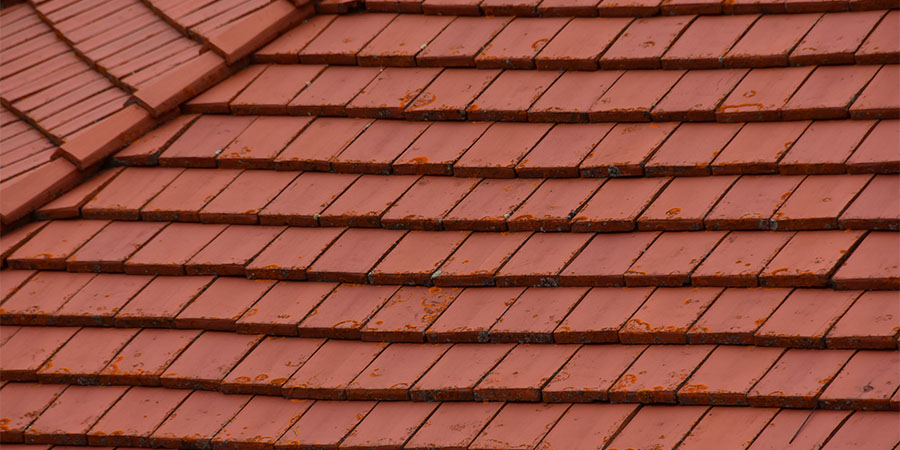
Slate and tile roofs represent the pinnacle of durability and aesthetic appeal for high-end commercial properties. These materials are essentially fireproof and provide unmatched resistance to severe weather, including heavy hail and high winds.
While the initial installation cost is the highest among all materials, slate and tile can last 50 to 100 years or more. They offer a unique architectural look that can significantly enhance the value and branding of a commercial property. Note that these materials are heavy and may require a structural engineer to verify that your building can support the additional weight.
Commercial Roofing Material Comparison (2026 Estimates):
| Material | Average Lifespan | Initial Cost | Best For |
|---|---|---|---|
| Asphalt Shingles | 20–30 Years | Low | Sloped roofs, budget-conscious projects |
| TPO / PVC | 25–30+ Years | Moderate | Energy efficiency, flat roofs, restaurants |
| Metal | 40–70 Years | High | Long-term ROI, weather resilience |
| Slate / Tile | 50–100 Years | Very High | Historical buildings, luxury aesthetics |
Conclusion: Building for Resilience in 2026
Selecting the most suitable roofing material after a natural disaster requires a careful balance of durability, energy performance, and long-term ROI. In 2026, we see that the most successful commercial property owners are those who move beyond simple “like-for-like” replacements and instead invest in high-performance systems like TPO, PVC, or impact-resistant metal.
Our goal is to ensure your building remains protected against Oklahoma’s increasingly volatile weather. By choosing a material that aligns with your specific facility needs—whether that is the chemical resistance of PVC or the longevity of a standing seam metal roof—you are securing your business’s future and potentially reducing your annual insurance premiums.
Consulting with an established roofing contractor is the only way to ensure your new system meets the latest 2026 building codes and energy standards. We can provide a detailed analysis of your current structure and help you navigate the insurance claims process with ease.
Look no further for your roofing needs. Contact Protech Roofing today and entrust your roof repair or replacement to our experienced team. We are ready to help you rebuild better and stronger.
Expert Commercial Roof Maintenance and Support
Proper maintenance is the key to extending the life of your new roofing system and ensuring your 2026 insurance claims remain valid. We provide comprehensive inspections and preventative care to keep your facility dry and operational through every season.
Pro-Tech Roofing serves all of northeast Oklahoma, including the following communities: Tulsa, Bartlesville, Bixby, Broken Arrow, Jenks, Catoosa, Coweta, Claremore, Collinsville, Glenpool, Grand Lake, Inola, Mounds, Muskogee, Oologah, Owasso, Pryor, Skiatook, Sand Springs, Sapulpa, Tahlequah and Wagoner.
In addition to our commercial expertise, we provide residential roofing services in Tulsa and throughout northeast Oklahoma. You can view our craftsmanship in our gallery of Oklahoma roofing projects.
If you need expert roofing in Tulsa or any Oklahoma community, our team is ready to assist. Give us a call at (918) 250-7663 or contact us here to schedule your professional consultation.