
Fleece-backed TPO roofing is changing the game for commercial buildings in Tulsa. Unlike outdated hot tar built-up roofs (BUR), which are heavy, messy, and prone to costly maintenance, fleece-backed TPO offers a cleaner, more efficient solution. It’s lightweight, reflects up to 87% of UV rays to cut cooling costs, and stands up to hail and harsh weather. Plus, it’s easy to install over existing BUR systems, reducing disruption and saving time. Pro-Tech Roofing specializes in upgrading Tulsa roofs with this durable, low-maintenance option, backed by warranties lasting 20–30 years. If your building needs a roof upgrade, fleece-backed TPO might be the answer.

How to Install a TPO Roof | Step-by-Step Commercial Flat Roofing Guide (Start to Finish)
sbb-itb-66ccccd
Benefits of Fleece-Backed TPO: A Pro-Tech Roofing Perspective
Switching from hot tar to fleece-backed TPO brings a range of advantages for commercial property owners in Tulsa. This modern roofing solution addresses the shortcomings of traditional hot tar systems while offering improvements in energy efficiency, durability, and ease of maintenance.
Energy Savings and Reflectivity
Fleece-backed TPO membranes, especially in white, reflect solar UV rays instead of absorbing them. This reflective property helps lower cooling costs by keeping roof surfaces cooler, which is particularly beneficial during Tulsa’s sweltering summers. In contrast, traditional built-up roofs tend to trap heat, forcing HVAC systems to work harder to maintain comfortable indoor temperatures.
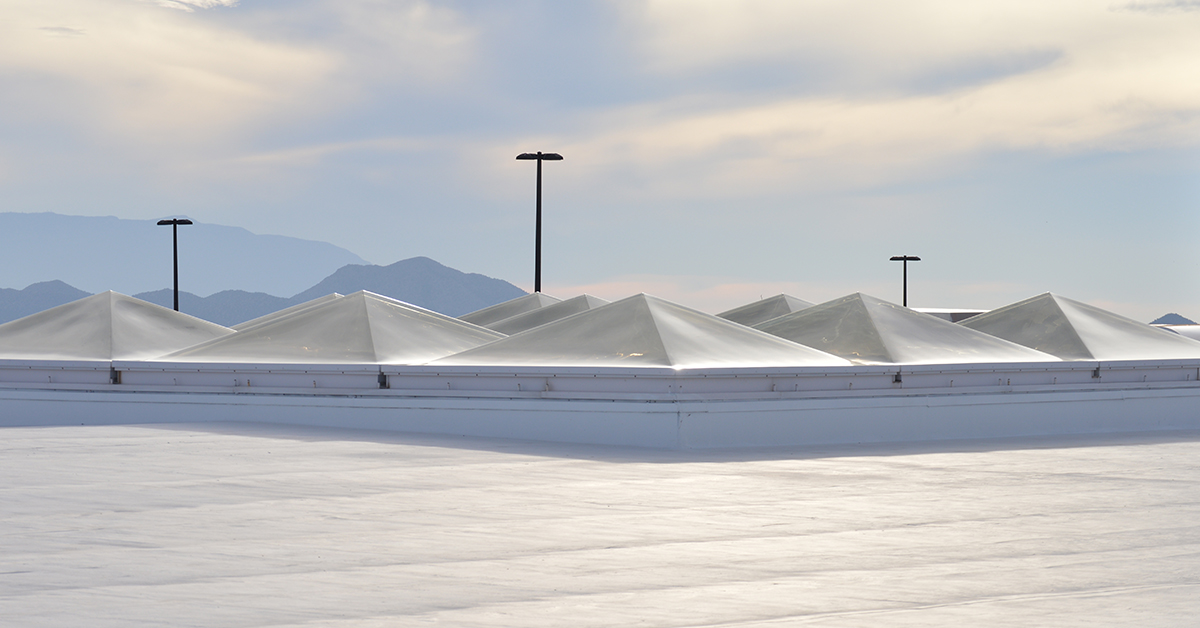
"By reflecting the sun rays away from the roof, white or light fleeceback TPO membranes can help lower the temperature of the roof and increase the roof’s longevity." – Mark Soto, Author, GAF
Unlike asphalt-based systems that lose their effectiveness over time, fleece-backed TPO retains its reflective qualities thanks to built-in UV resistance. Additionally, when paired with low-rise foam adhesives, this roofing system minimizes thermal bridging, unlike those relying solely on mechanical fasteners. Beyond energy efficiency, fleece-backed TPO is also known for its impressive durability.
Durability and Weather Resistance
The fleece backing adds a cushioning layer that enhances puncture resistance, making it effective against hail and debris. Certain systems even meet Factory Mutual (FM) 4470 Class 1 standards for Very Severe Hail protection, making them an excellent choice for Oklahoma‘s unpredictable weather.
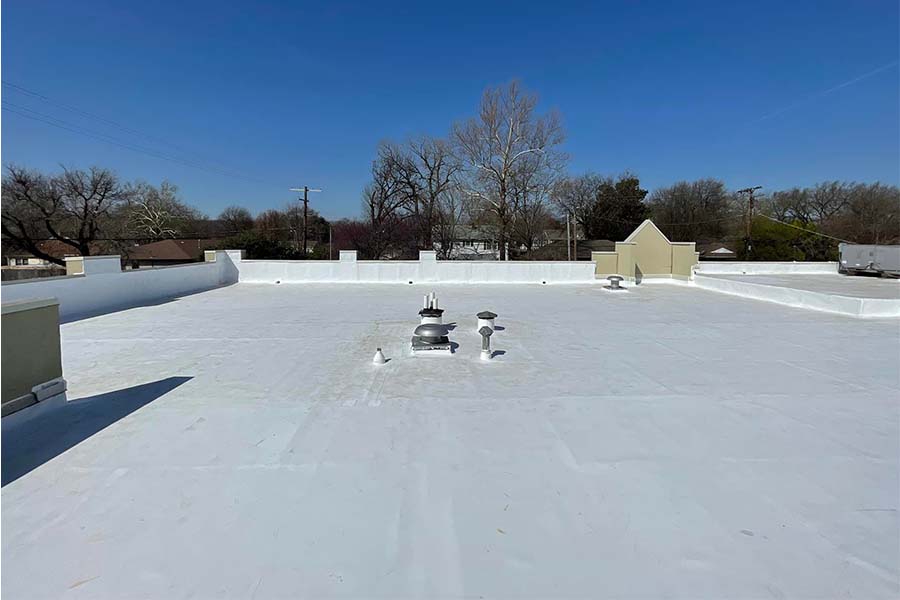
Some systems also feature an anti-wicking scrim with 9×9 threads per inch, which helps maintain structural integrity. This material resists a variety of environmental factors, including acids, bases, restaurant exhaust emissions, ozone, and oxidation. With thicknesses ranging from 100 to 135 mils – significantly thicker than standard smooth TPO – these membranes withstand extreme temperature changes and severe storms.
Low Maintenance and Long Lifespan
Compared to traditional built-up roofs, fleece-backed TPO requires far less maintenance. Property owners only need to clear debris, ensure proper drainage, and perform annual inspections to check for minor issues like punctures or sealant wear. Its resilience against punctures and moisture reduces the need for emergency repairs, leading to lower long-term costs.
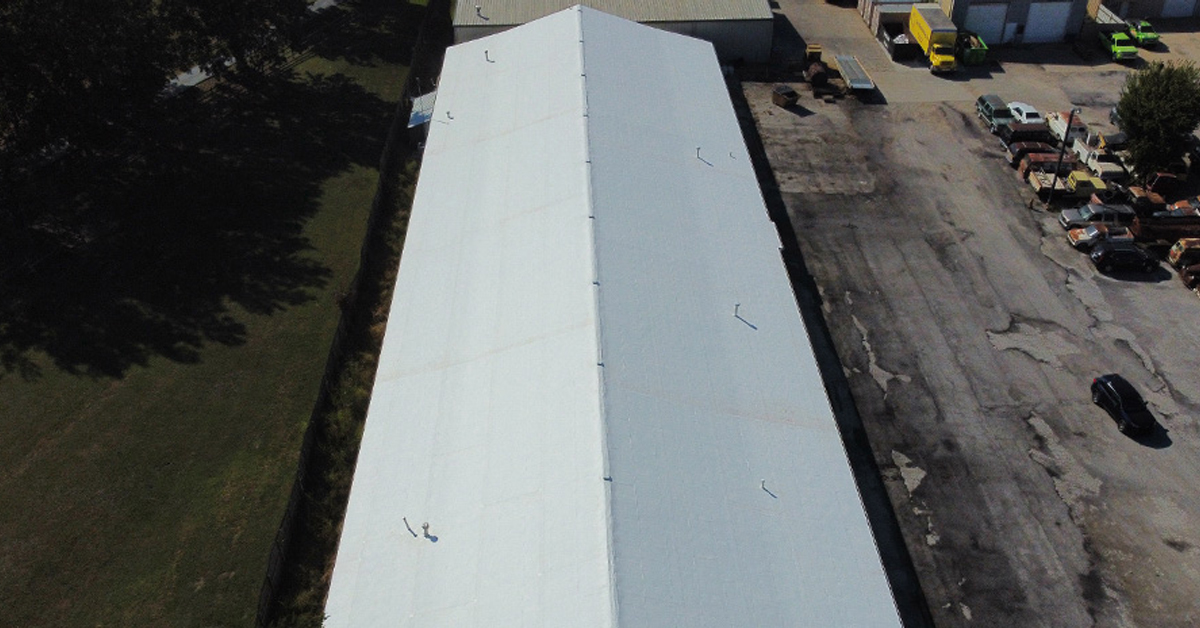
The fleece backing also eliminates the need for separate cover boards or slip sheets in many reroofing projects, helping to keep installation costs competitive despite a higher upfront material price. For Tulsa businesses ready to upgrade from outdated hot tar systems, Pro-Tech Roofing at 1107 N 105th E Ave, Tulsa, OK provides expert installation services backed by manufacturer certifications and extensive local experience.
How to Install Fleece-Backed TPO: Step-by-Step
Installing fleece-backed TPO over an existing built-up roof (BUR) requires careful preparation and precise execution. Pro-Tech Roofing follows a detailed process to ensure minimal disruption while delivering a durable and efficient roofing solution.
Preparing the Existing Built-Up Roof
Before installing the membrane, a thorough evaluation of the existing roof is essential. Pro-Tech Roofing begins with moisture scans and core cuts to ensure the substrate is structurally sound and free of trapped water. If excessive moisture is detected in the insulation, a full tear-off is necessary to prepare for a proper reroof.
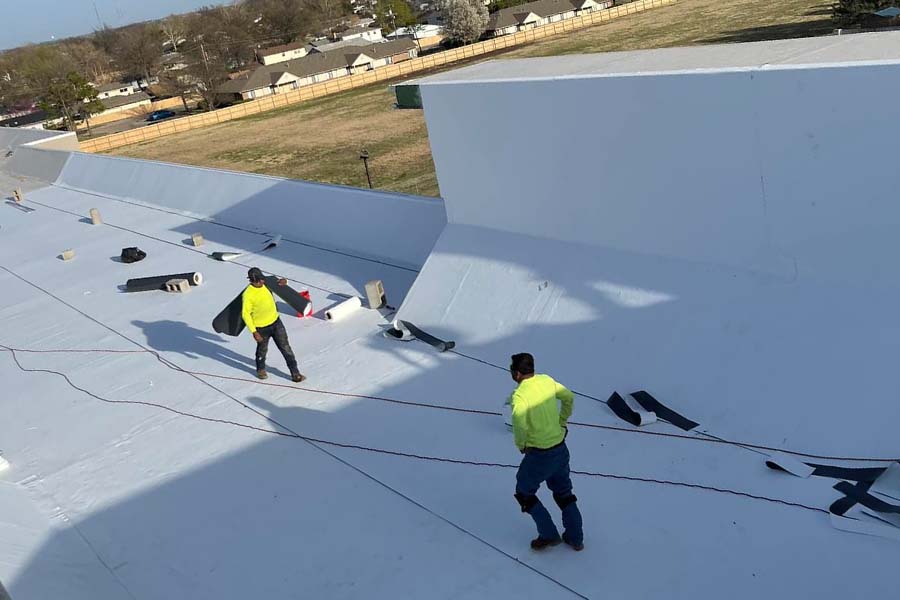
"To do that [evaluate the roof], you would do a core cut, and you’d also check moisture. If there’s too much moisture, you may need to tear off the existing roof. But if you’re able to do the reroof, that’s when fleece-back is typically the right choice." – Mike Cukrow, Product Manager, GAF
Once the evaluation is complete, the roof surface is cleaned using a power sweeper to remove debris that could hinder adhesive bonding. Any soft spots, blisters, or damaged decking are repaired, and uneven areas are leveled to ensure the membrane lays flat. For low-rise foam adhesive applications, an adhesion test ensures proper bonding to the BUR surface. Similarly, a pull test is conducted for mechanically attached systems. The fleece backing itself acts as a separation layer, eliminating the need for cover boards or slip sheets. With the roof surface prepared, the next step is securing the fleece-backed TPO membrane using the most appropriate attachment method.
Applying Fleece-Backed TPO Membranes
Pro-Tech Roofing uses three main attachment methods, depending on the roof’s condition and project requirements:
- Mechanical Fastening: This method secures the membrane through the existing roof into the deck using plates and fasteners. It’s a quick and cost-effective option.
- Low-Rise Foam (LRF) Adhesive: Applied in spatter, bead, or spray patterns directly over the BUR, this approach avoids deck penetrations and reduces thermal bridging.
- Full Adhesion: Conventional TPO-compatible adhesives are used for maximum wind uplift resistance.
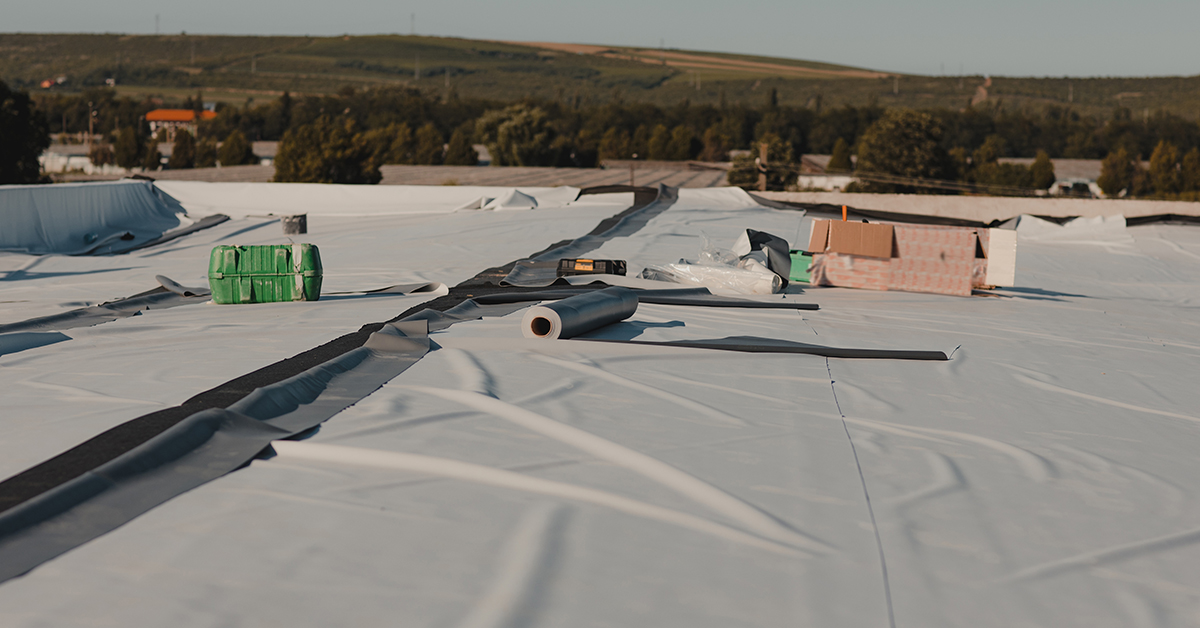
Fleece-backed TPO membranes come in thicknesses ranging from 100 to 135 mils, offering durability well beyond standard smooth TPO. During installation, edges are overlapped by 6–8 inches and heat-welded to create a watertight seam that is stronger than taped or glued joints.
Completing a Clean and Efficient Installation
One advantage of fleece-backed TPO is its clean and odor-free installation, making it an excellent choice for buildings that remain occupied during the process. Pro-Tech Roofing uses pre-formed TPO flashing accessories around penetrations to ensure watertight seals. From surface preparation to final detailing, the entire process typically takes 1–3 days for smaller commercial projects.
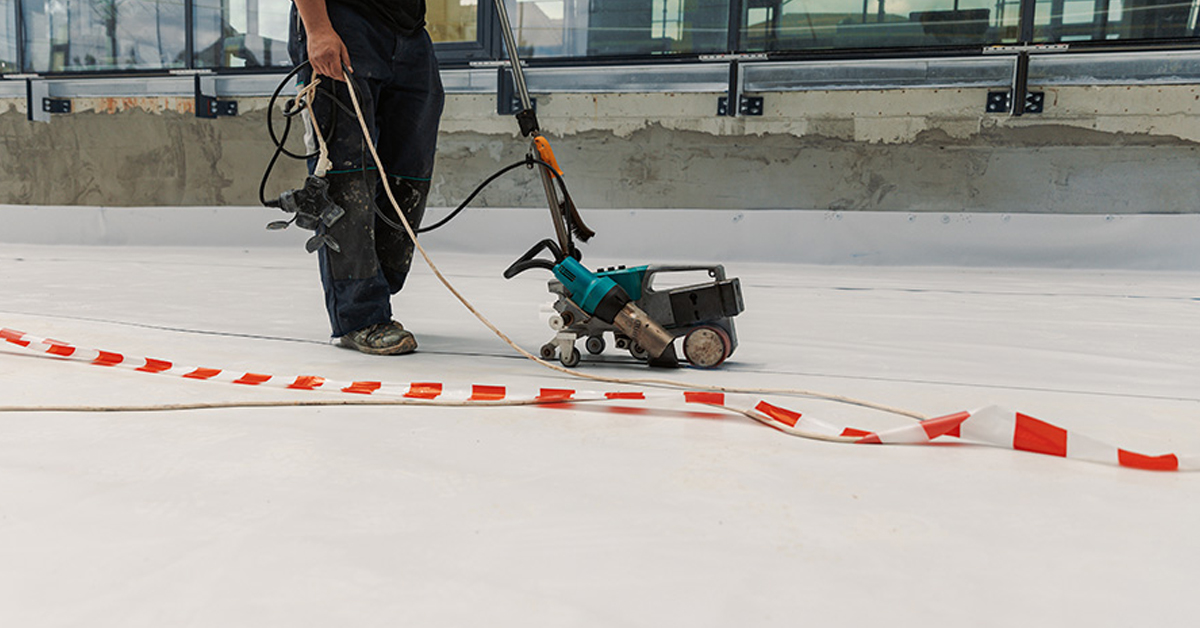
"Commercial building owners and facility managers appreciate that fleece-back membranes don’t stink the way other materials can – a strong advantage!" – Roberts Roofing
Once seaming is complete, technicians inspect the welds with a probe tool to identify any weak spots or gaps. The finished roof system offers high reflectivity, requires minimal maintenance, and qualifies for manufacturer warranties lasting 20–30 years. This upgrade from outdated hot tar systems to modern TPO showcases clear performance benefits.
For Tulsa property owners looking to replace old hot tar roofs, Pro-Tech Roofing, located at 1107 N 105th E Ave, Tulsa, OK, provides certified installation services backed by extensive local expertise.
Hot Tar BUR vs. Fleece-Backed TPO: Side-by-Side Comparison
When you compare traditional BUR (Built-Up Roofing) with fleece-backed TPO (Thermoplastic Polyolefin), the differences in performance and practicality become clear. Traditional BUR relies on multiple layers of asphalt and gravel for durability, while fleece-backed TPO uses a single, reinforced membrane with heat-welded seams. These differences impact everything from how the roof is installed to its energy efficiency and ongoing maintenance. The table below highlights the key distinctions between these two roofing systems.

Performance Comparison Table
| Feature | Traditional Hot Tar BUR | Fleece-Backed TPO |
|---|---|---|
| Installation Cleanliness | Messy due to hot asphalt and tar spreading | Clean; odor-free with no VOCs |
| Energy Savings | Low; absorbs heat unless coated | High; reflects up to 87% of UV rays |
| Durability | High redundancy through multiple layers | Superior puncture and hail resistance (FM Class 1-VSH) |
| Weight | Heavy; requires strong structural support | Very lightweight; ideal for reroofing |
| Warranty Length | Typically 20–30 years | Typically 20–30 years |
| Seams | Numerous overlapping plies | 67% fewer seams than multi-ply systems |
| Maintenance | Difficult to locate leaks; recoating every 3–5 years | Easier to inspect; annual inspections only |
| Annual Maintenance Cost | $0.04–$0.05 per sq. ft. plus $2.00 per sq. ft. recoating every 10–12 years | $0.05–$0.08 per sq. ft. |
Fleece-backed TPO offers additional advantages, including an R-value boost of approximately 0.5, which helps with insulation, and a cushioning effect that protects against hail damage. Its heat-welded seams are incredibly strong, testing at over 100 pounds per inch, compared to the 20–40 pounds seen with adhesive-sealed systems. For those seeking a modern, efficient roofing solution, Pro-Tech Roofing specializes in certified fleece-backed TPO installations, complete with manufacturer-backed warranties.
Why Choose Pro-Tech Roofing for Fleece-Backed TPO Installations?
When it comes to upgrading outdated hot tar roofs into high-performing, energy-efficient systems, expertise and reliability are key. Pro-Tech Roofing has built a reputation as a trusted provider of modern TPO solutions.
Local Expertise and Reliable Service
Pro-Tech Roofing is fully licensed in Oklahoma (State Roofing License #80003685) with a Commercial Endorsement, making them qualified to handle both residential and commercial TPO installations. They serve a wide range of communities, including Tulsa, Bartlesville, Bixby, Broken Arrow, Jenks, Owasso, Claremore, and Grand Lake. Their specialty lies in TPO retrofit systems that eliminate the need for a complete roof tear-off. Before installation, they conduct thorough inspections to check for deck stability, rust, and trapped moisture, ensuring your building can support the upgrade. These qualifications highlight their dedication to delivering dependable and high-quality results.
Certified Technicians Using Premium Materials
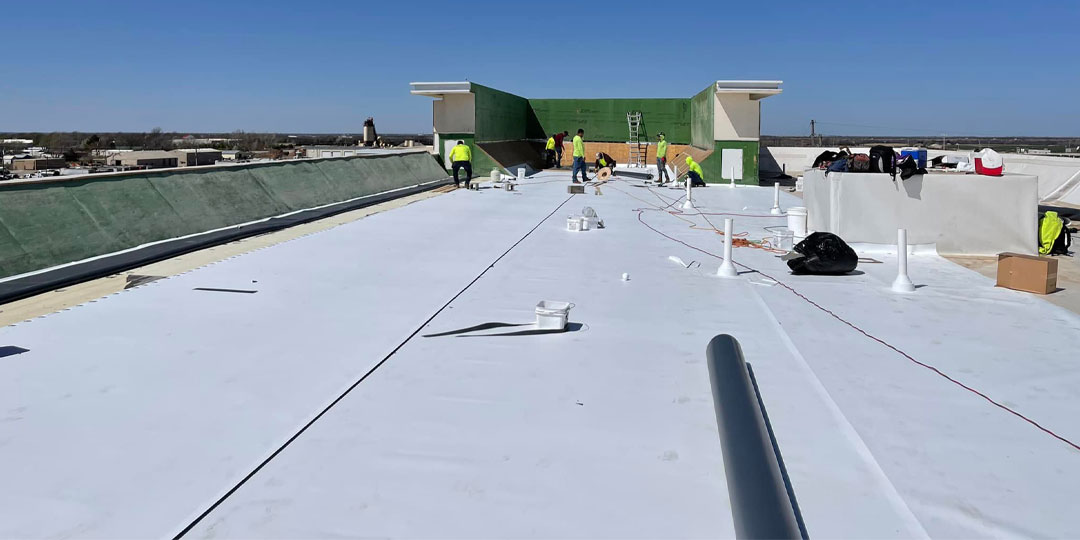
Pro-Tech Roofing is fully insured and works exclusively with top-tier materials like GAF EverGuard® TPO and impact-resistant GAF Armorshield II. Their installation process uses advanced heat-welding techniques, creating watertight seams that outperform mechanical or adhesive methods. They also provide tailored solutions, such as "flute-fill" insulation, which boosts your building’s R-value and enhances energy efficiency.
Free Inspections and Personalized Quotes
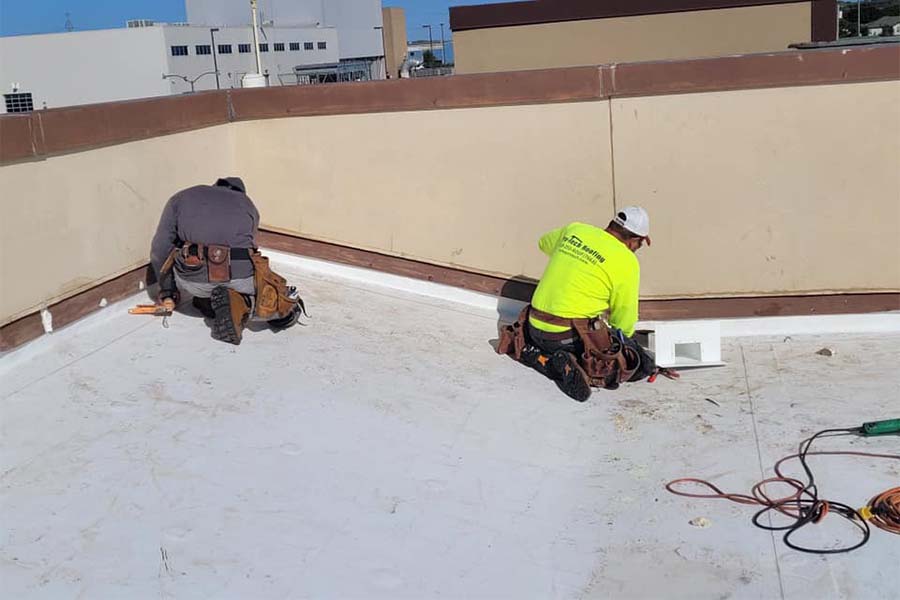
To help property owners make informed decisions, Pro-Tech Roofing offers free roof inspections and custom quotes. These assessments determine whether a TPO retrofit is suitable or if a full tear-off is necessary, potentially saving you significant costs on demolition and disposal fees. During the inspection, they check for issues like punctures, deterioration, unsealed flashing, and moisture damage. Additionally, they assist with insurance claims related to roof damage, making the process smoother for property owners. If you’d like to schedule a free inspection, visit their office at 1107 N 105th E Ave, Tulsa, OK or contact them directly.
FAQs
Can fleece-backed TPO go over my existing built-up roof?
Yes, fleece-backed TPO can be installed over an existing built-up roof, provided the current roof is in good structural condition. This approach, commonly called a roof recover or overlay, can cut down on both time and expenses while delivering long-lasting, energy-efficient protection. It’s essential to confirm that the existing roof meets all the required conditions for a successful installation.
Will a reflective TPO roof really lower my summer cooling bills?
A reflective TPO roof can indeed help lower summer cooling costs. By reflecting UV rays and reducing heat absorption, it helps keep indoor spaces cooler. This means less strain on air conditioning systems, which can translate to noticeable energy savings.
How do I know if my roof needs a tear-off before TPO?
Before installing TPO roofing, it’s crucial to evaluate the current condition of your roof. If the roof deck is in good shape, free from damage, and there’s no trapped moisture, you might be able to install a fleece-backed TPO membrane directly over the existing materials. However, if the roof has significant damage, moisture problems, or multiple layers of old roofing, a tear-off will likely be necessary. Always consult a professional to ensure the installation meets local building codes and is done correctly.
Related Blog Posts
- The “No-Rip” Commercial Roof: How Fleece-Backed TPO Retrofits Save Muskogee Businesses 30% on Labor
- Stop Painting Your Problems: Why TPO Retrofits Outlast Commercial Roof Coatings in Northeast Oklahoma
- Upgrading Sapulpa’s Main Street: How TPO Retrofits are Saving Local Retailers on Energy
- Is Your 15-Year-Old TPO Failing? Why a Fleece-Backed Overlay is the 20-Year ‘Second Life’ Your Building Needs