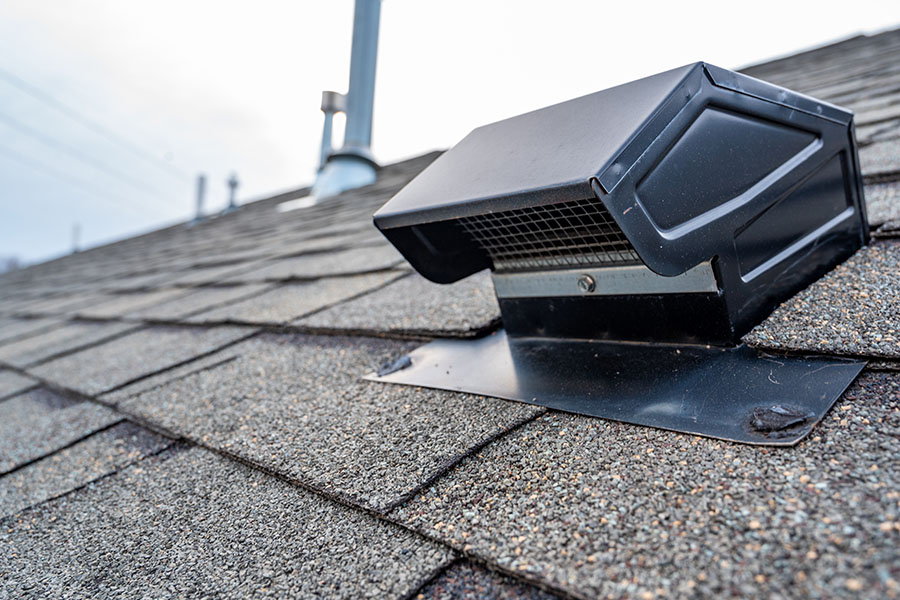
 A roof vent is a specialized component of your home’s roofing system designed to regulate and manage airflow within the attic space. We view these vents as the lungs of your home, ensuring that your property can breathe through every season.
Note: This post was originally published in April 2025 and has been fully updated in 2026.
Our primary goal with ventilation is to maintain a balanced environment. This happens by enabling a seamless exchange of air between the interior attic and the outside atmosphere.
Roof vents are strategically placed to ensure a continuous flow. This allows fresh air to enter the attic while stale, warm, or moisture-laden air exits.
This exchange is vital to prevent the buildup of heat and humidity. Without it, your home’s structural integrity and indoor comfort are at risk.
Vents also play a massive role in temperature regulation. By facilitating air movement, we help stabilize the attic’s internal climate.
In the summer, they allow hot air to escape. This prevents heat from seeping into your living areas and reduces your reliance on air conditioning.
During the winter, they help reduce attic heat that could melt snow on the roof. In our experience, this is the best way to prevent damaging ice dams from forming when that snow refreezes.
Proper airflow also manages moisture levels. Without it, moisture accumulates from cooking, cleaning, and Oklahoma weather conditions.
Trapped moisture leads to mold growth, wood rot, and insulation deterioration. These issues can quickly compromise the structural health of your home.
Why Roof Ventilation is Essential for Your Home
Roof ventilation is a critical aspect of home maintenance and energy efficiency. It safeguards both the structural integrity of your house and the comfort of everyone inside.

Advanced Temperature Regulation
During hot weather, a properly ventilated roof expels trapped air to lower your indoor temperature. This results in less reliance on your cooling systems and lower utility bills.
In colder months, ventilation maintains a cooler attic. This prevents the “thaw and freeze” cycle that creates ice dams at your eaves.
Total Moisture Control
We use ventilation to control humidity by giving moist air an exit path. Without this, condensation forms on cooler surfaces, leading to mold and rot.
Moisture also degrades attic insulation. Keeping your insulation dry ensures it remains fully functional and keeps your energy costs low.
2026 Energy Efficiency Standards
By maintaining a stable attic temperature, you can significantly lower heating and cooling costs. Effective ventilation minimizes the workload on HVAC systems, prolonging their lifespan in 2026 and beyond.
Protecting Your Structural Integrity
Excessive heat and moisture accelerate the deterioration of shingles and wood. Proper airflow minimizes these issues, extending the life of your roof and reducing repair costs.
Ventilation also moderates temperature swings. This prevents roofing materials from expanding and contracting too violently, which often leads to cracks and leaks.
Better Indoor Air Quality
By stopping mold and mildew before they start, we contribute to better indoor air quality. This is vital for the health of everyone in your home.
Year-Round Overall Comfort
Effective roof ventilation maintains a consistent indoor climate. It reduces hot spots and drafts, ensuring your home remains comfortable through every Oklahoma season.
The Basics of a Roof Ventilation System
A standard roof ventilation system uses a combination of intake and exhaust vents. These components work together to ensure air flows continuously through the attic.
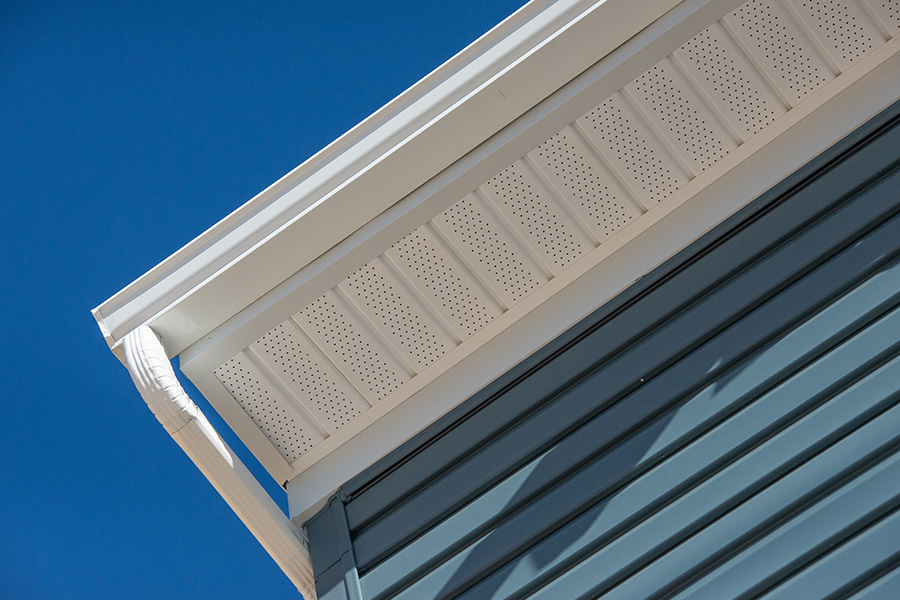
For a system to function, there must be a balance between intake and exhaust. This balance maximizes the system’s ability to regulate both temperature and moisture.
A well-designed system offers a longer roof life and enhanced comfort. By understanding these basics, you can better maintain a safe and efficient living environment.
Intake Vents: The Foundation of Airflow
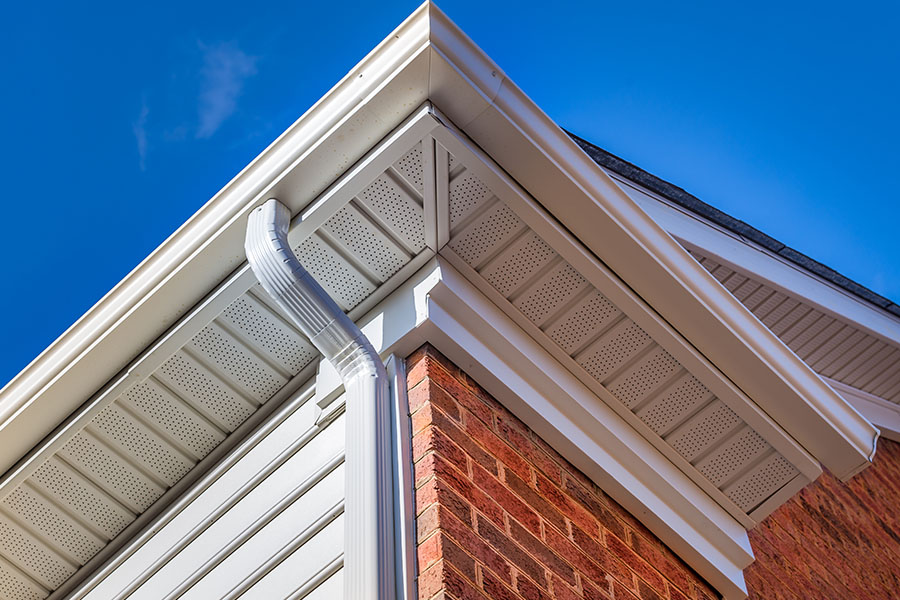
Intake vents sit at the lower parts of the roof, such as the eaves or soffits. They draw fresh air into the attic to start the ventilation cycle.
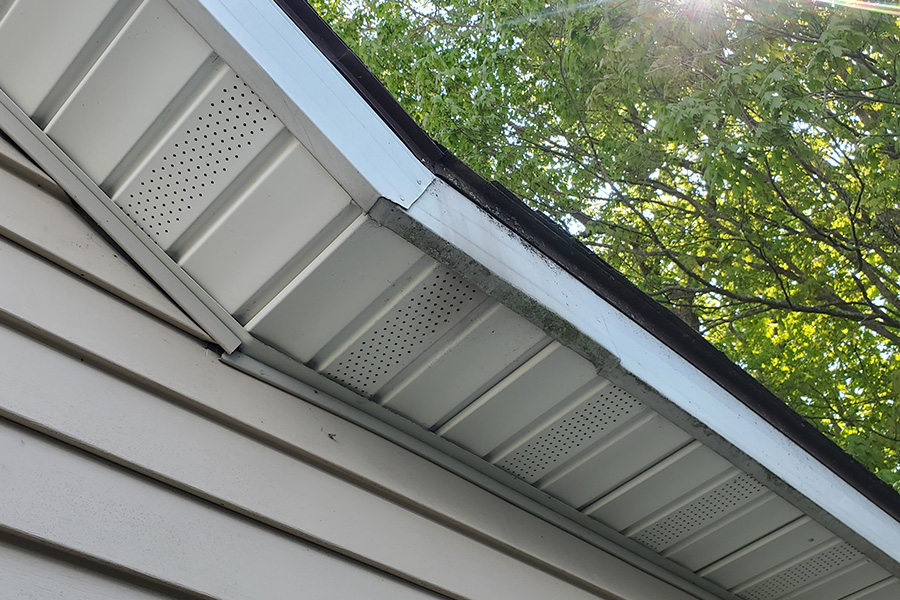
- Soffit Vents: These are installed under the eaves. Soffit vents are the most common and effective intake method we use.
- Roof Intake Vents: These sit directly on the roof surface. They are an excellent alternative for homes with limited soffit space.
Exhaust Vents: Releasing Heat and Moisture
Exhaust vents are positioned near the roof’s peak. They allow warm, moist air to escape, completing the ventilation cycle.
Static Exhaust Vents
Static vents operate without mechanical help. They rely on natural airflow principles to expel air from your attic.
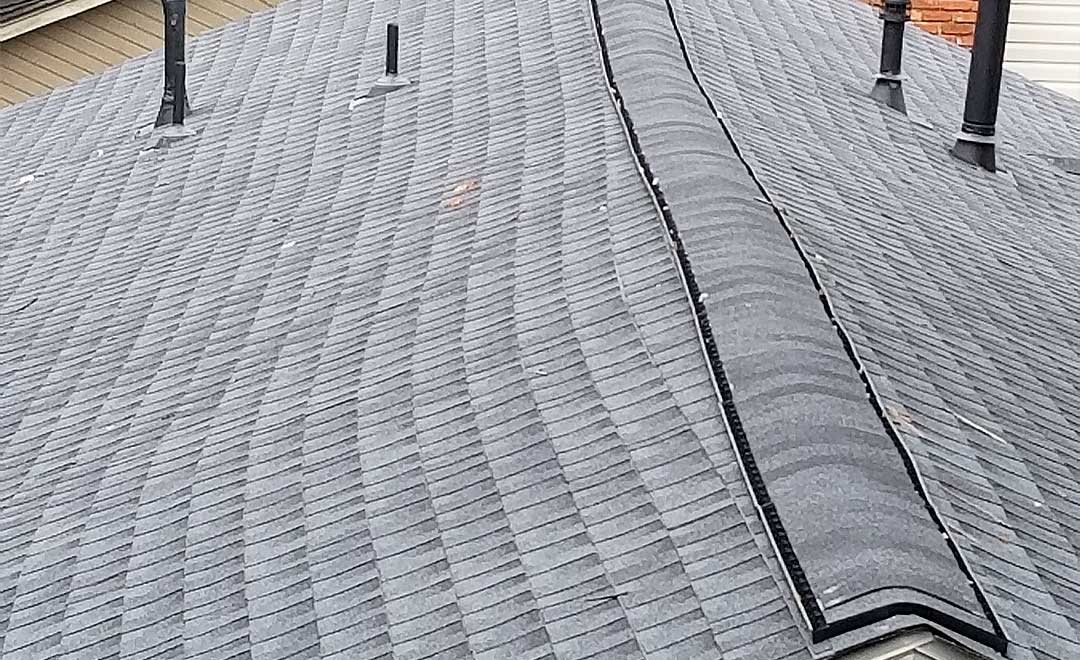
Ridge vents are widely considered the most effective static option. We install them along the entire length of the roof’s peak to create a continuous outlet.
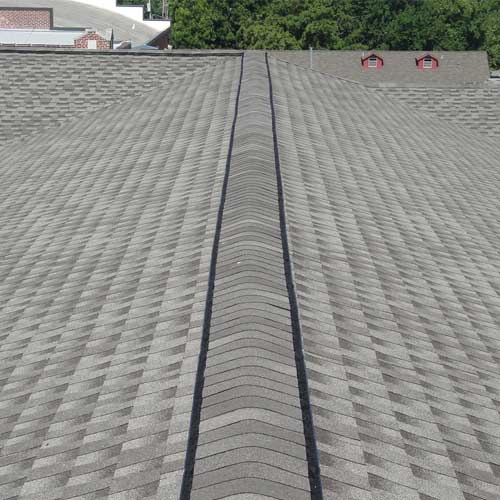
- Effectiveness: Ridge vents are highly popular in Tulsa. Their design ensures hot air is expelled evenly across the entire roofline.
- Aesthetic Appeal: These vents are very subtle. They blend into your roofline, protecting your home’s curb appeal while providing robust ventilation.
Hip vents are similar but designed for hipped roofs. We install these along the sloping sides where the roof sections meet.
- Extra Coverage: Hip vents reach areas that ridge vents cannot. They optimize air circulation in complex roof designs.
- System Integration: We often use hip vents alongside ridge vents for comprehensive coverage.
Box vents, or roof louvers, are non-mechanized units. They offer a straightforward solution for expelling hot air.
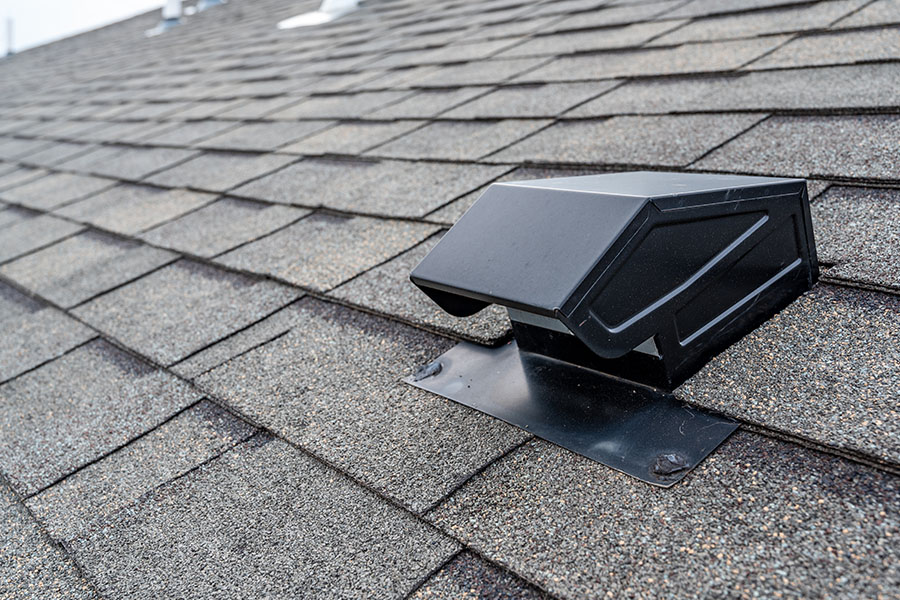
- Smart Placement: We typically install box vents near the peak, but we can distribute them across the roof for even airflow.
- Versatility: They work well independently or in conjunction with soffit vents.
- Cost-Efficiency: Box vents are affordable and easy to install, making them a practical choice for many 2026 roofing budgets.
Powered Exhaust Vents
Powered vents use electric or solar fans to actively push air out of the attic. These are ideal when passive ventilation isn’t enough.
Roof-mounted exhaust vents sit directly on the roof surface. Their internal fans significantly boost airflow.
- Active Cooling: These fans rapidly expel hot air. They are a lifesaver for homes where natural airflow is restricted.
- Perfect for Complex Roofs: If your roof has a unique shape, powered vents provide a reliable airflow solution.
- Sustainable Options: Many 2026 models feature solar panels. This lowers your operational costs and uses clean energy to cool your home.
Gable-mounted exhaust vents are installed in the vertical gable walls. They use fans to pull air across the entire attic space.
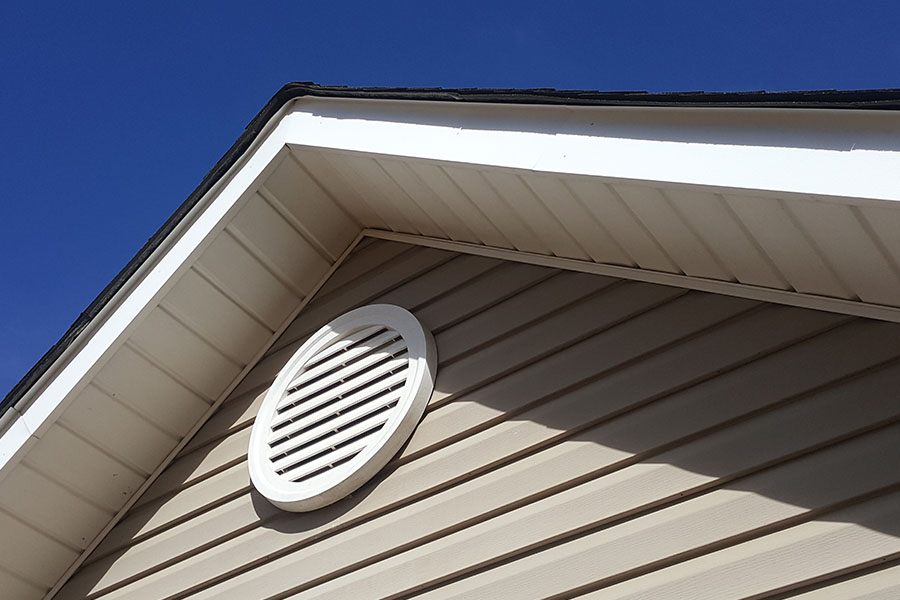
- Strategic Airflow: These take advantage of your home’s structure. They are perfect when roof space for vents is limited.
- High Efficiency: In humid climates, the active pulling power of a gable fan ensures moisture never has a chance to settle.
- Integration: We often pair these with passive vents to create a perfectly balanced airflow strategy.
Mechanical Exhaust Vents
Mechanical vents are an innovative way to boost ventilation using natural forces or mechanical triggers. Unlike passive systems, these actively facilitate air exchange in all weather conditions.
How Insulation and Ventilation Work Together
Insulation and ventilation are two sides of the same coin. Together, they optimize thermal efficiency and protect your home’s structure.
Proper insulation acts as a thermal barrier. It stops heat from moving between your attic and your living room, keeping you comfortable.
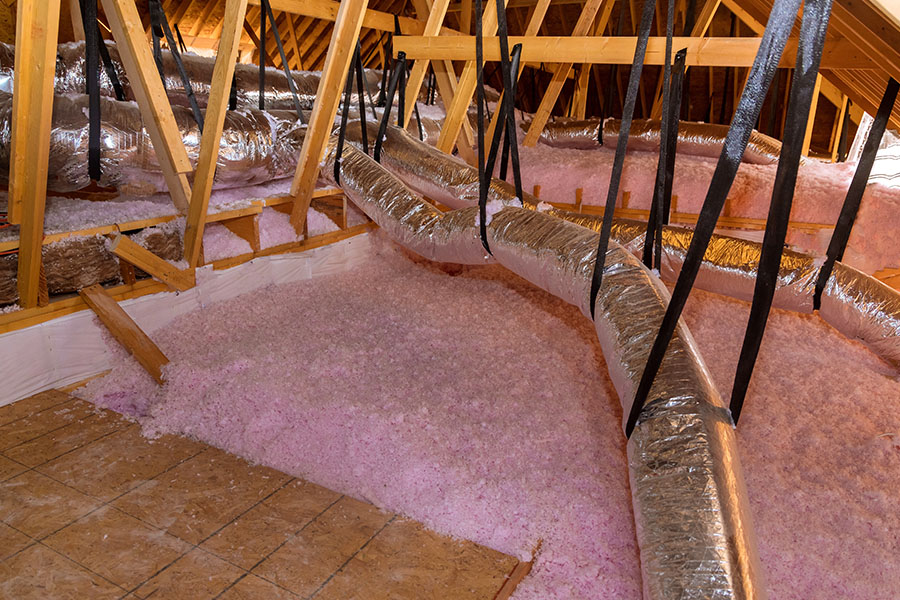
This efficiency only works if ventilation is present. Ventilation ensures air flows through the attic, preventing heat and moisture from overwhelming your insulation.
In the summer, a ventilated attic expels heat. In the winter, it stops ice dams. Both functions lead to noticeable savings on your utility bills.
By keeping the attic dry, we prevent wood rot and mold. This synergy preserves your roof’s longevity and ensures your home remains resilient over time.
Choosing the Best Roof Vents for Your Home
The best roof vent depends on your home’s architecture, roof shape, and the Tulsa climate. We evaluate every home individually to find the right fit.
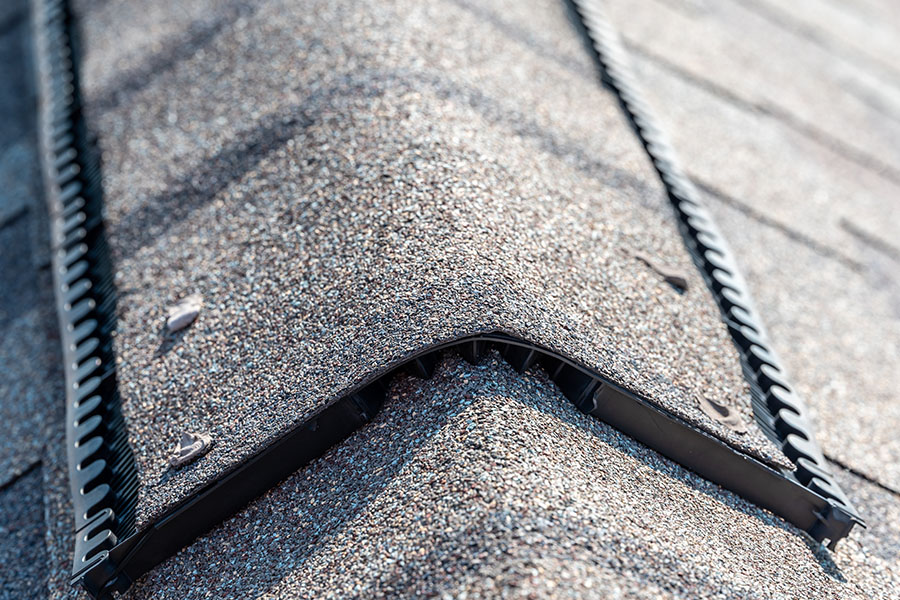
Ridge vents remain a top choice for their effectiveness and sleek look. Box vents are also excellent for their flexibility and ease of installation.
However, there is no one-size-fits-all solution. Factors like roof pitch and local weather patterns must dictate your choice.
Complex roofs often require a mix of vent types to ensure every corner of the attic stays dry. We recommend consulting an experienced contractor to design the ideal configuration.
The Value of an Experienced Roofing Contractor
Partnering with a team like Tulsa ProTech is the best way to optimize your system. We assess your architectural design and local climate to ensure your home breathes properly.
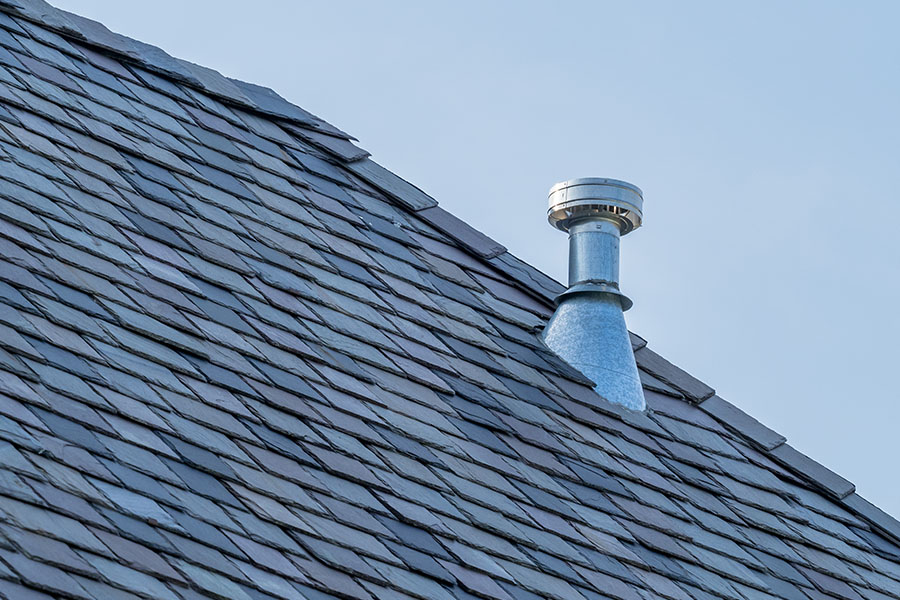
Our expertise ensures your ventilation strategy promotes airflow and roof longevity. We help you meet 2026 standards for energy efficiency while protecting your property from mold and structural damage.
Conclusion
In Oklahoma, effective roof ventilation is a necessity. By ensuring proper airflow, you enjoy lower bills and a longer-lasting roof.
While ridge and box vents are popular in Tulsa, the best solution is always customized. We bring the expertise needed to assess your home’s unique requirements.
Prioritizing your ventilation today prevents costly headaches in the future. It is one of the wisest investments a homeowner can make in 2026.
Contact Tulsa ProTech today to find the best roof vent for your home!
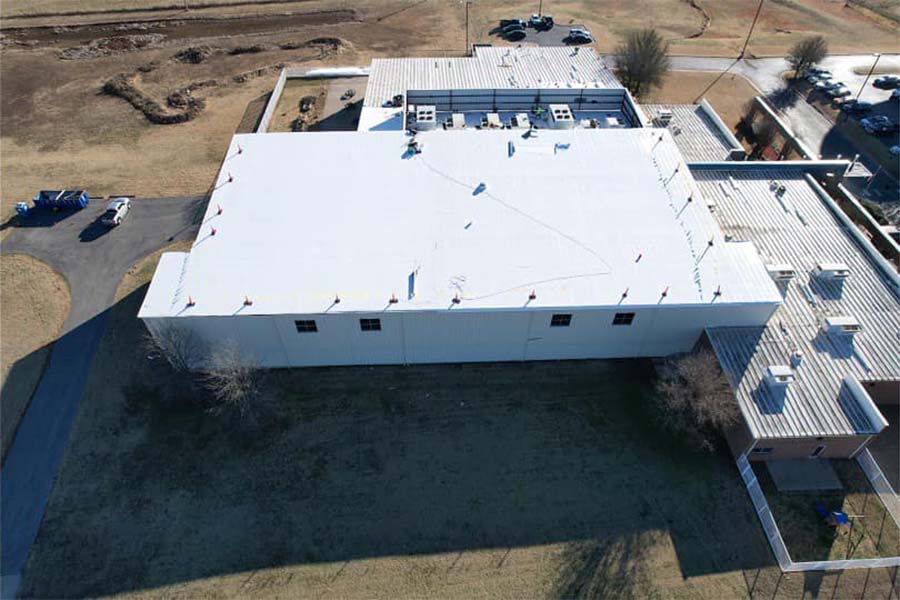
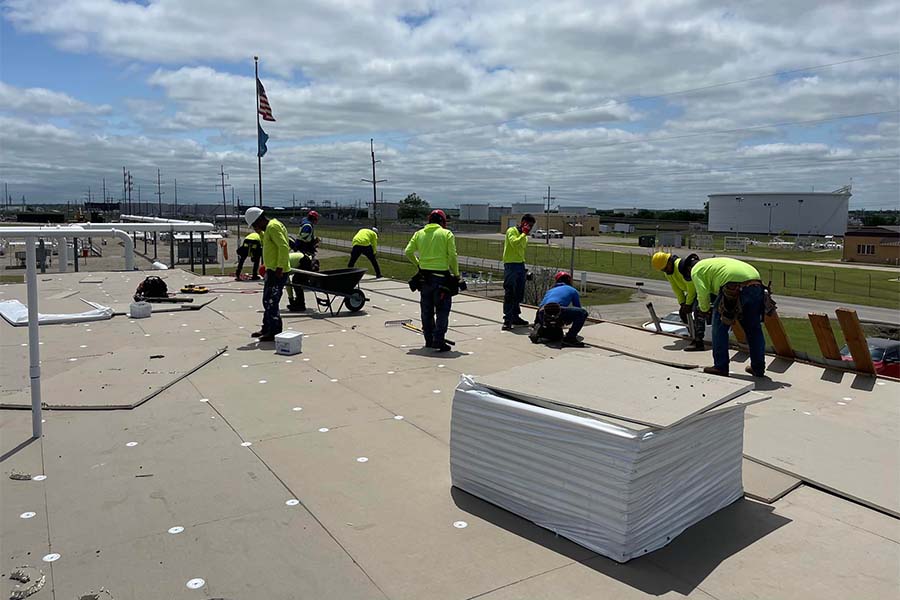
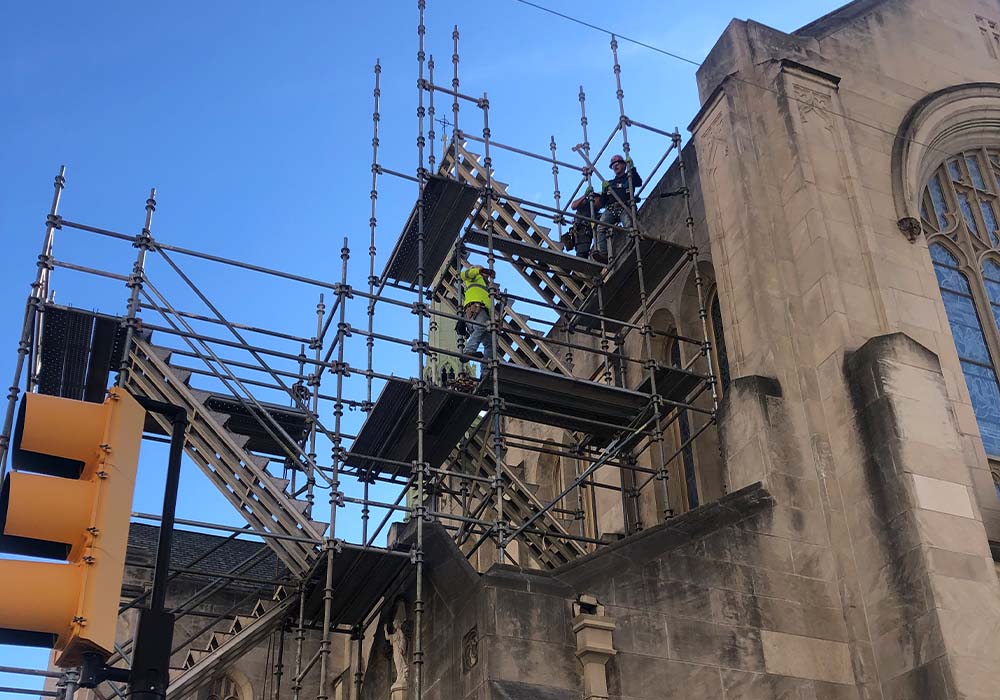
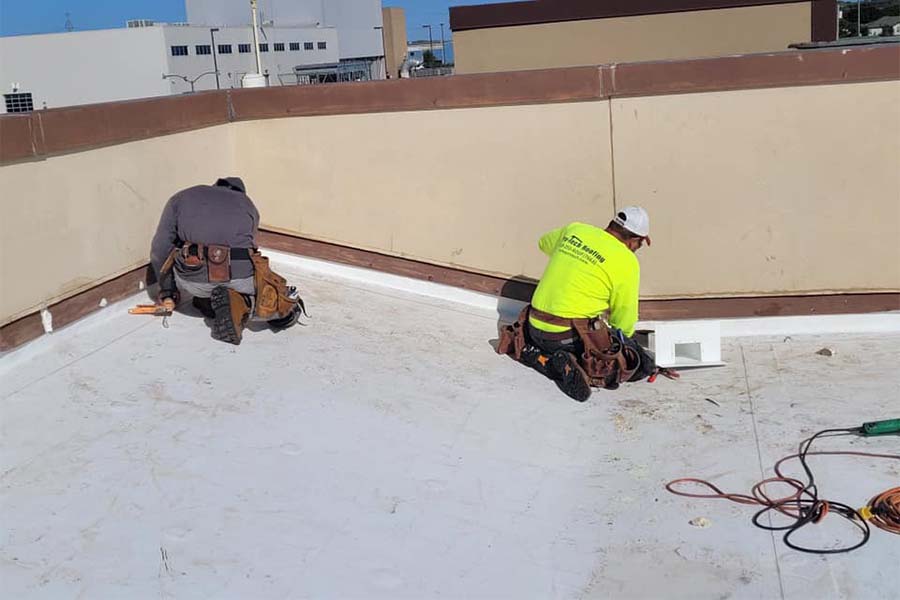
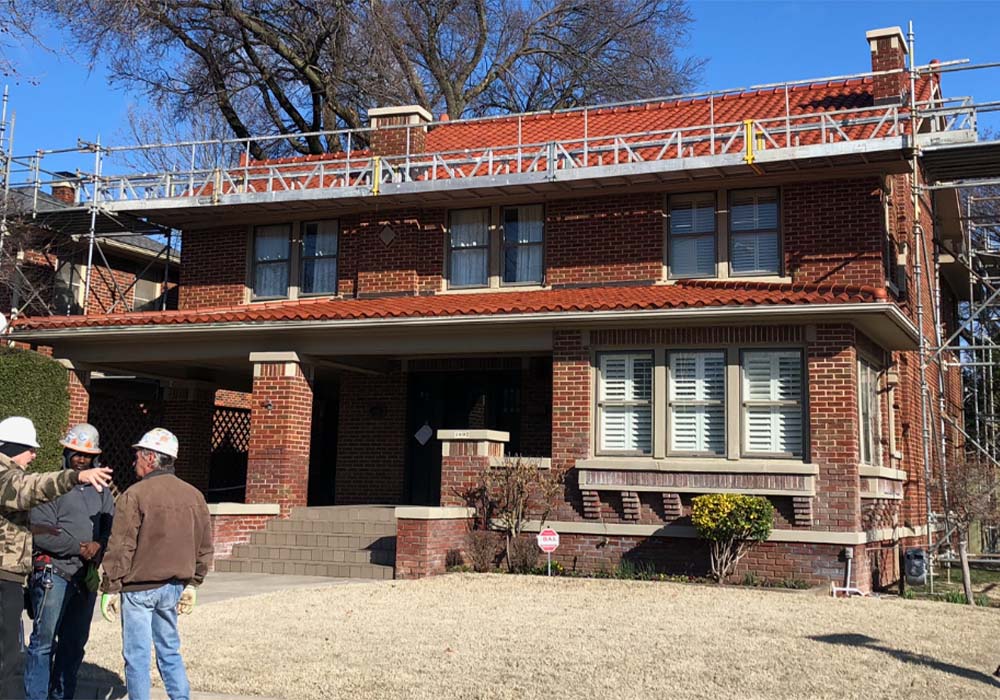
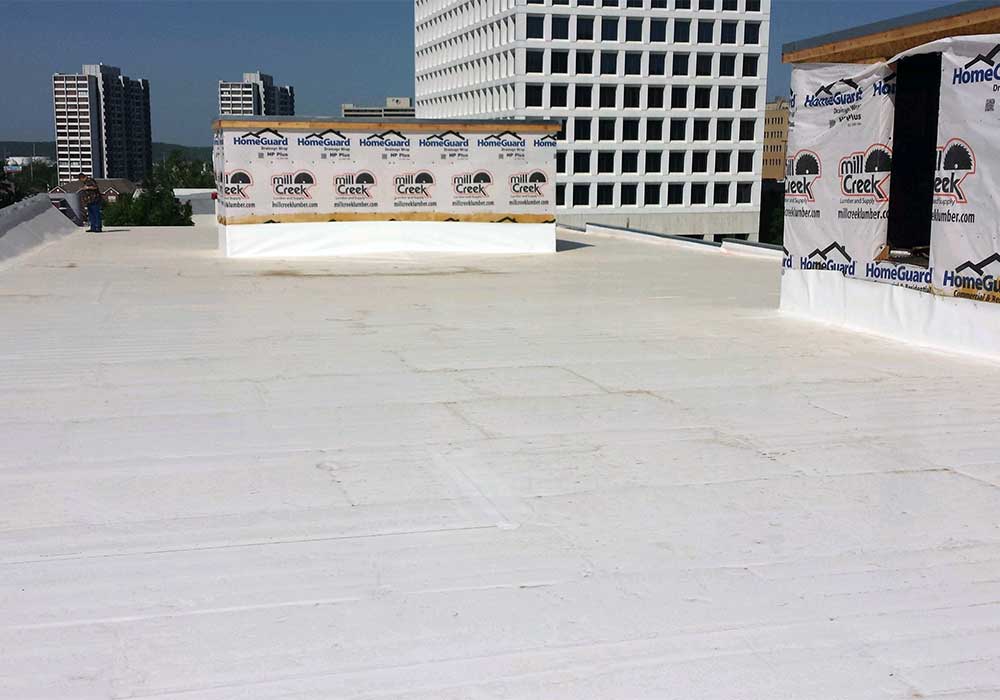
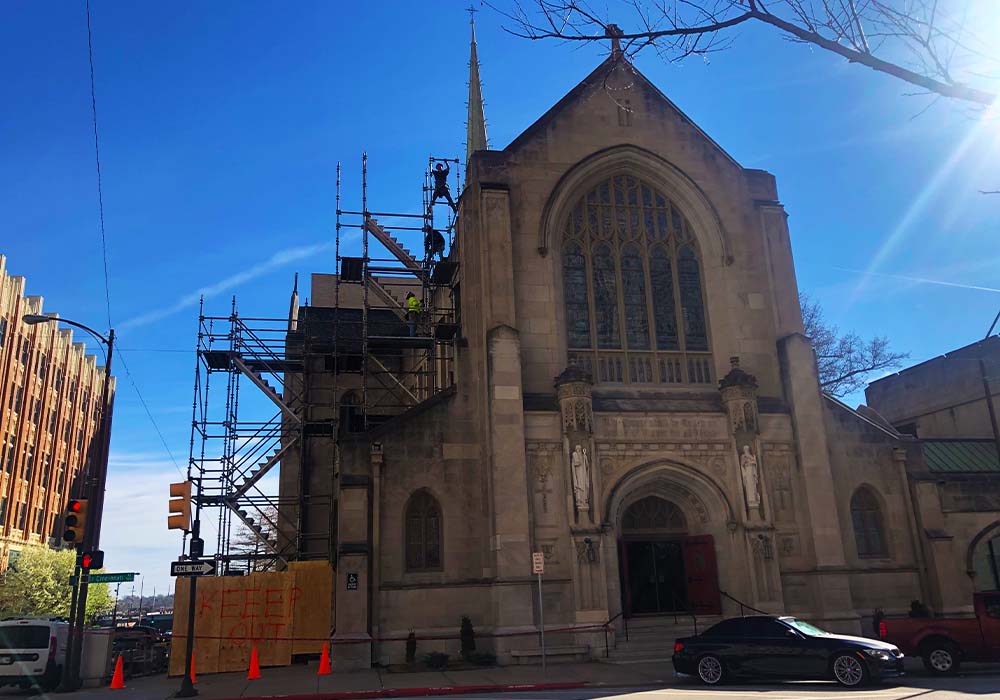
Real-World Examples of Our Tulsa Roofing Work
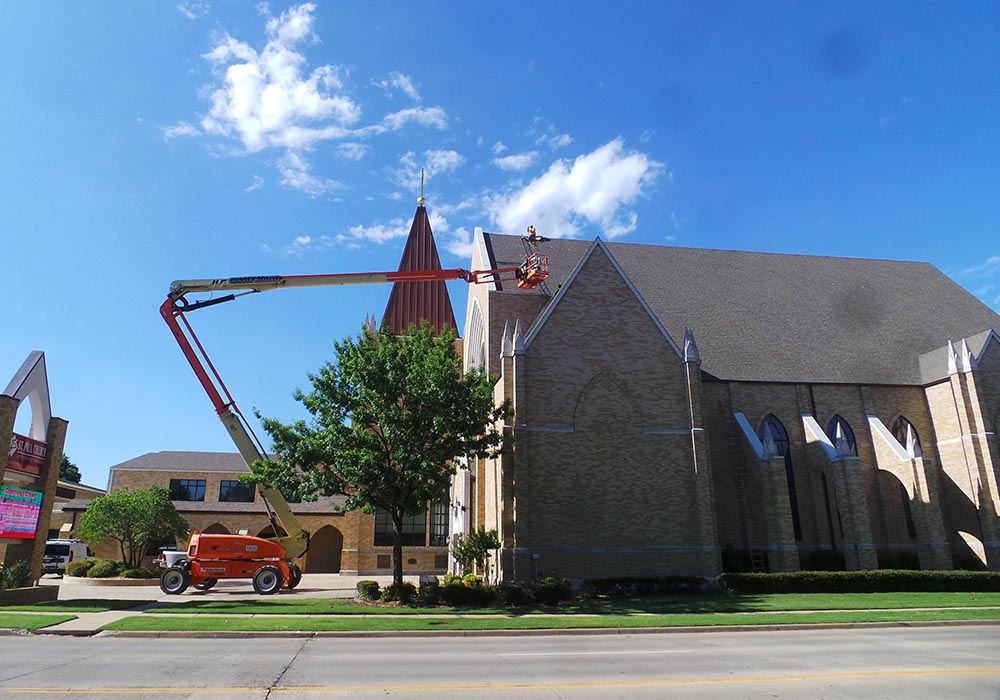
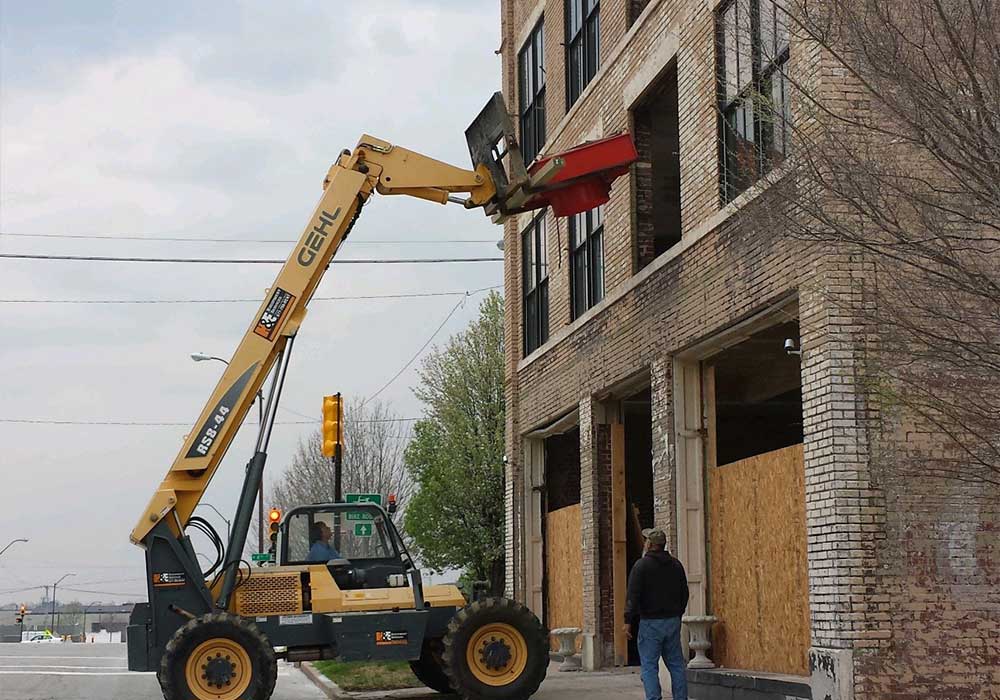
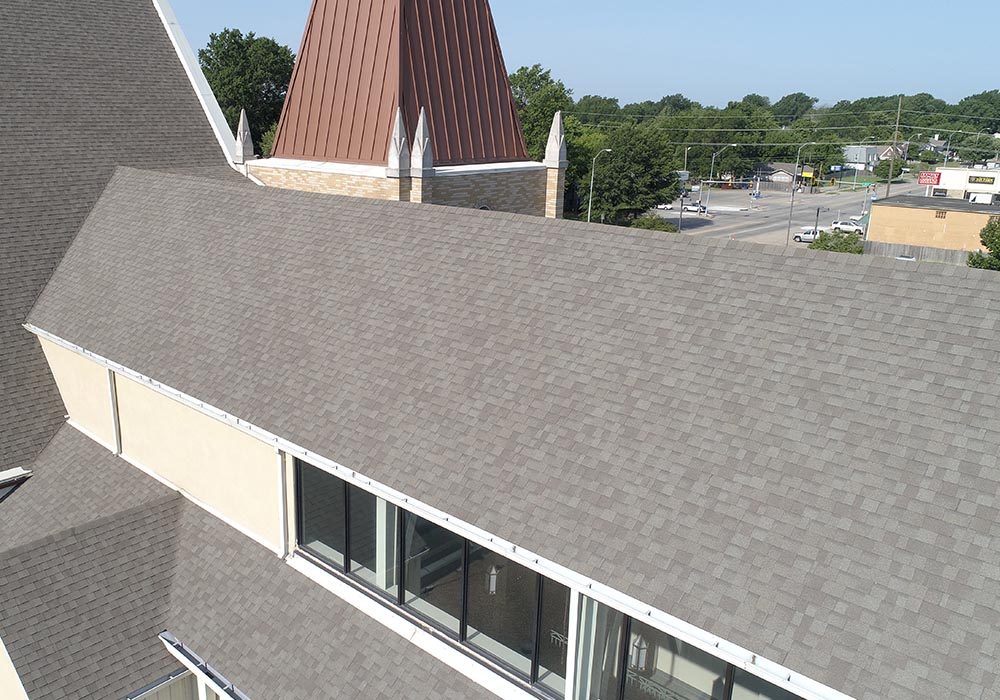
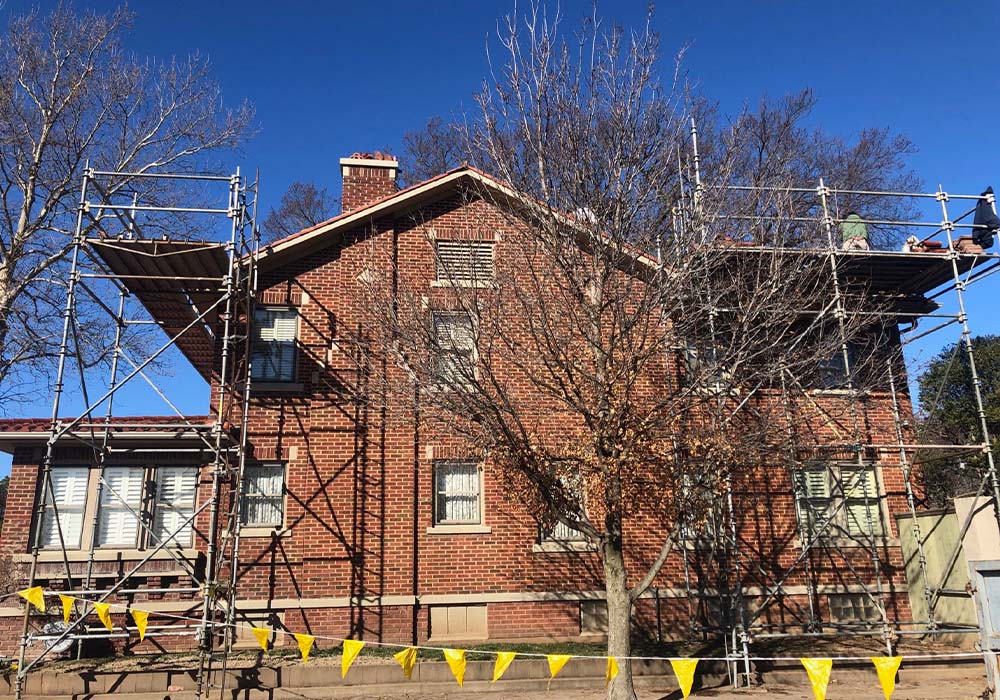
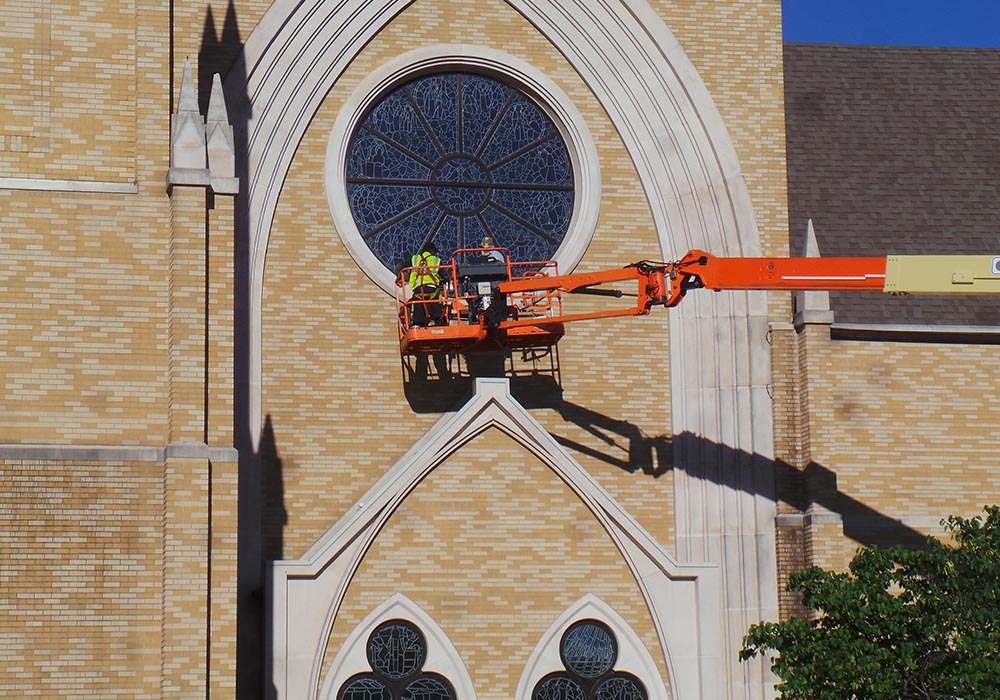
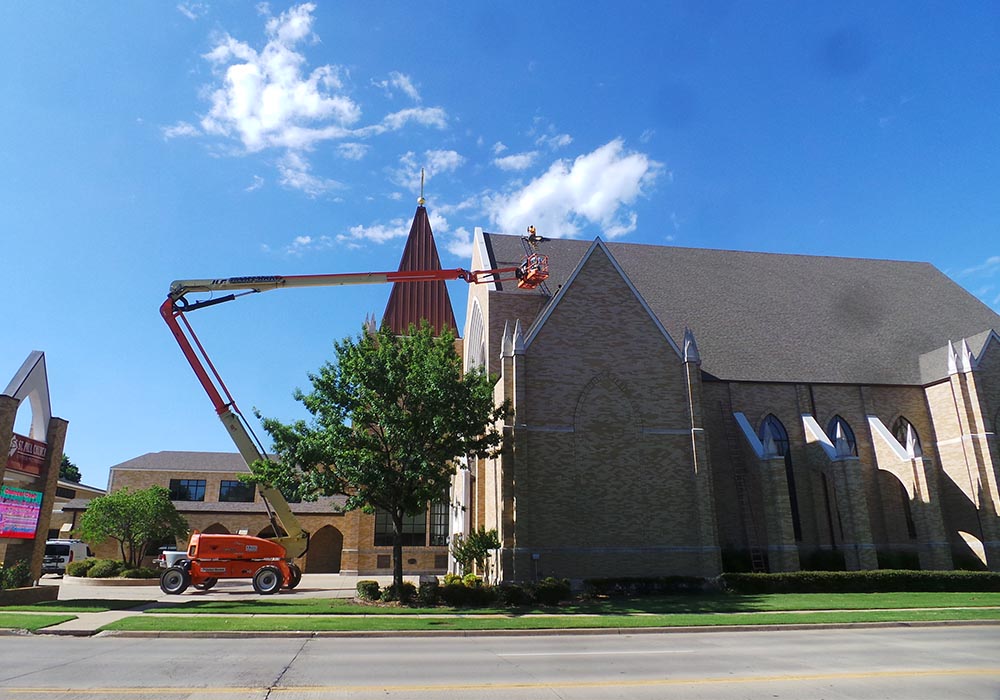
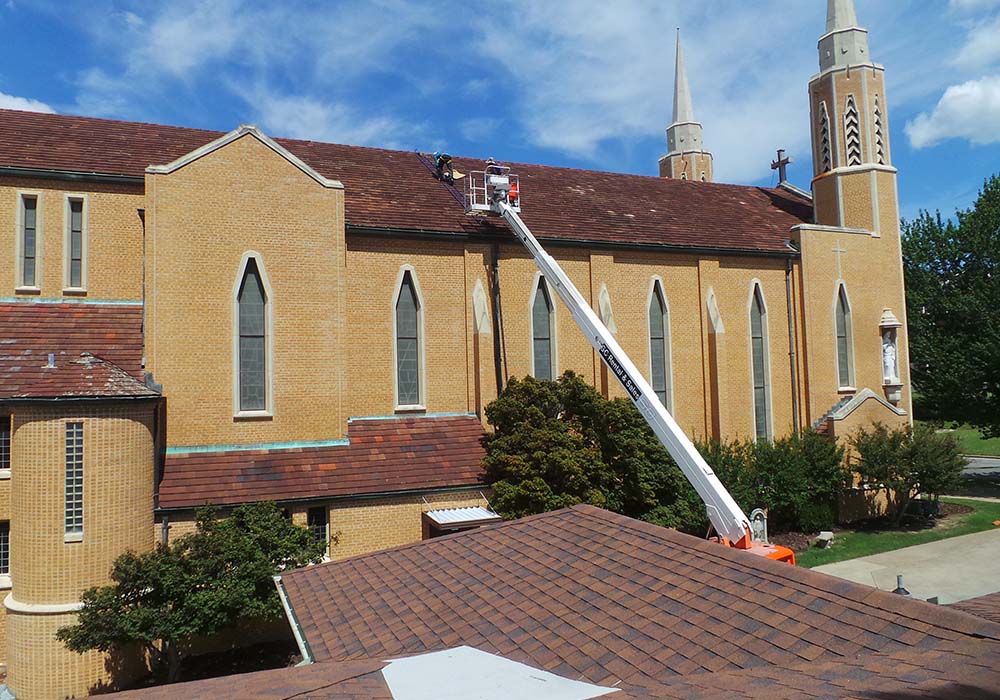
We take great pride in the quality and precision of every project we handle in the Tulsa area. Whether we are installing high-efficiency ridge vents or complex powered systems, our goal is always long-term durability.
You may want to check more of our completed projects here to see our 2026 standards in action!
Our team ensures that every vent is integrated seamlessly into your roofline. This protects your home’s aesthetic while maximizing its ability to breathe through the hot Oklahoma summers.