
When storms hit Tulsa, out-of-state contractors, often called “door knockers”, flood neighborhoods offering quick roof repairs. While their promises may seem tempting, hiring them can lead to poor workmanship, insurance fraud, and unfulfilled warranties. These contractors typically lack knowledge of Oklahoma building codes, disappear after storm season, and often demand large upfront payments. Starting July 1, 2026, Oklahoma will require all residential roofers to hold a Residential Roofing Endorsement, making local roofers the safer choice. Local contractors understand Tulsa’s regulations, provide faster response times, and offer long-term accountability. Protect your home by choosing a roofer with verified credentials, proper licensing, and strong community ties.

The Risks of Out-of-State “Door Knocker” Roofers
What Are “Door Knocker” Roofers?
“Door knocker” roofers are contractors from out of state who actively track severe weather events and show up in affected neighborhoods within 48 hours of a storm. They often use rehearsed lines like, “I just finished a job down the street”, or, “I noticed damage while driving by”, to create a false sense of familiarity. Their approach focuses on securing quick, high-volume jobs rather than delivering quality work. These contractors rely on scripted pitches and high-pressure tactics to push homeowners into signing contracts before they’ve had a chance to verify credentials or compare options. Unfortunately, this sets the stage for a range of problems.
Problems with Hiring Out-of-State Contractors
The biggest issue with these traveling contractors is the lack of accountability. They follow storm seasons across the country – working in Texas in April, Oklahoma in May, and Florida in September – and are often long gone before homeowners can file warranty claims. They typically set up temporary offices, use P.O. boxes or virtual addresses, and drive vehicles with out-of-state plates or rental cars, making it nearly impossible to track them down later.
One major red flag is their promise to “waive your deductible.” This involves inflating the invoice submitted to your insurance company so you pay nothing upfront, but it’s actually considered insurance fraud in every state. These contractors also insist on being present during the insurance adjuster’s inspection, aiming to influence the scope of work and maximize their payout.
Another concern is that many of these contractors lack proper licensing in Oklahoma and have no established online presence beyond the current storm season. They often demand large upfront payments – sometimes as much as 50% or more of the total project cost. In contrast, reputable roofers typically ask for a deposit of 10% to 30%. The Federal Trade Commission advises against paying more than one-third of the total cost upfront for any home improvement project. These practices stand in stark contrast to the transparent and reliable service offered by established local roofing companies.
Real Homeowner Problems
These deceptive tactics have caused serious financial losses for homeowners. In fact, home repair scams are the top complaint received by the Tulsa Police Department’s Senior Services Unit. Scammers often target homes with visible storm damage, such as identifiable roof hail damage, taking payment for repairs they never intend to complete. Without a local reputation or presence, these contractors are nearly impossible to hold accountable once they’ve left the area. Homeowners can’t verify their track record through trusted resources like the Better Business Bureau or the Oklahoma Supreme Court Network (OSCN).
If you suspect an elderly neighbor or relative is being targeted, reach out to the Senior Services Unit at 918-596-9107 or visit their office at 1107 N 105th E Ave, Tulsa, OK. Choosing a local roofing professional with verifiable credentials and strong community ties can help you avoid these risks entirely.
sbb-itb-66ccccd
Why Pro-Tech Roofing‘s Local Knowledge Helps
Knowledge of Tulsa’s Building Codes and Regulations
We stay up to date with Oklahoma’s building codes and permits, including the upcoming Residential Roofing Endorsement mandate effective July 1, 2026. Many out-of-state contractors who flood the area after storms often lack this endorsement and may not fully understand the new requirements. Our familiarity with these regulations ensures that projects run smoothly, avoiding the delays and unexpected costs that can arise when codes aren’t followed.
“If local requirements aren’t met, then you could end up with unforeseen delays or have to pay extra money as the project stalls.” – Ranger Roofing of Oklahoma
Being local also means we understand Tulsa’s unique weather challenges. For instance, when storm damage impacts more than 25% of a roof’s surface, a full replacement is often the safer and more cost-effective option compared to patching. Our team knows how to evaluate this threshold accurately and recommends materials that can withstand Tulsa’s climate, reducing the risk of future structural problems. This level of local insight is a key part of how we deliver quality results.
Licensed, Certified, and Insured Professionals
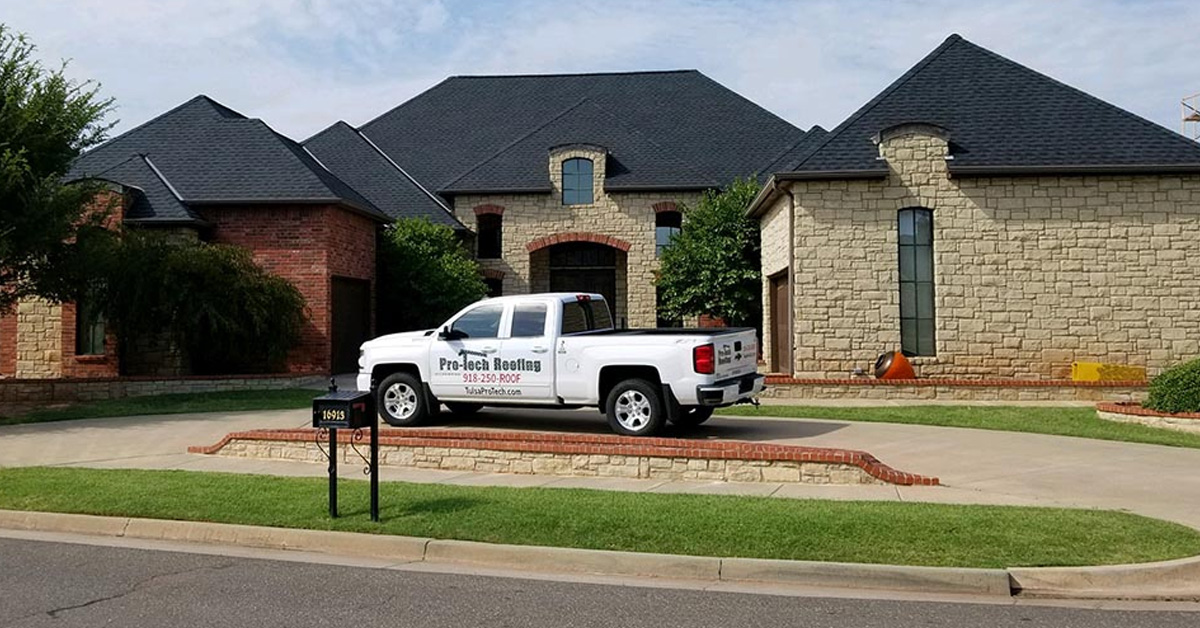
In addition to our knowledge of local regulations, our team is fully licensed, certified, and insured. Pro-Tech Roofing meets all Oklahoma requirements, including the Residential Roofing Endorsement. With the state removing the “first-offense warning” for violations, compliance is more critical than ever.
Beyond state licensing, we hold manufacturer certifications from GAF and Owens Corning. These certifications are not just titles – they require ongoing training and strict adherence to installation standards. This ensures not only quality craftsmanship but also access to industry-backed warranties. Unlike many traveling contractors, we consistently meet these high standards, giving you peace of mind that your roof is built to last.

The Benefits of Choosing a Local Roofer
Fast Response to Storm Damage
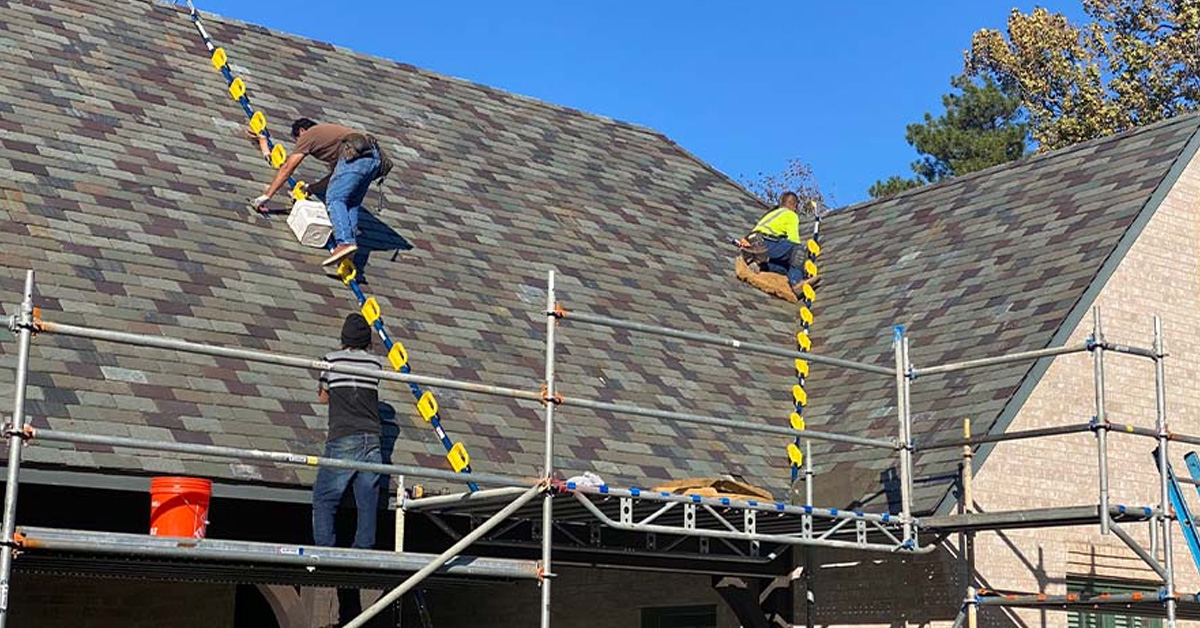
When severe weather strikes Tulsa, acting quickly is crucial. A local roofing team can be on-site within hours to inspect the damage, pinpointing missing or broken shingles before leaks wreak havoc on your home’s structure. In contrast, out-of-state contractors often take days to arrive, leaving your property exposed to worsening problems.
Because we’re based at 1107 N 105th E Ave, Tulsa, OK, we’re ready to respond immediately after a storm. We assess the situation, help you decide between repairs or a full replacement, and begin securing your roof right away. This proximity not only prevents small issues from snowballing into major repairs but also ensures more flexible scheduling for follow-ups.
Convenient Scheduling and Follow-Up
Scheduling with a local contractor is hassle-free. Need a follow-up inspection? Curious about how your roof is holding up over time? We’re just a call away and can quickly visit your home without the delays that come with out-of-state contractors.
“Hiring a contractor with an office nearby can increase the likelihood of a quicker response time.” – CertainTeed
This ease of access is not limited to emergencies. By documenting your roof’s condition over time, we can catch potential problems early and address them before they become costly.
Long-Term Access and Accountability
A local roofer offers more than immediate service – they provide long-term support to protect your investment. A roof warranty only holds value if the contractor is around to honor it. Local businesses thrive on their reputation and referrals, giving them a strong incentive to deliver quality work and stand by it. Our relationships in Tulsa are the foundation of our business, ensuring we’ll be here for warranty claims or future repairs.
With a permanent office in Tulsa and deep community ties, we’re committed to ongoing support. Having a fixed address and years of local operation means you can trust us to back up our work. In fact, businesses with at least three years of local experience demonstrate the stability needed to uphold long-term warranties.
4 Roofing SCAMS Hitting the Midwest RIGHT NOW!
Local vs. Out-of-State Roofers: A Comparison
Differences in Licensing, Quality, and Accountability
When it comes to choosing a roofing contractor, the distinction between local and out-of-state roofers is far more than a matter of convenience. It involves critical factors like licensing, adherence to building codes, insurance coverage, and accountability. These differences directly impact the quality of work and the long-term protection of your home.
Starting July 1, 2026, Oklahoma will require all residential roofing contractors to obtain a Residential Roofing Endorsement. Contractors must pass a Construction Industries Board (CIB)-approved exam with at least a 70% score to qualify. This regulation highlights the importance of hiring roofers with local expertise and credentials.
| Feature | Local Tulsa Roofer | Out-of-State “Door Knocker” |
|---|---|---|
| Licensing | Holds Oklahoma CIB registration and Residential Endorsement | May lack state-specific endorsements or only hold a general business tax license |
| Building Codes | Familiar with Tulsa and Oklahoma regulations | Often unaware of local codes, risking violations |
| Insurance | Verified local liability and worker coverage | Coverage may be unverifiable or nonexistent locally |
| Accountability | Has a permanent local office, ensuring warranty support | Often leaves the state post-storm season, making warranties unenforceable |
| Response Time | Can respond to emergencies within hours | Delayed response due to travel or lack of local presence |
One of the most striking differences lies in warranty reliability. While both local and out-of-state contractors may offer workmanship warranties ranging from 2 to 10 years, only local roofers are positioned to honor those warranties over time. As Ranger Roofing of Oklahoma explains:
“What happens when the out-of-state company you hired to replace your roof is no longer in town? By contracting a local roofer with ties to your community you ensure that if there are any warranty issues years from now they will still be there to back up that warranty”.
The numbers paint a concerning picture for out-of-state operators: 80% of roofing contractors fail within their first two years, and 96% are out of business within five years. A local roofer with an established track record offers much-needed peace of mind.
Financially, local contractors also demonstrate their commitment to meeting state standards. For example, they invest $305 upfront for their Residential Roofing Endorsement and $175 annually for renewal. These costs reflect their dedication to compliance and quality. In contrast, out-of-state roofers often sidestep these expenses, relying on vague credentials that fall short of Oklahoma’s requirements. As CertainTeed emphasizes:
“A standard business license is a tax requirement, and does not speak to a contractor’s competence”.
For Tulsa homeowners, the choice between local and out-of-state roofers isn’t just about who can get the job done. It’s about who can do it right, stand by their work, and protect your investment for years to come.
How to Verify a Local Roofer’s Credentials
Making sure your roofer has the right credentials is key to ensuring they have local expertise and are accountable for their work.
Steps to Confirm Licensing and Insurance
Start by checking the contractor’s license through the Oklahoma Construction Industries Board (CIB) database. It’s worth noting that beginning July 1, 2026, all residential roofing contractors in Oklahoma must have a Residential Roofing Endorsement to operate legally.
Next, ask the contractor for a Certificate of Insurance. This should include general liability insurance with at least $300,000 in coverage per occurrence and workers’ compensation insurance. As Barbara Horwitz-Bennett puts it:
“A certificate of insurance for contractors and workers’ compensation protects homeowners from being held accountable for injuries on a jobsite.”
Take the time to confirm that the insurance certificates are current. Remember, the CIB can impose fines of up to $10,000 for contractors working without a valid license.
Once you’ve verified the license and insurance, the next step is to assess the contractor’s reputation and past work.
Checking References and Reviews
Ask the contractor for at least three references from projects completed in the past year. Then, check their ratings and complaint history with the Better Business Bureau. If possible, visit the referenced locations to inspect the quality of their work firsthand. Joseph Elshazly, President of Rapid Restoration Group, shares his approach:
“To find a qualified roofing contractor, I check online reviews, ask for recommendations from friends or family, and verify their licenses and insurance.”
Focus on contractors with a proven track record in areas like Tulsa, Jenks, Bixby, and Broken Arrow. Be cautious of companies that have been in business for less than three years, as they may lack stability.

Manufacturer Certifications and Local Address
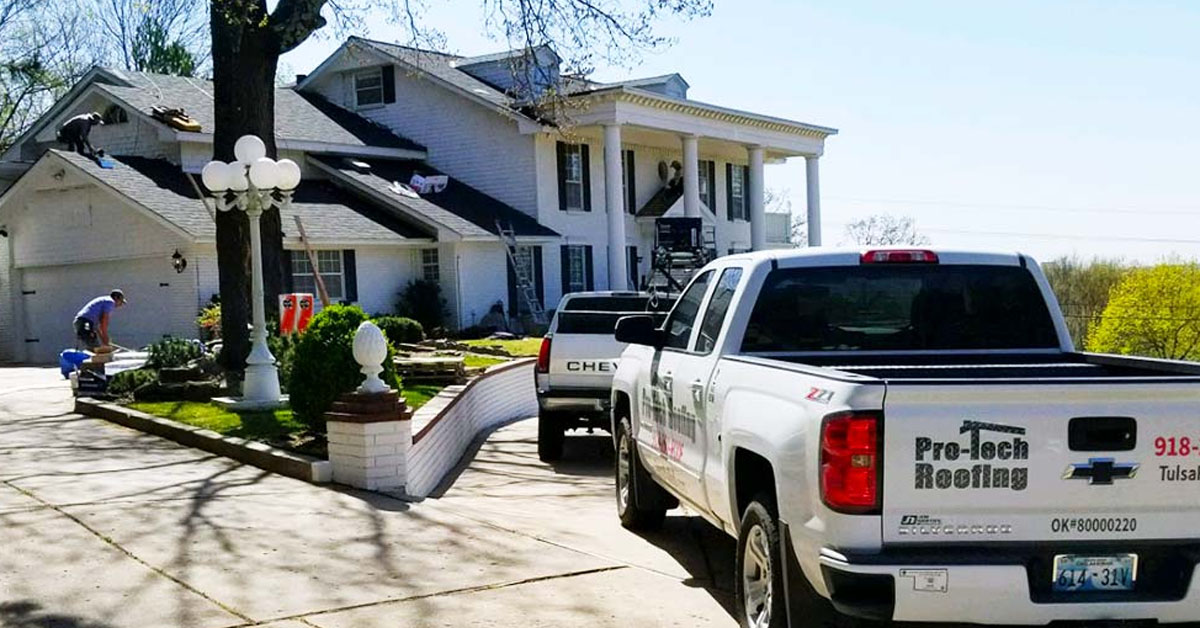
Beyond licensing and reviews, look for manufacturer certifications from brands like GAF, Owens Corning, or CertainTeed. These certifications indicate specialized training and often allow contractors to offer extended warranties that cover both materials and workmanship. For example, Pro-Tech Roofing holds certifications from GAF and Owens Corning, showcasing their professional expertise.
Lastly, make sure the contractor has a physical street address – not just a P.O. Box. Visit their office to confirm they have a permanent local presence. This ensures you’ll have a reliable place to get support even after the project is done. Pro-Tech Roofing’s office at 1107 N 105th E Ave, Tulsa, OK is a great example of a tangible location where homeowners can consult in person and feel confident about long-term support.

FAQs
What are the biggest red flags a storm-chasing roofer is a scam?
When you’re hiring someone for a service, watch out for these warning signs: high-pressure sales tactics urging you to decide quickly, no local address or physical location, lack of proper licensing or insurance, requests for large cash deposits upfront, and an unwillingness to provide references or proof of legitimacy. Always take the time to verify their credentials before moving forward.
How do I verify an Oklahoma roofer’s license and insurance fast?
To verify a roofer’s license in Oklahoma, you can reach out to the Oklahoma Construction Industries Board (CIB) at 405-521-6550 or use their online verification portal. Additionally, ask the roofer for copies of their insurance and bond certificates. Make sure to confirm these documents with the relevant agencies to ensure they are valid. This step helps confirm that the contractor is properly licensed and insured before any work begins.
What should I do if a roofer says they can “waive my deductible”?
Be wary of any roofer who promises to “waive your deductible.” This is often a red flag for unethical or even fraudulent behavior. Such offers are typically associated with contractors who might cut corners or provide subpar work. Instead, choose a reputable local roofer who understands building codes and insurance requirements. Make sure you never agree to waive your deductible, and always check the contractor’s credentials before moving forward.