
When severe weather hits Tulsa, your roof and home can sustain hidden damage that leads to costly repairs if not addressed quickly. To protect your property, we recommend following a systematic inspection process to identify vulnerabilities before they escalate. Note: This post was originally published in October 2025 and has been fully updated in 2026.
- Inspect your roof and surroundings: Use binoculars to check for missing shingles, damaged flashing, and debris on the ground.
- Examine gutters and downspouts: Search for clogs, sagging sections, and excessive granule buildup.
- Check inside your home: Scan for water stains, mold, or sunlight peeking through attic cracks.
- Take safety precautions: Always wear proper gear like non-slip shoes and use stable ladders.
- Act fast with temporary fixes: Cover damaged areas with tarps and clear gutters to prevent further water intrusion.
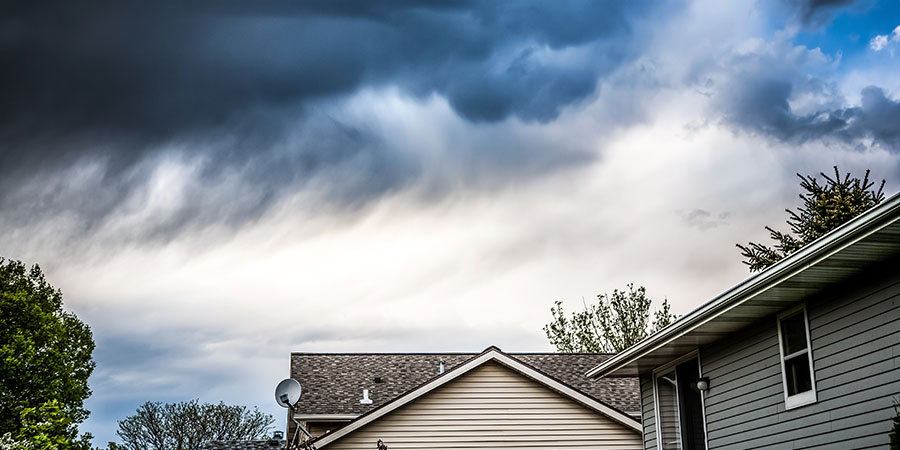
If the damage is beyond your expertise, contact our certified roofing professionals for a detailed inspection and repairs. Addressing storm damage within 48-72 hours is the most effective way to prevent long-term structural problems.
The Essential Post-Storm Roof Damage Inspection Guide
Safety Steps to Take Before You Check Your Roof
Safety is our absolute priority. Before you step outside to assess storm damage, you must ensure the environment is stable. Jumping into an inspection without taking the right precautions can turn a manageable situation into a high-risk emergency. Follow these steps to conduct a safe and effective assessment.
Wait for Clear Weather and Identify Hazards
Never inspect your property during an active storm or while conditions remain unstable. We advise waiting until the wind has fully subsided and the rain has stopped. Wet surfaces are dangerously slippery, especially on sloped rooflines.
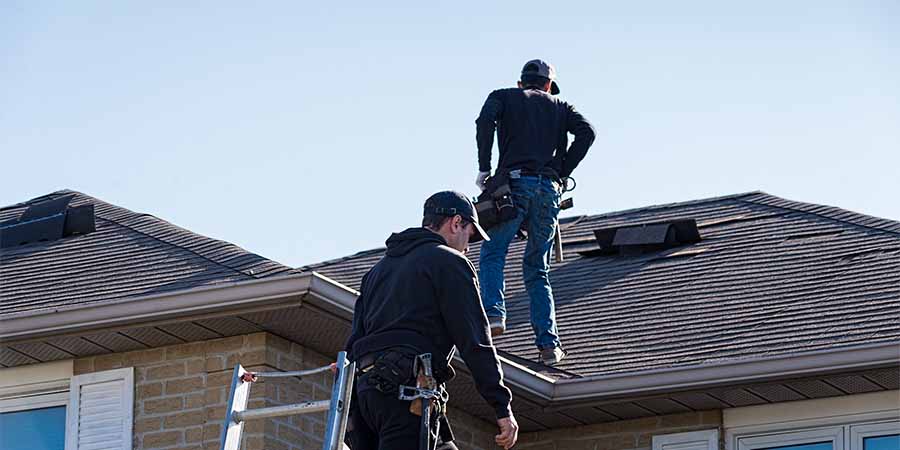
Start by observing your surroundings from a safe distance to identify potential risks. Watch for downed power lines, leaning trees, or loose debris that could shift. Once you are confident the area is secure, gather your protective gear before approaching the structure.
Equip Yourself With Modern Safety Equipment
Having the proper safety gear is essential for any storm damage inspection in 2026. At a minimum, we recommend wearing non-slip work boots, safety glasses, heavy-duty gloves, and a hard hat.
Choose footwear with deep tread and excellent ankle support. You should avoid sandals, flip-flops, or smooth-soled shoes, as they provide zero traction on wet or uneven surfaces. Safety glasses protect your eyes from windblown grit, while gloves safeguard your hands from sharp metal flashing or broken shingles.
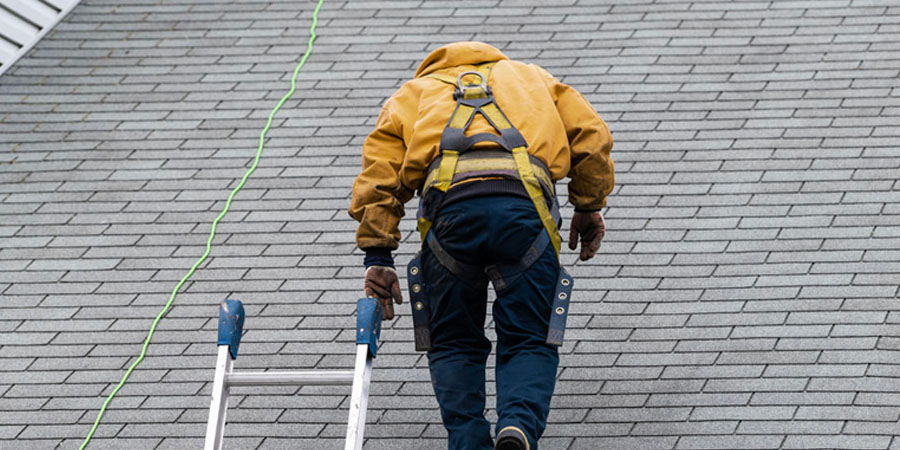
A hard hat is vital to shield you from falling limbs or loose roofing materials. For hard-to-reach areas, we suggest using binoculars or a consumer drone to avoid unnecessary ladder use. Always bring a high-lumen flashlight for dark corners and use your smartphone to document every finding for insurance purposes.
Begin With a Comprehensive Ground-Level Inspection
A ground-level inspection is the safest way to spot obvious damage without risking a fall. Walk around the entire perimeter of your home and scan the roofline for missing shingles, bent flashing, or sagging gutters.
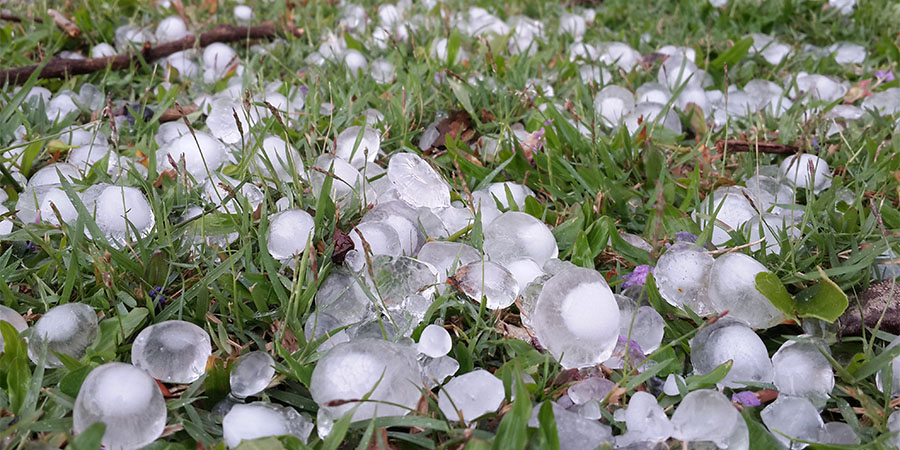
Keep a close eye out for roofing materials that may have migrated to your lawn. Finding shingle granules, pieces of metal flashing, or cedar shakes on the grass is a definitive sign of damage above. If you cannot confirm the extent of the damage from the ground, only proceed with a ladder if it is equipped with proper stabilizers. In many cases, our team can confirm damage using high-resolution ground-based photography.
How to Identify Roof Damage From the Outside
After your ground-level check, it is time to focus on specific exterior components. Understanding what to look for can help you communicate more effectively with your insurance adjuster.
Search for Missing, Cracked, or Lifted Shingles
Missing shingles are the most obvious indicators of wind damage. Examine the roof from multiple angles to find bare patches where the black underlayment or wooden roof deck is exposed. These areas are immediate leak risks.
Next, we look for cracked or split shingles. Following Tulsa hail storms, these often appear as dark, circular bruises or edges that curl upward. Granule loss is another major concern. If you see shiny or dark “bald” spots on your shingles, their ability to reflect UV rays is compromised, which significantly shortens their lifespan.
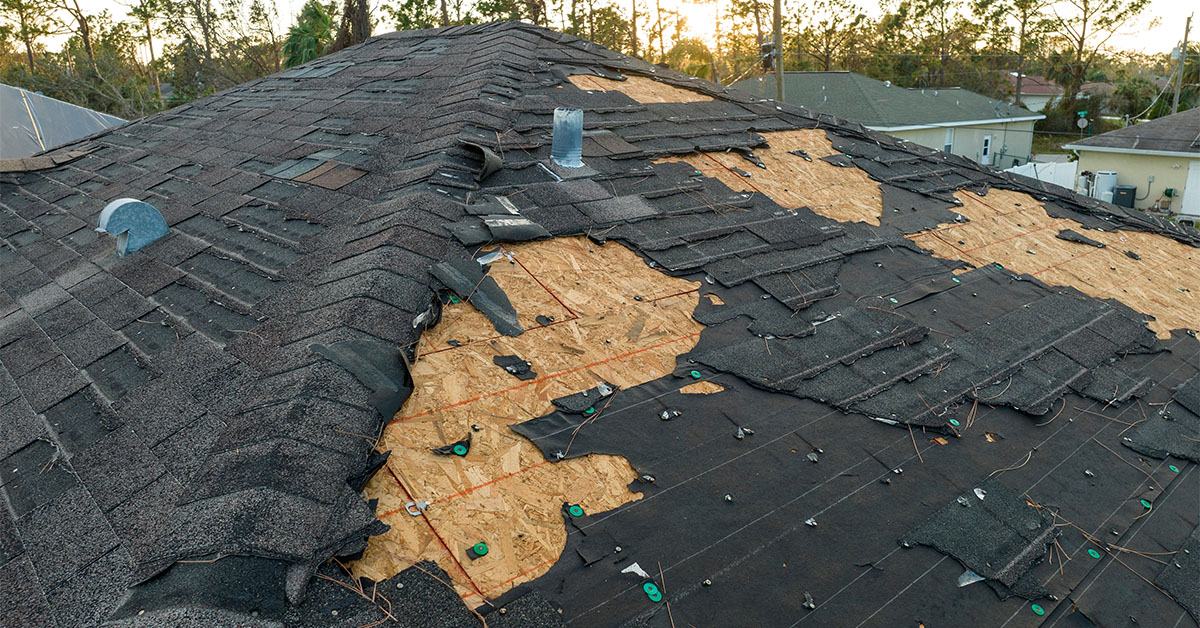
We also check for loose or lifted shingles. High winds can break the sealant strip, causing shingles to flap. Even if they haven’t blown off yet, these “unsealed” shingles allow wind-driven rain to blow underneath them.
Inspect Flashing Around Vents and Chimneys
Flashing is the metal defense system installed around chimneys, vents, and skylights. Because it is rigid, it is highly susceptible to being bent or pried loose by extreme winds.
Start with your chimney flashing. Look for sections that appear dented or displaced. If you see rust or corrosion, the storm likely exploited existing weaknesses. Around vent pipes, ensure the rubber “boots” are not cracked or torn, as these are the most common sources of “mystery” leaks.
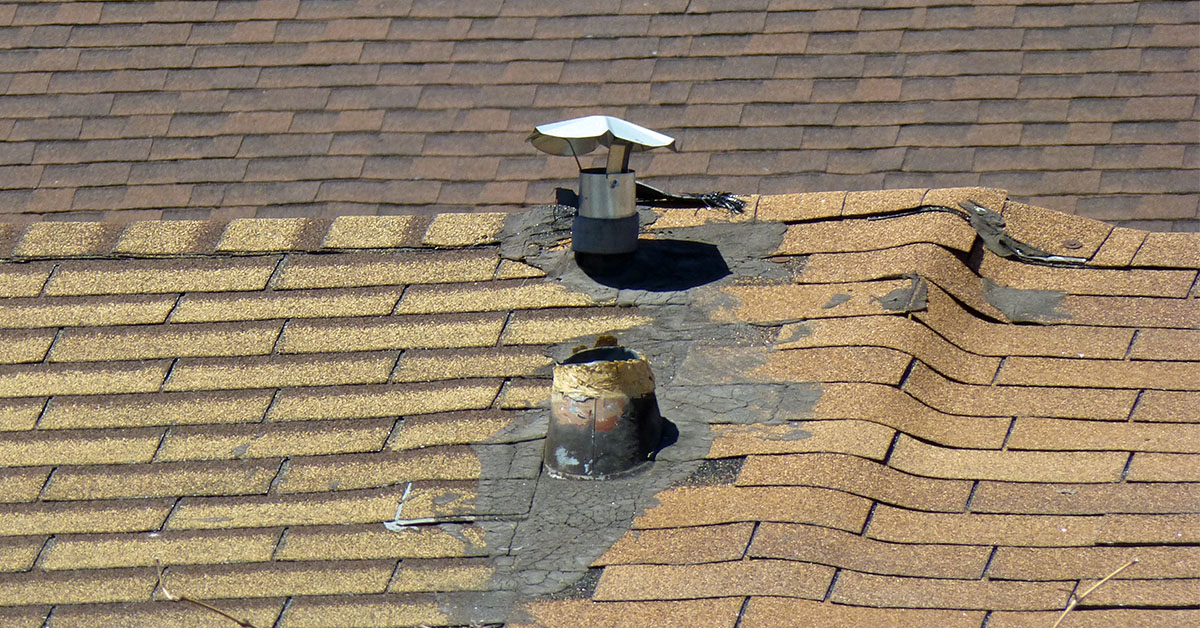
For skylights, look for pooling water at the base. Because skylights require intricate sealing, even a minor shift in the flashing can lead to significant interior water damage.
Evaluate Your Gutters and Downspouts
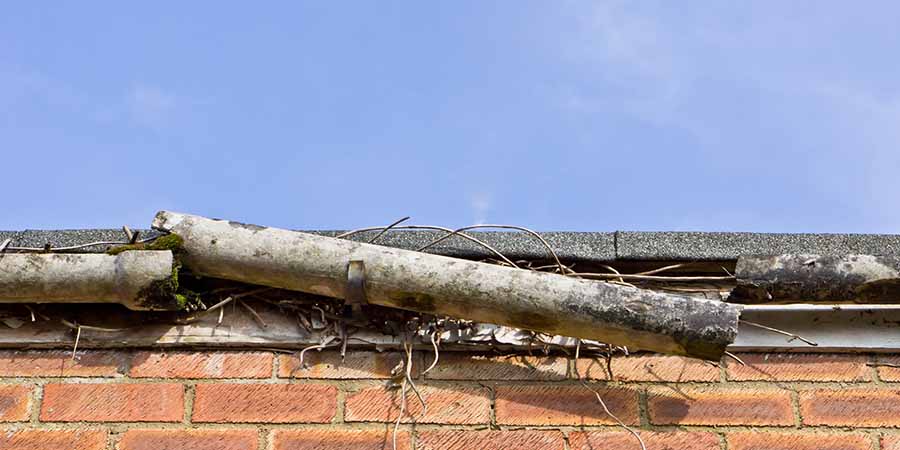
Your gutters act as the primary drainage system for your roof. After a storm, we check for sagging or pulling away from the fascia board. Heavy rain and debris can overwhelm gutter brackets, causing them to fail.
Check the bottom of your downspouts for “sand” or granules. A sudden accumulation of granules after a storm is a “smoking gun” for roof damage. Metal gutters with visible dents are also a strong indicator that the roof shingles likely sustained similar hail impacts.
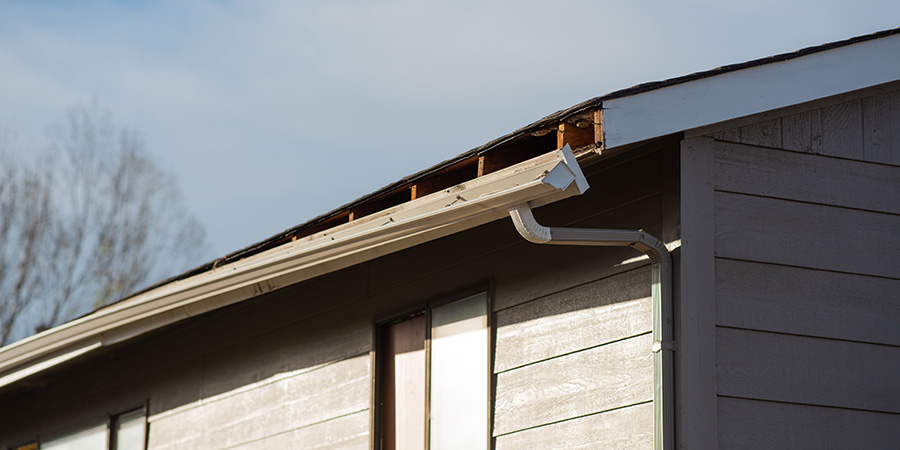
Ensure your downspouts are still securely attached. If they have been disconnected, water can dump directly against your foundation, leading to basement flooding or soil erosion. Clearing clogs immediately is essential to keep water moving away from your home’s structure.
Checking Inside Your Home for Hidden Damage
Exterior damage is only half the story. We must also look indoors for signs that the building envelope has been breached. Hidden water damage is often more destructive than visible shingle loss.
Identifying Water Stains on Ceilings and Walls
Water stains are the most reliable indicator of a leak. Walk through every room—including closets—and look for brown, yellow, or grey patches. These spots may feel damp to the touch or appear as bubbling paint.
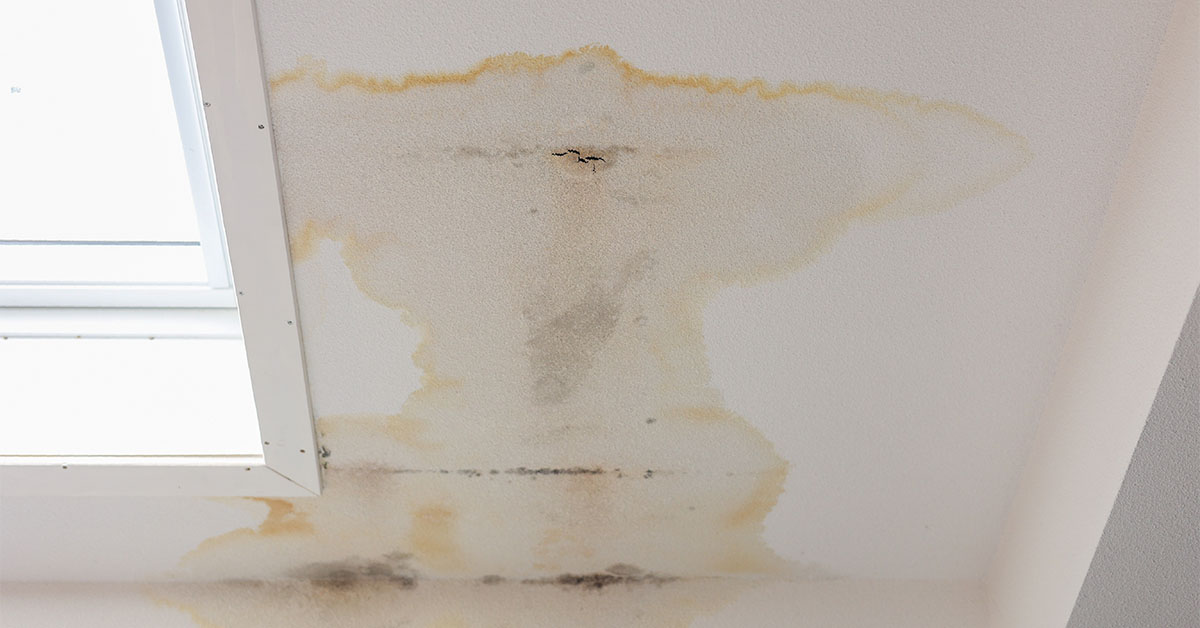
Pay special attention to areas around light fixtures and ceiling fans. If you see moisture near anything electrical, turn off the power at the breaker immediately. Water and electricity are a lethal combination; always call us to inspect the roof before you flip the power back on.
Inspecting Your Attic for Air and Water Leaks
Your attic is the “first responder” for roof leaks. Use a high-powered flashlight to check the rafters and insulation for dampness. If you can perform this check during the day, look for sunlight streaming through the roof deck. If light can get in, water definitely will.
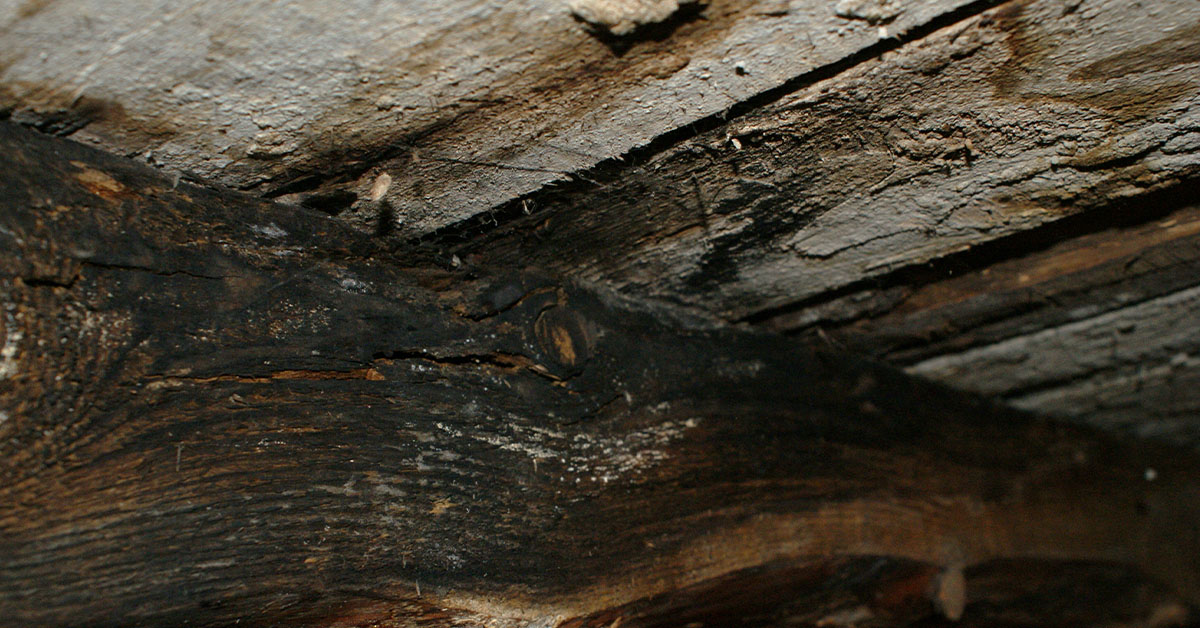
Check for a musty odor, which suggests that moisture has been trapped for some time, potentially leading to mold growth. We also examine the rafters for signs of structural shifting, which can occur during high-wind events in the Tulsa area.
Checking for Post-Storm Pest Entry
Storms often create new entry points for pests seeking dry shelter. Look for shredded insulation, droppings, or gnaw marks in your attic. Rodents can exploit even small gaps in damaged soffits or ridge vents.
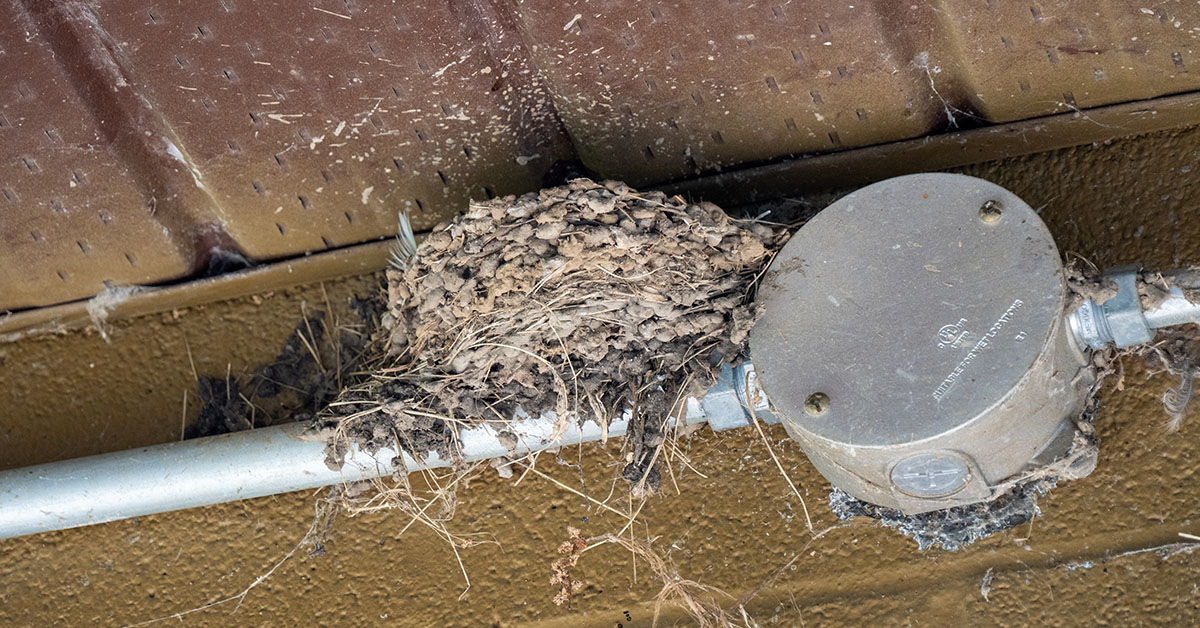
Be alert for scratching sounds at night. If you notice a new draft in a room, it could signal a structural gap that pests are already using. Addressing these openings quickly prevents a roofing problem from turning into a pest infestation.
Quick Fixes to Prevent Secondary Damage
Once you have identified damage, the clock is ticking. Temporary mitigation is required by most insurance policies to prevent “avoidable” secondary damage. Here is how we recommend handling the situation while waiting for a full repair.
How to Cover Damaged Areas With Tarps
For emergency roof protection, we recommend 6-mil thick poly tarps. A standard 20×30 tarp is usually sufficient for most residential leaks.
Measure the damaged area and ensure you have at least 4 feet of overlap on all sides. Secure the tarp using 2×4 wooden boards—a method known as “sandwich boarding.” Nail through the boards into the roof deck every 12 inches to prevent the wind from catching the edges. Avoid using staples or bricks, as they will fail during the next gust of wind.
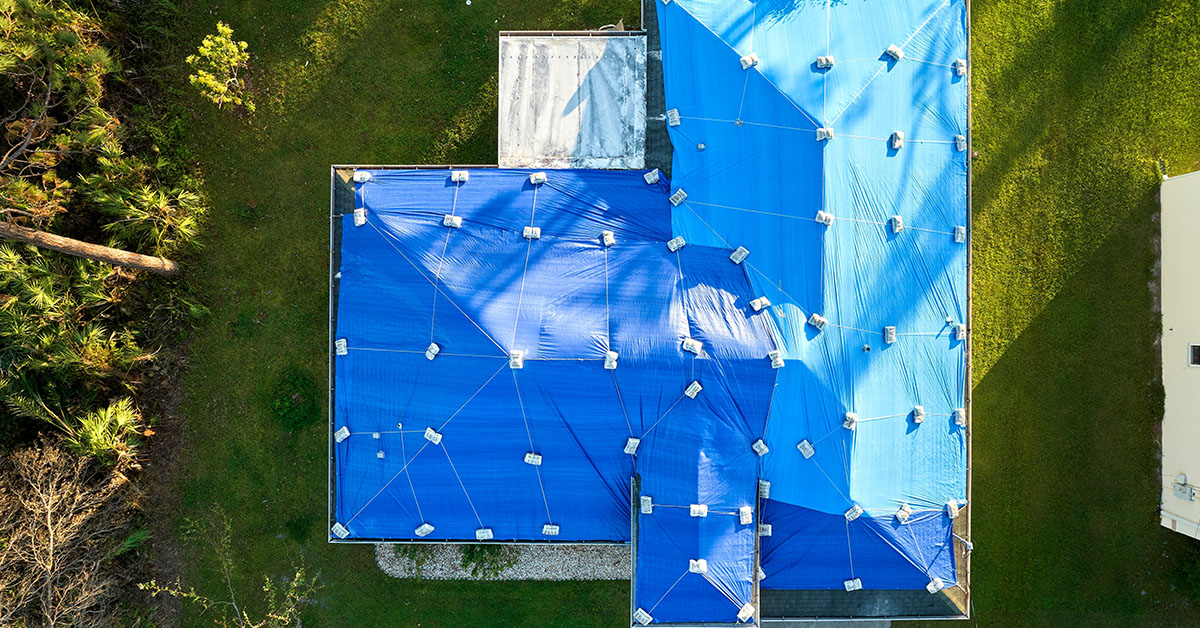
Remember that tarps are temporary. Most are only rated for 30 to 90 days. We use them strictly as a “stop-gap” until a permanent, code-compliant repair can be completed.
Clean Out Gutters to Ensure Proper Drainage
Storm debris can quickly turn your gutters into a bathtub. When water backs up, it flows under the bottom row of shingles and rots your fascia boards. Use a plastic scoop to remove leaves and granules, then flush the system with a hose.
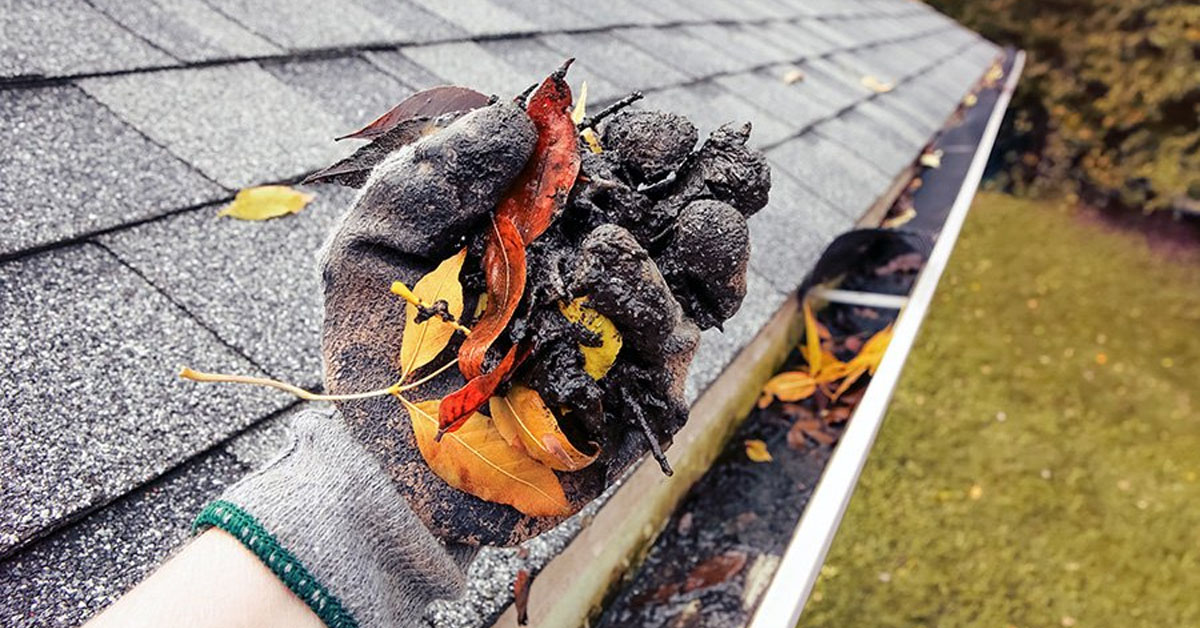
Ensure your downspouts are discharging water at least 6 feet away from your foundation. In Tulsa, the expansive clay soil can shift significantly if it becomes oversaturated, leading to foundation cracks that cost far more than a roof repair.
When to Avoid DIY Repairs
Certain tasks are too dangerous for anyone but a professional. We strongly advise against climbing on any roof that is wet, steeply pitched, or shows signs of structural sagging. If you smell gas or see downed power lines near your roof, evacuate the premises and call emergency services immediately.
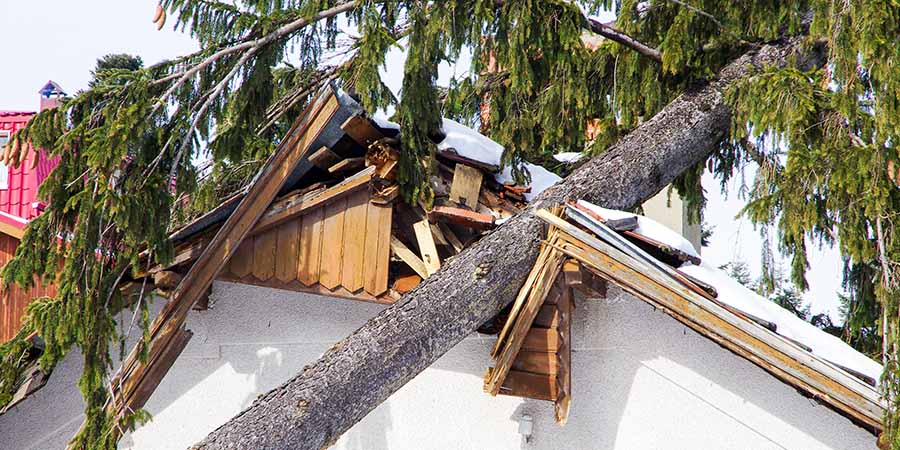
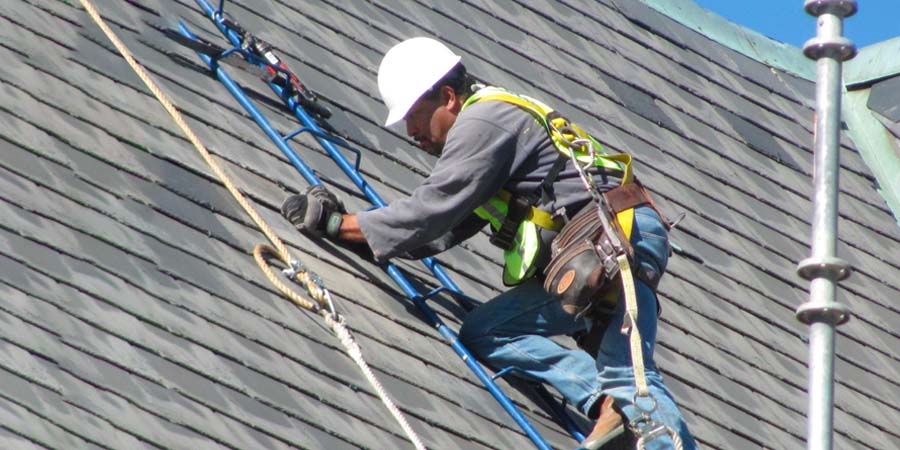
Stick to ground-level tasks and basic tarping if it is safe to do so. Our professional roofers use OSHA-approved harnesses, specialized “Cougar Paws” traction shoes, and advanced safety equipment to handle these risks for you.
When to Call Pro-Tech Roofing for Expert Help
While quick fixes buy you time, they are not a substitute for professional restoration. Pro-Tech Roofing ensures your home remains a safe haven with repairs that meet 2026 building codes and manufacturer specifications.
Recognizing the Need for Professional Assistance
If you suspect hail damage or see water spots, you need a professional eye. Hail damage is often invisible to the untrained eye but can lead to total roof failure within two to three years if left unaddressed. We help you identify these “hidden” threats early.
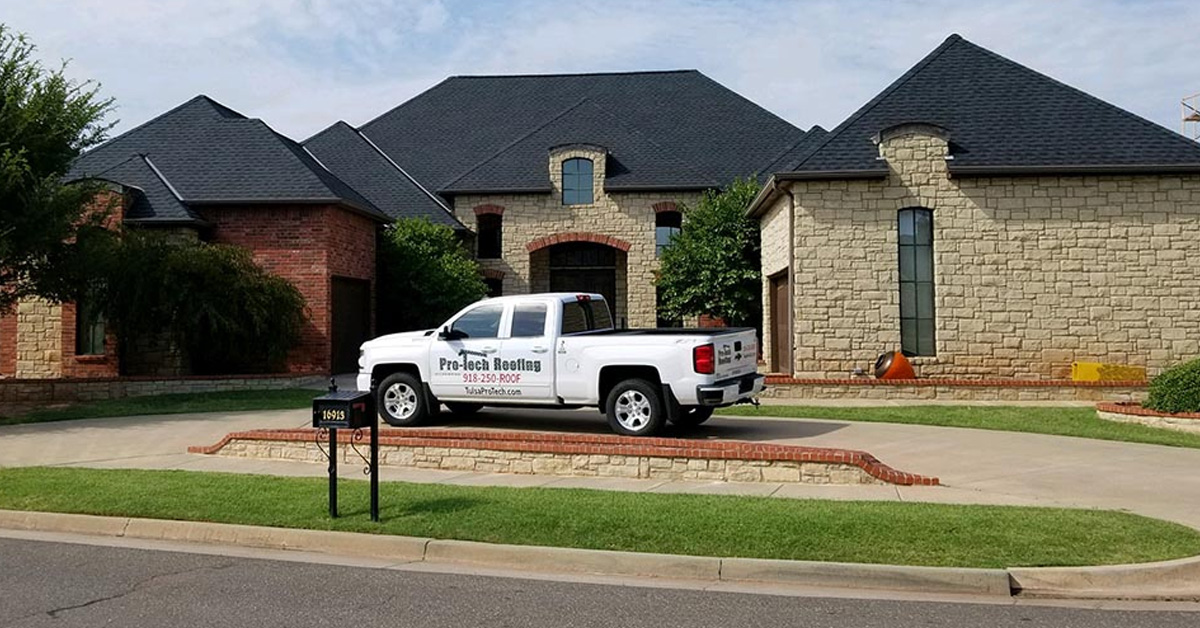
Free, Comprehensive Roof Inspections
We provide free inspections that include a full digital health report of your roof. Our technicians use high-resolution cameras and moisture meters to document damage, providing you with the “proof” needed to simplify your insurance claim. We don’t just look at shingles; we inspect the entire attic ventilation system and structural integrity.
The Value of a Certified Roofing Partner
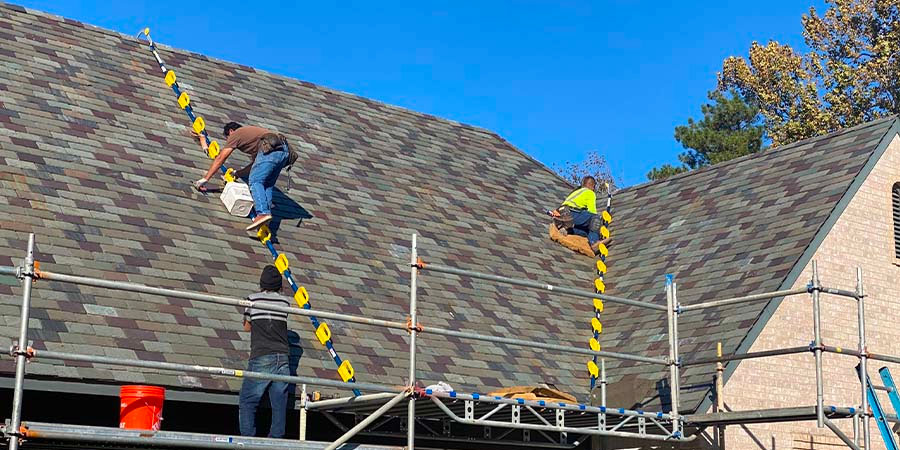
Choosing a certified contractor is the only way to ensure your warranty remains valid. We are proud to be GAF and Owens Corning certified, which means we adhere to the highest installation standards in the industry. Benefits of working with us include:
- Full Insurance and Bonding: We protect you from liability.
- Insurance Claim Expertise: We help you navigate the complex paperwork of storm claims.
- Local Tulsa Expertise: We understand how Oklahoma weather impacts different roofing materials.
Protecting Your Home Long-Term After Storm Damage
Staying proactive is the key to homeownership in Tulsa. After a severe weather event, your primary goal is to stabilize the structure and prevent further water intrusion. If you have any doubts about your roof’s condition, reaching out to a certified roofing professional is the smartest move you can make.
We offer free roof inspections to help you uncover hidden issues before they become expensive catastrophes. Let us help you protect your investment and your family.
Frequently Asked Questions
What steps should we take if we notice water stains or mold in our home after a storm?
If you spot water stains or mold, you must act immediately to mitigate damage. Start by drying the area using high-powered fans or industrial dehumidifiers. Remove any saturated materials like drywall or carpet padding that cannot be salvaged. To address minor mold growth, clean non-porous surfaces with a vinegar solution or specialized antimicrobial cleaner. Most importantly, identify the source of the leak to prevent recurrence. For widespread mold or significant structural dampness, contact our team for a professional assessment.
How can we safely check our roof for storm damage on our own?
We recommend starting from the ground with a pair of binoculars. Scan for missing shingles, exposed underlayment, or damaged flashing. Walk the perimeter to look for fallen debris or granules in your gutter downspouts. Inside, check your attic during daylight for “pinholes” of light or damp insulation. Always prioritize safety: do not climb onto a roof if you lack professional training and safety harnesses. If you see anything suspicious, it is safer to call us for a free, professional-grade inspection.
When is the right time to call a professional roofing service after a Tulsa storm?
You should call a professional if you see missing shingles, active leaks, or if you have experienced a confirmed hail event with stones larger than 1 inch. Many storm-related issues are “latent,” meaning they won’t cause a leak immediately but will lead to premature roof failure. Acting promptly helps you meet insurance filing deadlines and prevents the high costs associated with mold remediation and structural rot. When in doubt, a professional inspection provides the peace of mind that your home is secure.