
When your commercial roof is damaged, filing an insurance claim can feel overwhelming. From documenting the damage to navigating policy details, the process requires precision to secure the compensation your business needs. Acting quickly is critical: roof damage can lead to costly secondary issues like leaks, mold, or structural problems if left unresolved.

This guide explains how to assess damage, file a claim, and work with adjusters to ensure your settlement covers necessary repairs. We also highlight common pitfalls, like underestimations and code compliance issues, and how to avoid them. With expert support, such as Pro-Tech Roofing in Tulsa, you can streamline the process and protect your property. Here’s what you need to know to manage your claim effectively and safeguard your investment with commercial roof maintenance.
Commercial Roof Insurance Claim Secrets: Maximize Your Payout in Metro Detroit
sbb-itb-66ccccd
Assessing Roof Damage: How Pro-Tech Roofing Can Help
Taking swift action after roof damage can make a big difference when it comes to getting your insurance claim approved. By documenting the damage and taking steps to prevent further issues, you can speed up the claims process and improve your chances of an accurate settlement. Here’s what you need to know.
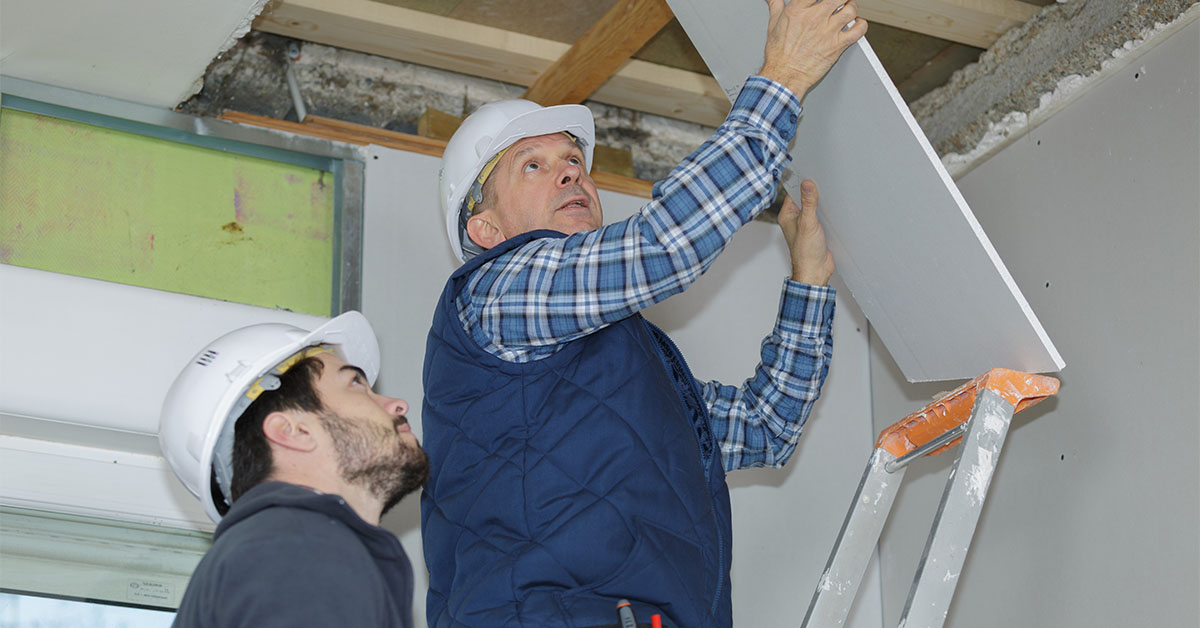
What to Do Immediately After Damage Occurs
Start by capturing clear photos and videos of the damage from multiple angles. Be thorough – this visual documentation will be crucial for your claim.
Next, protect your property from further harm. Cover exposed areas or openings with tarps to prevent water from seeping in. Keep in mind that most insurance policies won’t cover secondary damage caused by neglecting this step. Save all receipts for materials or services used to mitigate the damage, as these expenses are often reimbursable.
"Make sure any openings or damage to the structure of your home won’t result in further damage. You may want to hire a roofer to help with repairs. Be sure to save all receipts from these repairs." – GAF Roofing
Contact your insurance provider as soon as possible to report the damage. Confirm that your policy covers this type of loss, ask about claim deadlines, and create a detailed inventory of all damaged roof components, including their approximate values.
Getting a Professional Roof Inspection
After taking emergency measures, a professional roof inspection ensures no damage goes unnoticed.
While your photos provide essential evidence, licensed contractors can uncover hidden issues like moisture damage or flashing problems that you might miss. A thorough inspection can make all the difference in getting the full value of your claim.
Pro-Tech Roofing specializes in detailed damage assessments that meet insurance standards. Their certified inspectors document every issue with comprehensive reports, measurements, and professional-grade photos. This level of detail strengthens your claim by providing undeniable proof of loss.
Having a professional, like Pro-Tech Roofing, present during the insurance adjuster’s visit can also work in your favor. Their team can explain technical details and ensure no damage is overlooked. Plus, their certifications from top manufacturers add credibility to their findings.
Pro-Tech Roofing offers free inspections for all types of commercial roofs. Their reports include itemized breakdowns of tear-off costs, materials, labor, cleanup, and disposal fees, helping you avoid unexpected out-of-pocket expenses.
For a complete and reliable damage assessment, reach out to Pro-Tech Roofing at 1107 N 105th E Ave, Tulsa, OK. They’re ready to help you navigate the commercial roofing in Tulsa claims process with confidence.
How to File an Insurance Claim: Step-by-Step Process
When filing an insurance claim, the responsibility of proving your loss rests on you, not the insurance company. Knowing this can help you navigate the process effectively and maximize your recovery.
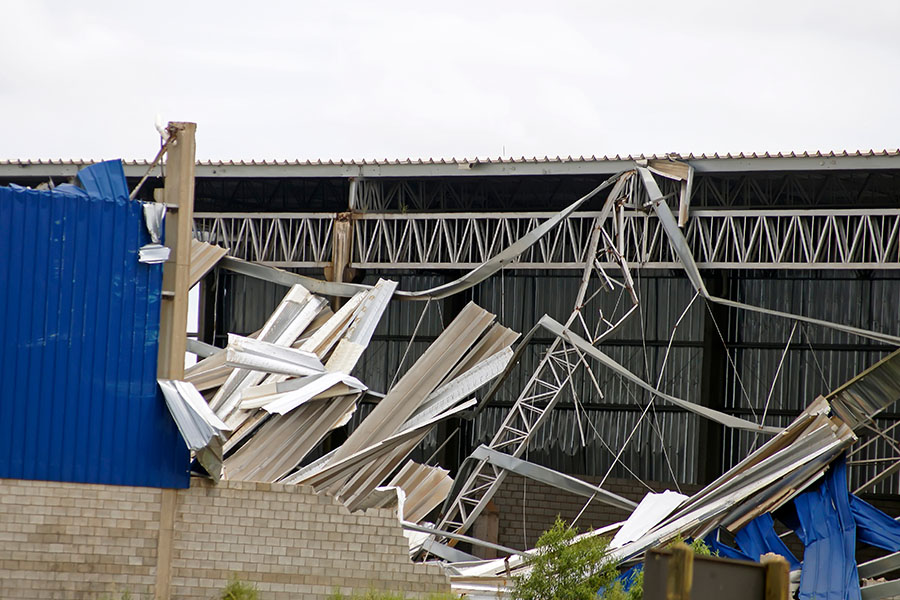
Preparing and Submitting Your Claim
Start by reviewing your insurance policy. Look for details like your deductible type (whether it’s a flat dollar amount or a percentage of the claim), coverage limits, and any exclusions, such as cosmetic damage endorsements.
Your claim should include thorough documentation. This means noting the exact date and time of the storm, the weather conditions, and any emergency repairs you’ve completed. Take photos that show the scale of the damage, and include items like a quarter or a measuring tool in the pictures to provide a clear sense of scale. For roof damage, include photos that highlight variations in roof height and the extent of the damage.
File your claim promptly – most policies require it within 30–60 days. Attach a professional inspection report, such as one from Pro-Tech Roofing, which should include an itemized breakdown of costs for tear-offs, materials, labor, cleanup, and disposal. This expert documentation is essential for proving the full value of your loss.
"The insurance adjuster does not have a duty to find damage. Instead, the insurance adjuster is there to look at the damage you have found." – Chad Conley, CEO of Complete General Contractors
Working With the Insurance Adjuster
Once your documentation is ready, it’s time to work with your insurance adjuster.
Be present during the adjuster’s inspection. Provide your damage list and highlight the issues noted in your professional report. Having a certified team, like Pro-Tech Roofing, on-site can help explain technical details, such as the difference between functional damage and cosmetic wear. This ensures nothing is overlooked.
Adjusters often use a tool called Xactimate to create an initial estimate. Keep in mind, this estimate serves as a starting point, not a final settlement. Pro-Tech Roofing can compare their independent estimate to the adjuster’s scope to identify any missing items, like drip edges or ice-and-water shields.
If the initial estimate doesn’t cover everything, you can file a supplement. Pro-Tech Roofing can assist with this process to account for omitted items or ensure compliance with local building codes. Save all receipts and invoices for temporary repairs and inspections – they’re critical for supporting your claim.
Once any discrepancies are resolved, you can move forward with finalizing your claim settlement.
Understanding the Settlement Process
Accurate documentation from the earlier stages is crucial for receiving your full settlement.

For commercial policies, payments often come in two parts: the Actual Cash Value (ACV) – which is the replacement cost minus depreciation based on your roof’s age and condition – and the Replacement Cost Value (RCV), which is paid once you provide proof of completed work.
To release the RCV holdback, submit all required documentation, including permits and invoices. Building permits are a must for legitimate roofing jobs, and they validate the scope of work. Pro-Tech Roofing manages all permit requirements and provides the necessary paperwork to help you secure your final payment.
Industry experts estimate that over $1 billion in unclaimed depreciation goes unrecovered each year. This happens because property owners often don’t fully understand the recovery process. Don’t let that happen to you. Reach out to Pro-Tech Roofing at 1107 N 105th E Ave, Tulsa, OK to ensure you claim every dollar you’re entitled to under your policy.
| Claim Phase | Key Action |
|---|---|
| Damage Event | Document date, time, and weather conditions |
| Documentation | Take photos with scale; obtain a professional report |
| Policy Review | Check RCV/ACV terms and exclusions |
| Notice of Loss | File within the policy’s timeframe (usually 30–60 days) |
| Inspection | Attend adjuster’s visit; provide expert damage list |
| Settlement | Receive ACV payment; file supplements if necessary |
| Completion | Submit proof of work to release RCV holdback |
Common Problems in the Claims Process and How to Solve Them
Navigating commercial roof insurance claims can be tricky. Knowing the common obstacles can help you sidestep delays or denials.

Dealing With Underestimations and Coverage Gaps
Claims often face rejection when pre-existing damage is blamed for issues instead of a covered event. Keeping a detailed log of all roof maintenance and repairs is essential – it shows you’ve been diligent about upkeep.
Another issue is cosmetic damage exclusions. For example, hail dents that don’t affect the roof’s ability to protect against weather are often not covered.
If an adjuster’s estimate doesn’t match the actual repair costs, you’re not stuck. Underestimations often miss key components like starter strips, ridge caps, or ice-and-water shields. Pro-Tech Roofing can review these estimates and file a supplement to include missing items.
"Supplements aren’t tricks or gimmicks. They’re how honest contractors ensure you get paid for the roof your home actually needs, not the cheapest shortcut possible".
If negotiations hit a wall, many states offer a formal appraisal process. This involves both parties hiring appraisers to determine fair costs. Alternatively, you can hire a public adjuster – typically charging 10% to 15% of the settlement – to negotiate on your behalf.
Finally, ensure your repairs comply with current building codes to avoid coverage issues.
Meeting Local Building Code Requirements
Building code compliance is another frequent challenge. Most insurance policies don’t cover costs for upgrades required by new building codes. For older roofs, repairs might trigger requirements like improved ventilation, updated flashing, or higher wind-load standards. Without an "ordinance or law endorsement" in your policy, you’ll need to cover these upgrades yourself.
In areas applying the 25% rule, damage affecting more than 25% of your roof often requires a full replacement to meet safety regulations.
Matching materials can also complicate claims. At least 13 states have laws requiring insurers to ensure a consistent appearance across your roof. If identical materials are no longer available, insurers may need to replace undamaged sections to maintain uniformity. Having Pro-Tech Roofing present during the adjuster’s inspection can help document these code-related issues early, reducing disputes later. Pro-Tech Roofing also handles permits and ensures compliance with local codes. Visit them at 1107 N 105th E Ave, Tulsa, OK to maximize your settlement.
Extending Your Roof’s Lifespan After a Claim
Once your roof has been repaired or replaced, taking a few proactive steps can help ensure it stays in great shape for years to come.
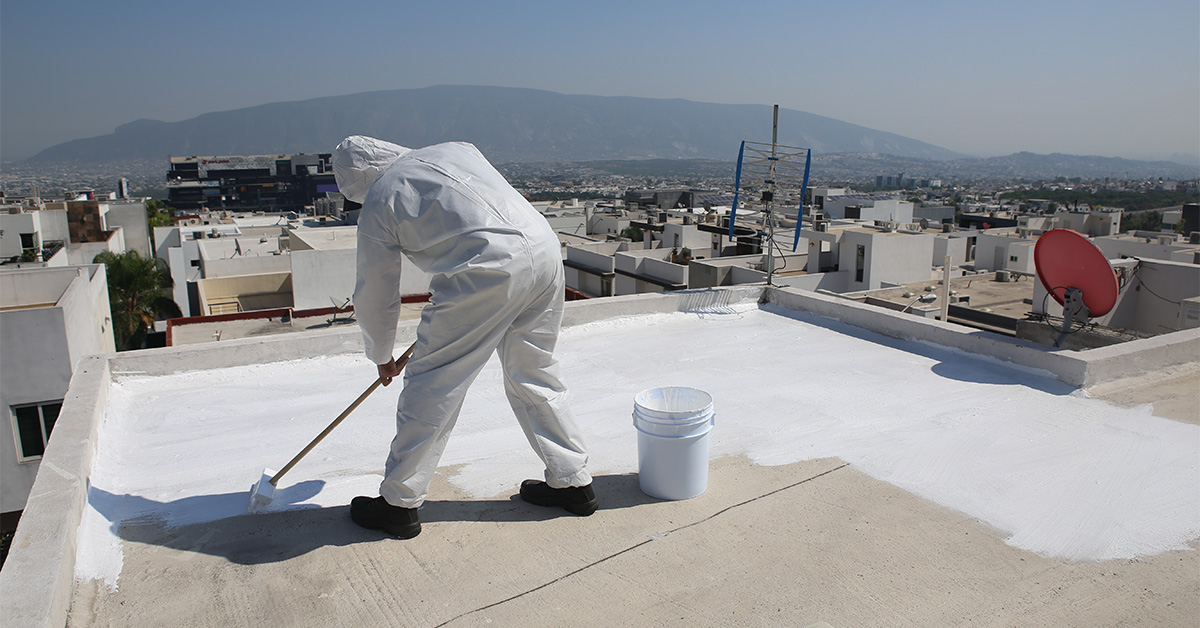
Setting Up a Preventative Maintenance Program
One of the best ways to keep your roof in top condition is by scheduling regular professional inspections. These inspections can catch small issues before they turn into costly problems. After storms, a thorough assessment can help spot damage early, preventing water from seeping in. Simple tasks like clearing gutters, trimming overhanging branches, and checking chimneys for loose bricks can also make a big difference. Keeping detailed repair records is another smart move – it can come in handy if you need to file a claim down the road. When necessary, consider specialized restoration services to address more complex issues.
Metal Roof Restoration Options
Regular maintenance is essential, but timely restoration can add even more years to your roof’s life. Metal roofs, known for their durability, can benefit greatly from services like elastomeric coatings, panel replacements, and flashing repairs. These solutions can address gradual wear and leaks that are often not covered by insurance. If you’re looking to save on premiums, upgrading to impact-resistant materials, such as UL 2218 Class 3 or Class 4, might be worth exploring.
For more information about tailored maintenance plans and restoration services, reach out to Pro-Tech Roofing at 1107 N 105th E Ave, Tulsa, OK. Protecting your roof is an investment in your home’s future.
Conclusion: Protecting Your Property With Pro-Tech Roofing
Having a reliable roofing partner can make navigating insurance claims much easier. Their knowledge transforms what might feel like a chaotic process into manageable steps, ensuring you receive fair compensation and high-quality repairs.
A professional roofing company doesn’t just fix visible damage – they conduct thorough assessments to identify hidden issues, like structural or moisture problems, that could cause trouble down the line. Their presence during insurance inspections ensures no detail is overlooked, speeding up claim approvals with proper documentation.
Precise measurements and clear photo evidence are key to a successful claim. Experienced contractors understand exactly what’s needed to support your case effectively.
Once your claim is settled, protecting your property remains critical. Regular inspections and preventative maintenance can help extend your roof’s lifespan and prevent future issues.
If you’re looking for expert repairs or ongoing maintenance, Pro-Tech Roofing provides free inspections and a full range of roofing services. Stop by their Tulsa location at 1107 N 105th E Ave, Tulsa, OK to speak with licensed professionals who are well-versed in both roofing and insurance needs.
FAQs
What should I do in the first 24 hours after roof damage?
When a storm hits, the first 24 hours are critical for assessing roof damage and preventing further issues. Check for missing shingles, leaks, or signs of water getting inside. If you find exposed areas, cover them with a tarp – but only if it’s safe to do so.
If the damage affects more than 25% of the roof, a full replacement might be necessary. To avoid worsening the situation, reach out to a professional roofing contractor as soon as possible. They can evaluate the damage and guide you on the next steps.
How can I dispute a low insurance estimate?
If you’ve received an insurance estimate for your commercial roof that seems too low, the first step is to carefully review the assessment. Compare it against your own damage documentation to identify any discrepancies. Here’s how to approach the situation:
- Gather Evidence: Collect all relevant materials, such as photos of the damage, contractor repair estimates, and inspection reports. These will help support your case.
- Contact Your Insurer: Share the evidence with your insurance company and discuss the differences between their estimate and your findings.
- File a Formal Dispute: If the issue remains unresolved, follow the dispute or appeal process outlined in your policy.
For additional support, consider consulting with a roofing or claims expert. Their expertise can add credibility to your case and help you navigate the process more effectively.
How do I get the RCV holdback released?
To get the Replacement Cost Value (RCV) holdback released, you’ll need to finish the necessary repairs or roof replacement covered by your policy. Once the work is done, submit the final invoice along with proof of payment to your insurance company. After that, ask your adjuster to release the recoverable depreciation. Once the insurer confirms the work has been completed correctly, they’ll release the withheld funds.