
When you invest in a new roof, you are really investing in two different forms of protection. Understanding the distinction between manufacturer warranties and installer warranties is the best way to safeguard your home. These two policies cover different aspects of your roof and must work together to provide total security.
Note: This post was originally published in October 2025 and has been fully updated in 2026.
A Manufacturer Warranty is your protection against material defects. If your shingles fail prematurely due to a factory error, this is the policy that matters. These typically offer long-term coverage but often become “prorated” as the years pass.
An Installer Warranty (also known as a workmanship warranty) covers the human element. If a leak occurs because of a misaligned shingle or poorly installed flashing, the installer is responsible for the fix. While these terms are usually shorter, they provide 100% coverage during their active window.
- Manufacturer warranties: Long-term protection for the physical products, such as shingles and underlayment.
- Installer warranties: Direct coverage for the labor and installation methods used by your roofing crew.
Combining both ensures you are never left paying out-of-pocket for someone else’s mistake. Whether it is a manufacturing flaw or a localized installation error, having both bases covered is essential for Tulsa homeowners.
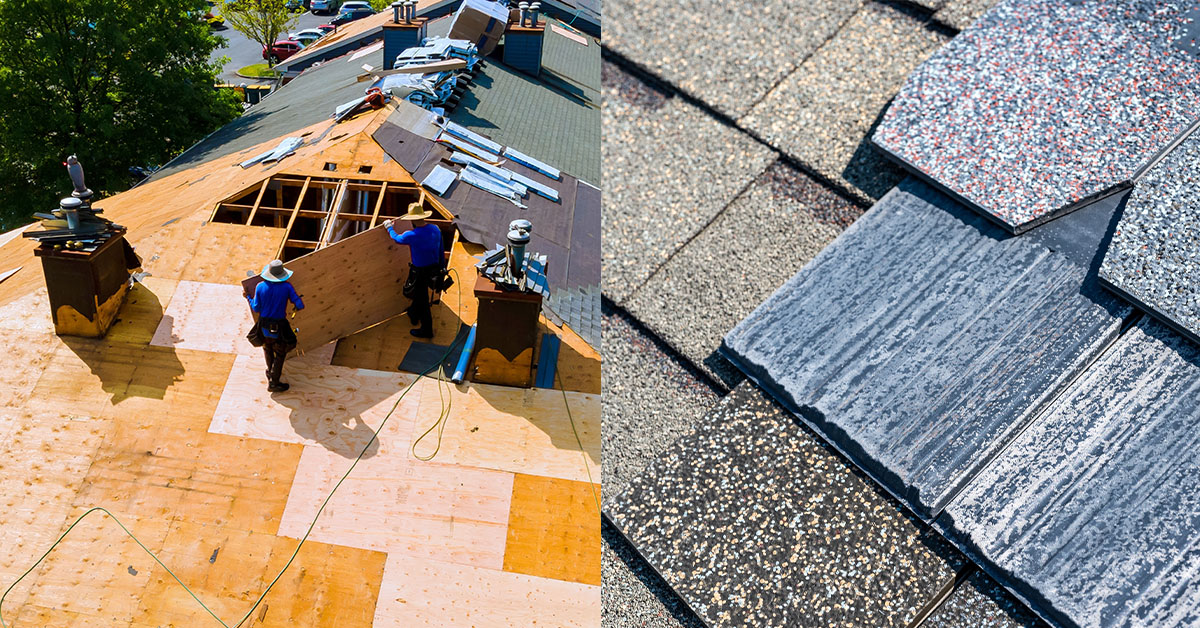
What Is the Difference Between a Workmanship Warranty and a Manufacturer Warranty?
A workmanship warranty is a guarantee of service quality, while a manufacturer warranty is a guarantee of product integrity. In 2026, the best roofing systems often come with “extended” warranties that bridge these two categories, but only if you use a certified contractor.
1. Manufacturer Warranties
Manufacturer warranties are designed to cover material defects, not installation errors. When we install products from industry leaders like Owens Corning, the warranty focuses strictly on how those shingles were made at the factory.
Understanding Your Coverage Scope
The primary goal of a manufacturer warranty is to ensure the shingles perform as promised. For example, the Owens Corning Standard Product Limited Lifetime Warranty guarantees that their roofing products are free from manufacturing flaws that cause leaks. If your shingles crack or curl due to a production issue, the manufacturer handles the replacement.
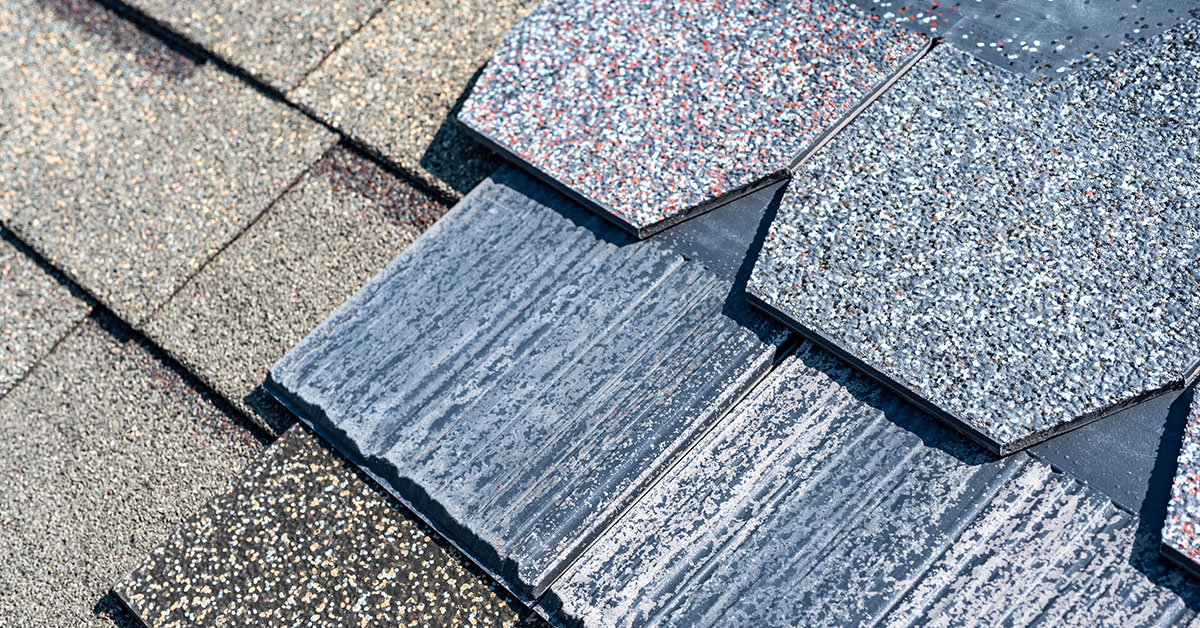
Key Takeaways for Material Coverage:
- Wind Resistance: High-end shingles like Berkshire® are covered against blow-offs in winds up to 130 MPH for 15 years.
- Algae Protection: Most modern shingles now include 25 years of protection against unsightly brown-black staining.
- Thermal Sealing: Remember that wind coverage only kicks in after the sun activates the adhesive strips on your shingles.
It is important to note what is excluded. Damage from “Acts of God,” such as 2026-level severe hail or storms exceeding specified wind limits, is not covered. Issues stemming from poor ventilation or structural failure also fall outside this scope.
Duration and Prorated Limitations
Manufacturer warranties usually operate on a tiered system. In 2026, many brands still use the “TRU PROtection®” period. For the first 10 years, you typically receive 100% coverage for both materials and the labor required to fix manufacturing defects.
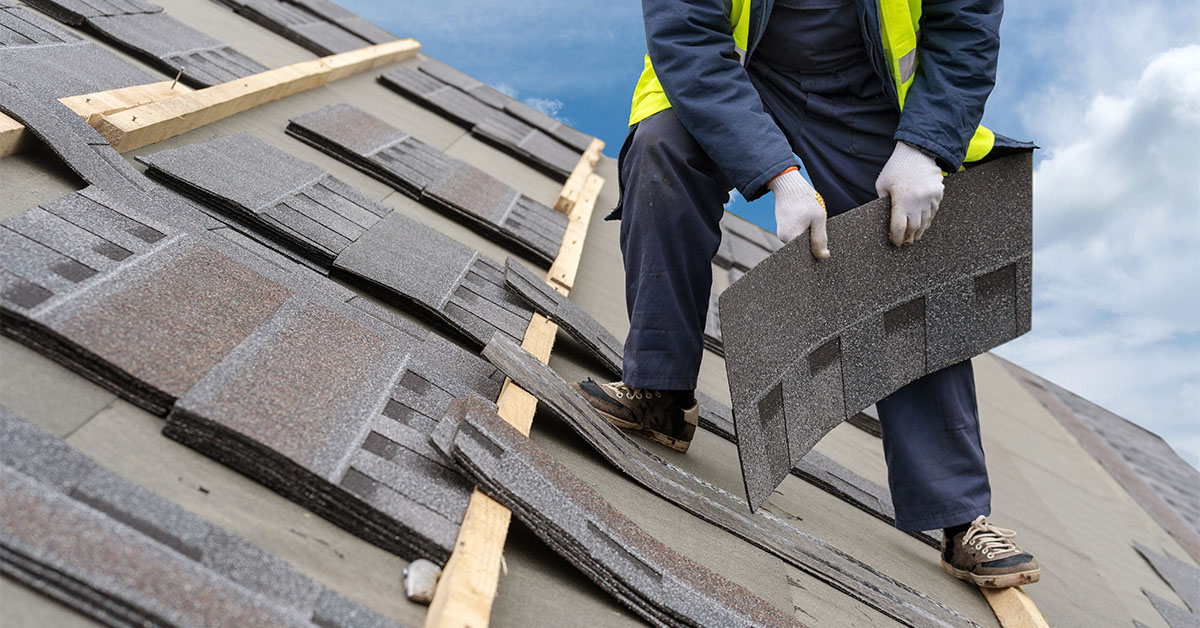
After this initial decade, the value begins to “prorate.” For a standard home, the coverage may drop to 80% in year 11 and continue to decrease by 2% annually until it levels off at 20% around year 40.
| Structure Type | Years 1-10 | Years 11-40 | Years 41+ |
|---|---|---|---|
| Single-family home | 100% Coverage | Starts at 80%, drops 2% annually | 20% Fixed |
| Commercial/Other | 100% (First 5 years) | Starts at 87.5%, drops 2.5% annually | No coverage |
Cost Implications for Homeowners
A common mistake is assuming “Lifetime” means “Free” forever. During the initial protection period, we can ensure both labor and materials are covered. Once you enter the prorated phase, the manufacturer only provides a credit for a portion of the material costs. At that point, the labor costs for the tear-off and re-installation become your responsibility.
Practical Warranty Scenarios
Let’s look at how this works in the real world. If we installed Oakridge® shingles for you in 2019 and a manufacturing defect is found today in 2026, you are still within that 10-year window. The manufacturer covers 100% of the material and labor costs.
However, if those same shingles fail in 2035, you would be 16 years into the warranty. In this scenario, you might only receive 70% of the material cost as a credit, and you would have to pay the full labor bill yourself. This is why choosing high-quality materials from the start is so vital.
2. Installer Warranties
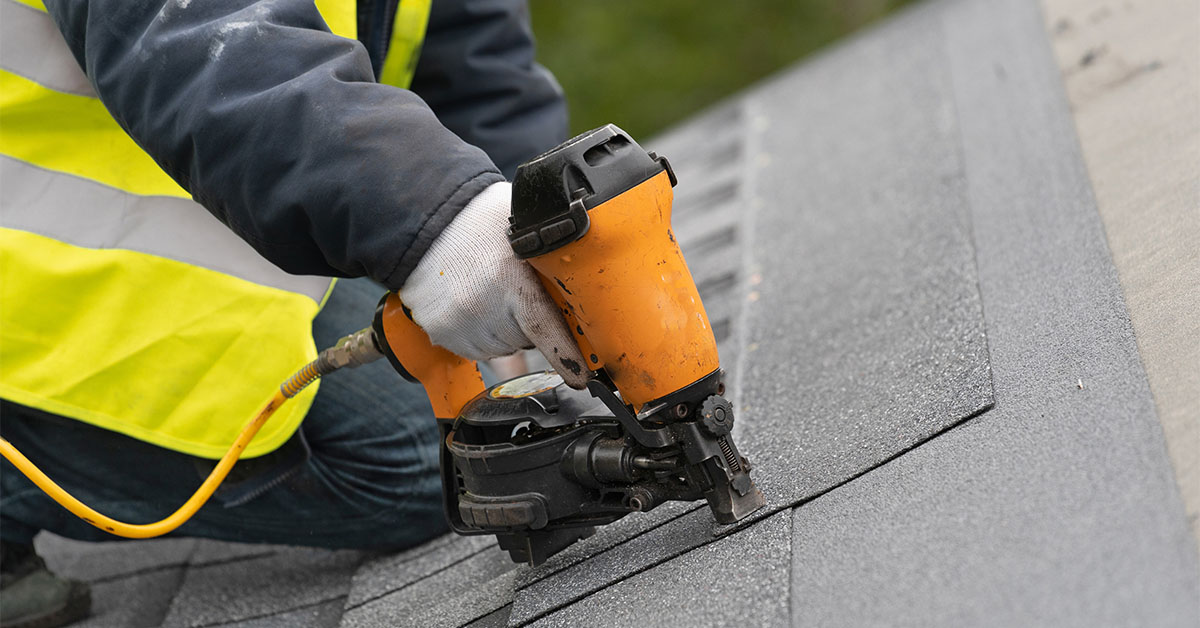
While the manufacturer protects the product, our installer warranty protects the process. This is our promise to you that the roof was built correctly. If the shingles are perfect but the person holding the nail gun made a mistake, this is the warranty that saves you.
What Does a Workmanship Warranty Cover?
Installer warranties address errors made during the physical application of the roof. This includes crucial technical details such as:
- Misaligned Shingles: Preventing water from tracking underneath the layers.
- Faulty Flashing: Ensuring the metal around your chimney and vents is watertight.
- Nail Placement: Avoiding “high nailing” which can lead to shingles blowing off in 2026 spring storms.
- Ventilation Setup: Ensuring your attic breathes so the roof doesn’t “cook” from the inside out.
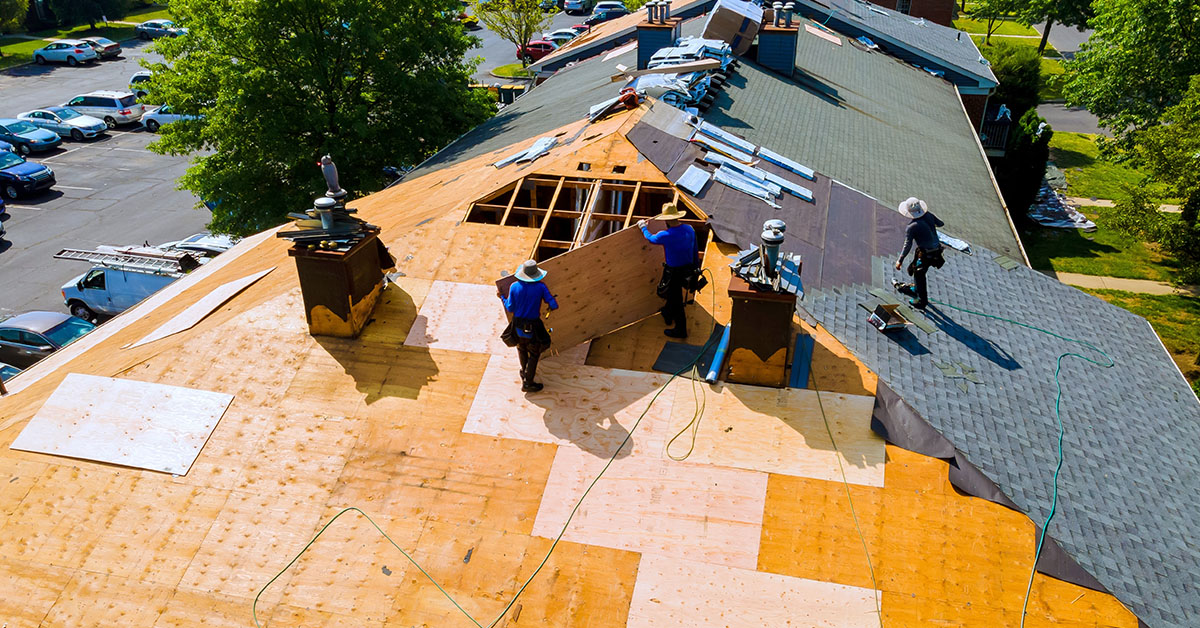
If we install step flashing incorrectly and a leak damages your ceiling, our installer warranty covers the roof repair and often the consequential interior damage. However, these do not cover “wear and tear” or damage from extreme 2026 weather events that exceed the roof’s design limits.
Duration and Local Reliability
Workmanship warranties typically last between 2 and 10 years. We find that most installation errors reveal themselves within the first two seasons of heavy rain or snow. Unlike manufacturer policies, these do not prorate. If you have a 5-year workmanship warranty, you have the same 100% protection on the last day as you did on the first.
Two critical factors to remember:
- Business Continuity: An installer warranty is only as good as the company behind it. If a “fly-by-night” roofer disappears, your warranty disappears with them. Always choose an established Tulsa local.
- Transferability: Many of our warranties can be transferred to the next homeowner, which is a major selling point if you list your home in the next few years.
Financial Benefits of Workmanship Protection
A solid installer warranty can save you thousands of dollars. It covers the labor-intensive tasks of removing shingles and fixing the underlying structure. We also include emergency repair coverage in many of our plans, ensuring that if a leak is caught during a storm, we can provide a temporary fix immediately to prevent further interior damage.
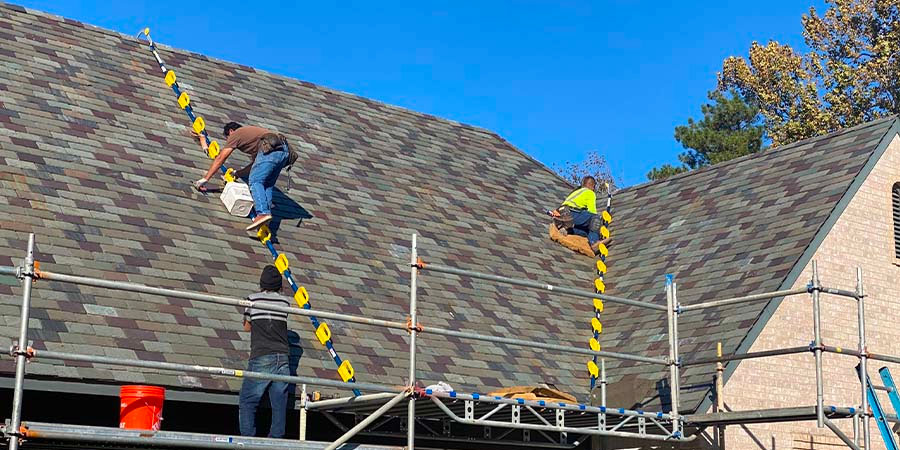
To keep this warranty valid, you must perform basic maintenance. Neglecting to clean your gutters or ignoring obvious tree limb damage can sometimes void your workmanship coverage.
Real-World Examples of Workmanship Claims
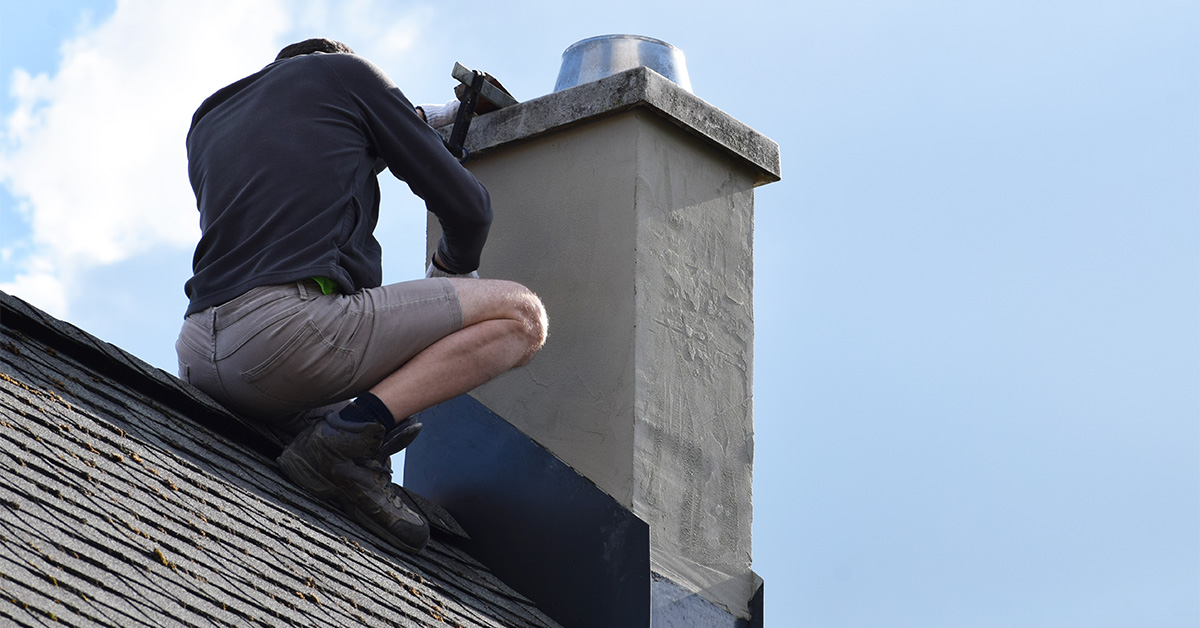
- Flashing Failures: If you find a water stain near your chimney 18 months after installation, it is likely a flashing issue. We cover the full cost of the repair.
- Premature Blow-offs: If shingles rated for high winds come loose during a mild 40 MPH wind, that is a fastening error. We will replace the shingles and fix the nailing pattern at no cost.
- Ventilation Issues: If poor ridge venting causes heat buildup that damages your decking, a comprehensive installer warranty addresses the correction of the ventilation system.
Pros and Cons of Each Warranty Type
We believe in transparency. Understanding the limits of each policy helps you prepare for the future of your home’s exterior.
Manufacturer Warranty: Pros and Cons
These provide peace of mind for the long haul. They are backed by multi-billion dollar corporations, so you know the coverage will be there 30 years from now. However, the claim process can be technical, and the lack of labor coverage in later years is a significant drawback for many homeowners.
Installer Warranty: Pros and Cons
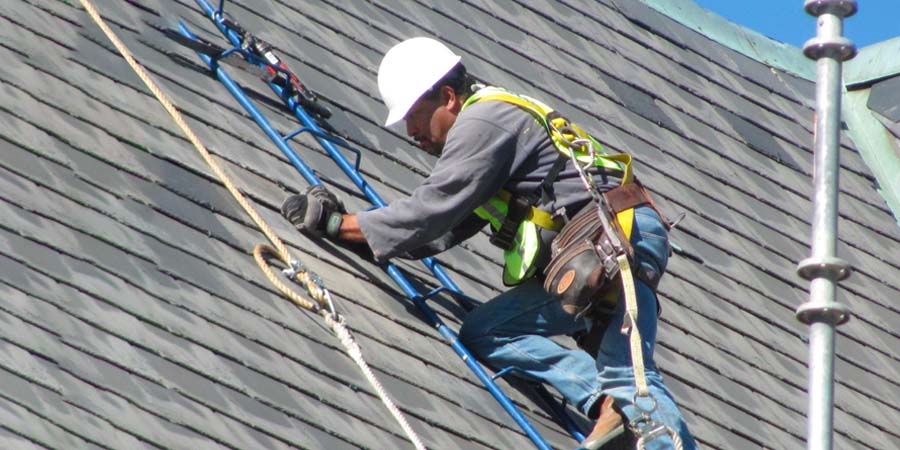
The biggest “pro” is the speed of service. You call us, and we come out to fix it. There are no corporate forms to fill out first. The “con” is the shorter duration and the fact that it relies entirely on the contractor’s reputation and financial stability.
2026 Warranty Comparison Table
| Aspect | Manufacturer Warranty | Installer Warranty |
|---|---|---|
| What is Covered? | Physical product defects | Installation and labor errors |
| Typical Length | 25 Years to Lifetime | 2 to 10 Years |
| Labor Costs | Only in the first 10 years | Always covered 100% |
| Claim Ease | Moderate (requires documentation) | Easy (contact your roofer) |
| Transferable? | Usually, with a small fee | Depends on the contractor |
The Dual-Layer Protection Strategy
For the best results, we recommend using both. Your installer warranty handles the “shake-out” period where any errors would appear, while your manufacturer warranty provides the 30-year safety net for the materials themselves. Keeping a digital file of your “Proof of Purchase” and photos of the installation is the best way to ensure both remain valid.

Final Thoughts on Roofing Protection
Protecting your home in 2026 requires more than just good shingles; it requires a deep understanding of your warranty rights. By choosing a certified installer, you can often unlock “System Plus” warranties that combine the best of both worlds, extending your 100% coverage period significantly.
Always read the fine print before you sign a contract. Look for terms like “non-prorated” and ask specifically about labor coverage. Your roof is your home’s first line of defense, and your warranties are your financial first line of defense. Treat them with the same importance as the roof itself.
Frequently Asked Questions
How can I tell if my roofing problem is covered by the manufacturer or installer warranty?
If the shingle itself is falling apart, cracking, or losing all its granules across the entire roof, it is likely a manufacturer issue. If you have a specific leak over one room or shingles are blowing off in one corner, it is likely an installation error. In 2026, we recommend having a professional inspection to document the cause before filing a claim.
How can I keep my roofing warranties valid and protect my investment?
We advise scheduling annual gutter cleanings and professional inspections. You must also keep all documentation of repairs. Never allow an uncertified third party to make “modifications” to your roof, such as poorly installed solar panels or satellite dishes, as this can void both warranties instantly.
Can I transfer my roofing warranty to the new homeowner if I sell my house?
Yes, most 2026 roofing warranties allow for at least one transfer. You typically need to notify the manufacturer or installer within 60 days of the home sale and pay a small administrative fee to ensure the new owners are covered.