
Aging metal roofs in Tulsa face constant challenges from extreme weather, leading to leaks, rust, and rising energy costs. But instead of a costly tear-off, there’s a better option: a TPO retrofit system. This process uses your existing metal roof as a base, filling its grooves with insulation and covering it with a durable, heat-welded TPO membrane. The result? A waterproof, energy-efficient roof with a lifespan of 20+ years.
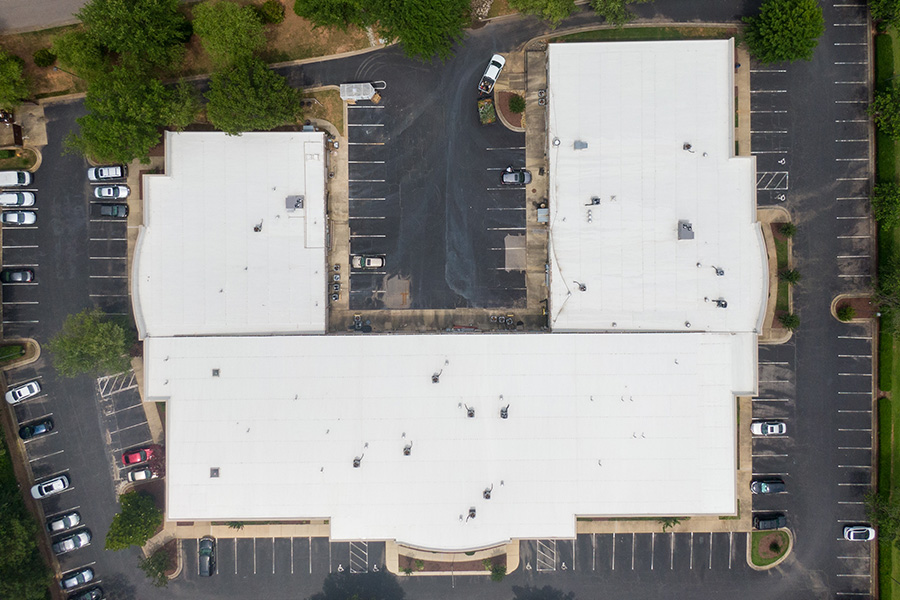
Tear-offs are expensive and disruptive, while silicone coatings offer only short-term fixes. A TPO retrofit saves 20–25% compared to full replacements, avoids landfill waste, and keeps your building operational during installation. With benefits like improved insulation, reduced cooling costs, and protection against hail, it’s a long-term solution tailored for Tulsa’s extreme temperatures.
Curious if a TPO retrofit is right for your facility? Contact Pro-Tech Roofing for a free roof inspection and moisture scan today.
Should You Install TPO over a Metal Roof? TPO Metal Retrofit Roof Case Study Houston TX
sbb-itb-66ccccd
Why Tear-Offs and Coatings Don’t Work Long-Term
When metal roofs start leaking, warehouse owners often hear two common suggestions: tearing off the roof entirely or applying a coating. However, for facilities in areas like Tulsa, Broken Arrow, and Catoosa, both options can lead to more headaches than solutions.
Tear-Offs Are Expensive and Disruptive
A full tear-off means removing everything: metal panels, insulation, and fasteners. This process racks up high labor costs, plus you’ll pay landfill fees for every ton of waste. To make matters worse, standard commercial insulation can sit in landfills for 50 to 1,000 years.
Removing the roof also exposes your building’s interior. As Rhoden Roofing explains, "Tearing off a metal roof involves falling debris, exposure to weather, and potentially extensive interruptions to daily operations". A sudden thunderstorm can ruin your inventory or equipment, and many managers are forced to relocate heavy machinery just to protect it. Add in the cost of shutting down operations, and the expenses often outweigh the roof’s worth. Clearly, this isn’t a practical long-term fix.
While tear-offs are costly and disruptive, silicone coatings present their own set of challenges.
Silicone Coatings Have a Short Lifespan
On the surface, silicone coatings may seem like a quick and affordable fix. They don’t require roof removal and can be applied relatively fast. But their benefits are short-lived. Silicone coatings typically last only 5–10 years, whereas a TPO retrofit system comes with a 20-year manufacturer’s warranty. This means coatings need frequent reapplications, turning them into a recurring maintenance cost rather than a solid investment.

Another major flaw? They offer no protection against hail or punctures. In Oklahoma, where hailstorms can strike without warning, this is a critical issue. A coating is just a thin liquid layer, leaving your roof vulnerable to damage from hail, falling branches, or even tools. Worse still, if your metal panels are already corroded or damaged, a coating can trap these problems underneath, potentially speeding up structural deterioration. It’s like putting a Band-Aid on a wound that needs stitches – the underlying issues just keep getting worse.
Neither tear-offs nor coatings deliver the durability or energy efficiency of a TPO retrofit system.
| Feature | Silicone Coating | TPO Retrofit System |
|---|---|---|
| Typical Lifespan | 5–10 Years | 20+ Years |
| Hail/Puncture Protection | None | High (especially with cover board) |
| Insulation (R-Value) | No added R-value | Significant increase (EPS/Polyiso) |
| Primary Failure Risk | UV degradation/Punctures | Poor seam welding/Substrate moisture |
| Tulsa Climate Fit | Poor (Hail/UV vulnerability) | Excellent (Reflective/Durable) |
TPO Retrofit: The Better Alternative
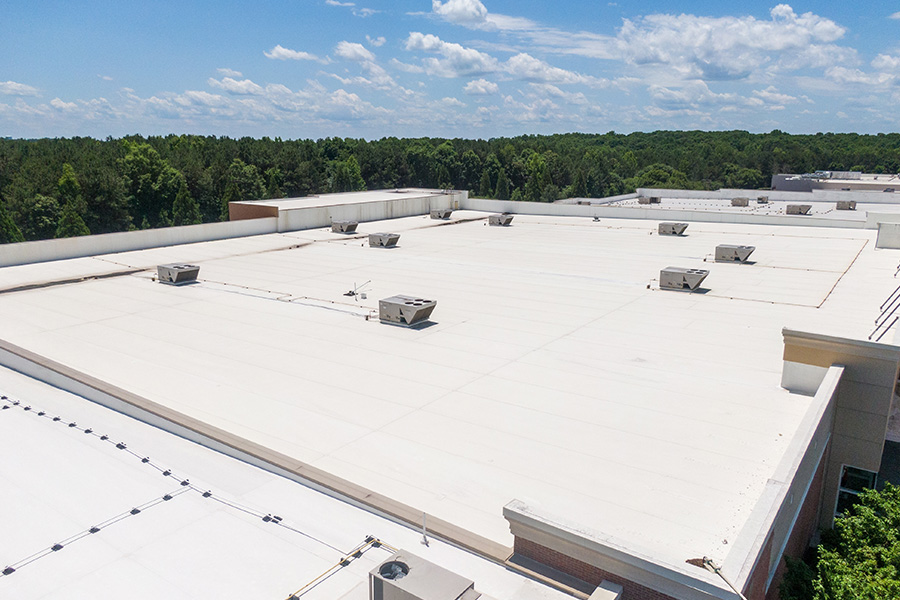
A TPO retrofit upgrades aging metal roofs into durable, energy-efficient systems by using the existing metal panels as a base. Instead of tearing off the old roof, the current metal remains in place, acting as the structural foundation for a modern roofing solution.
"A flute fill retrofit is a solution that uses the existing metal roof and turns it into the decking… of a new roofing system." – Rhoden Roofing
This method is a cost-effective alternative – TPO overlays typically cost 20% to 25% less than metal-over-metal retrofit projects. By avoiding demolition and scrap metal disposal costs, businesses in areas like North Tulsa or Broken Arrow can save money while keeping operations running smoothly. Plus, there’s no risk of rain damage to inventory or equipment during installation.
How Flute-Fill Insulation Creates a Flat Surface
The success of a TPO retrofit hinges on the flute-fill process. Metal roofs have raised channels, or "flutes", that create an uneven surface unsuitable for a flat membrane.
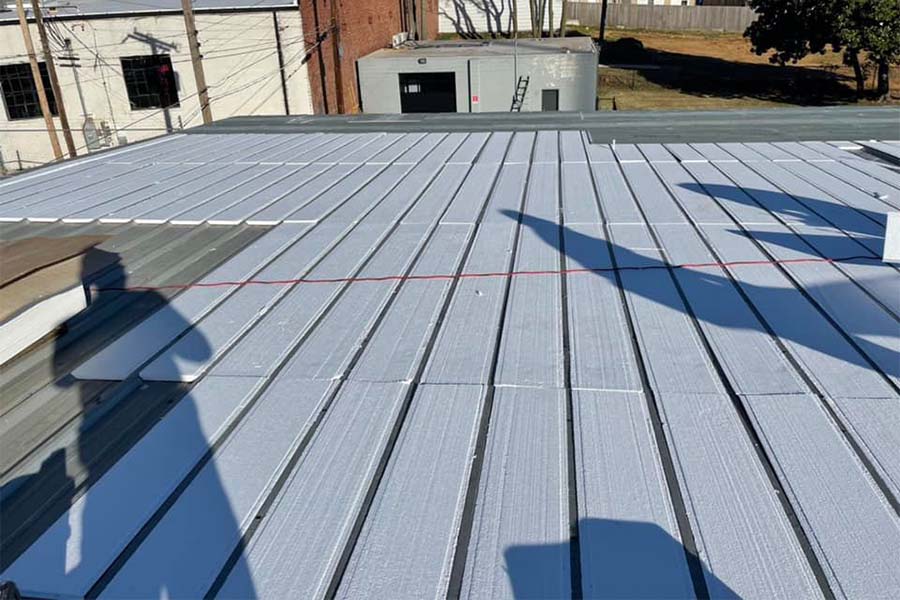
To address this, EPS foam inserts are custom-cut to precisely fill the fluted channels. A cover board is then added on top, creating a stable, flat surface. This not only provides a solid foundation for the TPO membrane but also increases the building’s insulation, improving energy efficiency by adding R-value.
Installing the 60-Mil TPO Membrane
Once the surface is prepared, a 60-mil TPO membrane is installed. The thicker membrane offers better puncture resistance compared to thinner options like 45-mil, which is especially useful for roofs that require frequent maintenance access.

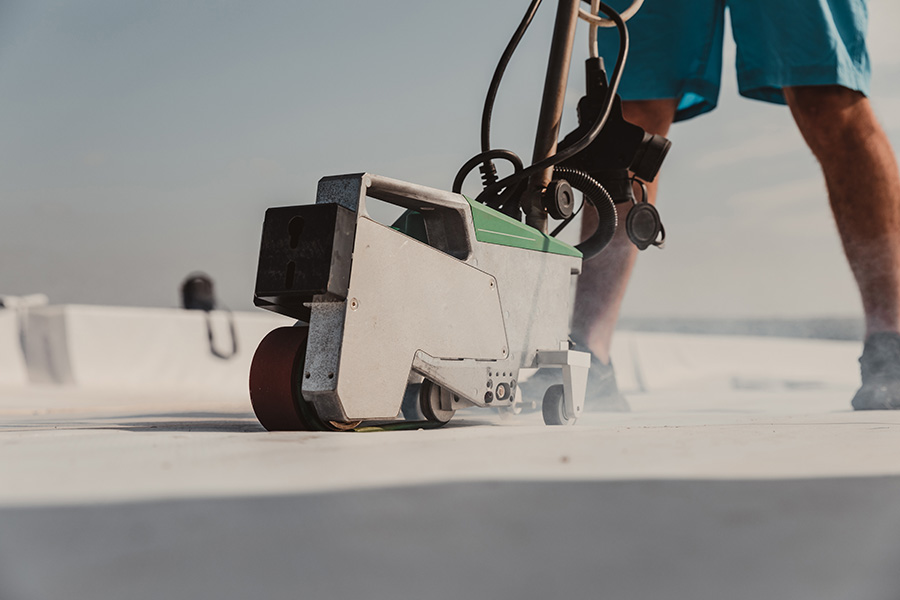
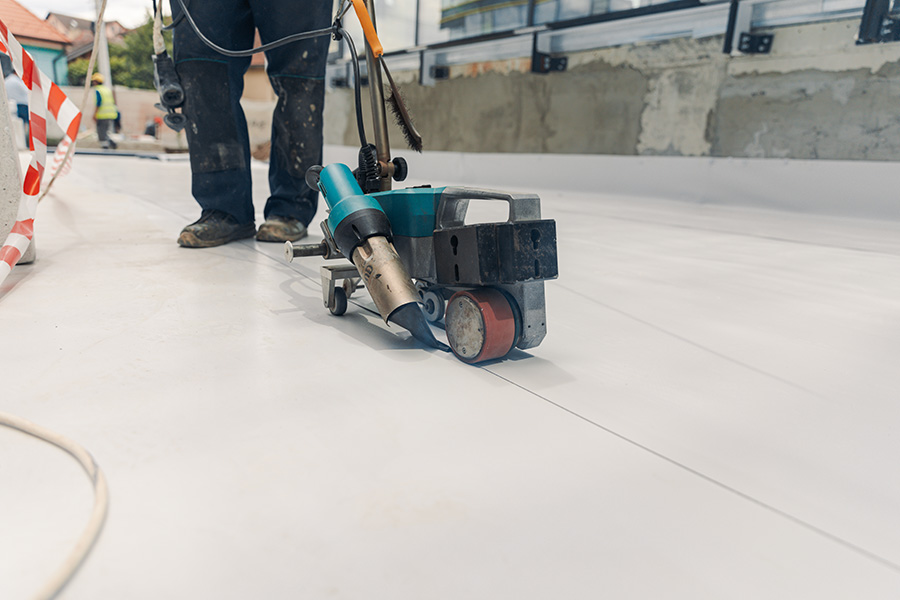
The TPO sheets are heat-welded at the seams, ensuring stronger and more reliable bonds than those created with tape, glue, or mechanical fasteners. These welded seams hold up against thermal expansion and contraction, creating a waterproof system backed by a 20-year manufacturer’s warranty. With a service life of 18 to 24 years, this system is built to handle the extreme temperature swings and intense summer heat common in Tulsa.
Another major advantage? There’s no need for costly and disruptive tear-offs.
Zero Tear-Off Costs
By keeping the original metal roof in place, this method eliminates the expenses tied to demolition, landfill fees, and labor for panel removal. It also reduces the risk of weather-related damage during the installation process.
Facilities in areas like North Tulsa, near the Port of Catoosa, or Owasso can stay operational during the retrofit. There’s no need to relocate machinery or pause production, which means no lost revenue from downtime.
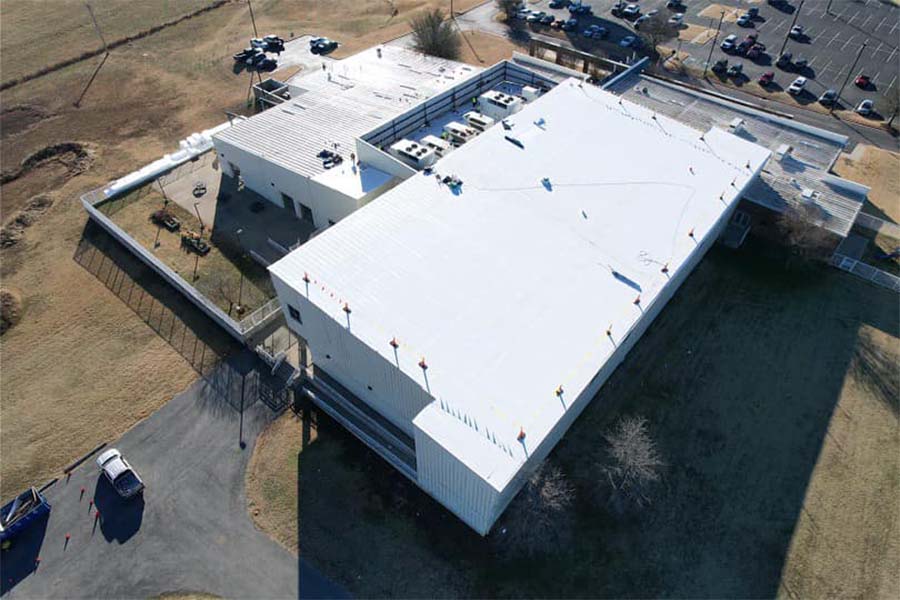
If you’re wondering whether a TPO retrofit is right for your facility, reach out to Pro-Tech Roofing at 1107 N 105th E Ave, Tulsa, OK for a Commercial Roof Core Sample and Infrared Moisture Scan.
TPO Retrofit vs. Silicone Coatings: Side-by-Side Comparison
When choosing between a TPO retrofit and a silicone coating, it’s clear they serve very different purposes. TPO is a long-term investment with a lifespan of over 20 years, while silicone coatings require reapplication every 5–10 years. For warehouse owners in areas like Broken Arrow or near the Port of Catoosa, this distinction becomes crucial when planning for future budgets.
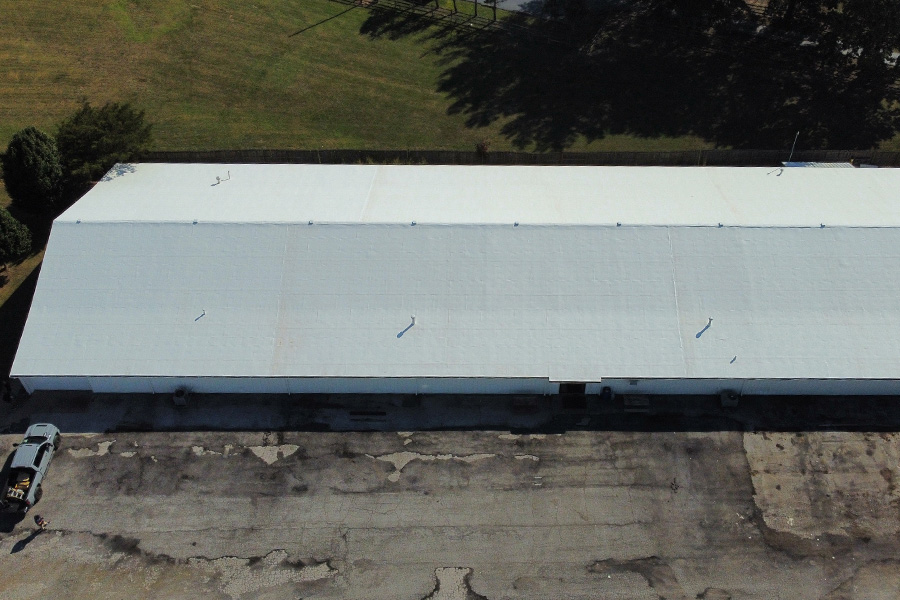
Comparison Table: TPO vs. Coatings
| Feature | Silicone Coating | TPO Retrofit (Flute-Fill) |
|---|---|---|
| Lifespan | 5–10 Years | 18–24 Years |
| Thickness | Thin liquid-applied layer | 40–60 mil reinforced membrane |
| Energy Savings | Reflective only | Reflective (80% UV) + Added R-Value |
| Hail Resistance | Low (Surface protection only) | High (Membrane + Cover board) |
| Maintenance | Frequent recoating required | Annual inspections; debris removal |
| Thermal Movement | Limited elasticity | Handles expansion/contraction |
These differences have a direct impact on energy efficiency and protection against weather. TPO’s advantages stand out, especially in Tulsa’s challenging climate.
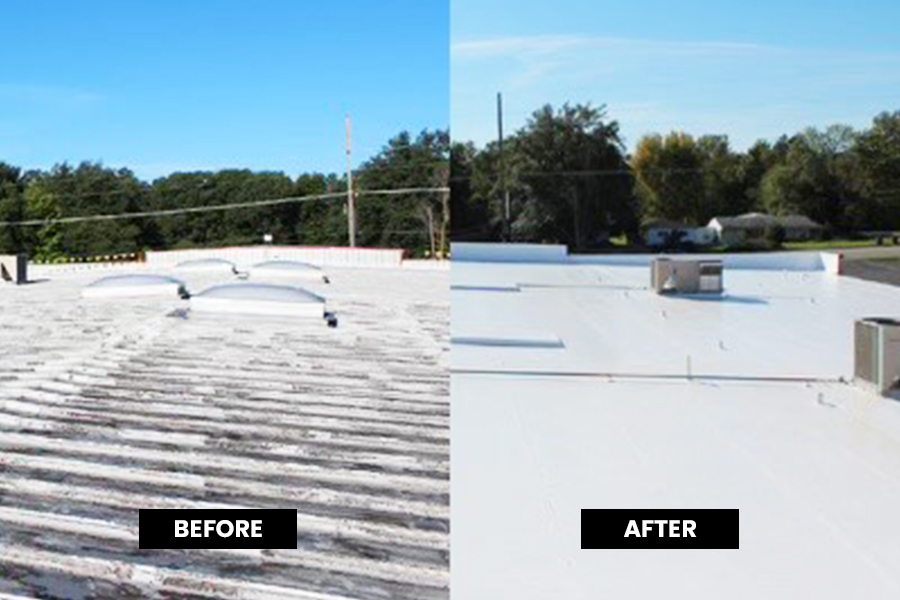
Why TPO Performs Better in Tulsa’s Climate
In Tulsa’s fluctuating weather, TPO’s insulation and durability make it the better choice. Oklahoma’s climate often swings from 30°F at night to over 100°F during the day, causing metal roofs to expand and contract. This movement can loosen fasteners over time. Unlike silicone coatings, which leave fasteners exposed, TPO covers them completely, preventing these recurring issues.
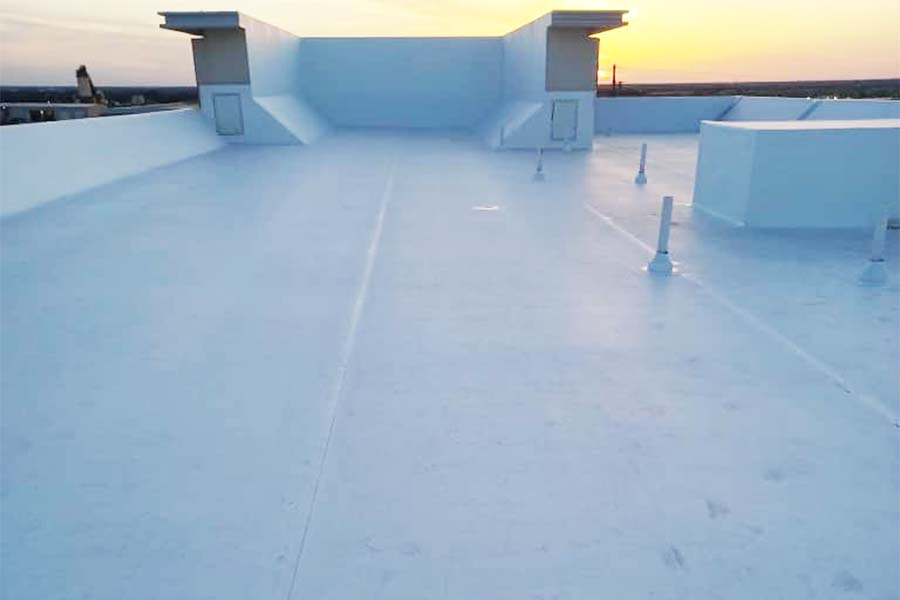
TPO systems also feature heat-welded seams, creating a seamless waterproof barrier that handles Tulsa’s high humidity and heavy rains better than a thin coating. TPO membranes reflect up to 80% of UV radiation, and the added insulation keeps interior spaces cooler, even in unconditioned warehouses. For facilities in areas like North Tulsa’s warehouse districts, Broken Arrow’s manufacturing corridor, or industrial zones near the Port of Catoosa and Owasso, this means reduced HVAC costs and better protection against severe weather, including hail that can puncture silicone coatings.
If you’re deciding which option is best for your facility, Pro-Tech Roofing at 1107 N 105th E Ave, Tulsa, OK offers services like Commercial Roof Core Samples and Infrared Moisture Scans to help you make an informed decision.
Energy Savings and Weather Protection in 100°F+ Summers
Lower Cooling Costs with R-Value and Reflective Roofing
When Tulsa summers hit triple digits, metal roofs absorb heat like a sponge, turning warehouses into stifling hotboxes. A TPO retrofit offers a game-changing solution by combining two key features: a reflective white surface and added insulation underneath.
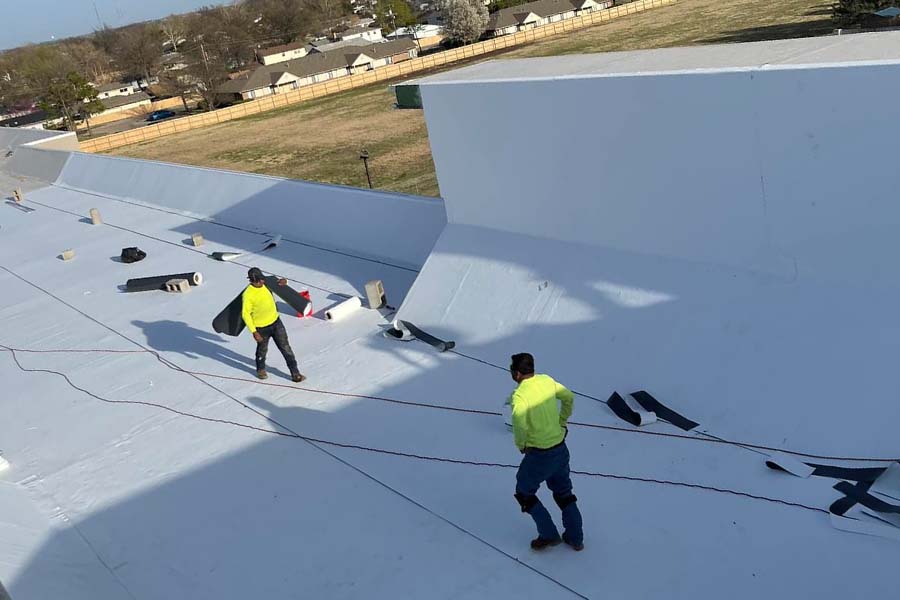
The reflective white TPO membrane bounces back approximately 80% of UV radiation. Unlike dark metal surfaces that absorb solar energy, this membrane reflects it, keeping the building cooler. On top of that, custom EPS foam fills the metal channels, creating a continuous thermal barrier that boosts R-value. Together, these features significantly cut down the heat that enters your building, reducing strain on your HVAC system.
"By reflecting solar energy instead of absorbing it, a TPO roof can substantially decrease the internal temperature of a building, leading to lower cooling costs." – Pro-Tech Roofing
For businesses in North Tulsa’s warehouse districts or Broken Arrow’s manufacturing areas, these energy efficiencies mean lower utility bills and prolonged HVAC equipment life – even in spaces without air conditioning. Beyond cooling, TPO roofing also provides excellent durability against harsh weather.
Protection Against Hail and UV Damage
TPO roofing doesn’t just save energy – it also shields your building from Oklahoma’s unpredictable weather. Hailstorms, notorious for damaging thin coatings and exposed metal, are no match for a 60-mil TPO membrane. This robust layer absorbs impacts without tearing or letting water seep through. Unlike silicone coatings that sit on the surface, TPO forms a tough, protective shield over the entire roof.
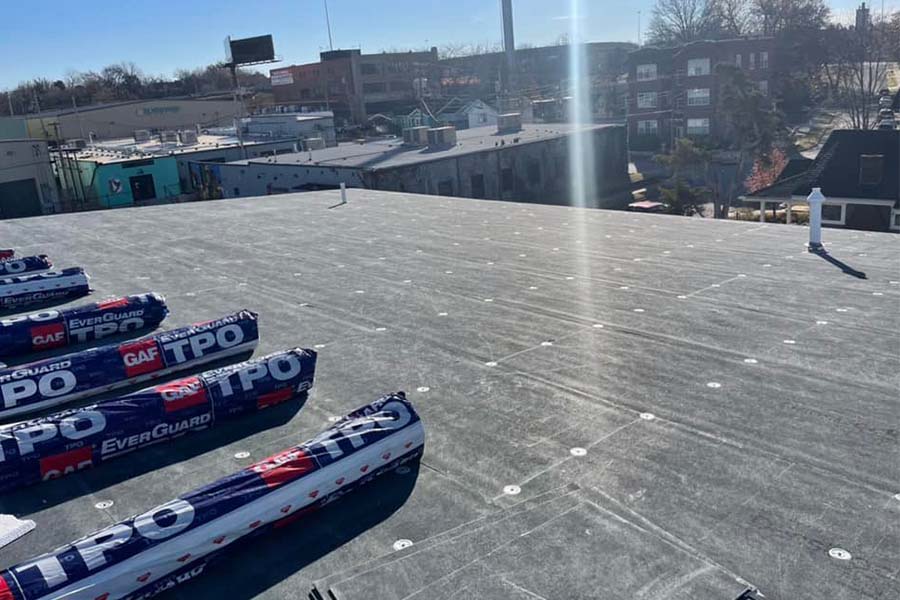
Its engineered blend of polypropylene and ethylene-propylene rubber resists UV damage, unlike aging metal roofs that expand and contract with Tulsa’s extreme temperature swings. These fluctuations, which can range from 30°F at night to over 100°F during the day, often loosen fasteners and cause leaks in metal roofs. In contrast, TPO’s heat-welded seams stay intact, offering reliable protection for 18–24 years while reducing the need for emergency repairs. For warehouse owners near the Port of Catoosa or Owasso’s industrial zones, this means better safeguarding of inventory and equipment.
If you’re ready to secure these energy and weather benefits, reach out to Pro-Tech Roofing for a Commercial Roof Core Sample and Infrared Moisture Scan today.
5 Reasons Tulsa Facility Managers Choose TPO Retrofit
Facility managers in Tulsa, Broken Arrow, and the Port of Catoosa are increasingly turning to TPO retrofits as a smarter alternative to tear-offs and coatings. This option transforms aging metal roofs into long-lasting assets without the hassle and expense of traditional replacements. Here’s why TPO retrofits are becoming the go-to choice for extending the life of metal roofs in the region.
No Tear-Off Costs
With TPO retrofits, there’s no need for demolition or dealing with landfill fees. The existing metal roof remains in place, serving as the base for the new system. This approach saves 20%–25% compared to metal-over-metal replacements, while eliminating costly disruptions and making the most of your budget.

Long Service Life
TPO retrofits provide dependable performance for 18–24 years. Unlike silicone coatings, which require reapplication every 5–10 years, this solution is a true long-term investment. The durable membrane system offers decades of protection, making it a capital improvement you can count on.
Improved Energy Efficiency
The retrofit process includes flute-fill insulation, which boosts your building’s R-value, while the white TPO membrane reflects about 80% of UV radiation. In Tulsa’s sweltering summers, this combination can significantly reduce cooling costs. EPS foam insulation, known for its excellent R-value per dollar, further enhances energy savings, making it ideal for industrial facilities in North Tulsa, Broken Arrow, and Catoosa.
Durable Against Hail and Impacts
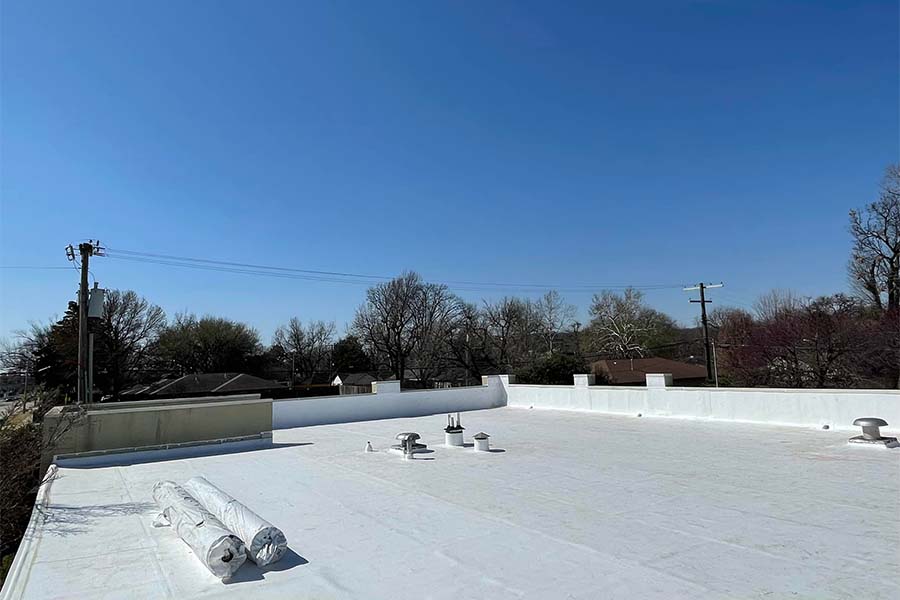
A 60-mil TPO membrane creates a tough, impact-resistant barrier that stands up to hail without tearing or allowing water to seep through. Oklahoma’s unpredictable storms often damage thin coatings, but TPO offers superior resistance to punctures and UV damage. Plus, its heat-welded seams remain watertight even as metal roofs expand and contract with temperature changes – an essential feature for buildings in Tulsa and surrounding areas.
Reliable Installation Process
The flute-fill method uses custom-cut EPS foam designed to match your metal roof’s profile. This ensures a perfectly flat surface for the TPO membrane, allowing for a straightforward and proven installation process. Unlike liquid-applied coatings, this method eliminates guesswork, supports uninterrupted operations, and withstands Tulsa’s harsh weather conditions.
Interested in learning how a TPO retrofit could work for your facility? Reach out to Pro-Tech Roofing at 1107 N 105th E Ave, Tulsa, OK to schedule a Commercial Roof Core Sample and Infrared Moisture Scan.
Conclusion
Warehouse owners in Tulsa, Broken Arrow, and Catoosa have an alternative to costly tear-offs or temporary fixes when dealing with an aging metal roof: a TPO retrofit. This solution turns your old roof into a durable, 20-year asset – without demolition, landfill fees, or operational downtime. The added flute-fill insulation boosts your building’s R-value, while the reflective white TPO membrane helps cut cooling costs during Oklahoma’s scorching 100°F+ summers by reflecting approximately 80% of UV radiation.
This upgrade protects against hail, seals leaks with heat-welded seams, and keeps operations running smoothly. With a lifespan of 18–24 years and costs that are 20%–25% lower than metal-over-metal replacements, it’s a smart financial choice. You’ll enjoy decades of reliable performance without risking exposure to weather or incurring landfill charges.
However, a thorough inspection is essential to avoid surprises. Issues like hidden moisture, rust, or poor insulation can turn an otherwise sound investment into a costly problem. That’s why Pro-Tech Roofing offers a free Commercial Roof Core Sample and Infrared Moisture Scan. These tests reveal the true condition of your roof and help determine if a TPO retrofit is the right fit for your building.
Ready to take the next step? Visit Pro-Tech Roofing at 1107 N 105th E Ave, Tulsa, OK to schedule your free Commercial Roof Core Sample & Infrared Moisture Scan. Let’s turn your aging roof into a durable, energy-efficient solution.
FAQs
Am I a good candidate for a TPO retrofit?
If your metal roof is getting old, leaking, or showing visible wear, a TPO retrofit might be the perfect solution. This process involves adding flute-fill insulation over the metal ribs to create a smooth, flat surface. Then, a tough 60-mil TPO membrane is installed on top. This approach eliminates the expense of tearing off the old roof, boosts energy efficiency during Tulsa’s scorching summers, and offers lasting durability – making it a smarter investment than relying on coatings.
Will a TPO retrofit trap moisture or rust?
No, a TPO retrofit won’t trap moisture or cause rust. It’s designed as a waterproof membrane that’s installed over the existing metal roof. With proper insulation and sealing, it blocks moisture from seeping in. This setup provides a long-lasting, moisture-resistant solution for your building.
How much downtime will the install cause?
Installing a TPO retrofit typically takes about 1 to 2 weeks. The process is planned to keep disruptions to a minimum, so most businesses can keep running smoothly during the installation. This means your facility’s productivity stays on track with little to no downtime.