
Hail can leave your gutters looking fine from the yard, then make them fail in the next hard rain. That is the main risk. We look for dents, loose hangers, low spots, crushed elbows, and granules in the gutter, because those signs can point to both drainage trouble and roof impact. In Oklahoma, many storm claims have a 1-year filing window, so photos and notes matter.
| Quick Summary | What You Need to Know |
|---|---|
| Hidden gutter damage | Low spots, loose hangers, and dented elbows can change water flow |
| Common warning signs | Overflow, stains on siding, standing water, and soil washout |
| Granules in gutters | Dark grit near downspouts may point to shingle hail impact |
| Guards after a rebuild | Add them only after the gutter system is fixed and secure |
| Insurance timing | Many Oklahoma policies give about 12 months from the date of loss |
If you only do one thing after hail, check how water moves, not just how the gutter looks.
- Dents can be cosmetic or functional
- Standing water often means slope trouble
- Overflow can damage fascia, siding, and the area near the slab
- Guard choice should match hail exposure and debris load
After a Tulsa hailstorm, we do not stop at a ground glance, which is why we perform professional roof inspections. We look for the small changes that lead to big water problems later. A gutter may still be attached and still be off. A slight slope shift, one loose hanger, or a crimped elbow can send rain over the front edge or behind the gutter.
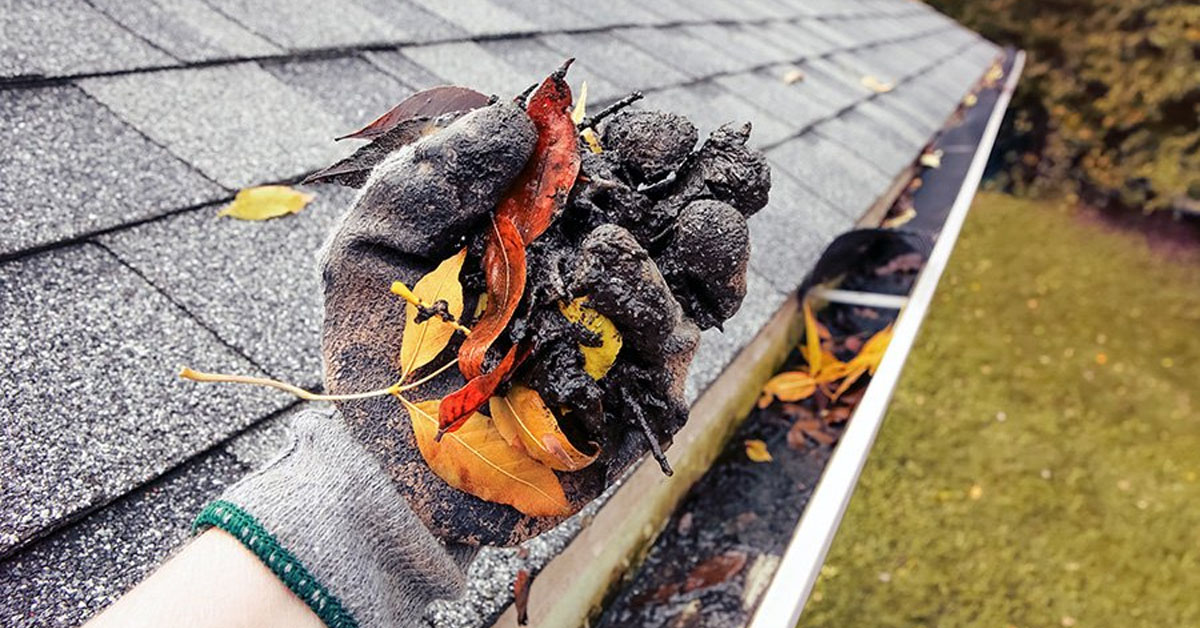
We also check what the storm washed into the system. Shingle granules often show up as dark, sand-like grit, usually near outlets and downspouts. When that buildup is heavier than normal, it can support what we see on the roof. That does not prove every claim on its own, but it helps build the record.
When rain starts pouring off the edge, the problem is often more than a clog. Hail can leave small dents that slow flow, and Oklahoma downpours can dump 1 inch or more of rain in a short period, which puts extra strain on weak sections. If the gutter is pulling from the fascia, water may run behind it and soak wood trim, siding, and the ground near the home.
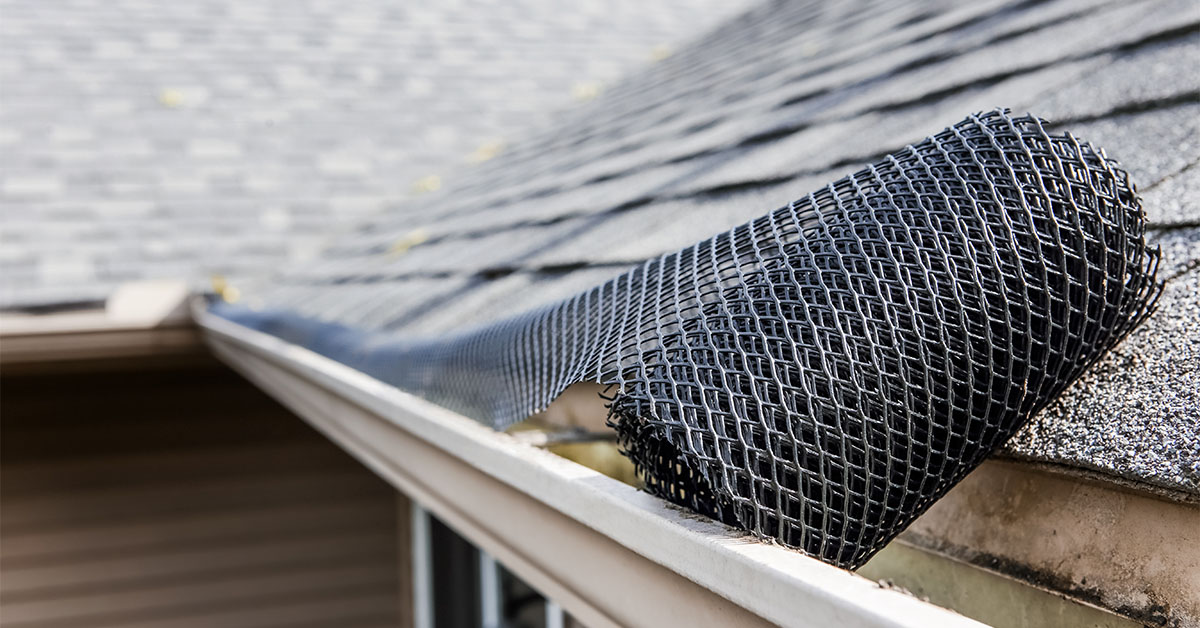
Gutter guards can make sense after replacement, but only when the base system is sound. We do not put guards over sagging, cracked, or loose gutters and call it done. In most cases, micro-mesh and perforated metal hold up better under hail than thin screens or reverse-curve styles, though cost and roof layout still matter.
Before any repair starts, we document dents, alignment issues, blocked flow points, and granule buildup. That record helps you sort out repair choices and can help when you speak with your carrier or adjuster. The short version is simple: after hail, gutters are not just trim. They are part of the storm story.
Insurance Hail Home Inspection–Claims Adjuster
sbb-itb-66ccccd
Hidden Gutter Damage: The Pro-Tech Roofing Post-Storm Walkaround
Most hail damage doesn’t show up in one obvious dent. It tends to hide in the gutter’s alignment, fasteners, and slope. A ground-level glance can miss the kind of trouble that shows up during the next hard rain. We start at the gutter line, then move to the hangers, downspouts, and slope.
Dents, Loose Hangers, and Low Spots After a Tulsa Storm
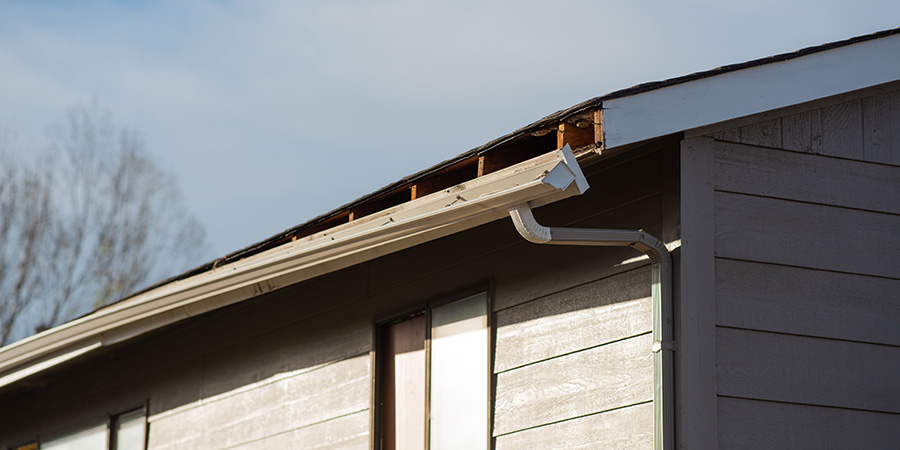
We need to judge hail damage by function, not just looks. Some dents are only cosmetic. Others change how water moves through the system. If a dent crimps a downspout elbow, throws off the gutter channel’s slope, or pulls a hanger loose from the fascia, that’s the kind of damage that leads to bigger issues.
A gutter can look beat up and still work. It can also look fine, then fail in the next storm.
Hail impact can shift the gutter’s slope just enough to create low spots where water sits instead of draining toward the outlet. If water is still standing in the gutter channel after rain, that’s one of the clearest signs. Hidden hangers, the internal brackets that hold the gutter to the fascia, can also loosen during a storm without leaving an obvious mark on the outside.
| Damage Type | Visual Sign | Effect on Drainage |
|---|---|---|
| Slope Change | Standing water in gutter channel | Overflow, fascia rot, and foundation erosion |
| Loose Hangers | Gutter pulling away from fascia | Sagging, eventual system collapse, and leaks behind the gutter |
| Dented Elbows | Crimped bends | Restricted water flow and backup during heavy rain |
| Seam Stress | Dripping at corners or end caps | Water damage to siding and structural wood |
Granules can also help us confirm whether the roof took hail impact.
Granules in Gutters and What They Indicate About Roof Hail Damage
Once the gutter hardware checks out, look at what the storm left inside the channel. One of the clearest clues at the gutter line isn’t damage to the gutter itself. It’s what washed into it. After a major hailstorm, shingle granules can break loose and run down into the gutter. They usually look like dark grit and often collect near downspout exits.
"Granule loss creates piles of small dark sand-like material at the bottom of downspouts and along gutters’ drip lines… These are shingle ‘armor’ that’s been knocked loose by hail impact – direct evidence of damage." – RainTech Roofing
Debris in the gutter channel is more than a cleaning problem. It can point to roof damage that needs a closer look. If we see unusual granule buildup, it’s smart to schedule a roof inspection and review the full picture of roof hail damage before filing an insurance claim.

Water Flow Problems After Hail: How Pro-Tech Roofing Addresses Splash-Outs
After a Tulsa hailstorm, a gutter can look fine at a glance and still fail the moment heavy rain hits. Hail often dents the metal just enough to change how water moves through it. That creates low spots where water sits, then spills over the front edge, a splash-out. When that starts happening, we need to figure out whether the gutter needs re-sloping, a repair, or a full replacement.
Why Hail-Damaged Gutters Overflow in Heavy Oklahoma Rain
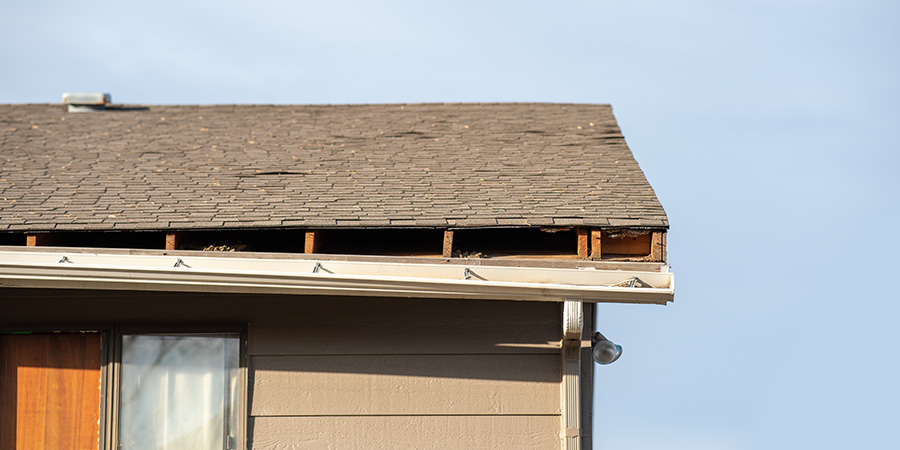
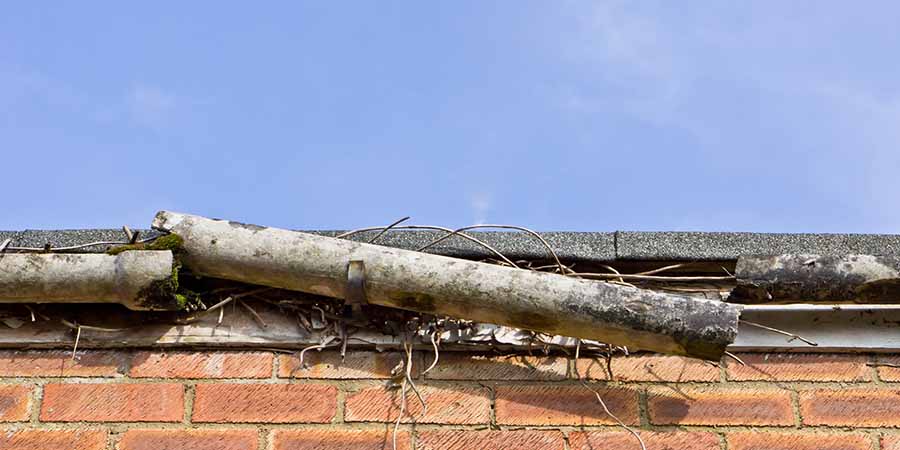
Granules can slow drainage and hold standing water in the gutter channel. Add crushed elbows or sagging sections, and overflow gets forced toward seams, corners, or high spots. If the gutters have pulled away from the fascia, water can run behind the system instead of through it, which can damage siding, wood, and even the foundation.
There are a few signs you can spot on your own:
- Water spilling over the front lip of the gutter during rain
- Dark stains on siding below the gutter line
- Soil erosion near the foundation
If you notice any of these after a hailstorm, the system isn’t draining the way it should.
Gutter Condition Comparison Table: When to Repair or Replace
The right fix depends on the actual problem. In some cases, re-sloping and bracket tightening will fix low spots and sagging. In others, seam repair or full replacement is the better move because gaps are letting water run behind the gutter.
| Gutter Condition | Water Behavior | Main Risk | Best Fix |
|---|---|---|---|
| Clogged with granules and dented | Standing water in channel; spills over front edge | Fascia rot and basement flooding | Professional flush, re-sloping, or section replacement |
| Sagging/Pulled Away | Water flows behind the gutter against the siding | Structural rot and foundation erosion | Bracket tightening or fascia repair |
| Crushed Elbows | Immediate overflow during heavy surges | Landscape destruction and soil erosion | Downspout/elbow replacement |
These overflow signs can also help document storm damage during a full roof inspection.
Gutter Guards After a Hail Rebuild: Pro-Tech Roofing’s Guidance
When hail damage leads to replacement, gutter guard choice becomes part of the rebuild too. If the gutters already need to be replaced because of hail, it usually makes sense to add guards during the same job instead of paying for separate labor later.
When Gutter Guards Make Sense for Tulsa Homes and Small Commercial Buildings
Gutter guards make the most sense when the gutter system is in good shape but clogs often, especially on roofs with heavy runoff. The key point is simple: install guards only after the gutters are structurally sound.
That means we should not put guards on gutters that are sagging, cracked, or loose. Fix the gutter system first, then add the guard.
If hail damaged existing guards or screens, those items should be included in the claim. For small commercial buildings, the setup can be a bit different. These systems may need commercial-grade mounting hardware and guard profiles, so it’s smart to confirm fit before picking a guard style.
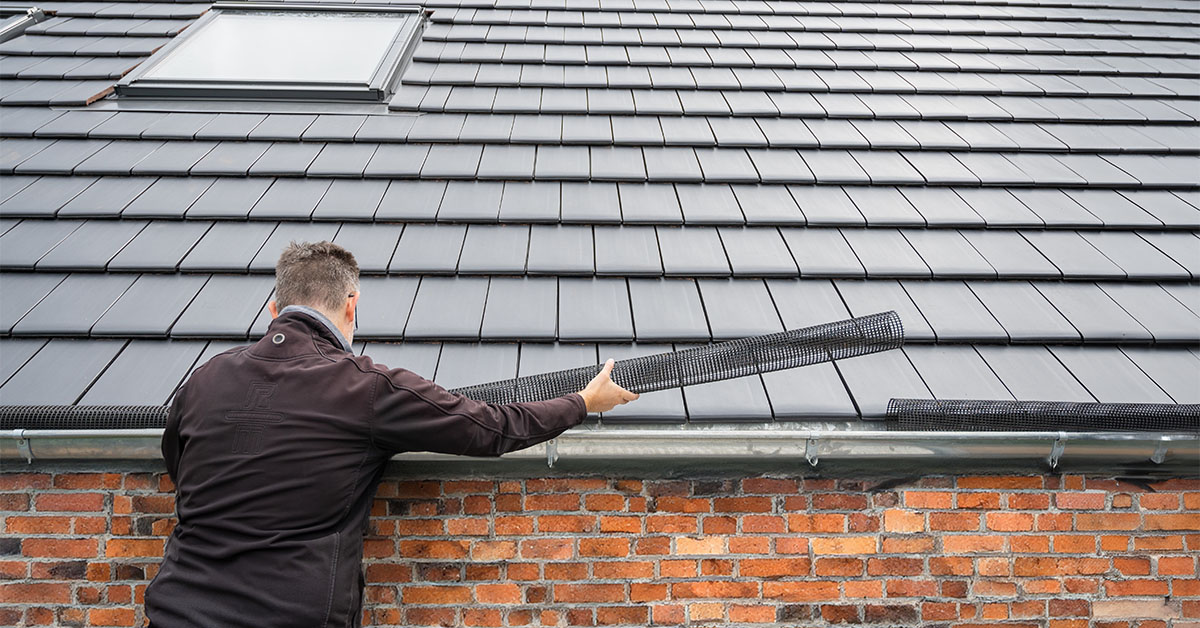
Gutter Guard Comparison Table: Debris Blocking, Hail Resistance, and Cost
When we compare gutter guards after a hail event, hail resistance should be a main factor. Price matters, of course, but it shouldn’t be the only thing driving the choice. It helps to look at debris blocking, hail resistance, and maintenance together.
Micro-mesh is the strongest all-around option. Stainless steel mesh does a strong job blocking granules, pine needles, leaves, and dense needle buildup, and it also holds up well under impact. Perforated metal sits in the middle and gives good hail resistance at a more moderate cost. Reverse-curve guards can block leaves well, but larger hail may dent them, and heavy rain can push them past their limit. Basic screens cost the least up front, but they dent easily and let fine debris through, which usually means more cleanup later.
| Guard Type | Debris Blocking | Hail Resistance | Maintenance Level | Upfront Cost Level |
|---|---|---|---|---|
| Micro-Mesh | Excellent (leaves, needles, granules) | High (stainless steel mesh) | Very Low | High |
| Perforated Metal | Good (leaves, large debris) | High (rigid aluminum/steel) | Low | Moderate |
| Reverse-Curve | Good (leaves, twigs) | Medium (can be dented) | Medium | High |
| Basic Screen | Fair (large leaves only) | Low (prone to denting/tearing) | High | Low |
A dented guard can cause the same overflow problem it was supposed to prevent. That’s why a roof inspection matters here. It can confirm which guard type fits the gutter system and whether repairs need to happen first.
The next step is documenting gutter condition during the full roof inspection.
Roof Inspections, Insurance Documentation, and Next Steps With Pro-Tech Roofing
Once we spot gutter damage, the next move is simple: document it before any repairs start. After a Tulsa hailstorm, gutters and downspouts often show clear signs that can help support a claim. In Oklahoma, insurance carriers generally allow only one year from the date of loss to file a storm damage claim.
How Pro-Tech Roofing Documents Gutter Damage During a Full Roof Inspection
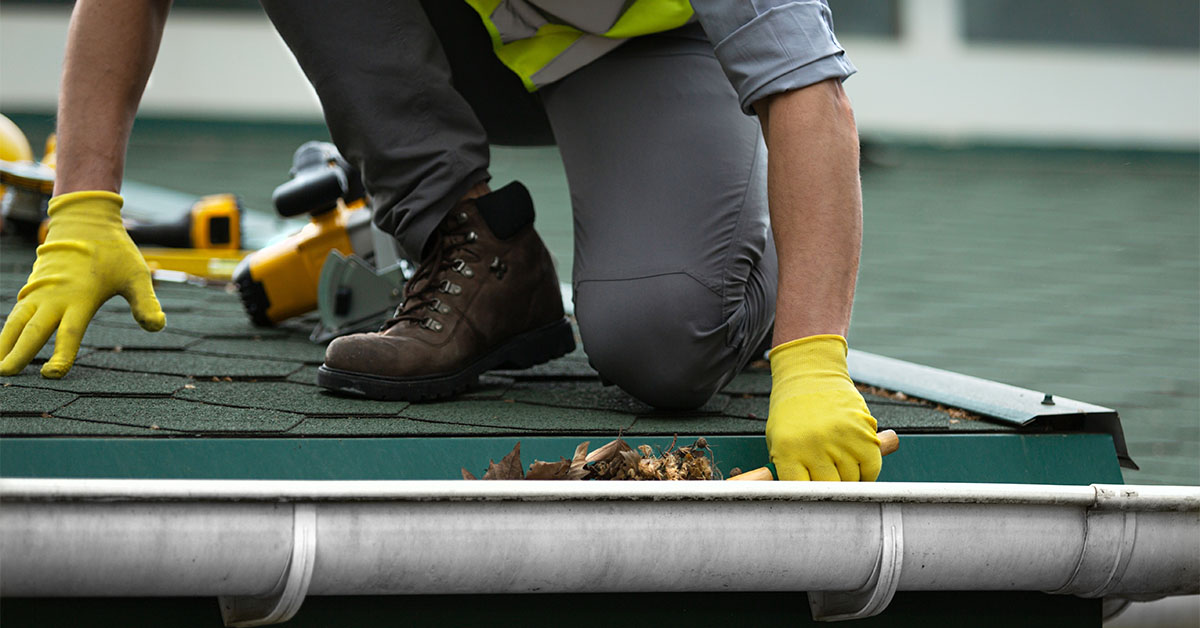
This part matters because visible gutter damage can become claim-ready evidence. During a full post-storm inspection, Pro-Tech Roofing photographs fresh dents on gutters and downspouts. They look for exposed bright metal at the center of each dent, which can point to fresh damage instead of older wear.
If the center of a dent is rusted or oxidized, that can suggest the damage happened earlier and may not be covered.
The inspection also includes photos of granule buildup near downspouts as supporting evidence. If gutter sections are out of line or water flow is blocked, those issues are photographed as well.
After the inspection, Pro-Tech can go over the findings with the adjuster on-site.
Key Takeaways for Tulsa Property Owners After Hail
Damaged gutters can affect drainage and insurance records, even when roof damage isn’t easy to spot. Photos of dents, granules, and flow issues can help support both repair decisions and claim records.
For a deeper look at routine gutter care between storms, see Gutter Maintenance: The Often-Overlooked Part of Healthy Roofs. To schedule an inspection, visit Get Help.

FAQs
Can hail damage gutters without damaging the roof?
Yes. Hail can dent or dimple gutters even when the roof looks fine at first glance, but that often means the roof took a hit too.
Gutters and downspouts are made from softer metal, so they tend to show impact marks more clearly than shingles. That makes them one of the first places we notice hail damage. If your gutters are dented, there’s a chance your roof has hidden functional damage as well, such as bruised shingle mats or granule loss.
How can I tell if a gutter dent is causing drainage problems?
Look for signs that the dent is changing how water moves through the gutter. Even a small dent can throw off the slope, which may leave water sitting in the channel instead of moving to the downspouts. In some cases, the dent can also create punctures that leak.
We should also check for split seams, loose fasteners or hangers, and gutters pulling away from the fascia. Those issues can cause water to back up behind the system and lead to damage on the roof or fascia boards.
Are gutter guards worth adding after hail damage?
They can help, but it depends on what you need. Gutter guards won’t fix hail damage. What they can do is help stop debris from piling up and causing overflow.
If hail loosened hangers, changed the pitch, or damaged seams, fix those problems first. We’d also have a pro check that the gutters still drain the way they should before adding guards.