
Your roof protects your home, but small issues like leaks, missing shingles, or poor ventilation can lead to costly damage if ignored. We have found that regular inspections help catch problems early, saving you money and extending your roof’s lifespan.
Note: This post was originally published in December 2025 and has been fully updated in 2026.
### **Key Takeaways for Homeowners**
- Leak Detection: Water stains, peeling paint, and musty smells are immediate signals of trouble.
- Shingle Integrity: Cracked, curling, or missing granules weaken your home’s protection.
- Flashing Checks: Rust or gaps around chimneys and vents invite significant water damage.
- Ventilation Balance: Poor airflow causes mold growth and shortens the overall life of the roof.
- Gutter Maintenance: Clogs lead to water backup, wood rot, and foundation erosion.
Professional inspections go beyond surface checks. Our team identifies hidden problems like sagging decks or cracked seals that the untrained eye might miss.
We recommend inspecting your roof annually and after severe Oklahoma weather to identify storm damage. This proactive approach prevents small issues from escalating into expensive repairs.
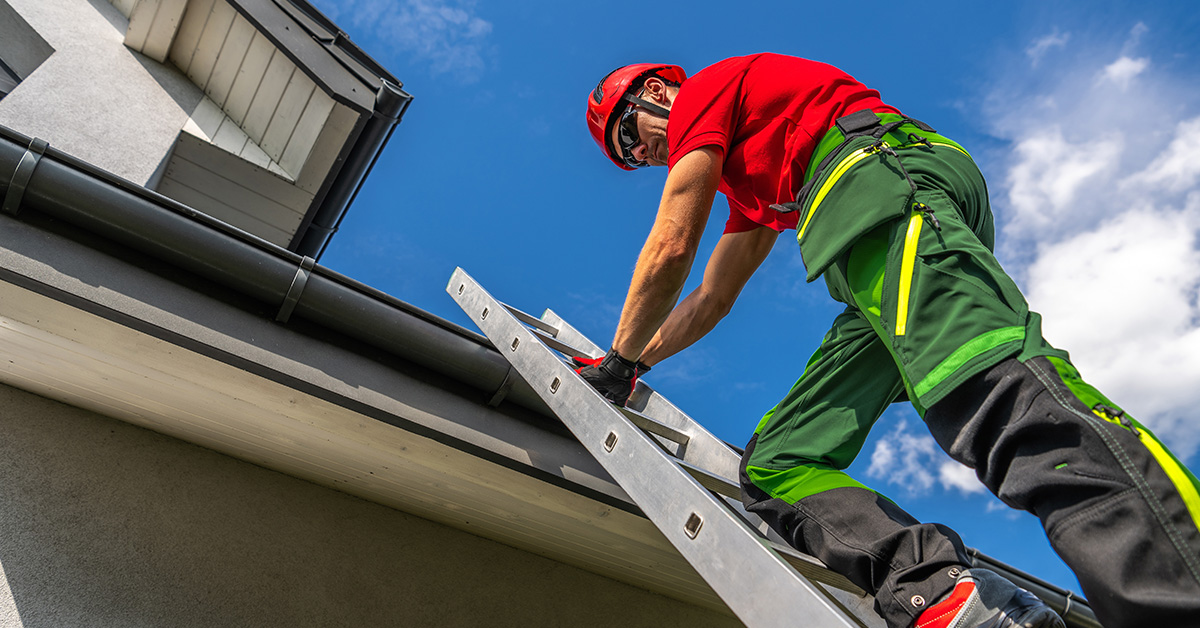
Common Asphalt Roof Problems: Professional Inspection Walkthrough
What We Find During Standard Roof Inspections
Roof inspections often reveal recurring issues. These range from missing shingles to hidden problems like poor attic ventilation.
In 2026, we are seeing more homeowners deal with accelerated wear due to fluctuating weather patterns. Knowing what our inspectors focus on helps you catch potential problems before they escalate into a full replacement.
Here is a quick look at common roof trouble spots, their warning signs, and the potential damage they cause if you ignore them:
| Problem Area | Common Signs of Damage | Potential Structural Impact |
|---|---|---|
| Shingles | Curling, cracking, missing granules | Roof deck rot, water infiltration |
| Flashing | Rust, gaps, cracked caulking | Rotting chimney framing, interior damage |
| Gutters | Standing water, sagging, overflowing | Fascia rot, siding damage, foundation erosion |
| Attic/Ventilation | Musty smells, frost, heat buildup | Mold growth, weakened rafters |
| Roof Valleys | Debris buildup, pooling water | Localized leaks, accelerated wear |
Roof Leaks and Water Damage
Water is the single greatest threat to your roofing system. Even a single cracked shingle allows moisture to seep in, compromising the water barrier.
Vulnerable areas like flashing around chimneys, vents, and skylights are high-risk zones due to faulty seals or aged installation. In 2026, we often see rubber seals around vent pipes that have dried out and cracked, creating a direct path for water.

Inside your home, you should watch for water stains on ceilings, peeling paint near roof edges, or musty smells in the attic. These signs point to active leaks that need immediate attention. If you ignore them, it leads to rotting wood, mold growth, and electrical hazards.
Damaged or Missing Shingles
Your shingles take the brunt of Oklahoma weather. Over time, they crack, curl, or lose protective granules.
These granules shield the asphalt from UV rays. Without them, shingles become brittle and prone to breaking. Hail, extreme heat, and foot traffic accelerate this degradation.
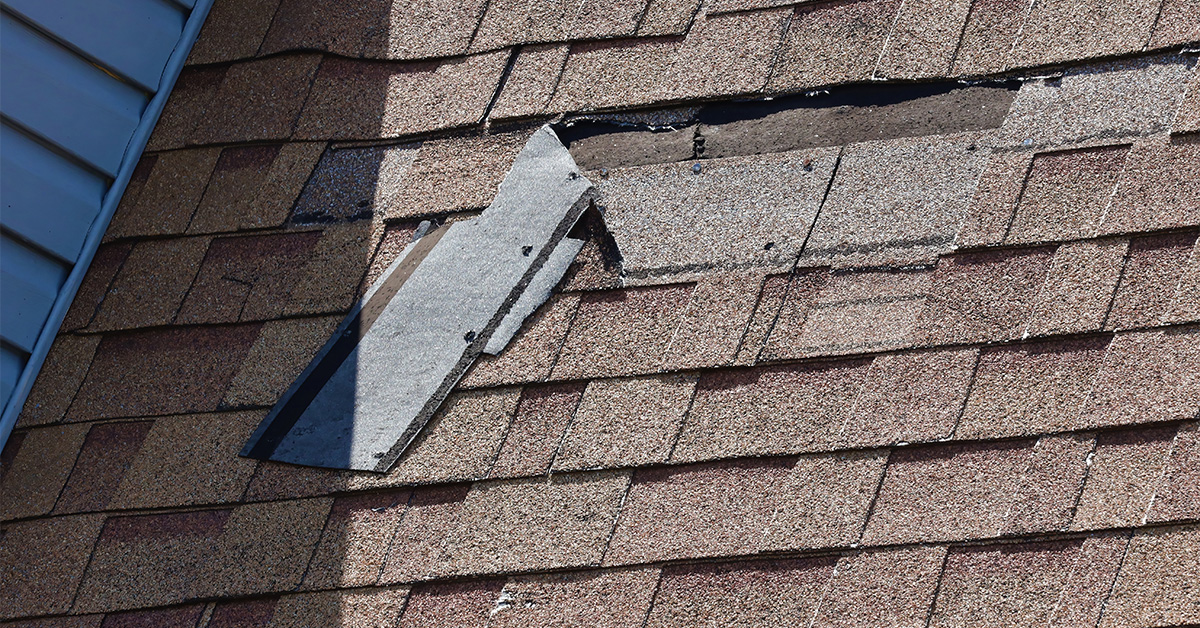
“The adhesive strip bond is the most important component in wind resistance, more important than fasteners, so it should always be checked.”
- Kenton Shepard, CMI, Certified Master Inspector
Shingle issues are typically flagged as medium-severity problems. In the 2026 market, repair costs for localized shingle damage often range from $5,500 to $16,000 depending on the scope. Addressing these problems quickly prevents water from spreading.
Flashing Vulnerabilities
Flashing is the seal where the roof meets vertical surfaces like chimneys or skylights. Over time, metal flashing can corrode or develop gaps in the caulking.
Exposed nails, often called “shiners,” and the use of incompatible metals like copper and aluminum can worsen the decay.

If left unchecked, faulty flashing leads to rotting sheathing and creates pathways for water to damage your home’s interior.
The Role of Attic Ventilation
Proper attic ventilation is crucial for extending your roof’s lifespan. Without it, heat and moisture build up, causing shingles to warp or lose granules prematurely.
We frequently find homeowners mixing vent types, such as combining attic fans with ridge vents, which actually shorts the airflow and traps heat.
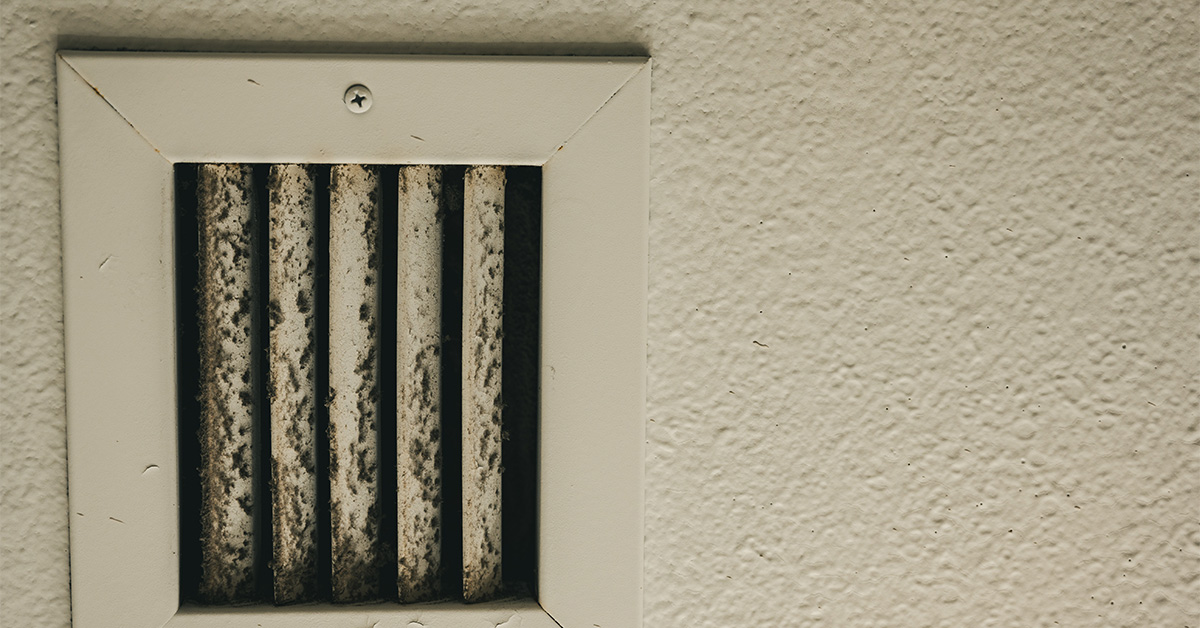
“Inadequate roof ventilation leads to excessive heat buildup and moisture accumulation in attics, accelerating the degradation of roofing materials like shingles.”
Poor ventilation also leads to ice dams in winter. To prevent this, your attic temperature should stay within 10 to 15 degrees of the outside air.
Gutter and Drainage Maintenance
Gutters direct water away from your roof and foundation. When they are clogged with debris, they cause water to back up under the shingles.
This leads to fascia rot and foundation erosion. For effective drainage, we ensure gutters slope about 1/4 inch for every 10 feet of length.

We recommend cleaning your gutters at least twice a year to prevent water backup and reduce the risk of ice dams.
Structural Issues We Identify During Inspections
Structural issues lurking beneath the surface jeopardize your home’s safety. Knowing what our inspectors look for helps you act before minor problems spiral into a crisis.
Detecting a Sagging Roof Deck
A sagging roof deck is a red flag for serious structural damage. This issue often stems from prolonged water exposure, excess weight from ice, or undersized rafters.
Sometimes, multiple layers of shingles hide the damage from the ground.
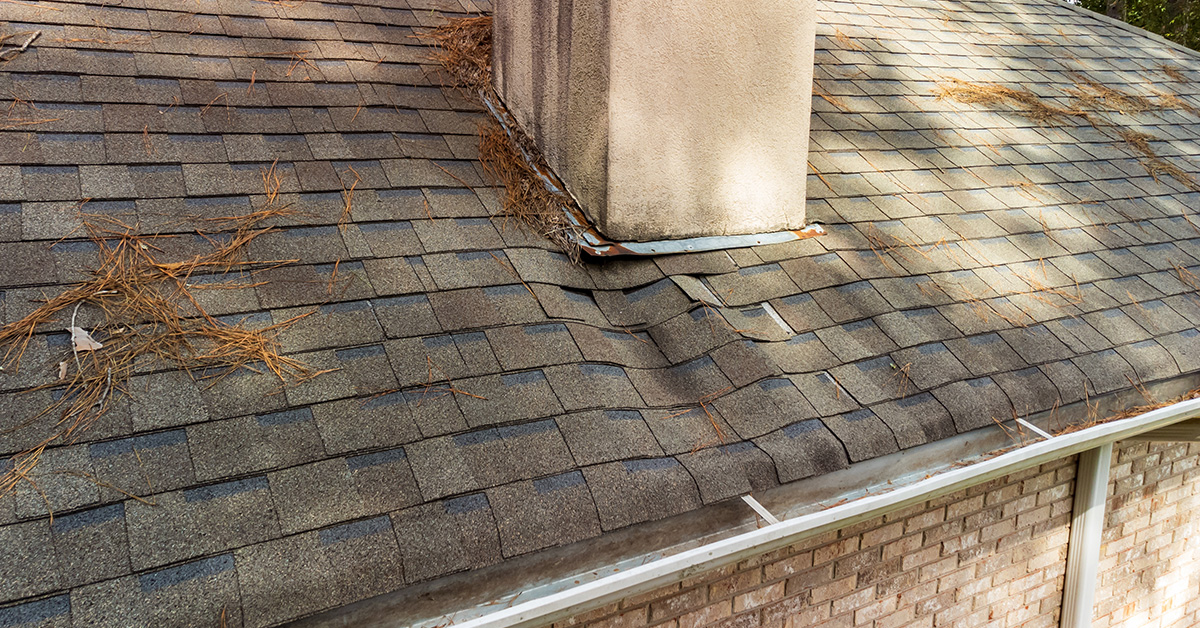
“No matter how small they are right now, structural problems will worsen over time.”
- Zach Reece, Colony Roofers
Your attic reveals the true condition of your roof. We look for cracked rafters, dark stains, or rusty nails. If your roof is over 20 years old and showing signs of sagging, it is time to call a professional roofing company.
In 2026, a full roof replacement for these issues typically costs between $6,200 and $13,500.
Chimney and Skylight Seal Decay
Seals around chimneys and skylights are exposed to constant sunlight and 2026’s volatile temperature swings. These cycles make seals brittle.
We focus on spotting gaps in caulking and rust on metal flashing before water damage appears inside your home.

Mold and Indoor Air Quality
Mold thrives in damp, poorly ventilated attics. Leaks or condensation from bad ventilation lead to mold spreading across the roof decking and rafters.
This weakens the structure and harms your indoor air quality.

“Your attic holds the secrets to your roof’s true condition. Get educated. Get empowered. Get inspected.”
DIY vs. Professional Roof Inspections: What You Need to Know
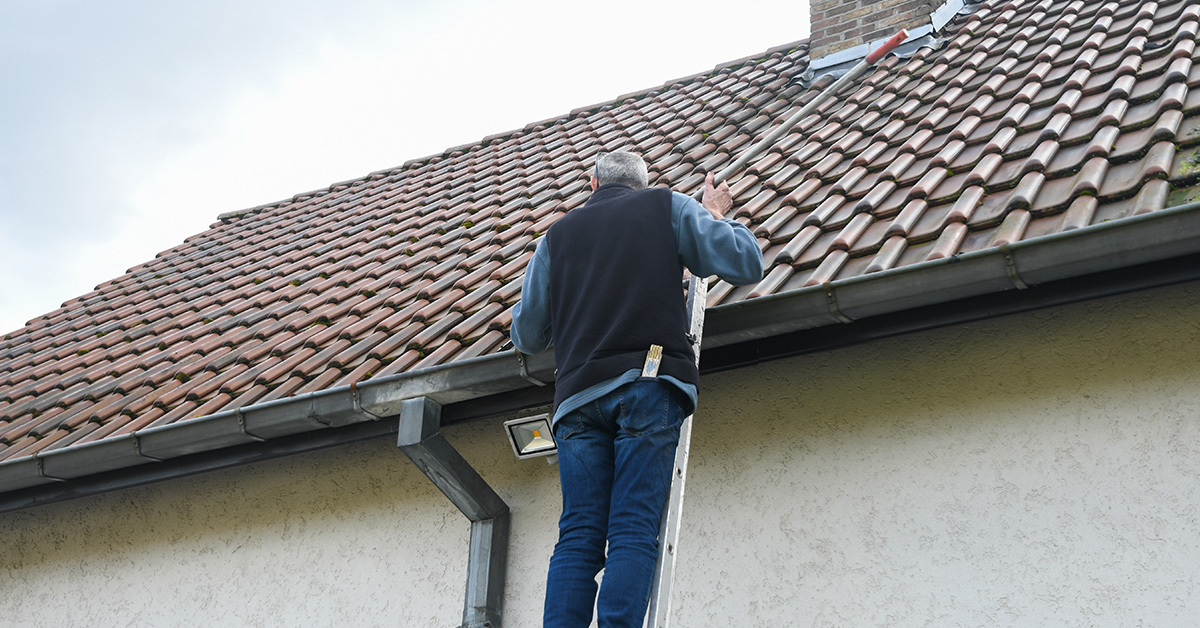
Doing a roof inspection yourself might seem like a way to save money, but most homeowners only spot surface-level problems. Hidden issues like rotting wood or poor ventilation often go unnoticed until they cause expensive damage.
The Risks of DIY Inspections
Inspecting your own roof comes with significant physical risk. Navigating steep or slippery surfaces is dangerous. Even if you stay safe, subtle issues like granule loss or improperly installed flashing are easy to miss.
Water often travels along rafters, making it difficult for an untrained eye to locate the actual source of a leak.
Why Professional Expertise Matters
This is where our professional inspections provide the most value. We evaluate the entire system, from the decking to the ventilation.
For example, Pro-Tech Roofing offers free roof inspections for homeowners in Northeast Oklahoma. We provide detailed photo documentation, which is essential when filing an insurance claim.

“A pro can catch hidden issues and recommend solutions.” – This Old House
Our team carries Oklahoma Residential License #80000220. We spot complex problems like conflicting ridge vents and attic fans or squirrel damage that homeowners often overlook.
Conclusion: Protecting Your Investment
Roof problems left unchecked spiral into costly structural damage. Issues like leaks, damaged shingles, and clogged gutters may seem minor, but they lead to repairs costing thousands.
Regular inspections are the only way to spot these problems early. We recommend scheduling a professional inspection twice a year, specifically in the spring and fall.
For homeowners in Tulsa, Broken Arrow, and surrounding areas, **Pro-Tech Roofing** offers **free roof inspections**. We provide the detailed evaluations you need for insurance claims and long-term peace of mind.
Roofing Inspection FAQs
How often should I have my roof professionally inspected?
We recommend a professional inspection **twice a year**, typically during spring and fall. These seasons allow us to address weather-related damage before the extreme heat of summer or the freezes of winter take their toll. You should also request an inspection after any major Oklahoma hailstorm.
What are the common signs of poor roof ventilation?
Common signs include extremely high attic temperatures, shingles that are curling prematurely, and moisture buildup or mold in the attic. If you notice ice dams in the winter or musty smells in your upper floors, your ventilation system likely needs an upgrade.
Can clogged gutters really damage a home’s foundation?
Yes, they can. When gutters are blocked, water overflows and pools at the base of your home. This water seeps into the soil, causing erosion and adding immense pressure to your foundation walls, which leads to cracks and structural shifting.