
When it comes to protecting your home, your roof plays a critical role. Regular inspections help you spot issues like missing shingles, leaks, or sagging areas before they turn into expensive repairs.
Note: This post was originally published in December 2025 and has been fully updated in 2026.
Key Takeaways for Roof Safety
- Inspect twice a year: We recommend performing checks every spring and fall, as well as after any severe Tulsa weather.
- Stay safe: You should use binoculars or a drone to inspect your roof from the ground instead of climbing a ladder.
- Look inside: Check your attic for water stains, mold, or pinpricks of sunlight.
- Check outside: Watch for missing shingles, sagging rooflines, or damaged flashing around chimneys.
- Address problems quickly: Small leaks lead to structural damage and costly wood rot if left ignored.

For serious concerns, like visible sagging or extensive water damage, you should consult a professional roofer. Routine maintenance and inspections are the best ways to save money and extend your roof’s lifespan.
6 Critical Signs of Roof Damage and Repair Tips
Common Interior Signs of Roof Damage
After you examine the exterior, it is just as important to check inside your home for early signs of leaks. While exterior inspections are vital, your interior spaces often reveal problems that are not yet visible from the curb. Your attic and upper-floor ceilings are typically the first places where roof issues leave their mark. This gives you an opportunity to address them before they escalate into a major restoration project.
Water Stains and Ceiling Discoloration
A roof leak is occurring if you notice brown, gray, or yellow stains on your ceilings or walls. These stains usually form rings or “halos” around the affected area and expand over time if the leak remains active. If you spot this discoloration, it is a signal to act quickly.
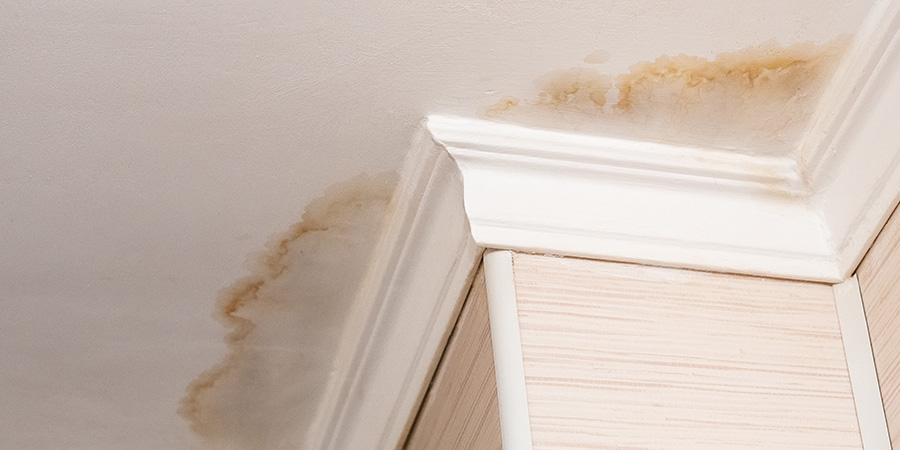
You should pay close attention to where these stains appear. Discoloration directly below your attic or near roof penetrations – such as chimneys, skylights, or vents – strongly points to an active leak. Dark streaks running down walls could indicate hidden moisture, while peeling paint alongside water stains suggests water damage that has been ongoing for a while.
Fresh stains are typically darker with sharper edges, while older ones fade over time. We recommend documenting the location of each stain in relation to your roof features to help with a professional diagnosis. Water stains are among the most common roof issues identified during 2026 home inspections.
Seeing Sunlight Through the Attic
One of the simplest ways to spot roof damage is by heading into your attic during daylight hours. You are looking for any sunlight streaming through the roof boards. Even small gaps or holes that let in light can allow water to seep through, potentially causing damage even if your shingles look fine from the outside.
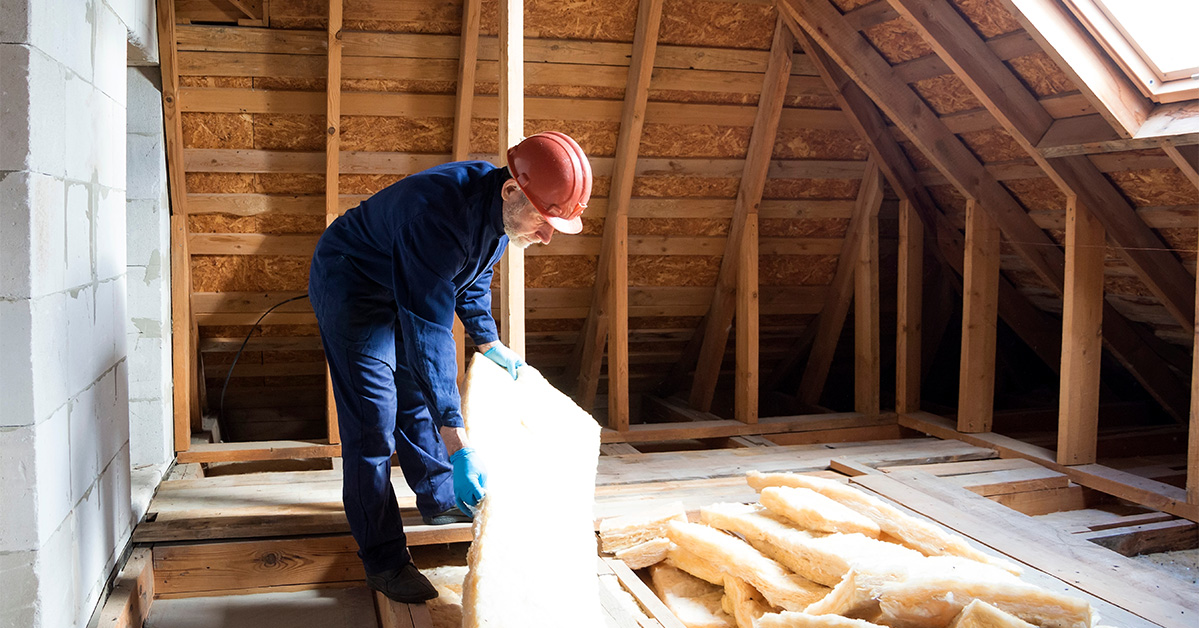
This method of inspection is much safer than climbing onto the roof and can reveal hidden problems not visible during an exterior check. Light shining through the roof often points to missing shingles, cracked decking, worn underlayment, or improperly sealed areas. These gaps need immediate attention, as they lead to water intrusion during rain or snow, resulting in wood rot and damaged insulation.
Identifying Mold, Mildew, and Musty Odors
Mold or mildew in your attic is a strong indicator of excess moisture. This is often linked to roof leaks or poor ventilation. You should check your rafters, insulation, and roof decking for mold, which might appear as black, green, or white fuzzy growth.
These signs typically point to ongoing moisture problems rather than isolated incidents. Damp areas on rafters or insulation suggest cracks or gaps in your roof that are letting water in. If you spot wood rot alongside mold, it is a sign that the issue has been present for a significant amount of time.
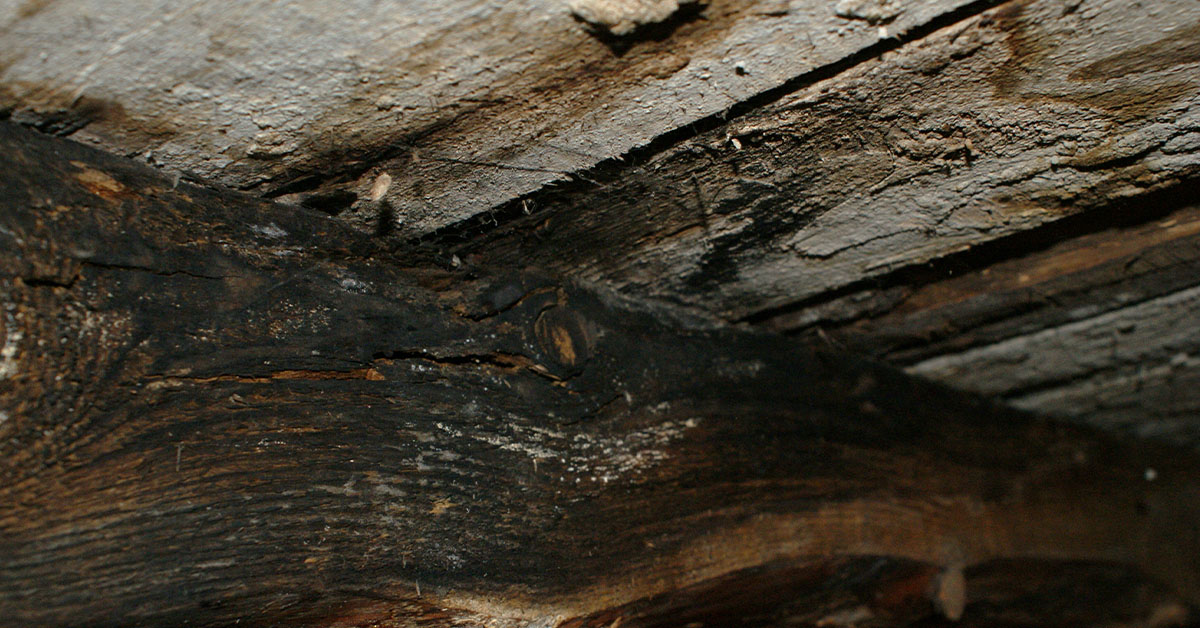
It is crucial to distinguish roof-related moisture from other sources to determine the right fix. Roof leaks usually cause mold growth directly under the leak, while poor ventilation leads to more widespread mold across the entire attic space. Roof leaks often worsen during rain, whereas ventilation problems persist regardless of weather conditions.
Addressing the source of moisture is essential to avoid structural damage and health risks. If you find mold in your attic, consult our team to determine whether the problem stems from a roof leak or a ventilation issue. Solutions differ greatly between the two. Companies like Pro-Tech Roofing can inspect your roof and attic to pinpoint the exact cause.
“Larry was prompt, kind, and thorough in evaluating our roof and attic space for leaks and informing us of the state of our home.” – Christine Do
Incorporating these checks into your regular attic inspections – especially after severe 2026 storms – can help you catch problems early. This proactive approach could save you thousands in repair costs. Once you have completed your interior checks, it is time to focus on the visible exterior signs for a full assessment.
Exterior Roof Damage Visible From the Ground
Once you have checked the interior of your home, it is time to step outside and examine your roof from the ground. This exterior inspection complements your interior findings. To stay safe, we recommend using tools like binoculars or a drone to spot potential issues without climbing onto the roof. This method keeps you out of harm’s way and allows for regular inspections twice a year.
Missing, Cracked, or Curled Shingles
Shingles are your roof’s first line of defense. When they fail, problems escalate quickly. Missing shingles are often easy to see from the ground, especially after strong winds. Even a few missing shingles leave your home vulnerable to water damage.
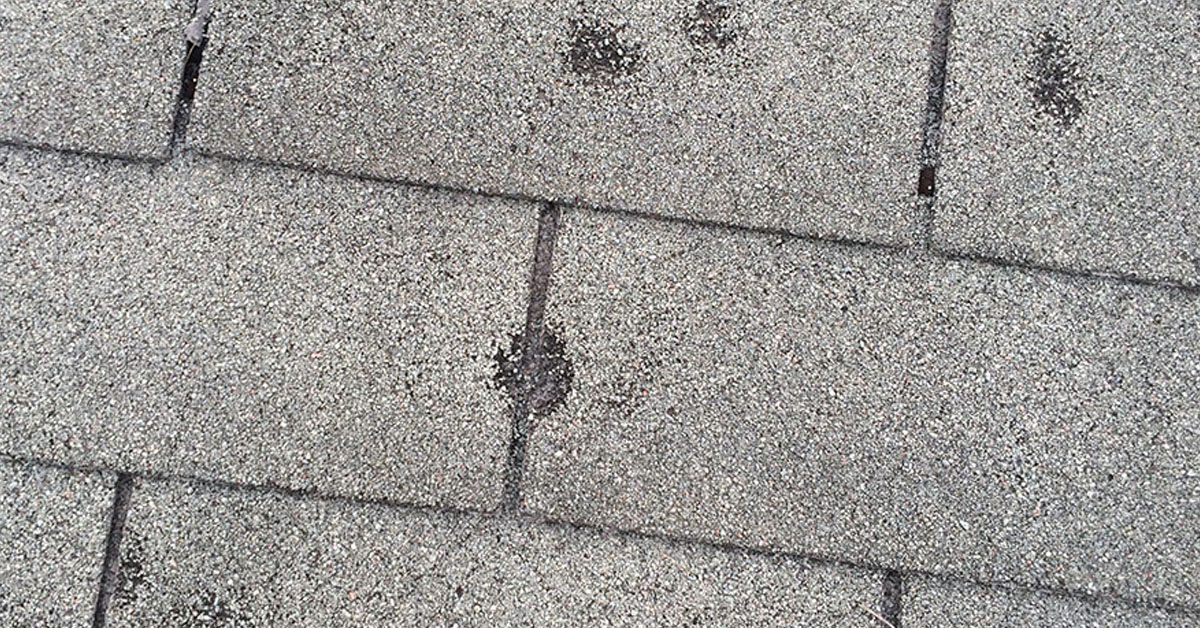
Cracked shingles are another red flag. These cracks can result from aging, temperature changes, or impact damage. Similarly, curled shingles – those with edges or corners that lift – are a sign of trouble. Curling often happens as shingles age or after hail and strong winds, creating openings for water to seep in.
Using binoculars, you should carefully compare areas where shingles are missing or visibly damaged. While minor wear is normal, widespread curling or large exposed patches of underlayment indicate serious issues. Also, watch for signs of granule loss. Shingles that look shiny or have bald spots are wearing out quickly. You might even notice granules collecting in your gutters.
Sagging Rooflines or Uneven Surfaces
A sagging roofline is one of the most alarming problems you can identify from the ground. Look for dips, waves, or bows along the roofline. These often signal structural damage, weakened supports, or water infiltration. Sagging can result from chronic leaks that saturate the decking or even poor construction. Ignoring this issue could lead to a roof collapse and significant property damage.
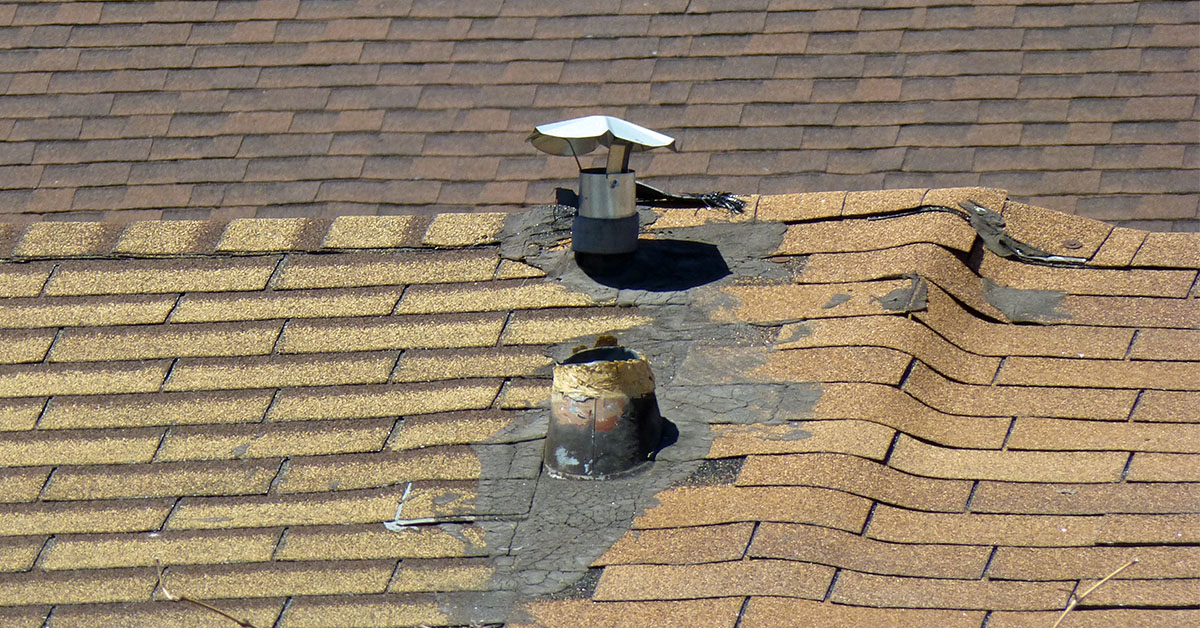
If you notice sagging or uneven areas, you must take it seriously and consult a professional immediately.
Damaged or Missing Flashing
Flashing is the metal strips around chimneys, vents, and skylights. It plays a key role in keeping water out of your home’s most vulnerable joints. From the ground, look for signs of rust, gaps, or bent metal around these features. Rusted or cracked flashing often appears as discolored or broken metal. Even small openings can allow water to seep in during heavy rain.
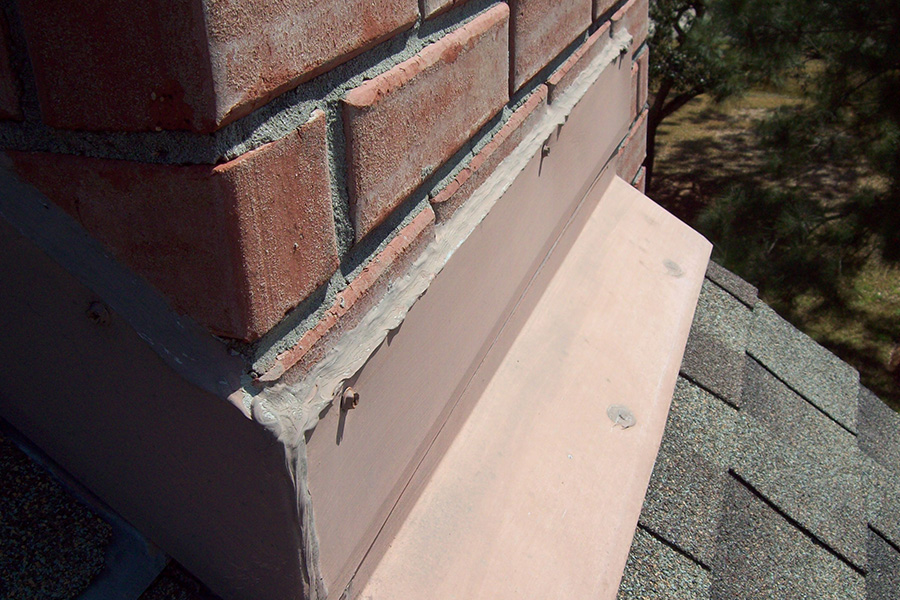
Flashing can fail due to aging, high moisture exposure, or impact damage from storms. Regularly inspecting these areas can help maintain your roof’s integrity.
Brian Dawes shared his experience from 12 years ago when Pro-Tech Roofing replaced shingles on his storm-damaged roof. He explained that the damage was partly due to shortcuts taken by less experienced contractors.
This highlights the importance of proper installation, particularly for flashing. While you are inspecting from the ground, do not forget to check your gutters. Look for sagging sections or debris buildup that might cause water to overflow onto your roof. Faulty gutters can redirect water back onto the roof, leading to rot.
If you notice major issues like missing shingles, sagging rooflines, or damaged flashing, it is time to call in the experts. Our team at Pro-Tech Roofing can perform detailed inspections, uncover hidden problems, and provide documentation for insurance claims.
Specific Types of Roof Damage to Watch For
Weather events and the natural aging process leave your roof vulnerable to various types of damage. Recognizing these specific issues helps you take action before minor problems escalate into expensive repairs.
Hail and Wind Damage
Hailstorms often leave behind circular dents, cracks, or even holes in shingles. Asphalt shingles are especially prone to visible depressions caused by hailstones. When inspecting your roof, look for these distinct impact marks on the surface of the shingles.
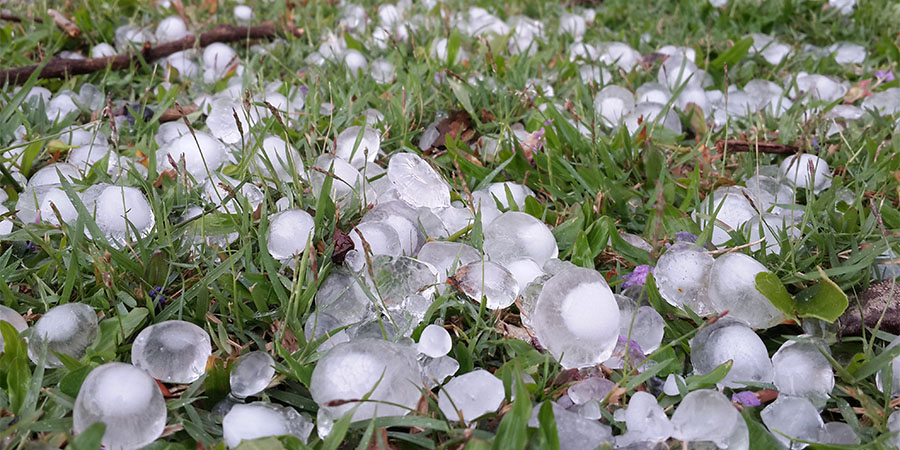
Hailstones can also knock off the protective granules on shingles, leaving behind shiny or bald spots that expose the underlying material. Metal elements like flashing or vents may also show dents or warping from hail impact. Additionally, damage to nearby items like cars or siding can be a clue that your roof was affected by the same storm.
In 2025, Gulie Ery (Juju) had their roof and wind turbines replaced by Pro-Tech Roofing following high winds and hail damage. Our team helped with everything, from insurance claims to upgrading the roof, which resulted in a $600 per year reduction in home insurance costs.
Wind damage tends to lift or tear shingles rather than leaving dents like hail does. After a windy day, you might notice debris such as branches or even dislodged shingles scattered on your roof. Flashing can also loosen or bend during high winds. If you spot water stains on your ceilings after a windstorm, you should check your attic for moisture immediately.
Algae, Moss, and Fungal Growth
The presence of moss, algae, or fungi is a sign of excessive moisture. These organisms thrive in damp, shaded areas and can trap moisture against the roof, leading to rot and structural issues if ignored. Their growth might also point to underlying problems like roof leaks or poor ventilation.
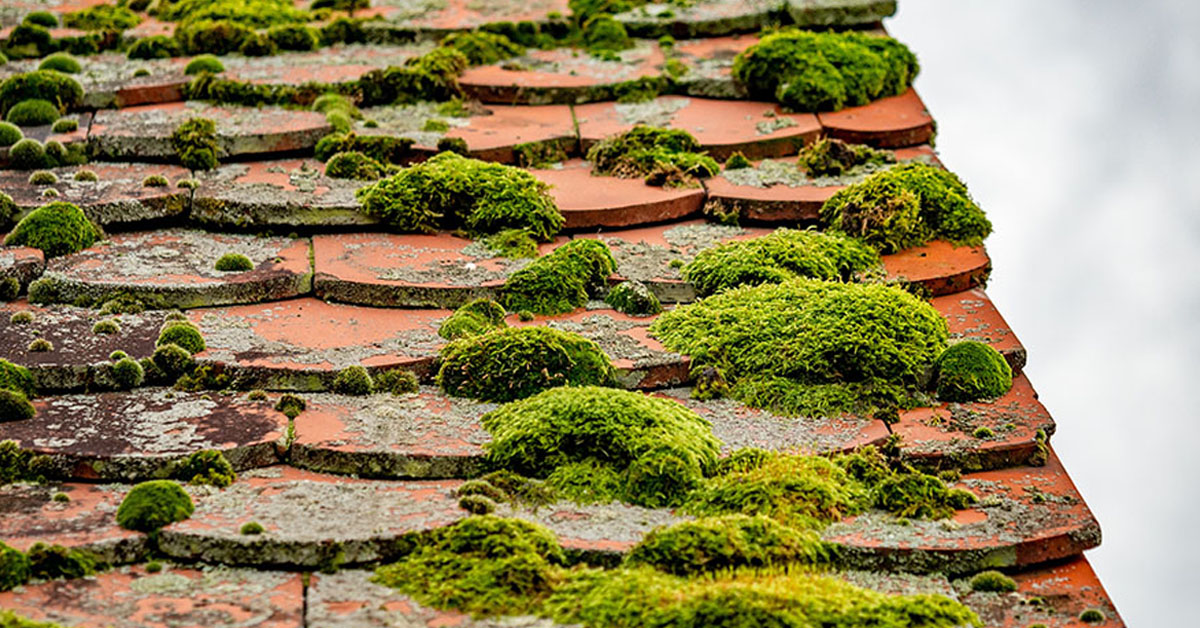
Regular cleaning and proper maintenance help control moss and algae, extending the life of your roof. However, if you notice extensive growth, it is wise to call a professional to assess the situation.
Ice Dams and Winter Damage
Winter weather brings unique challenges, such as ice dams. These occur when snow on the roof melts and refreezes at the edges, blocking proper drainage. The trapped water can back up under the shingles and leak into your home.
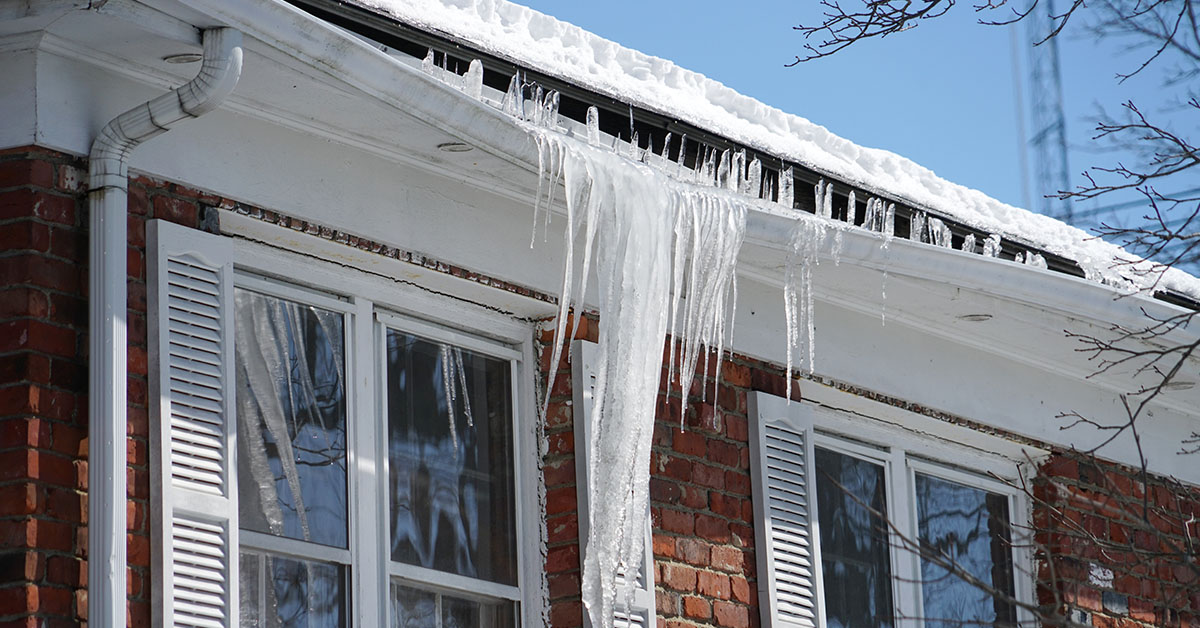
You should check your attic for signs of moisture, such as damp spots on rafters or insulation, during or shortly after winter storms. Proper insulation and ventilation play a key role in preventing ice dams by controlling how snow melts on your roof.
Next Steps After Finding Roof Damage
Discovering roof damage calls for swift action. Once you have completed your inspections, it is time to move forward with steps that ensure effective repairs and long-term roof maintenance.
Documenting Damage for Insurance and Repairs
Proper documentation is crucial for filing insurance claims and obtaining accurate repair estimates. You should start by taking clear, dated photos and videos of the damage from multiple angles. Highlight specific issues, such as missing shingles near the chimney or water stains on the ceiling.
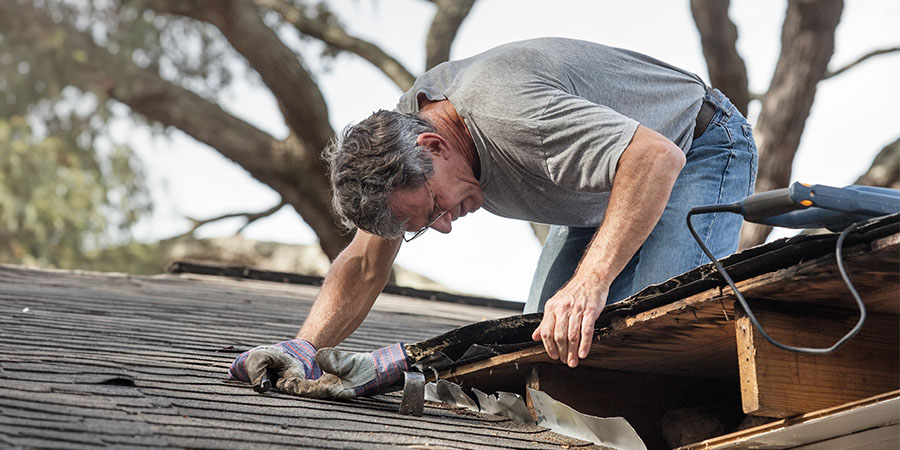
Do not forget to photograph your attic and interior spaces. Look for mold, wet insulation, or damp rafters and include timestamps. If the damage extends beyond the roof, include photos of related issues like dented gutters or damaged siding.
Professional roofing companies, like Pro-Tech Roofing, can help simplify the insurance process. Experienced roofers often collaborate with insurance adjusters to explain the damage and ensure your claim meets all requirements.
When to Call a Professional Roofer
Certain roof problems require immediate attention. You should call a roofer right away if you notice:
- Sagging roof decks.
- Visible daylight through roof boards.
- Significant water damage with mold growth.
- Widespread missing shingles after a storm.
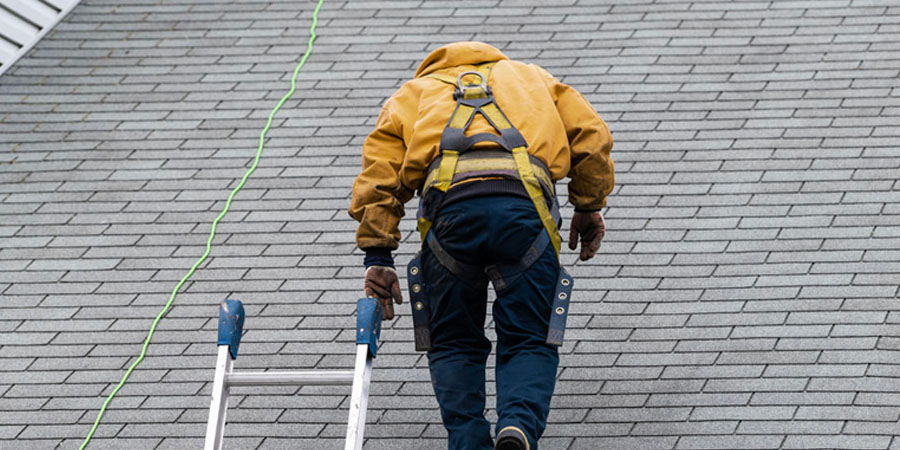
In 2026, professional roof inspections typically cost between $150 and $300, providing valuable insights into your roof’s condition. Pro-Tech Roofing offers inspections to assess damage and recommend solutions.
Setting Up a 2026 Routine Inspection Schedule
Preventive maintenance is key to avoiding costly repairs. We recommend inspecting your roof annually, with additional checks after severe weather events. Newer roofs under 10 years old may only need yearly inspections, while older roofs over 15 years benefit from semi-annual checks.
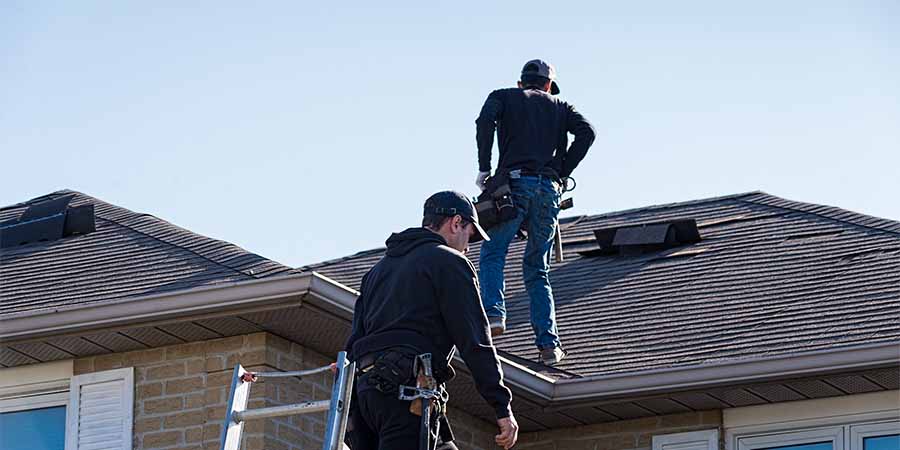
After major storms or extreme weather, an immediate inspection is critical. Consistent upkeep is essential for preventing future problems. Partnering with a trusted roofing company like Pro-Tech Roofing for regular inspections helps you catch potential problems early.
Frequently Asked Questions
What are some safe ways to inspect my roof without climbing on it?
Inspecting your roof from the ground is the safest way to catch potential issues early. You can use a pair of binoculars to examine shingles, flashing, and gutters. Keep an eye out for missing or curled shingles and sagging sections. Inside your home, you should check ceilings for water stains or discoloration. For a more detailed assessment, we recommend reaching out to a professional roofing company like Pro-Tech Roofing.
What happens if you ignore early signs of roof damage like water stains or mold?
When you overlook early signs of roof trouble, you are setting the stage for bigger headaches. What starts as a minor issue can snowball into major structural damage due to prolonged water seepage. Unchecked leaks also lead to mold growth, which is a health risk. Tackling these problems early saves you from a much larger repair bill later on.
How often should I get my roof professionally inspected?
We recommend having your roof inspected by a professional at least once a year. You should schedule a checkup sooner if your area experiences severe weather like hailstorms or heavy winds. Regular check-ups help spot problems early and keep your roof in good shape for longer.