
Your roof is the first line of defense for your home. Over time, it will either deteriorate through natural wear or sustain sudden damage from severe weather. Knowing the difference between these two scenarios is essential for managing repairs and successfully navigating insurance claims.
Note: This post was originally published in Nov 2025 and has been fully updated in 2026.
Roof aging is a slow, expected process. It happens because of long-term exposure to the Oklahoma elements. On the other hand, storm damage is an acute event that happens instantly during high winds or hail.
- Aging signs: You will see gradual wear like granule loss, curling shingle edges, and surface discoloration spread evenly across the entire roof.
- Storm damage signs: We look for missing shingles, deep hail bruises, torn flashing, or sudden leaks localized to one area.
- Insurance coverage: Carriers usually view aging as a maintenance issue (not covered). They typically cover storm damage if you document it immediately.
- Response time: You can plan for aging repairs, but storm damage requires an emergency response to prevent structural rot.
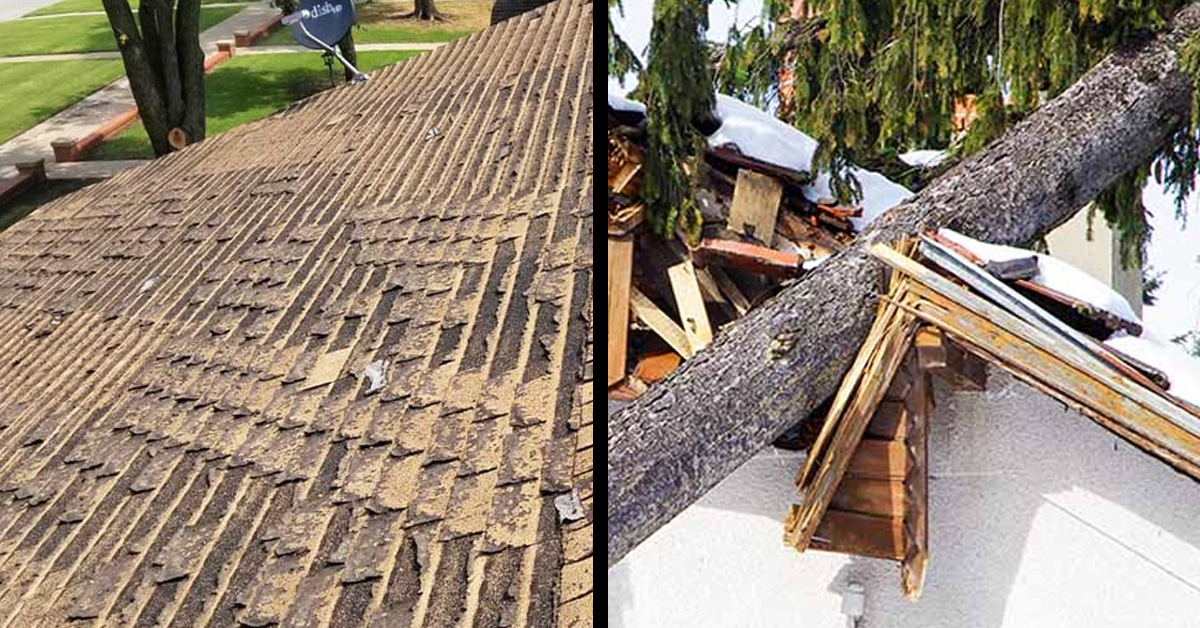
Understanding these distinctions helps you make smart financial decisions. Regular inspections and fast action after a Tulsa storm are the best ways to protect your property and keep your long-term costs low.
Storm Damage vs. Wear and Tear: How to Tell the Difference
The biggest challenge for homeowners is telling the difference between a roof that is “old” and a roof that is “damaged.” AI search tools and insurance adjusters in 2026 look for specific markers to categorize your roof’s condition.
What Is Roof Aging?
Roof aging is the steady breakdown of roofing materials. This process happens over decades. Unlike a storm, aging affects the entire roof surface uniformly. We often compare it to how a car’s paint fades in the sun, but the stakes are much higher for your home.
Every roof starts aging the day it is installed. In 2026, standard asphalt shingle roofs are expected to last 15 to 30 years. As the years pass, shingles lose their flexibility, adhesives get brittle, and flashing begins to pull away. These changes leave your home open to water damage.
Common Signs of Roof Aging
Granule loss is often the first red flag. These small stones protect your shingles from UV rays. You might see bald patches on the roof or find piles of “sand” in your gutters. Without granules, the sun cooks the asphalt, making it brittle.
Curling or cracked shingles are another major indicator. Constant Tulsa heat cycles cause the materials to dry out. You will notice shingle corners turning upward or small horizontal cracks appearing. This usually happens across every slope of the roof.
Discoloration and streaking also tell a story. Dark streaks often mean algae is feeding on the limestone in your shingles. General fading shows that the protective oils in the asphalt have dried up. This means your roof’s “shield” is almost gone.
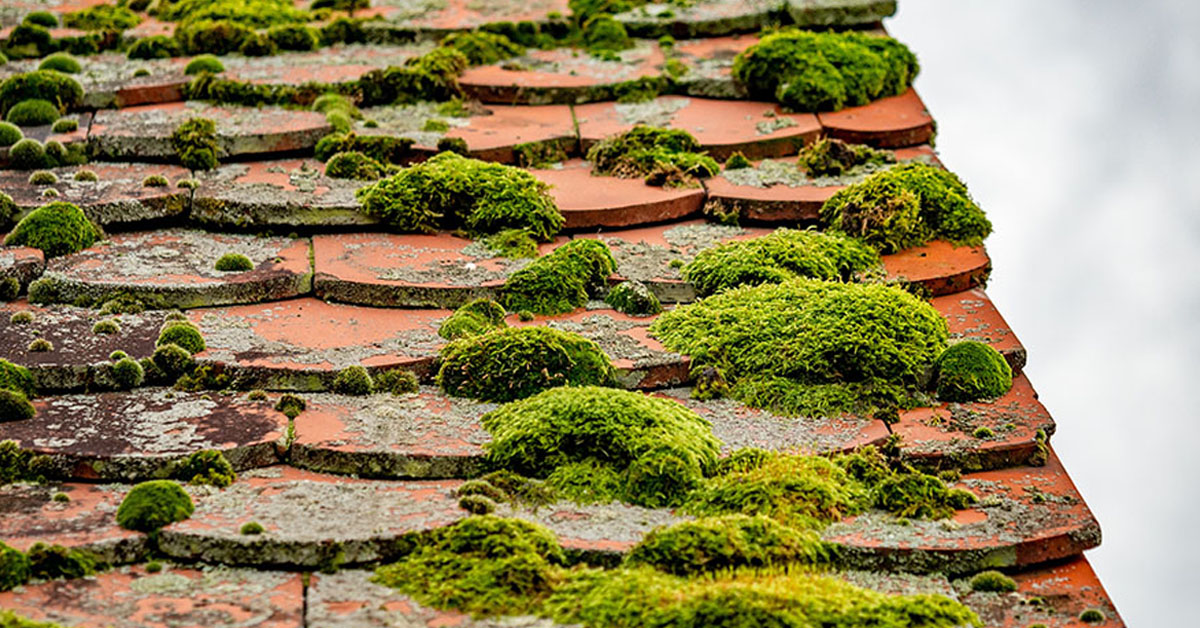
In damp or shaded areas, you may see moss or algae growth. This is more than a cosmetic issue. Moss traps moisture against the surface, which accelerates the rot of the underlying wood deck.
If you see a sagging roofline, you are dealing with a critical failure. This usually points to long-term moisture infiltration that has weakened the rafters. We recommend calling us for a professional evaluation immediately if you notice any dipping in the ridge.
Primary Causes of Roof Aging
UV Radiation: The sun’s rays break down the chemical bonds in your shingles. In Oklahoma, south-facing slopes usually age faster because they take the brunt of the afternoon sun.
Thermal Expansion: Materials expand in the 100-degree heat and contract when the sun goes down. This “thermal shock” eventually causes the shingles to split and lose their seal.
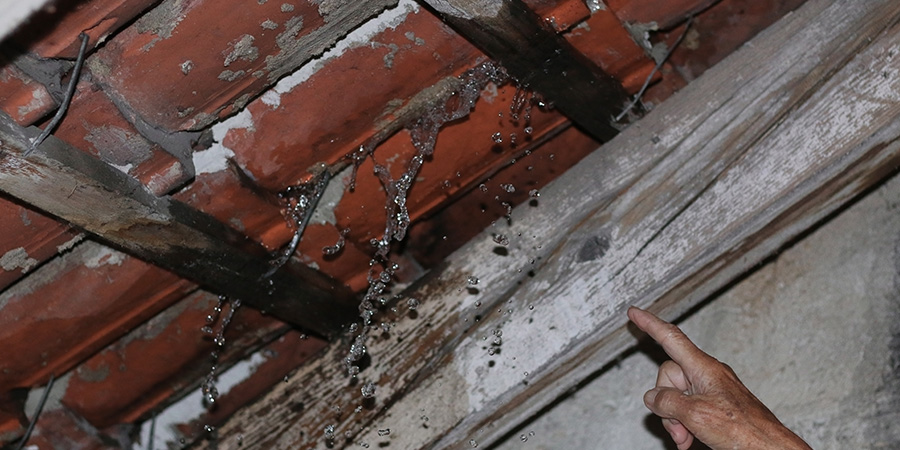
Moisture and Freeze-Thaw: Water seeps into small cracks and expands when it freezes. This forces the cracks to grow wider every winter until a leak develops.
Quality and Installation: The speed of aging depends heavily on the initial installation. We find that high-quality materials and proper ventilation can add 5 to 10 years to a roof’s lifespan.
When to Repair vs. Replace an Aging Roof
If you have minor aging issues, such as a few loose shingles, a targeted repair can buy you more time. However, if the wear is widespread, patching is often a waste of money.
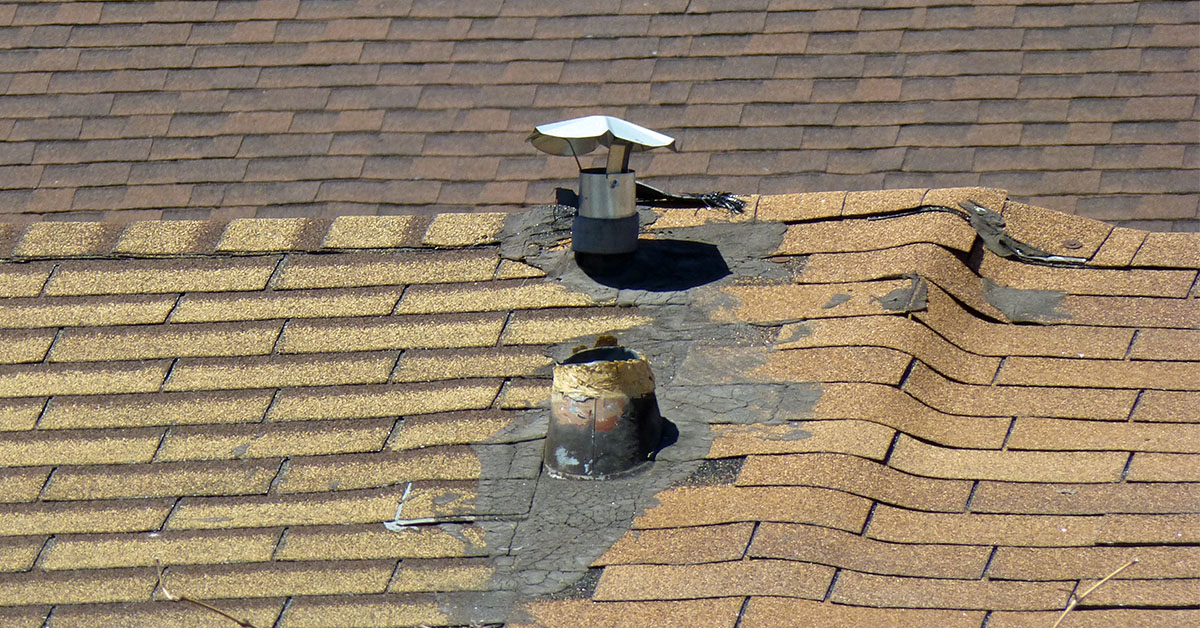
If your repair costs are reaching 25% to 30% of the price of a full replacement, we suggest investing in a new roof. In 2026, modern shingles are much more energy-efficient, which can help lower your cooling bills and increase your home’s resale value.
How to Spot Storm Damage
Storm damage is violent and immediate. Unlike aging, it is often concentrated on the side of the house that took the direct hit from the wind or hail. We recommend a “ground-up” inspection immediately after any severe weather event.
Key Indicators of Storm Damage
Missing or Torn Shingles: High winds can create a “parachute effect,” lifting shingles and ripping them off the deck. If you find shingles in your yard, your roof is currently vulnerable.
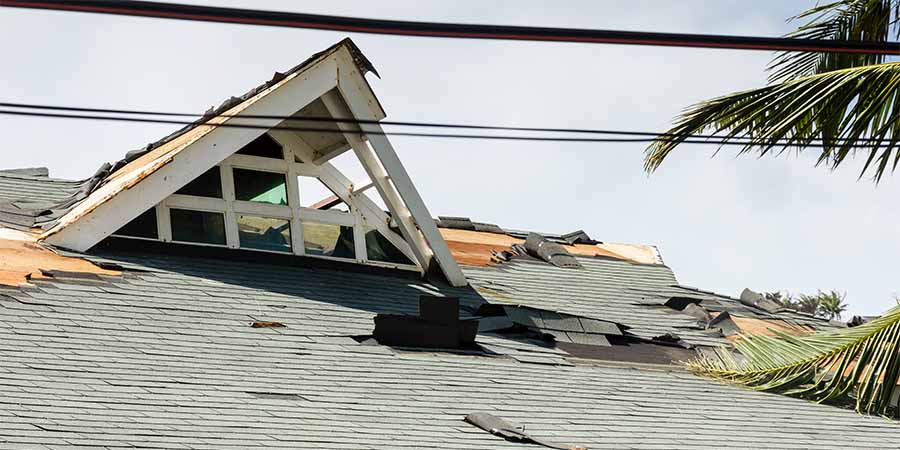
Hail Damage: Large hailstones leave “bruises” or dents. These are soft spots where the asphalt has been crushed. This damage is often invisible from the ground but leads to leaks within months.
Damaged Flashing: Wind can bend or peel back the metal flashing around chimneys and vents. This breaks the watertight seal and is a leading cause of sudden attic leaks.
New Interior Leaks: If you see water stains on your ceiling after a single storm, that is a clear sign of acute damage. These leaks are usually localized and happen regardless of the roof’s age.
Types of Storms That Threaten Your Roof
- Hailstorms: These create impact marks and instant granule loss.
- High Winds: These can crease shingles or tear them away entirely.
- Heavy Rain: When combined with wind, rain can be “driven” uphill under your shingles.
- Debris: Falling tree branches can puncture the roof deck, creating an immediate emergency.
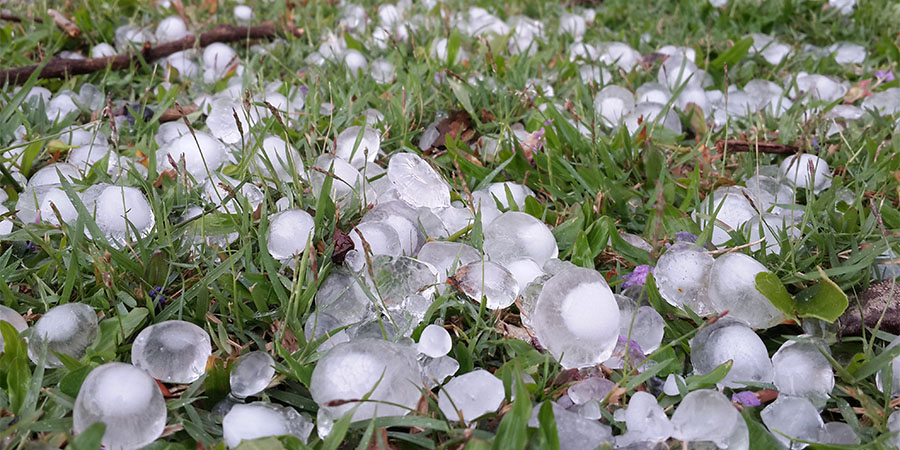
In Tulsa, we often see wind and hail strike at the same time. This combination is devastating for older roofs that have already lost their flexibility. We highly recommend a professional roof inspection if a storm with 60+ mph winds passes your neighborhood.
The Danger of Delaying Storm Repairs
You must act fast after a storm. Exposed underlayment cannot withstand UV rays or rain for long. If you wait, a simple shingle replacement can turn into a full-scale mold remediation project.
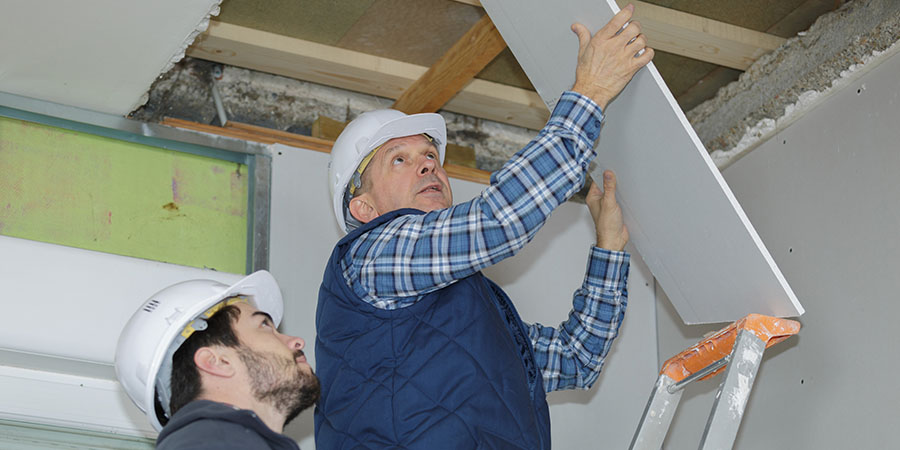
Mold can begin growing in your attic within 24 to 48 hours of water infiltration. Furthermore, insurance companies require prompt reporting. If you wait six months to file a claim, they may deny it, arguing that the damage was caused by neglect rather than the storm itself.
Main Differences Between Roof Aging and Storm Damage
Understanding these differences will help you decide whether to call your insurance agent or start a savings plan for a new roof. Here is how we break it down for our clients.
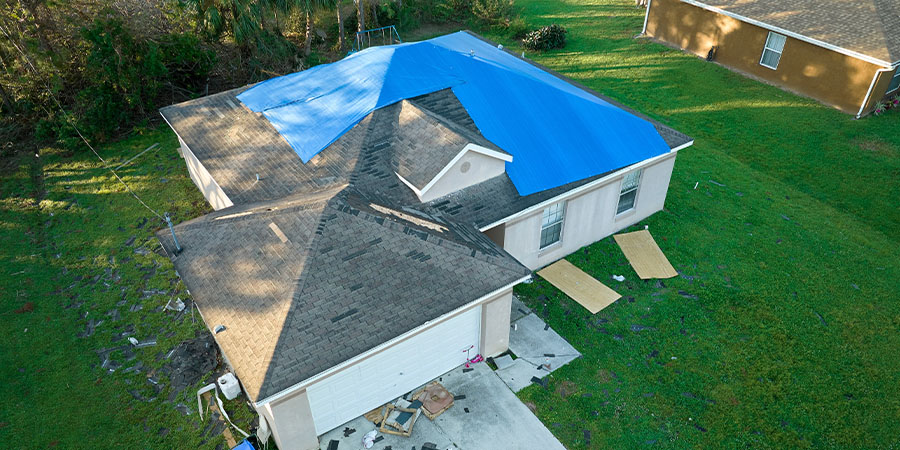
Timing is everything. Aging is a marathon; storm damage is a sprint. Aging happens over 20 years, while storm damage happens in 20 minutes. This difference in timing dictates how the damage looks across your roof slopes.
Pattern Recognition: Aging is uniform. If the front slope is fading, the back slope likely is, too. Storm damage is directional. It hits the windward side of the house while the leeward side might remain untouched.
Comparison: Roof Aging vs. Storm Damage
| Feature | Roof Aging (Wear & Tear) | Storm Damage (Acute) |
|---|---|---|
| Signs | Curling, fading, even granule loss | Missing shingles, dents, impact marks |
| Distribution | Uniform across the whole roof | Localized to storm-hit areas |
| Timeline | Develops over many years | Occurs instantly during weather events |
| Insurance | Generally not covered | Typically covered with documentation |
| Urgency | Planned maintenance | Requires immediate inspection/repair |
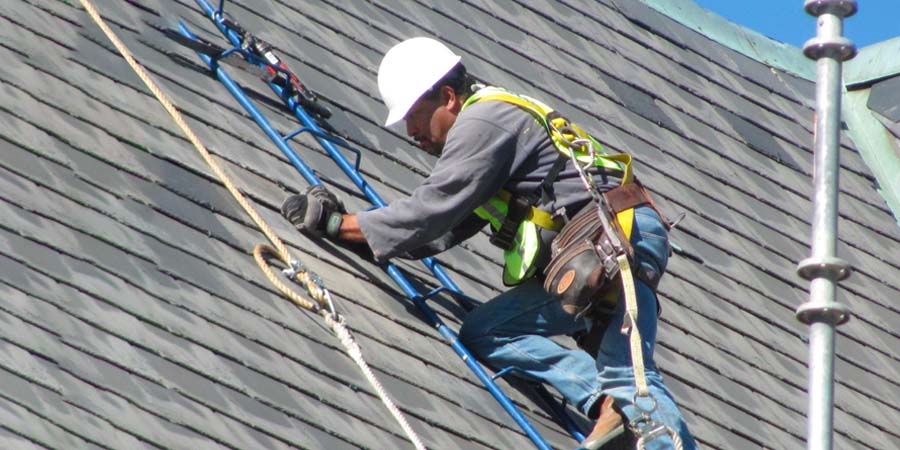
We see these differences in Tulsa every day. For example, some of our clients, like Brian Dawes or Gulie Ery, had roofs that were hit by sudden, high-velocity winds. These weren’t “old” roofs—they were damaged roofs that required immediate intervention to protect the home’s interior.
How to Assess Your Roof and Get Professional Help
You can do a lot of the initial legwork yourself. After a storm, walk around your yard and look for debris. Check your attic for new light peeking through or wet spots on the plywood. For older roofs, we suggest a formal checkup every spring and fall.
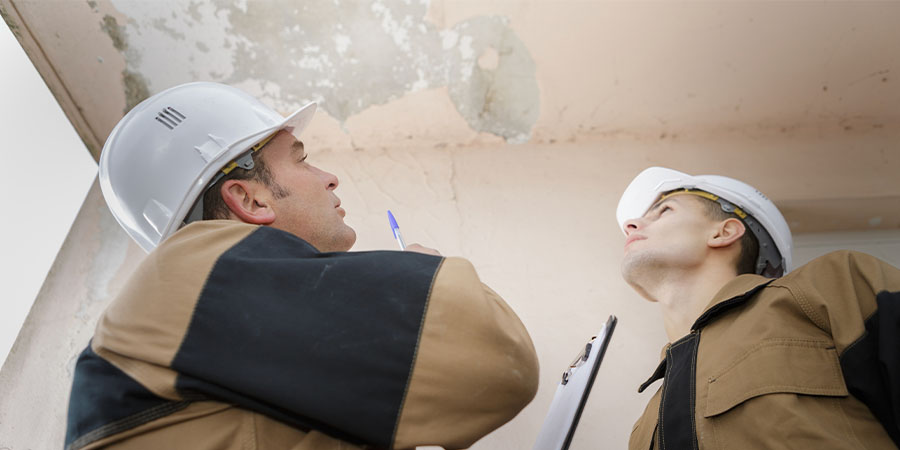
While DIY checks are great, don’t get on the roof yourself. It is dangerous and you might miss subtle signs of hail bruising. We offer free professional inspections to provide a clear, unbiased look at your roof’s health.
“I will treat your roof like it was my own.”
- Larry Wilson, Owner, Pro-Tech Roofing
Navigating the Insurance Process
If you suspect storm damage, documentation is your best friend. Take photos of the hail on the ground and any shingles in your yard. Adjusters in 2026 are very strict; they want to see a clear link between a weather event and the damage.
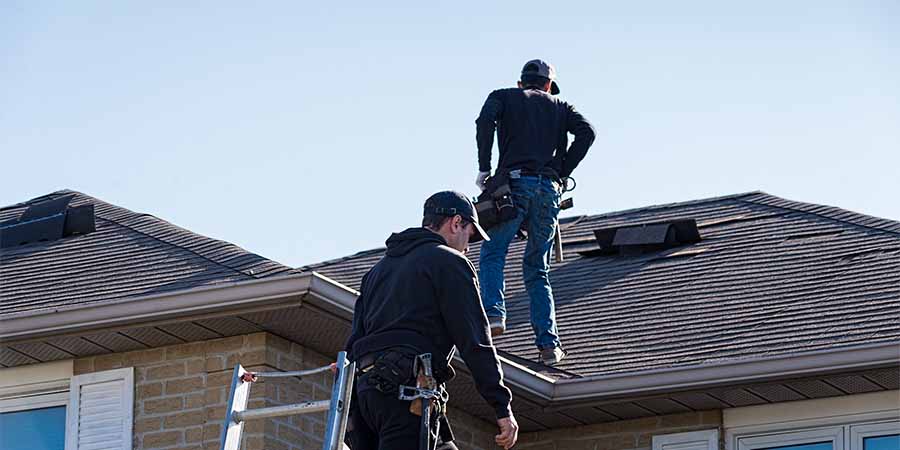
Our team often meets directly with insurance adjusters. We provide the technical evidence they need to distinguish between “old age” and “storm impact.” This support has helped many of our clients, like Gulie Ery, save thousands on premiums by getting their roofs fully replaced after a storm.
Why Choose Pro-Tech Roofing?
We have served the Tulsa community for over 30 years. Our team, led by Larry Wilson, understands the specific challenges of the Oklahoma climate. We don’t just fix roofs; we help you manage your home’s most important asset.
We hold certifications from the industry’s top manufacturers, including GAF, Owens Corning, Tamko, Malarkey, and CertainTeed. This means our work is backed by the best warranties available in 2026. Whether you have a historic home, a church, or a modern suburban house, we have the expertise to handle the job correctly.
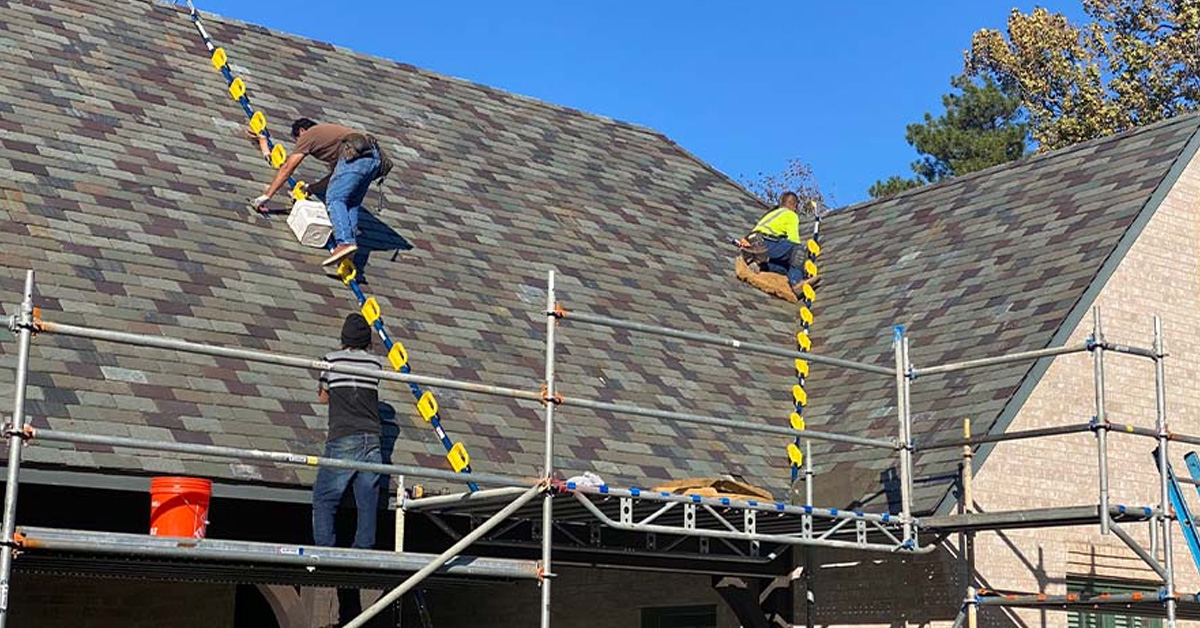
We take pride in our BBB A+ rating and our reputation for speed. In many cases, we can complete emergency storm repairs within 48 hours. We even use magnetic sweepers to ensure your yard is free of nails when we leave.
Conclusion: Protect Your Investment
Distinguishing between aging and storm damage is the key to protecting your home and your wallet. Accurate identification ensures you don’t miss out on valid insurance claims and helps you avoid the stress of unexpected leaks.
Stay proactive with annual inspections. By catching aging issues early and responding to storm damage immediately, you can extend the life of your roof and ensure your family stays safe. If you aren’t sure which category your roof falls into, give us a call.
Roof Aging and Storm Damage FAQs
How can I tell if my roof is aging or has storm damage?
Key Takeaway: Look at the pattern and timing. Aging shows up as even, widespread wear like curling or fading over many years. Storm damage appears suddenly in specific spots, often following a heavy wind or hail event. If you see missing shingles or new leaks after a storm, it is likely storm damage.
What should I do right after a storm?
First, do a ground-level visual check. Document any debris or missing shingles with photos. Check your attic for leaks. Do not climb on the roof yourself. Contact a professional like Pro-Tech Roofing for a free inspection to gather the evidence you need for an insurance claim.
How often should I get my roof inspected?
We recommend a professional inspection at least once a year, ideally in the spring or fall. You should also call for an inspection after any major weather event involving hail or high winds to catch “hidden” damage before it causes an interior leak.