(918) 250-7663

Taking care of your roof after storm repairs is critical to avoid future damage and costly fixes. Regular inspections, proper maintenance, and timely professional help can extend your roof’s lifespan and protect your home from leaks, mold, and structural issues.

Here’s what you need to know:

  • Inspection Frequency:
    • Asphalt shingles: Every 6–12 months.
    • Metal roofs: Once a year.
    • Tile/slate roofs: Annually.
    • Flat roofs: Every 3 months + after heavy rain.
    • Older roofs (15+ years): Twice a year, regardless of type.
  • Post-Storm Checks: Inspect your roof within a week of severe weather to catch hidden damage like loosened shingles or flashing issues.
  • Warning Signs: Look for missing shingles, water stains, mold, or musty odors in the attic. These can indicate leaks or structural problems.
  • Maintenance Tips:
    • Clean gutters twice a year.
    • Remove debris to prevent moisture buildup.
    • Check sealants around vents and chimneys every 6 months.
    • Trim overhanging branches to reduce roof damage risks.
  • When to Call a Professional: Visible damage, recurring leaks, or sagging rooflines often require expert help. Licensed roofers can also assist with insurance claims and ensure repairs meet safety standards.

Tulsa Weather Considerations: With frequent storms, inspections should be more frequent – ideally in spring, fall, and after major weather events. Severe hail, high winds, and temperature swings make quick action essential to prevent long-term damage.

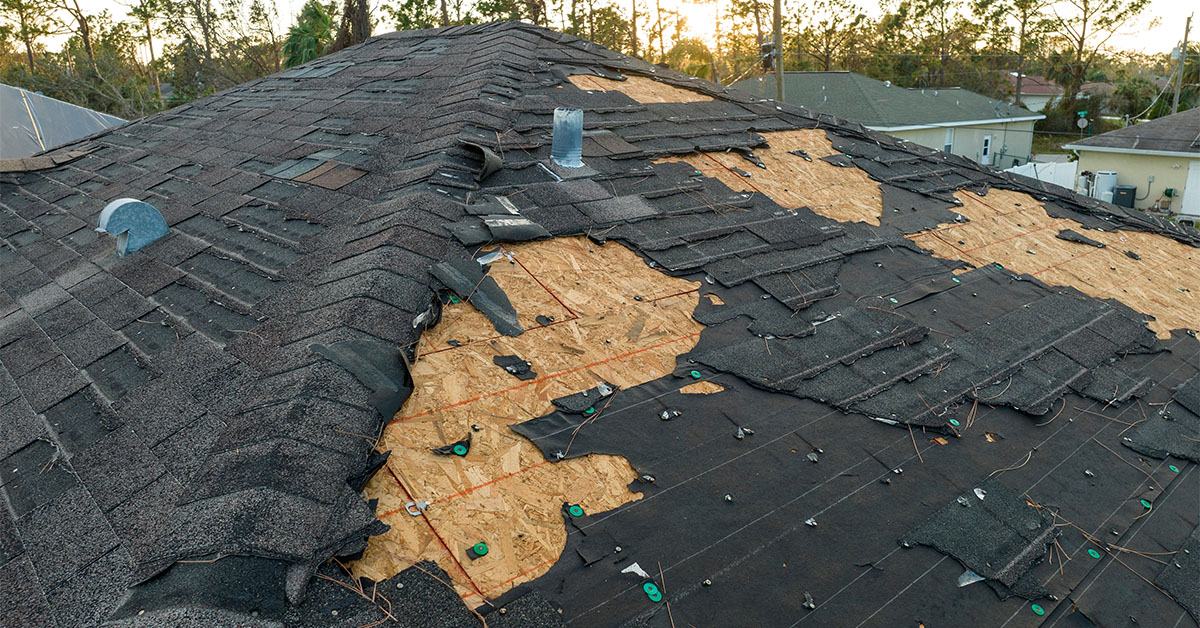
Roof Repair Asphalt Shingles – Hurricane Irma Storm Damage Assessment 1

How Often Should You Inspect Your Roof After Repairs?

How often you should inspect your roof depends on the material it’s made of and the weather conditions in your area. After storm-related repairs, regular checks can help you catch minor problems before they turn into expensive fixes. Below is a guide for inspection schedules based on roof type.

Inspection Schedules for Different Roof Types

  • Asphalt Shingle Roofs: Inspect every 6–12 months. These roofs are particularly prone to damage from wind and hail, which can loosen or displace shingles. Scheduling inspections in spring and fall helps you spot seasonal damage and prepare for upcoming weather changes.
  • Metal Roofs: While they’re generally more durable, metal roofs still benefit from an annual inspection. This ensures issues like rust, loose fasteners, or dents from hail are addressed promptly.
  • Tile and Slate Roofs: Check these annually, focusing on cracked or shifted tiles. Storms can cause subtle damage that might not be immediately obvious.
  • Flat Roofs: These require the most frequent attention. Inspect them every three months, and add extra checks after heavy rain to address potential drainage problems or water pooling, which can lead to structural damage.

Roof Type Inspection Frequency Focus Areas
Asphalt Shingles Every 6–12 months Missing shingles, granule loss, wind damage
Metal Annually Rust, loose fasteners, dents
Tile/Slate Annually Cracked or displaced tiles
Flat Roofs Every 3 months + after rain Drainage issues, water pooling

For roofs older than 15 years, inspections should happen twice a year, regardless of the material. In areas like Tulsa, where severe weather is common, these intervals should be adjusted to reflect the local climate.

Why Storm-Prone Areas Need More Frequent Inspections

In places like Tulsa, where storms bring high winds, hail, and heavy rain, roofs need even closer monitoring. Homeowners should aim for inspections at least twice a year – ideally in spring and fall – and after every major storm.

Even recently repaired roofs can suffer new damage in just weeks or months, making regular checks essential. Pro-Tech Roofing, a BBB A+ rated company in Tulsa, has observed that many customers require follow-up repairs after significant storms.

According to Pro-Tech Roofing:

After a storm, Tulsans can expect to get targeted by unqualified roofing contractors.

A representative from Pro-Tech Roofing also noted that some shingles displaced during storms were due to shortcuts taken by less experienced contractors, which highlights how poor-quality repairs can lead to ongoing issues.

To protect your roof investment, schedule a professional inspection within one week of a major storm. This can help uncover hidden problems like loosened flashing or drainage issues. For storm-heavy regions like Tulsa, increasing inspection frequency beyond standard recommendations is a smart move. It allows you to catch storm-related damage early, prevent leaks, and stay compliant with insurance requirements.

Warning Signs of Roof Problems After Repairs

Even after roof repairs, problems can crop up. Spotting these warning signs early can save you from more extensive – and expensive – issues down the road.

Visible Damage to Roofing Materials

Some roof problems are easy to spot. These include missing or damaged shingles, granule loss on asphalt shingles, water stains on ceilings or walls, mold or mildew growth, and damaged or loose flashing around chimneys, vents, skylights, or roof edges. For instance, missing shingles might indicate wind or hail damage, while granule loss leaves shingles vulnerable to UV rays and moisture. Loose or cracked flashing, often pulled away from its original position, can create openings for water to seep in. These visible signs often point to deeper problems that need professional evaluation.

A satisfied customer shared their experience:

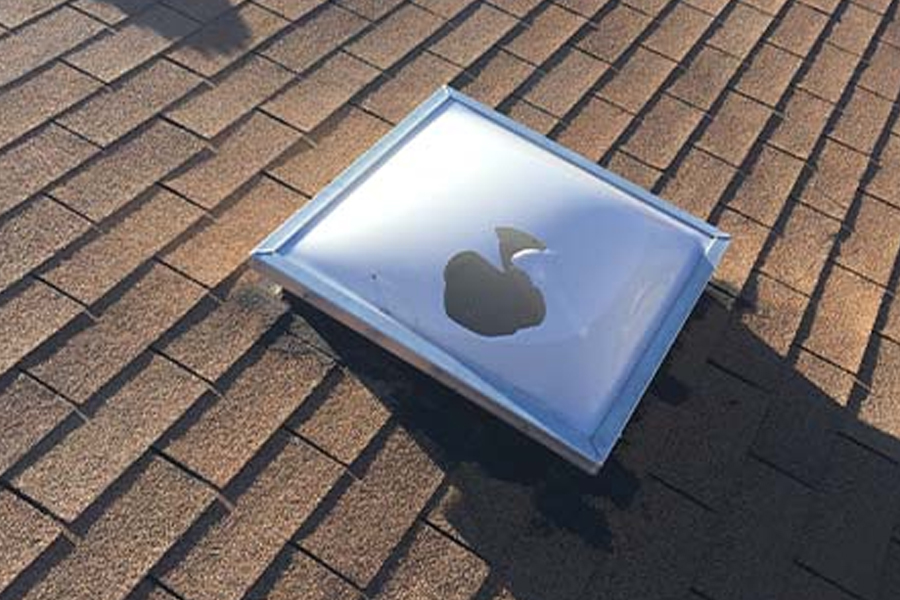
"Pro-Tech did an excellent job in reflashing my leaking skylight." – Rich J

Hidden Problems That Need Attention

Not all roof issues are out in the open. Bruised shingles, which show as slight indentations or soft spots, can signal weakened structural integrity. Hidden leaks are another concern – check your attic for damp insulation, water on rafters, or condensation on metal surfaces. A musty smell in the attic or upper floors could also indicate moisture intrusion. Signs like condensation on rafters or mold on wooden surfaces suggest that moisture is affecting the attic space. Identifying these hidden problems is crucial, especially when filing insurance claims.

To uncover concealed damage, many roofers now use advanced technology like drones and infrared cameras. These tools detect temperature changes that can reveal moisture buildup or structural issues.

Recording Roof Issues for Insurance and Warranty Claims

Catching roof damage early is important, but documenting it properly is just as critical. Good documentation strengthens your case for insurance or warranty claims. Take clear photos of all visible damage from multiple angles, including close-ups and wider shots that provide context. Record the date and time for each issue you discover, and keep a detailed log of how the damage progresses.

Save all repair invoices and inspection reports from contractors – these can show that you’ve maintained the roof properly. Additionally, track weather events (like wind speeds, hail size, or rainfall amounts) that could have caused the damage. Well-organized records make it much easier to file successful claims.

Maintenance Tasks to Extend Roof Life

Taking care of your roof regularly can significantly extend its lifespan and help you avoid costly repairs down the road. A properly maintained roof not only weathers the elements better but also performs more efficiently, especially after storm repairs.

Basic Roof Maintenance Checklist

Your roof thrives with consistent upkeep. Start by cleaning your gutters twice a year – once in spring and again in fall. This simple task prevents water from backing up and damaging your roof’s structure. Additionally, clear away debris regularly to avoid moisture buildup, which can lead to problems over time.

Every six months, inspect the sealant around vents, chimneys, and skylights. These areas are prone to leaks, so keeping them in good condition is key. If you spot moss or algae, remove it right away. In Tulsa’s climate, these can grow rapidly and cause damage. Cleaning your roof every 6–12 months and applying suitable treatments can help protect it, especially in damp conditions. Also, trim back any overhanging branches to reduce debris and limit shade, which can encourage unwanted organic growth.

Make sure to adjust these tasks to fit Tulsa’s seasonal weather patterns for the best results.

Seasonal and Post-Storm Maintenance Tasks

Tulsa’s unpredictable weather calls for extra attention to your roof during certain times of the year. In spring, inspect for damage caused by winter conditions. Look for signs such as cracked or loose shingles from freeze-thaw cycles, ice dam effects, and gutter issues caused by ice buildup. Clearing out winter debris from your gutters is essential to ensure proper drainage for spring rains.

In the fall, prepare your roof for winter by checking for loose shingles, clearing gutters before leaves pile up, and trimming branches that could become hazardous during storms. It’s also smart to inspect the flashing around vents and chimneys, as temperature shifts can cause the sealants to crack or shrink.

After any severe weather event – a common occurrence in Tulsa – conduct a visual inspection within a week. Look for missing shingles, hail dents, or displaced flashing. Don’t forget to check your attic for new water stains or signs of moisture. Document any damage with photos and detailed notes, which can be a big help when filing insurance claims.

Remember, different roof types need specific care. Flat roofs, for instance, should be checked every three months due to the risk of water pooling, while metal roofs require regular inspections for rust and loose fasteners, particularly after storms.

For tasks that go beyond basic maintenance, it’s wise to seek professional help.

When to Use Professional Maintenance Services

While routine care is essential, some challenges require the expertise of a professional. Pro-Tech Roofing offers specialized maintenance services tailored to different roof types and materials, making them a reliable choice when extra care is needed.

Professional services are especially important for roofs over 10 years old, those with storm damage, or roofs with complex designs. Licensed contractors like Pro-Tech Roofing can handle tasks such as reapplying sealant, repairing flashing, and conducting in-depth structural assessments safely and efficiently.

Advanced tools, like drones and infrared cameras, are often used by professionals to detect hidden issues that aren’t visible during regular inspections. If you notice unexpected spikes in your energy bills or detect musty odors in your attic, these could indicate hidden moisture problems that require professional evaluation.

How Weather Conditions Impact Roof Maintenance

Tulsa’s unpredictable weather brings challenges that can turn minor roof issues into costly repairs. Severe thunderstorms, hail, high winds, and temperature swings all take a toll on roofs, making tailored maintenance essential for homeowners. Understanding these weather effects is key to staying ahead of potential damage.

Hail damage is among the most destructive forces a roof can face. Even small hailstones can dent or crack asphalt shingles and strip away protective granules. Larger hailstones may puncture roofing materials entirely, creating hidden vulnerabilities where water can seep in, ultimately shortening the roof’s lifespan.

High winds are another common culprit, especially during Tulsa’s frequent thunderstorms. Strong gusts can lift, loosen, or even tear away shingles, leaving the underlayment exposed and vulnerable to water intrusion.

"When shingles were displaced from my roof in a recent storm, they were able to work me into their busy schedule to replace them." – Brian Dawes

Heavy rainfall can quickly exploit even the smallest weaknesses in a roofing system. A minor crack or a loose shingle can lead to significant leaks during intense downpours, causing water damage inside the home.

Temperature fluctuations between Tulsa’s scorching summers and freezing winters also take a toll. Roofing materials expand and contract with these changes, leading to cracks, warping, and sealant failure around vents, chimneys, and other penetrations. Winter’s freeze-thaw cycles can worsen existing damage, making timely inspections critical.

For instance, in May 2025, Gulie Ery reported replacing her roof and wind turbine after high winds and hail caused significant damage. This upgrade not only restored her home’s integrity but also resulted in a $600 annual reduction in home insurance costs.

Adjusting Roof Care for Tulsa‘s Climate

Given these weather challenges, Tulsa homeowners need to adapt their roof maintenance routines to the local climate. While twice-yearly inspections may suffice in milder areas, Tulsa’s conditions call for more frequent checks, especially after severe weather events.

Spring inspections are crucial after winter’s freeze-thaw cycles and before storm season kicks off. Addressing damage from ice, snow, and winter winds early can prevent bigger problems during spring and summer storms.

Post-storm inspections should be conducted promptly – ideally within 24–48 hours after severe weather. Quick action not only helps with insurance claims but also prevents small issues from turning into major repairs.

Fall preparations are equally important. Beyond routine tasks like cleaning gutters and checking shingles, ensure that flashing around roof penetrations is secure and sealants are intact. This helps protect against damage from seasonal temperature changes.

Ventilation is another critical factor in roof health. Poor ventilation can lead to moisture buildup and temperature swings that weaken roofing materials. Local homeowners have noted that inadequate ventilation often results in premature roof damage and the need for early replacement.

For roofs older than 15 years, professional inspections should happen more frequently. Older roofs are less resilient to weather stress and may have hidden damage that only trained professionals can detect. Advanced tools like drones and infrared cameras can help uncover these issues.

Pro-Tech Roofing has extensive experience dealing with Tulsa’s unique weather challenges. Their deep understanding of local climate patterns and storm damage makes them a go-to resource for maintenance advice. They tailor schedules and material recommendations to meet the specific needs of the region, ensuring roofs are prepared to withstand Tulsa’s unpredictable weather.

When to Call a Professional Roofing Contractor

Bringing in a professional at the right time can save you money and prevent further damage. Complex roofing issues often need the expertise of licensed contractors who can accurately assess and resolve the situation.

Signs That Require Professional Assessment

Certain signs make it clear that you need to call in the pros. Major storm damage is one of the most obvious. If you notice missing or broken shingles, visible holes or punctures, or a sagging roofline, these aren’t problems you can fix with a quick DIY solution. Recurring leaks, water stains, or granule loss – especially after hailstorms – are also red flags. For commercial buildings, issues like pooling water on flat roofs or damaged flashing around vents and chimneys should be addressed immediately.

Structural problems, such as warped decking or spots where you can see daylight through the roof, are urgent concerns. These could signal underlying issues like poor-quality past repairs or more extensive damage waiting to get worse.

Other serious indicators include electrical hazards or mold growth, which require professional handling to ensure safety. If your roof is under warranty or you’re filing an insurance claim, having a licensed expert document the damage and perform repairs is essential to maintain coverage. These situations call for a professional evaluation to manage the repair process properly.

Benefits of Hiring Licensed and Certified Roofers

When significant damage is identified, turning to licensed and insured roofers is the smart move. Professionals like Pro-Tech Roofing not only offer extended warranties but also provide thorough documentation that simplifies insurance claims. They use specialized tools to uncover both visible and hidden damage, ensuring all repairs meet local building codes and industry standards.

Take Gulie Ery’s experience as an example. After her roof and surrounding structures were damaged by high winds and hail, Pro-Tech Roofing stepped in. They handled the repairs efficiently while guiding her through the insurance claims process, making what could have been a stressful ordeal much smoother.

What Happens During Professional Inspection and Repair

A professional inspection goes beyond routine checkups to catch hidden damage that might otherwise go unnoticed. Using specialized tools, roofers can detect moisture, weak spots, and concealed leaks. Many modern roofing companies even use drones and advanced technology to assess storm damage safely and accurately.

The repair process starts with a thorough damage assessment. Temporary emergency fixes, like tarping, are often done first to prevent further water intrusion. After that, a detailed repair plan and estimate are created, with the roofer working closely with insurance adjusters to provide all necessary documentation. This includes detailed reports and photos to support your claim.

Once repairs are completed, a final inspection ensures the roof is watertight and fully restored. Acting promptly can uncover hidden issues like water intrusion or compromised decking, which might otherwise lead to mold growth or structural rot – problems that could result in costly repairs down the line.

Conclusion: Protecting Your Roof and Property Investment

Your roof is one of your home’s most important assets, and taking care of it after a storm is essential to protecting both your property and your finances. A solid maintenance routine – like scheduling inspections twice a year in spring and fall, plus immediate checks after severe weather – can help you catch problems before they spiral out of control.

Regular inspections are key to avoiding costly repairs. Storm damage often hides in plain sight – small punctures, lifted shingles, or moisture intrusion might not seem like a big deal at first, but they can lead to mold, damaged insulation, or even structural issues if left unchecked. Addressing these problems within 24–48 hours after a storm is critical, especially since insurance companies usually require timely documentation for claims.

Preventive care isn’t just about avoiding headaches; it also saves money in the long run. Simple steps like clearing out gutters, replacing damaged shingles, and fixing minor issues right away can add years to your roof’s life. Plus, a well-maintained roof keeps your home looking great and helps maintain its market value. For the best results, professional expertise makes all the difference.

Working with licensed professionals like Pro-Tech Roofing ensures thorough inspections, high-quality repairs, and proper documentation. Keeping detailed records – photos, videos, and notes – can also help with warranty compliance and insurance claims, giving you peace of mind.

In a place like Tulsa, where severe weather is a regular challenge, staying proactive is essential. With the right care and trusted professionals by your side, you can protect your home and your investment for years to come.

FAQs

How can I spot hidden roof damage after a storm, and what steps should I take?

Hidden roof damage after a storm is easy to miss, but there are some telltale signs you can watch for. Inside your home, keep an eye out for water stains on ceilings or walls, peeling paint, or any new leaks. Outside, take a closer look at your roof for missing or damaged shingles, dents in metal roofing, or debris clogging up your gutters. Spotting any of these issues might mean there’s more going on beneath the surface.

The best way to handle potential hidden damage is by arranging a professional roof inspection. Experts have the right tools and knowledge to uncover problems that might not be obvious. For instance, Pro-Tech Roofing provides detailed inspections and can suggest repairs to ensure your roof stays in great shape.

What roof maintenance tasks should I focus on after storm repairs in a storm-prone area like Tulsa?

To keep your roof in good condition after storm repairs, regular upkeep is essential – especially in a storm-heavy area like Tulsa. Start by arranging seasonal inspections, ideally twice a year and immediately following any major storms. These inspections help spot issues early, such as loose or missing shingles, damaged flashing, or debris buildup that might block drainage.

Make it a habit to clean your gutters regularly. Clogged gutters can lead to water pooling on your roof, which increases the risk of leaks or structural damage. Also, trim back nearby trees to prevent branches from scraping against the roof or falling during storms. If you’re uncertain about your roof’s condition, a professional inspection can provide peace of mind and ensure your roof is ready to handle harsh weather.

For professional assistance, Pro-Tech Roofing offers thorough roof inspections, repairs, and maintenance services designed specifically for Tulsa’s storm-prone environment. Their experienced team can help address any concerns and keep your roof in great shape for years to come.

Why should I document roof damage and maintenance, and how does it impact insurance claims?

Documenting roof damage and maintenance plays a key role in safeguarding your property and simplifying the insurance claims process. Keeping detailed records – like photos, repair receipts, and inspection reports – serves as clear evidence of your roof’s condition both before and after any storm. This evidence can be crucial in validating your claim and speeding up the approval process.

Insurance providers often require proof that you’ve properly maintained your roof to approve coverage. By maintaining thorough documentation, you show that you’ve taken the necessary steps to care for your roof, which can help reduce the chances of claim denials or disputes. This small effort can save you time, money, and unnecessary stress down the road.

Related Blog Posts

Pin It on Pinterest

Shares
Share This