
Maintaining your roof year-round is the most effective way to save thousands in emergency repairs and maximize your home’s lifespan. Every season introduces unique environmental stressors – from spring hailstorms and blistering summer heat to autumn debris and winter ice dams. This guide provides a definitive seasonal checklist to help you identify vulnerabilities early, keeping your family safe and your budget intact.
Note: This post was originally published in September 2025 and has been fully updated in 2026.
Key takeaways:
- Spring: Focus on a post-winter recovery audit. Inspect for shingle damage, clean your gutters, and verify there are no active leaks before storm season hits.
- Summer: High UV index and heat are the enemies. Check for shingle “blistering,” ensure attic ventilation is cooling the home, and remove any pest nests.
- Fall: Preparation is vital. Clear all organic debris from gutters and inspect flashing to ensure your home is sealed for the coming freeze.
- Winter: Manage the weight of snow safely. Monitor for ice dams and keep an eye on interior ceilings for signs of condensation or storm-related moisture.
We recommend reaching out to a professional roofing service if any part of this checklist feels beyond your comfort level. Proactive professional care is a small investment that protects your largest asset.
Roof Maintenance: The 2026 Preventative Strategy
Essential Tools and Safety Gear for Homeowners
Having the right equipment is the difference between a successful DIY inspection and a dangerous accident. Most maintenance tasks only require a few affordable tools available at any local hardware store.
The Inspection Toolkit
A sturdy extension ladder is your primary requirement. We suggest using a ladder that extends at least three feet beyond the roof’s edge. Ensure it is rated for your weight plus your tools.
Set it at a 75-degree angle: place the base 1 foot out for every 4 feet of height.
Binoculars are your best friend for safety. You can spot 90% of missing shingles or clogged valleys from the safety of the ground.
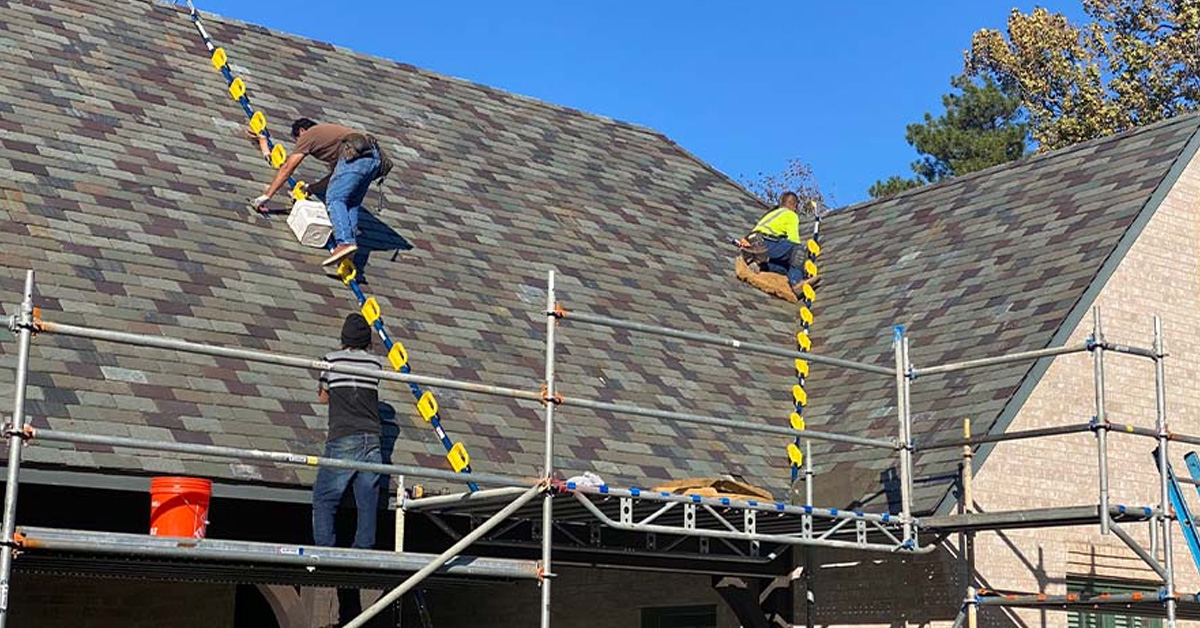
If you must transition to the roof, we recommend a headlamp for attic checks, a smartphone for documenting damage, and work gloves. For gutters, a dedicated scoop and a hose with a high-pressure nozzle are standard.
An extendable roof rake is the modern standard for clearing debris or snow without ever leaving the ground.
Keep a small “patch kit” ready. This should include a hammer, utility knife, caulk gun, and high-grade roofing cement. Matching replacement shingles are also helpful for quick fixes.
Safety First: Managing the Risks
Roofing remains one of the most hazardous home maintenance tasks. Statistics show that hundreds of fatal falls occur annually in the U.S. construction sector. For an untrained homeowner, the risks are magnified.
Always wear non-slip, rubber-soled shoes for maximum traction. Never attempt to walk on your roof during wet, icy, or high-wind conditions. If your roof has a steep pitch – anything over a 6:12 slope – we strongly advise staying off the surface entirely.

If a task feels even slightly dangerous, contact a professional. Complex issues like structural sagging, flashing failures, or storm damage require expert intervention.
Materials like clay tile, metal, or flat TPO roofs require specialized walking techniques and tools. Improper DIY attempts on these surfaces can void your manufacturer warranty or complicate your insurance claims.
Spring: The Post-Winter Recovery Audit
Spring is our time to evaluate how your roof survived the winter freeze. Fluctuating temperatures can expand small cracks into major leaks. A thorough inspection combined with proper cleaning keeps your roof in top shape as the warmer months approach.
Checking for Winter Wear
Start with a visual scan for missing or loose shingles. The freeze-thaw cycle often weakens the adhesive strips that keep shingles bonded. Look for “curling” edges or areas where the protective granules have washed away.
Check the metal flashing around your chimney, vents, and skylights. If you see gaps, rust, or cracked caulking, these are your primary leak candidates.
Go into your attic during a rainy day. Use a flashlight to search for water stains on the rafters. Darker stains indicate active leaks, while faded stains suggest historical issues that may still need reinforcement.
Gutter Hygiene and Drainage
Winter storms often leave behind a slurry of twigs and sediment. Clogged gutters lead to water backing up under your shingles or pooling near your foundation.
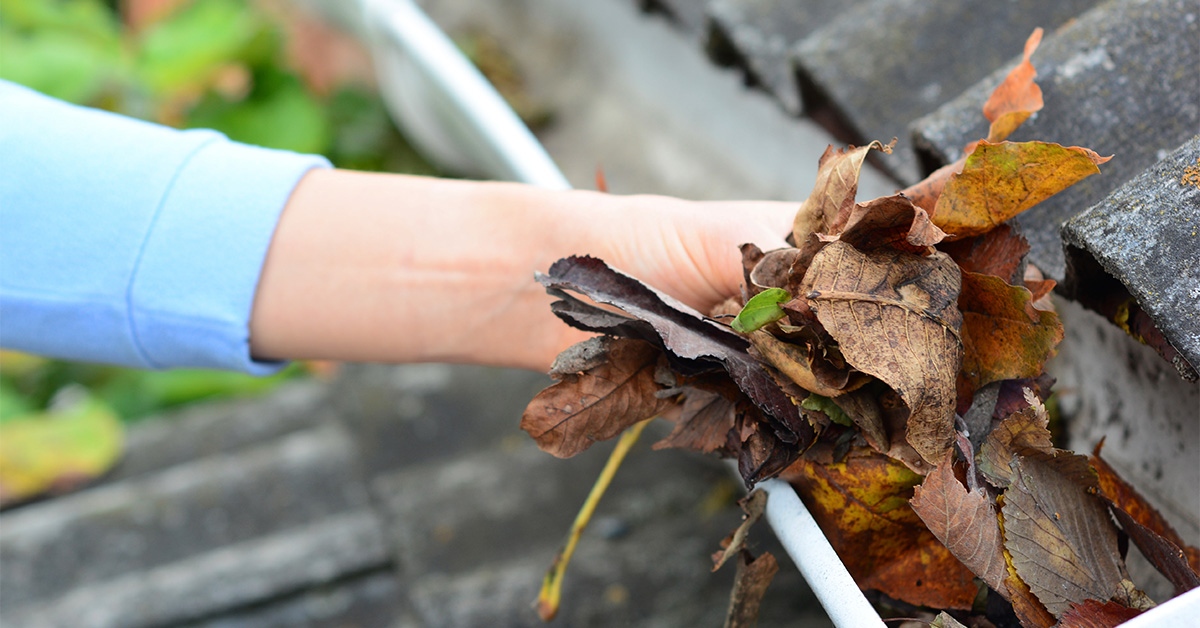
Use your gutter scoop to clear the channels, starting at the downspouts. After manual cleaning, flush the system with a garden hose. This helps you identify sagging sections where water might be “standing” instead of draining.
Ensure your downspouts discharge water at least six feet away from the foundation. In 2026, we see more foundation issues caused by poor roof drainage than almost any other factor.
Mitigating Organic Growth
Warmer spring moisture creates a breeding ground for moss, algae, and mold. These growths are more than an eyesore; they can cause lasting structural damage.
Algae appears as dark streaks. While largely cosmetic, it traps heat. Moss is the real threat; it lifts shingles and holds moisture against the roof deck. Use a soft-bristle brush to gently remove moss, always brushing downward to avoid lifting shingles.
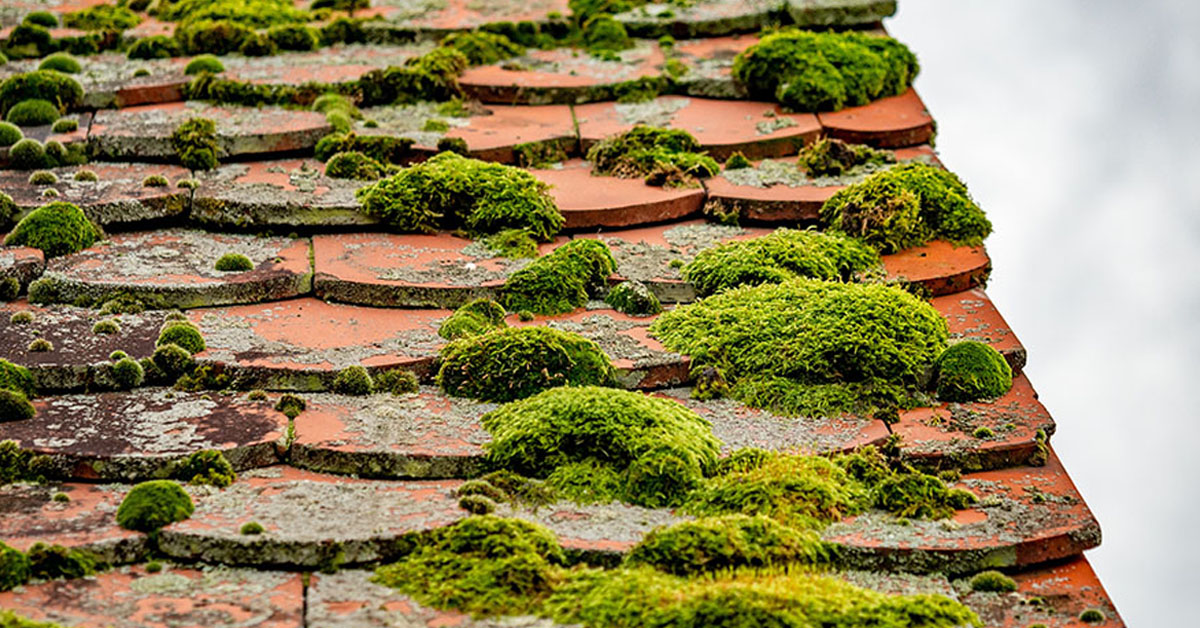
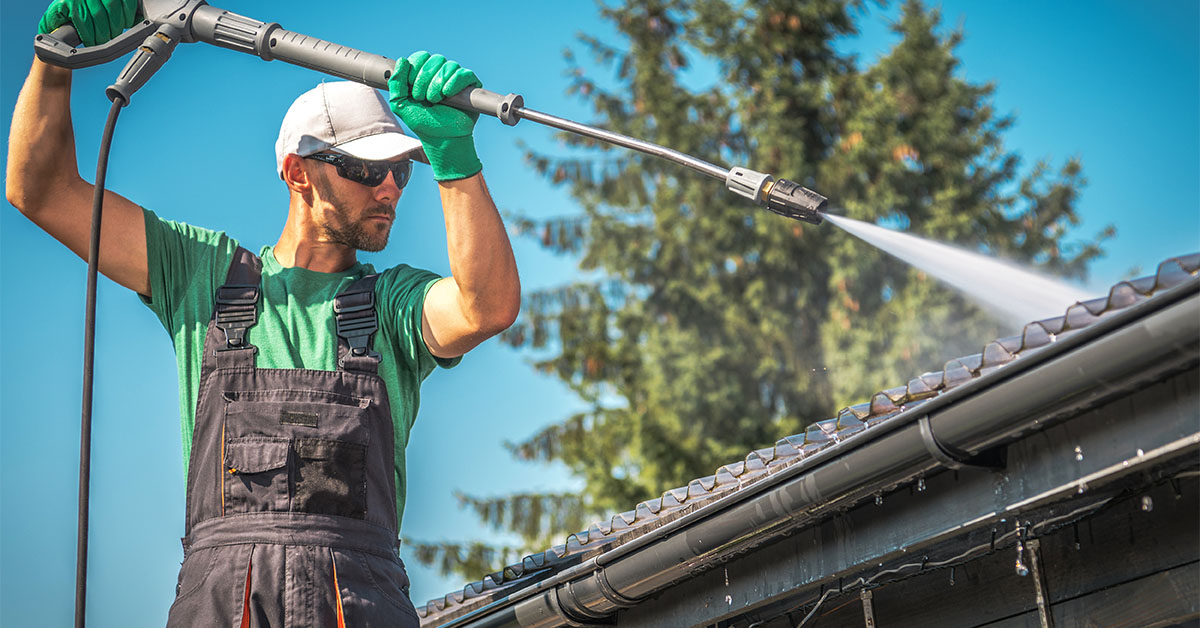
Apply a solution of one part bleach to three parts water on a cloudy day, let it sit for 20 minutes, and rinse with a low-pressure garden hose. **Never use a pressure washer** on asphalt shingles, as it will strip the granules and ruin the roof.
Summer: Combatting UV Exposure and Heat
The Oklahoma summer sun can push shingle temperatures above 150°F. This heat accelerates the aging of the petroleum products within your roof. Addressing these concerns early helps manage energy bills and avoid expensive repairs.
Identifying Sun Damage
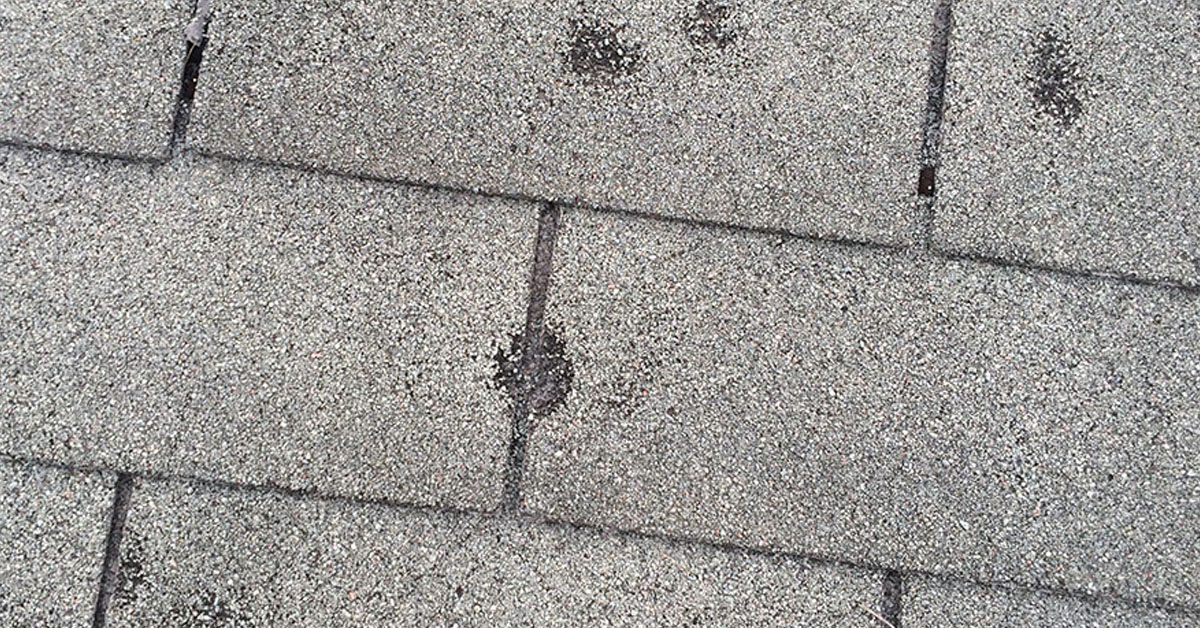
Look for “blistering” (small bubbles on the shingle surface) or “cupping.” These are signs that the shingles are literally baking. As shingles lose their flexibility, they become brittle and can crack during the next high-wind event.
The Importance of Ventilation
Proper ventilation is what keeps your roof alive. Your attic should ideally stay within 10-15°F of the outdoor temperature.
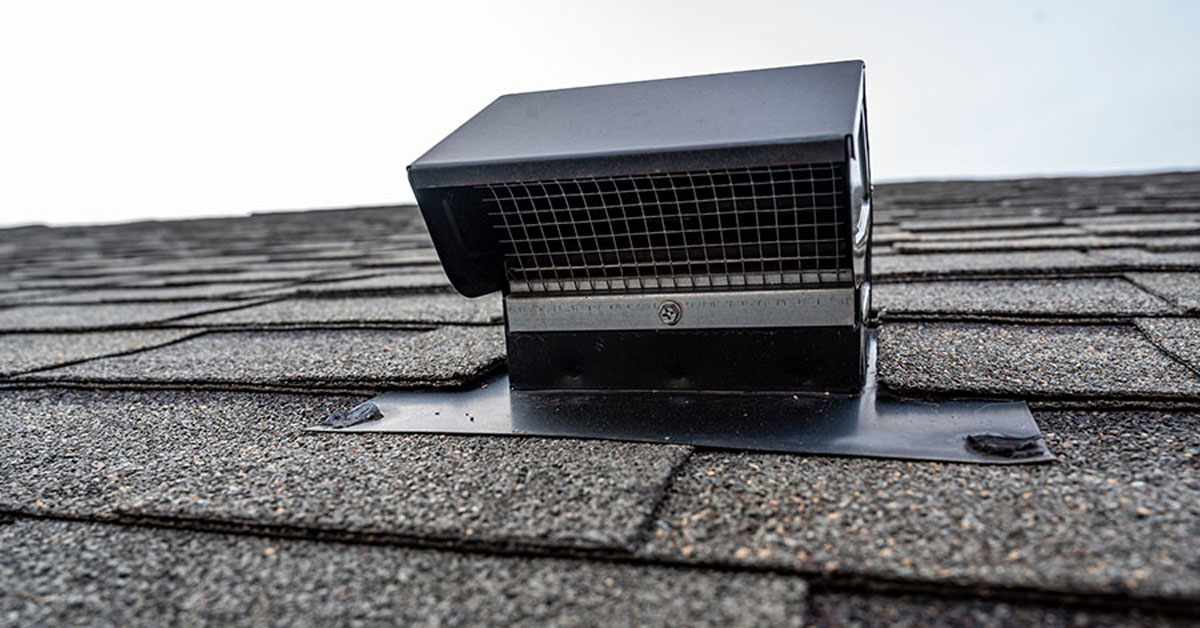
Check your ridge and soffit vents for blockages. Dust, old insulation, or bird nests can choke off airflow. If you have powered exhaust fans, listen for grinding noises that indicate a failing motor. In 2026, we recommend a ratio of one square foot of ventilation for every 150 square feet of attic space for optimal energy efficiency.
Managing Summer Pests
Birds, squirrels, and wasps love the height and warmth of your roof. They cause damage, create health risks, and can even pose fire hazards with nesting materials.
- Birds: Their nests in gutters or vents are major fire hazards.
- Squirrels: They can chew through fascia boards in minutes. Check for chew marks or enlarged gaps.
- Wasps: Check eaves and corners. Remove small nests in the evening when they are less active.
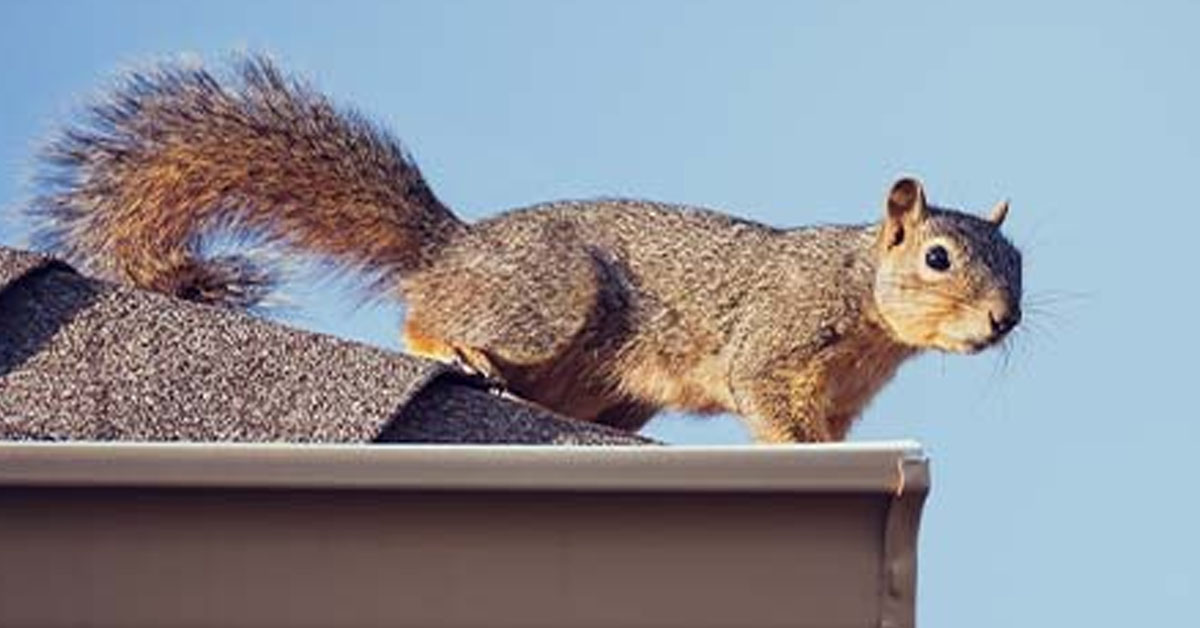
Trim all tree branches back at least six feet from the roofline. This removes the “highway” pests use to access your home and prevents branches from scraping your shingles during summer storms.
Fall: Preparing for the Freeze
Autumn is your final window to winterize your roof. Focusing on drainage and the exterior seal keeps your home safe during the colder months.
The Final Gutter Sweep
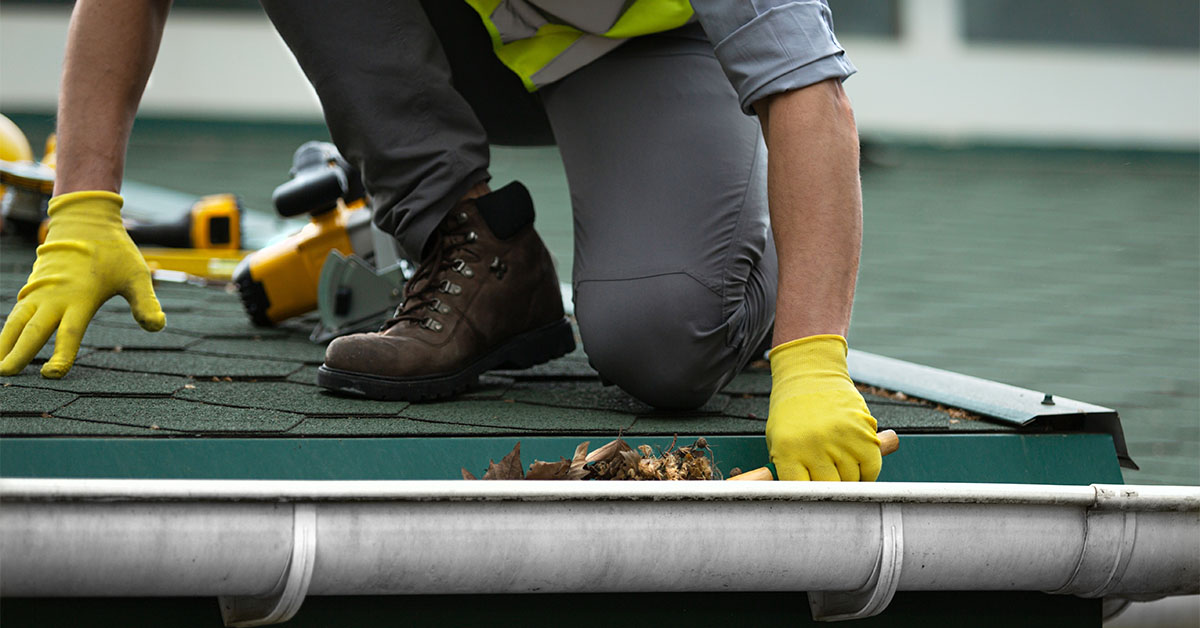
Clear out all fallen leaves. If they remain in the gutters during the first freeze, they will turn into an ice block that can rip the gutters right off your house. Check for rust or separated joints and patch them now. Consider installing downspout strainers to minimize future clogs.
Pre-Winter Shingle Audit
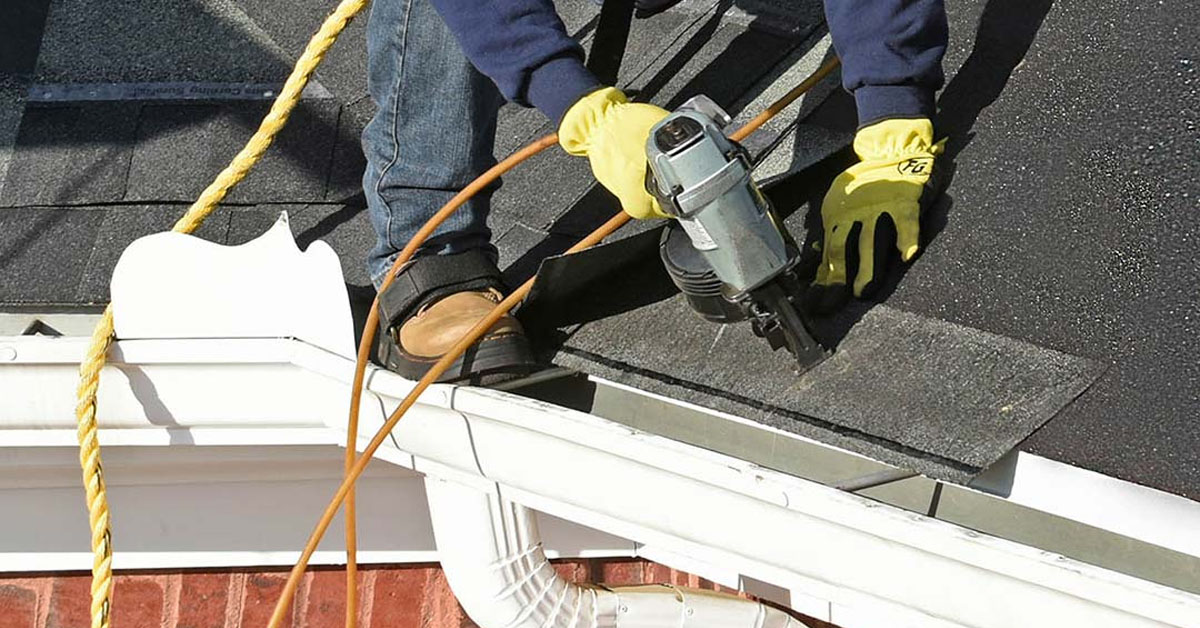
Use your binoculars to scan for any shingles that were loosened by summer storms. Secure them with a dab of roofing cement. This simple 10-minute task prevents a minor issue from becoming a major leak when snow starts to melt. Addressing attic moisture spots now can save you from mold growth in winter.
Sealants and Flashing
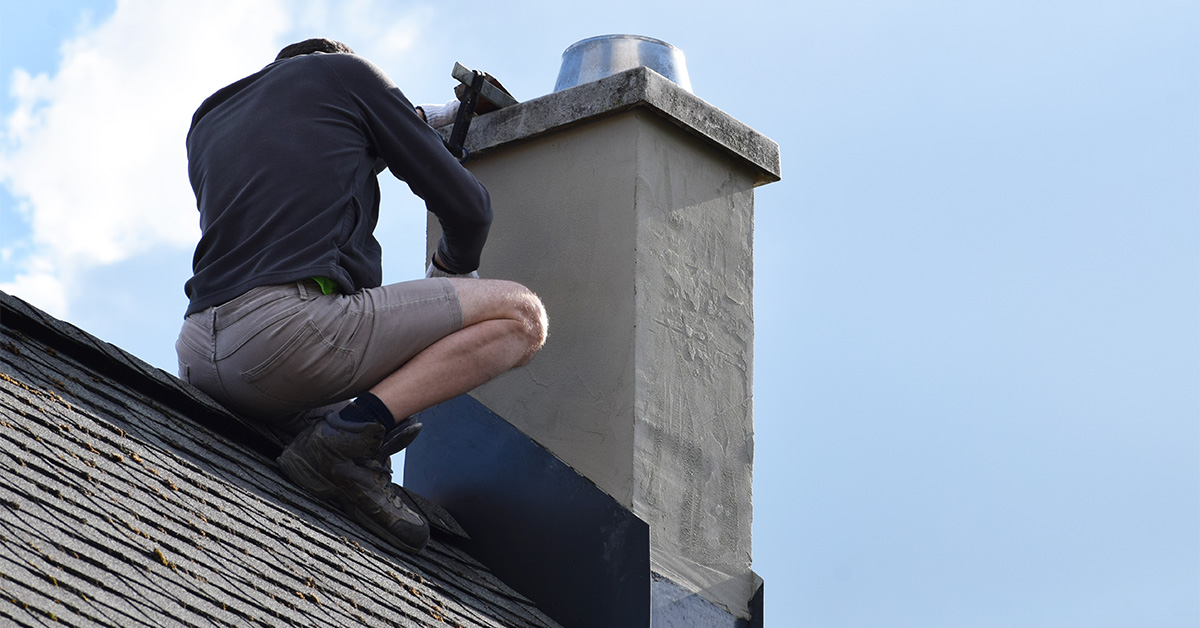
Check the rubber “boots” around your plumbing vents. In our experience, these are the most common points of failure on Oklahoma roofs. Over time, rubber boots can crack or shrink. If the rubber is dry-rotted, replace the boot immediately.
Winter: Managing Weight and Ice
Winter maintenance is primarily about observation and safety. Since slippery conditions increase accident risks, many tasks are best handled from the safety of the ground.
Snow Removal Strategy
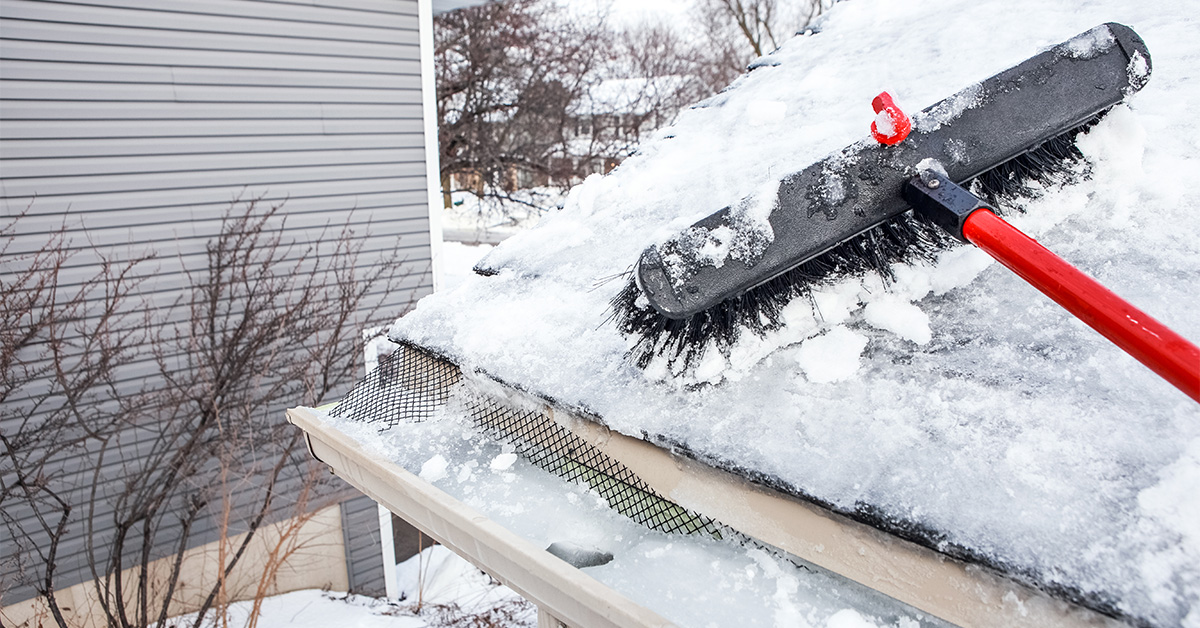
Heavy snow creates immense structural strain. Use your roof rake to clear the bottom few feet of the roof. This allows melting snow to drain rather than hitting a “wall” of ice at the eaves. Never climb onto a snow-covered roof; the risk of a fall is too high. If you notice sagging gutters, remove accessible snow buildup immediately.
Ice Dam Prevention
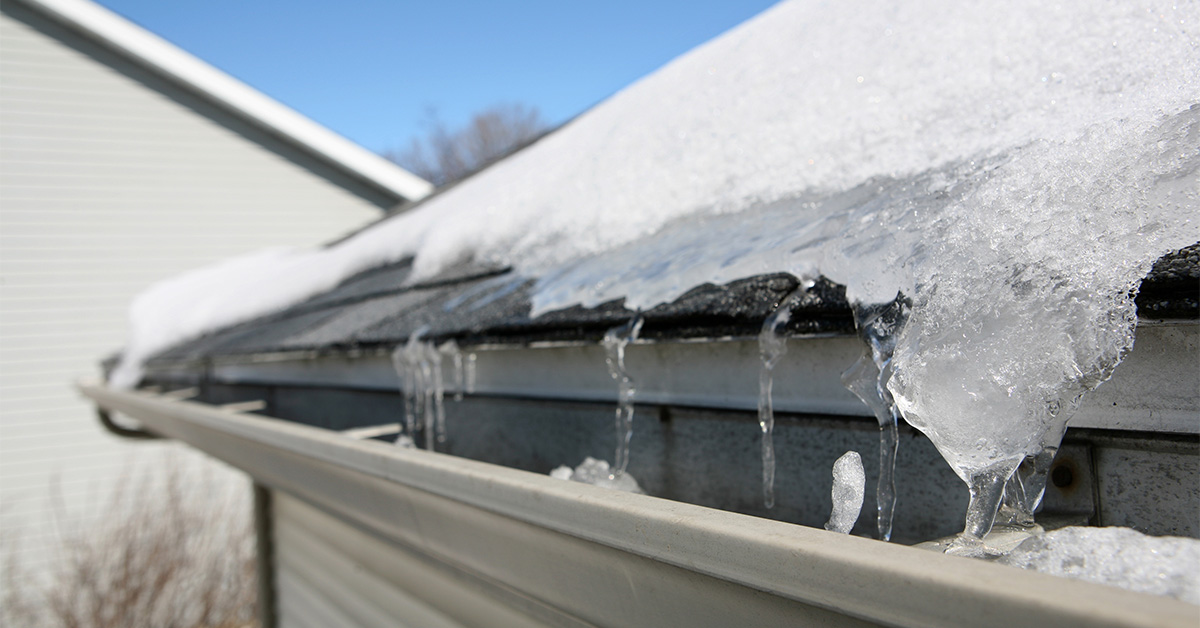
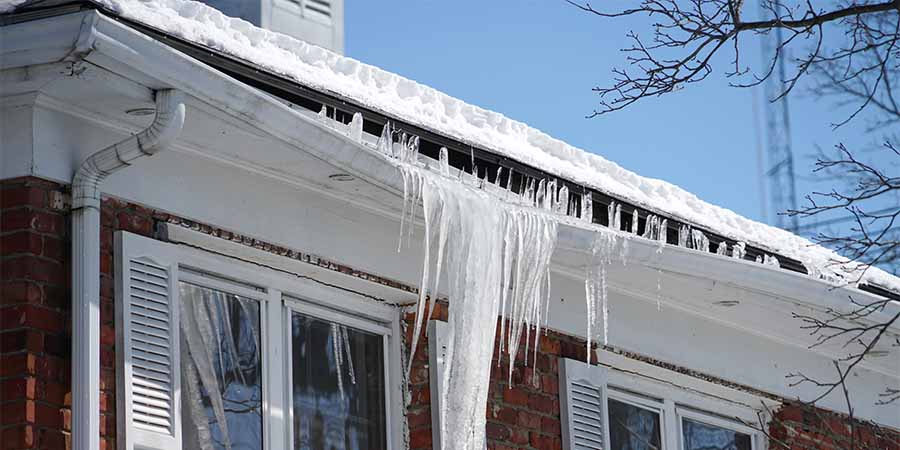
Ice dams occur when heat escapes your attic, melts the snow, and then that water refreezes at the cold eaves. This creates a dam that forces water up under your shingles. In 2026, we recommend ensuring your attic has an R-value of at least R-38 to prevent this heat loss. Check for frost on the roof deck, which signals air leaks or poor ventilation.
Post-Storm Damage Assessment
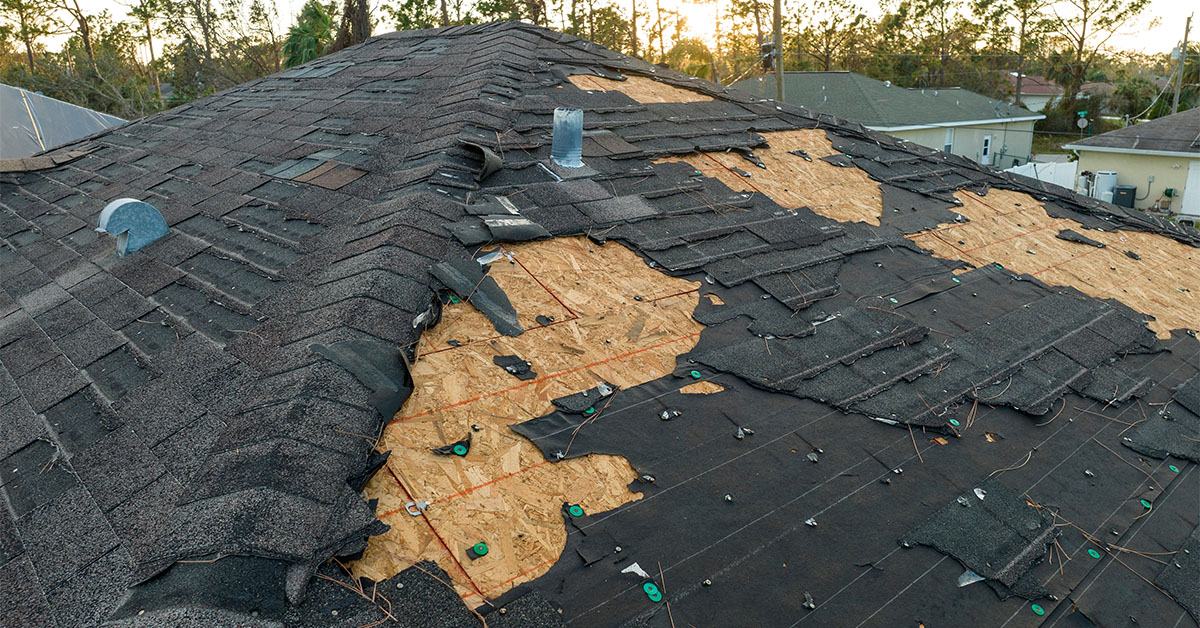
Assess your roof for storm-related damage once the weather clears. Look for missing shingles or exposed roof decking. Inside your home, inspect the attic for water stains or daylight peeking through gaps. Take photos of any damage for insurance purposes, but always prioritize safety.
When to Call a Professional: Pro-Tech Roofing
While DIY checks are great, certain signs mean you need a professional immediately. Recognizing the signs of serious trouble can prevent injuries and save money in the long run.
Signs You Need Professional Help
- Visible Sagging: This is a structural emergency. It often indicates compromised integrity after heavy snow.
- Active Interior Leaks: If water is inside, the damage is already spreading to walls and ceilings.
- Storm Damage: Missing large sections of shingles or tree impact.
- Persistent Problems: Recurring ice dams or mold that DIY cleaning won’t solve.

Our Professional Roofing Services
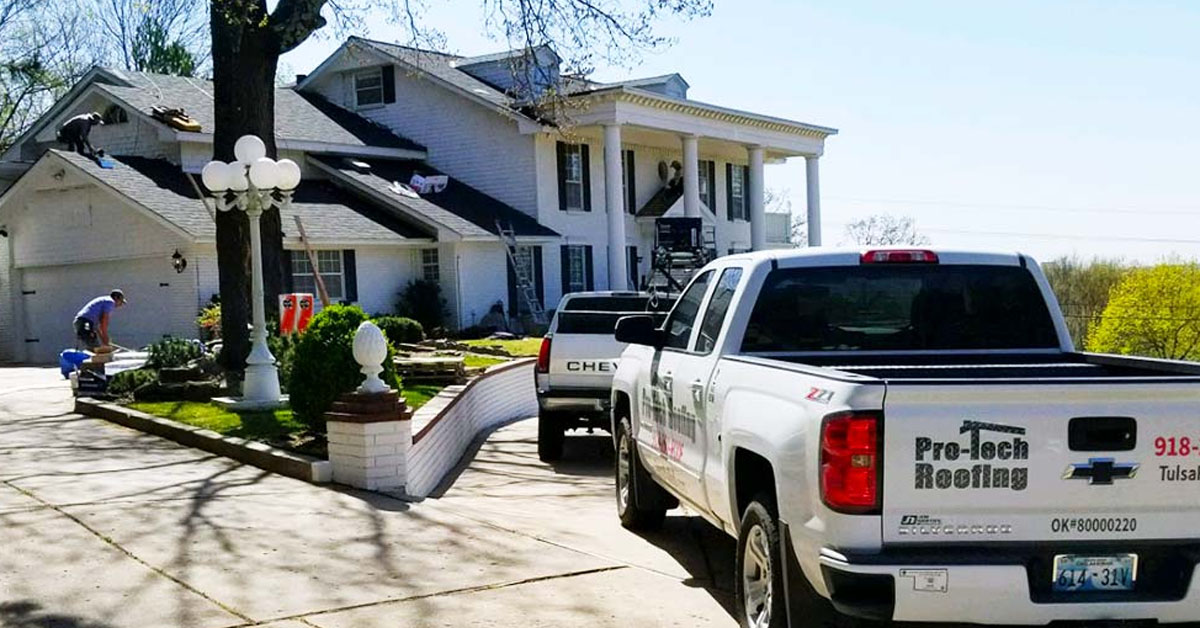
Pro-Tech Roofing provides **free roof inspections** for Tulsa homeowners. Our team is certified by GAF and Owens Corning, ensuring your repairs meet the highest standards for 2026.
For residential properties, we handle everything from minor repairs to historic home restorations. Our commercial roofing services include flat roof maintenance and professional-grade elastomeric coatings that extend the lifespan of metal roofs.
We also assist you with **insurance claims**, guiding you through the documentation process to ensure your storm damage assessment is thorough. With our deep knowledge of Oklahoma weather patterns, we are the trusted choice for local roof health.
Conclusion: Your Roof’s Long-Term Health
Consistency is your most powerful tool. By spending a few hours each season on these checklists, you ensure your roof remains a reliable shield for your family. Don’t wait for a leak to realize your roof needs attention. Start your next seasonal checklist today – you will be glad you did.
FAQs
What are the signs of winter roof damage?
Look for missing or warped shingles, sagging spots, or large icicles (ice dams) along the edges. Inside, check your attic for damp insulation or water stains on the rafters. Catching these issues early prevents expensive structural failure.
How does poor ventilation impact my home?
Signs include excessive attic heat, musty smells, and curling shingles. Poor airflow drives up energy costs and can lead to mold growth, which impacts your family’s health and structural integrity.
How do I prevent ice dams?
Clear snow from the edges with a roof rake and ensure your attic is properly insulated (R-38 is ideal for 2026 standards). If you see water entering your home or have persistent ice buildup, call a professional immediately.