
A slate or tile roof in Tulsa can swing from a small repair to a $10,000 to $35,000+ rebuild fast. Our main takeaway is simple: restore when damage is limited and the roof frame is sound, replace when leaks, failed fasteners, bad underlayment, or deck damage show up across large areas. You also need to check historic district rules, roof layer limits, and possible asbestos before any tear-off.

| Quick Summary | What We Need to Know |
|---|---|
| Best case | A few broken slates or tiles, isolated leaks, sound deck |
| Replace instead | Many leaks, spread-out damage, sagging deck, two roof layers |
| Tile warning sign | Tiles may last 40 to 60 years, underlayment often only 25 to 30 years |
| Weight issue | Tile can weigh 700 to 1,000 lbs. per 100 sq. ft. |
| Cost range | Minor repairs often run $250 to $600, full slate replacement often runs $10,000 to $30,000+ |
If you own a home in Maple Ridge, Swan Lake, or Brady Heights, we need to look at more than the roof surface.
Here’s the short version:
- Restore if damage is limited to a small area
- Replace if problems show up across the roof
- Check district rules first before changing materials
- Plan for tear-off if there are already two roof layers
- Test for asbestos if the home dates from 1930 to 1955
For slate roofs, we usually look at cracked pieces, slipped pieces, flashing joints, and deck condition. A few failed spots often mean repair. But if fasteners are failing across whole sections, patching one piece at a time usually will not solve the problem.
For tile roofs, the surface can still look fine while the roof below it is worn out. That happens because clay and concrete tile often outlast the underlayment by 10 to 30 years. In many cases, a lift-and-reset makes more sense than throwing away sound tile.
The key point: the right choice depends on the spread of damage, not just whether you see one leak.
You should also expect historic homes in Tulsa to bring extra steps:
- approval paperwork
- material matching
- copper flashing work
- deck checks after tear-off
- heavier labor on steep roof lines
If you are trying to decide what to do next, we would start with a close inspection, photos of each roof area, and a check of the deck, flashing, layers, and permit needs. That gives us a clear answer before you commit to a repair bill or a full replacement.
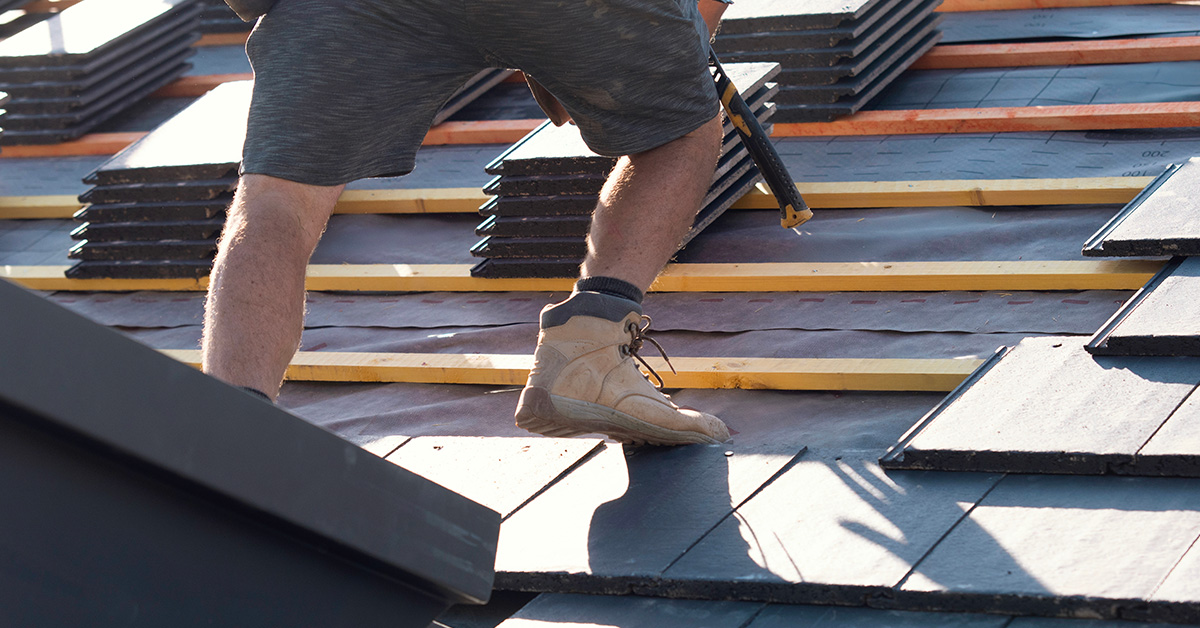
SLATE RE-ROOF: FROM START TO FINISH
sbb-itb-66ccccd
Slate Roof Restoration vs. Replacement: How Pro-Tech Roofing Assesses the Difference
At Pro-Tech Roofing, every slate roof check starts the same way: with a photo-documented walkthrough of each elevation. We’re looking for slipped slates, failing fasteners, and original copper details before we suggest a repair or a full replacement.
When Slate Restoration Is the Right Call
Restoration makes sense when the damage is limited and the roof structure is still sound. If there are only a few cracked or missing slates, a couple of slipped pieces, or a flashing joint that has opened up, we can often fix those trouble spots without tearing off the whole roof.
That usually means work like:
- selective slate and tile replacement
- Refastening slipped slates
- Spot underlayment repairs
On many Tulsa homes built between the 1920s and 1950s, the original decking is still in usable shape. And matching the original color and profile matters a lot, especially in places like Maple Ridge and Swan Lake.
Once the damage moves past a few isolated areas, though, the job shifts from restoration to full replacement.
When Slate Replacement Cannot Be Avoided
Full replacement is needed when slate wear is spread across the roof, leaks show up in more than one area, fasteners are failing across large sections, or the decking is rotted or sagging. If water is getting in at several points, patching one slate at a time won’t fix the root issue.
If the roof already has two layers, the existing roof must come off for inspection. In that situation, the focus is rebuilding the roof the right way while keeping the home’s historic look in place.
At that stage, one thing matters fast: whether the contractor can do preservation-grade slate work.

Why Slate Work Requires a Specialist Contractor
Most Tulsa roofers don’t handle slate preservation work. This kind of job calls for slower, more careful tear-off methods so old plaster ceilings aren’t damaged. It also takes metalwork skill to fabricate custom copper chimney saddles and dormer crickets.
Historic slate repairs are best handled by a contractor with direct experience in preservation-driven roof repairs. For contractor guidance, see the Tulsa roofing company page.
Tile roofs bring up the same restoration-versus-replacement choice, but the failure patterns and matching issues are different.
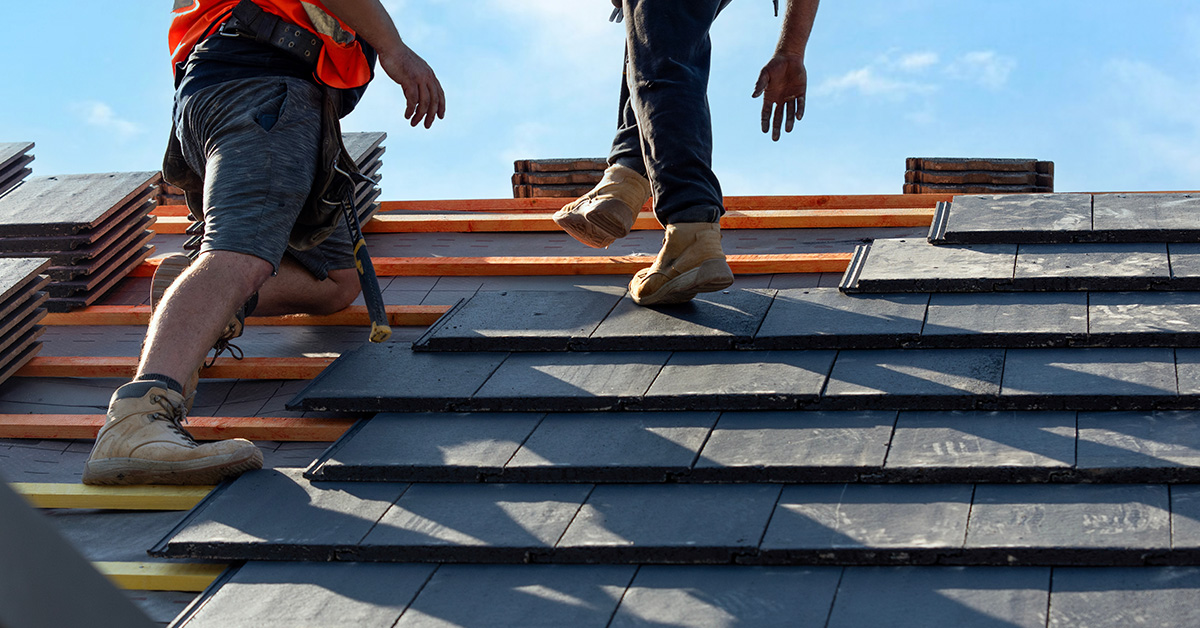
Tile Roof Restoration vs. Replacement: Pro-Tech Roofing’s Approach
Tile roofs tend to fail in a very specific way: the tiles themselves often outlast the layers underneath them. Clay and concrete tiles can last 40 to 60 years, but the underlayment and flashing usually give out after 25 to 30 years. That gap is where many tile roof issues begin.

When Tile Restoration Is the Better Option
If most of the tiles are still in good shape and the leaks are coming from worn underlayment, not broken tiles, restoration is often the better move. In many cases, that means a lift-and-reset. We carefully remove the existing tiles, replace the failed underlayment and flashing, and then reinstall the original tiles. When this is done the right way, it restores the roof’s weather barrier and keeps the home’s original look in place.
Restoration can also make sense when the damage is limited to one area, like a few cracked or loose tiles or a flashing joint that has opened up. In those cases, any replacement tiles need to match the original size, shape, texture, and layout.
There’s also one point homeowners often miss: if a tile roof is getting close to 25 years old, it’s smart to schedule a professional underlayment inspection even if the roof surface still looks fine. In Tulsa, summer heat can push roof surfaces to 150 to 170°F, and that kind of heat can wear out underlayment long before you see clear damage up top.
Once damage goes beyond a small group of tiles, the job usually moves out of the repair category and into full replacement.

When Tile Replacement Is the Necessary Scope
Full roof replacement is needed when tile breakage is spread across the roof, when leaks point to failing underlayment, or when the deck or rafters have shifted. On older or historic homes, the replacement material needs to match the original as closely as possible, including the same size, shape, surface texture, and directional layout.
Tile roofing is also heavy. Clay and concrete tile typically weigh 700 to 1,000 pounds per square (100 sq. ft.). Before we lock in a replacement scope, the decking and rafter system need to be checked to make sure they can carry that load. For next steps, use the residential roofing page.
After the scope is set, the final cost comes down to how much underlayment, flashing, and structural work the roof needs.

Restoration Costs vs. Replacement Costs: A Planning Guide for Tulsa Property Owners
Once we know the roof scope, the next issue is cost. With historic slate and tile roofs, pricing stays rough until the deck is inspected. Final numbers depend on deck damage, how deep the tear-off goes, flashing detail, roof pitch, and any preservation rules. So it makes sense to plan around broad cost ranges.
Restoration vs. Replacement: A Side-by-Side Comparison Table
The chart below shows how restoration, sectional replacement, and full replacement usually stack up.
| Option | Typical Scope | Original Material Retained | Labor | Specialist Required | Typical Cost Level |
|---|---|---|---|---|---|
| Restoration / Repair | Replacing broken slate or tile pieces, fixing leaks, repairing flashing | High | Moderate | High, slate/tile specialist required | Lower to Moderate |
| Sectional Replacement | Replacing a specific section or slope of the roof | Moderate | High | High | Mid-Range to High |
| Full Replacement | Complete tear-off down to the deck and installation of new materials | Low | Very High | High, requires historic expertise | High to Premium |
Minor slate repairs, like fixing a few cracked or missing pieces, usually cost $250 to $600. Sectional replacements for one area of the roof often land in the $1,500 to $3,500 range, and more complicated jobs can hit $4,500.
Full slate replacement sits in a very different price bracket. Most complete projects fall between $10,000 and $30,000, and detailed historic work can go past $35,000.

What Drives Slate and Tile Costs in Tulsa
The biggest wildcard is the roof deck condition. Many historic Tulsa homes still have original board sheathing, and in some cases it can stay in place if it isn’t rotted. That is why the deck should be checked after tear-off, ideally with photos, so only damaged sections get replaced.
Custom-fabricated copper flashing is another big cost factor, especially around chimney saddles, dormer crickets, and valleys. If a home sits in a historic district, owners may also need approval packages with manufacturer specs and color samples. That adds time and cost too.
Pitch and access also shape the final price. Steep Tudor rooflines and the complex roof shapes we often see in Midtown Tulsa take more labor and stricter safety setup when crews handle heavy historic roof materials like slate or tile. Material matching can slow things down as well, since finding period-appropriate slate or tile for a partial restoration may take time and may not happen right away.
If the scope starts leaning toward a full replacement, it may help to review roof financing options before locking in the final plan.
After budget comes scope review, the next step is a roof inspection and plan.
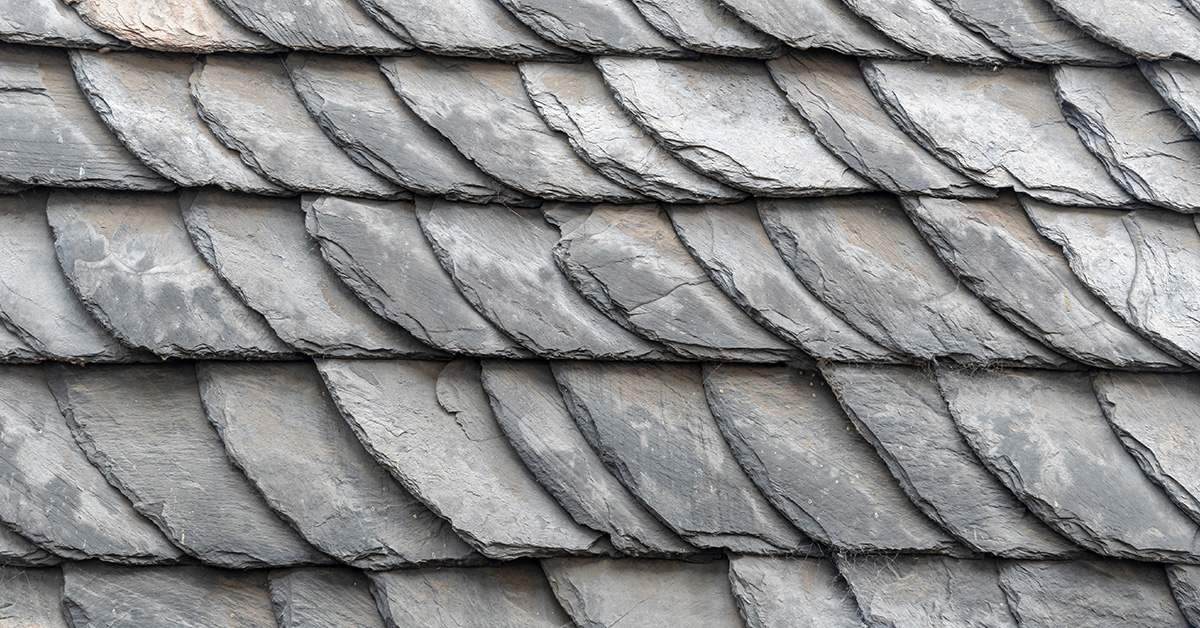
Choosing Restoration or Replacement: Next Steps With Pro-Tech Roofing
After you compare restoration and replacement costs, start with a quick walk-around. Look for broken or missing slates or tiles, damaged flashing, and any past leak spots. Those notes give the specialty inspection a better starting point and help us set the right scope from day one.
What Tulsa Homeowners Should Check Before Calling a Contractor
Before scheduling a specialty inspection, it helps to confirm a few things first:
- Historic-district status: Check this first. In Maple Ridge, Swan Lake, and Brady Heights, roof work may need approval documents before work starts.
- Number of existing roof layers: Find out how many roof layers are already in place. If the home already has two, plan on a full tear-off.
- Asbestos risk: If the home was built from 1930 to 1955, include EPA-compliant testing and licensed abatement in the budget before any tear-off.
- Flashing and deck condition: Review chimney, dormer, and turret flashing, and inspect the board sheathing for rot or sagging.
Once you have that info ready, Pro-Tech Roofing can scope the job faster. You can visit our residential roofing and slate and tile roofing pages, or go straight to get help.
FAQs
How do I know if my slate roof can be repaired?
A qualified slate roofer should inspect the roof from the inside and the outside. That includes the slate itself, the substrate, the fasteners, and the flashings.
They should also look at the slate’s type, size, thickness, weathering, overlaps, and how much life it likely has left.
If the slate is in generally sound shape and the structure is solid, repair may be an option. If the slate or other main roof parts are badly worn, restoration or full replacement may be needed.
When does a tile roof need lift-and-reset instead of replacement?
A tile roof may need a lift-and-reset instead of full replacement when individual slates have slipped out of place or cracked over time.
In those cases, a qualified slate specialist can often replace only the damaged pieces instead of replacing the entire roof.
What should I check before tearing off a historic roof?
Inspect the roof for slipped or broken slates. In many cases, a qualified specialist can replace single pieces without disturbing the rest of the roof.
We should also check the flashing around chimneys, valleys, and roof penetrations. Long-lasting copper may still be in good shape, while lower-grade sealants often fail much sooner.
Next, review the roof’s overall condition for signs of past modifications or damage that could affect restoration or replacement. If the roof needs to be replaced, match the original style, size, shape, and texture, and follow local preservation guidelines.