
Proper roof ventilation is one of the most effective ways to lower annual energy bills by 10-30%. Beyond the savings, it protects your home from structural damage and significantly improves indoor comfort. Note: This post was originally published in November 2025 and has been fully updated in 2026.
Our systems work by balancing airflow through a strategic mix of intake and exhaust vents. This process reduces attic heat during scorching summers and manages moisture during the winter months. By keeping your attic at a stable temperature, we prevent your HVAC system from overworking. This saves you money and extends the lifespan of your expensive equipment.
For example, a Tulsa household spending $250 monthly on energy in 2026 could see annual savings between $300 and $900 with optimized ventilation. Proper airflow also helps you avoid costly issues like ice dams, insulation rot, and mold growth. Investing in a balanced system tailored to the Oklahoma climate is a smart, evergreen strategy to protect your property.

Homeowner Hut: Attic Ventilation Energy Savings Case Study
How Roof Ventilation Works
Roof ventilation operates on a simple scientific principle: hot air naturally rises. We design systems that leverage this movement to maintain steady airflow through your attic space. This natural process controls temperatures and reduces the energy required to cool your home.

The Science of Air Movement
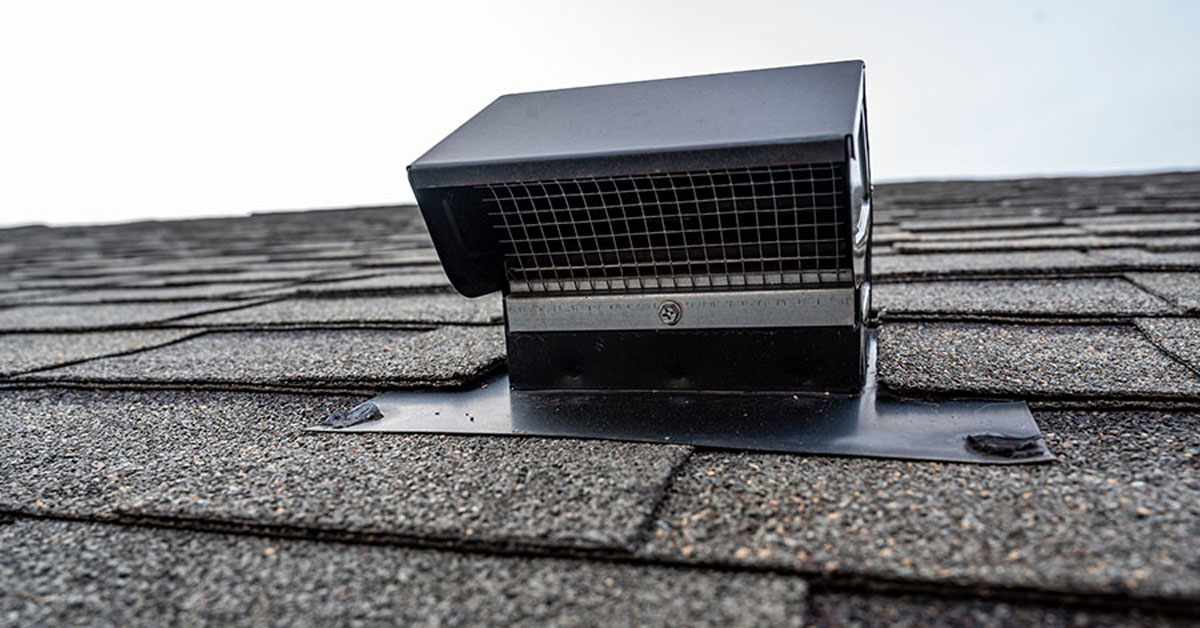
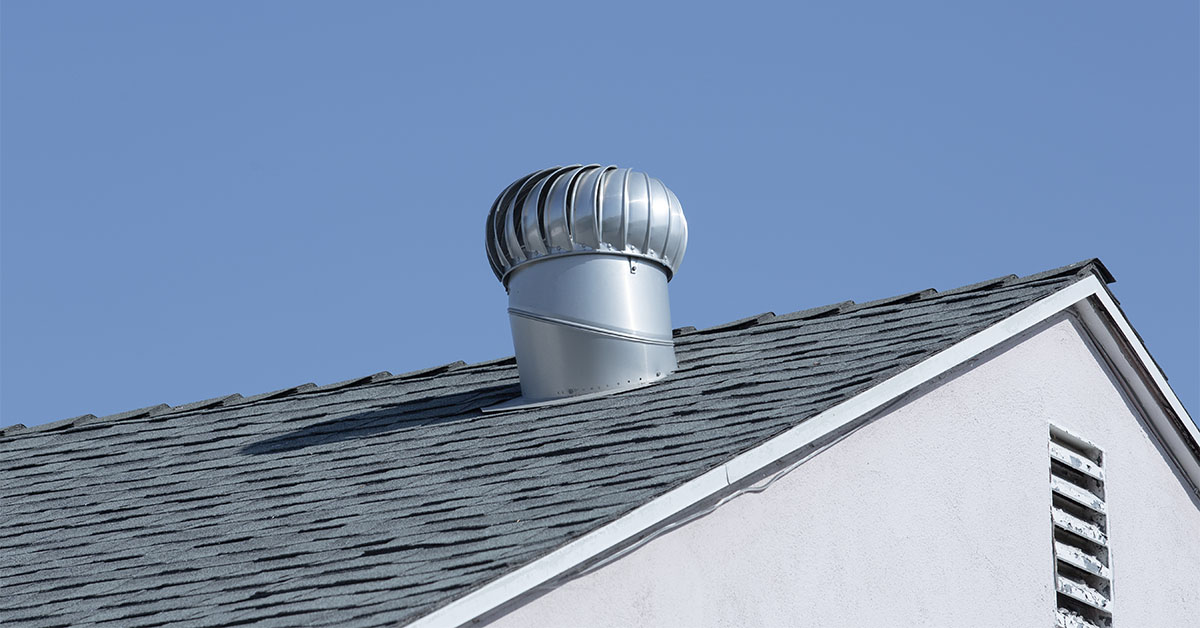
A high-performing ventilation system uses two distinct vent types to create balance. Intake vents are located near your soffits to pull in cool, fresh air. Exhaust vents, such as ridge vents or gable vents, allow the trapped hot air to escape near the peak.
This cycle is powered by convection. As warm air exits the top of your roof, it creates a vacuum that pulls cooler air in from the bottom. This prevents heat and humidity from stagnating in your attic. If this balance is off, the system loses effectiveness. In some cases, an unbalanced roof can even pull climate-controlled air from your living room into the attic, which wastes energy.
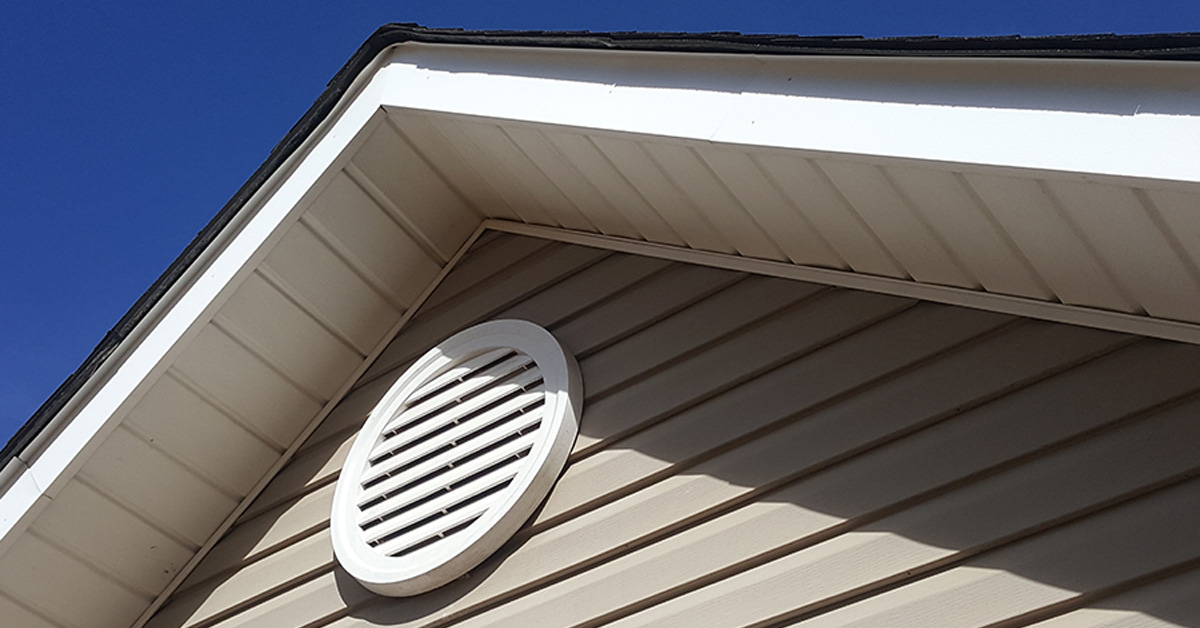
Temperature Control Benefits
Effective ventilation actively regulates your home’s thermal envelope. During the summer, we can lower attic temperatures by as much as 30°F. This massive reduction in heat transfer means your air conditioner doesn’t have to fight nearly as hard to keep your bedrooms cool.
In the winter, the role shifts to moisture management. We remove the warm, humid air that rises from your kitchen and bathrooms. This prevents condensation from soaking your insulation. Dry insulation is effective insulation. When your attic stays dry in winter and cool in summer, your HVAC system enjoys a lighter workload and a longer life.
Energy Problems Caused by Poor Ventilation
When your roof lacks airflow, it hits your wallet hard. Poor ventilation forces HVAC units to run constantly, leading to higher bills and premature mechanical failure. It also creates a “furnace effect” in the summer and dangerous ice dams in the winter.
Heat Buildup and Rising Cooling Costs
An unventilated attic in the Tulsa sun is essentially a furnace. Temperatures often climb 30°F higher than the outdoor temperature. This radiant heat eventually penetrates your ceiling, forcing your AC to work overtime. In 2026, homeowners with poor ventilation are seeing cooling costs spike by as much as 40% during peak months.

Moisture and Insulation Damage
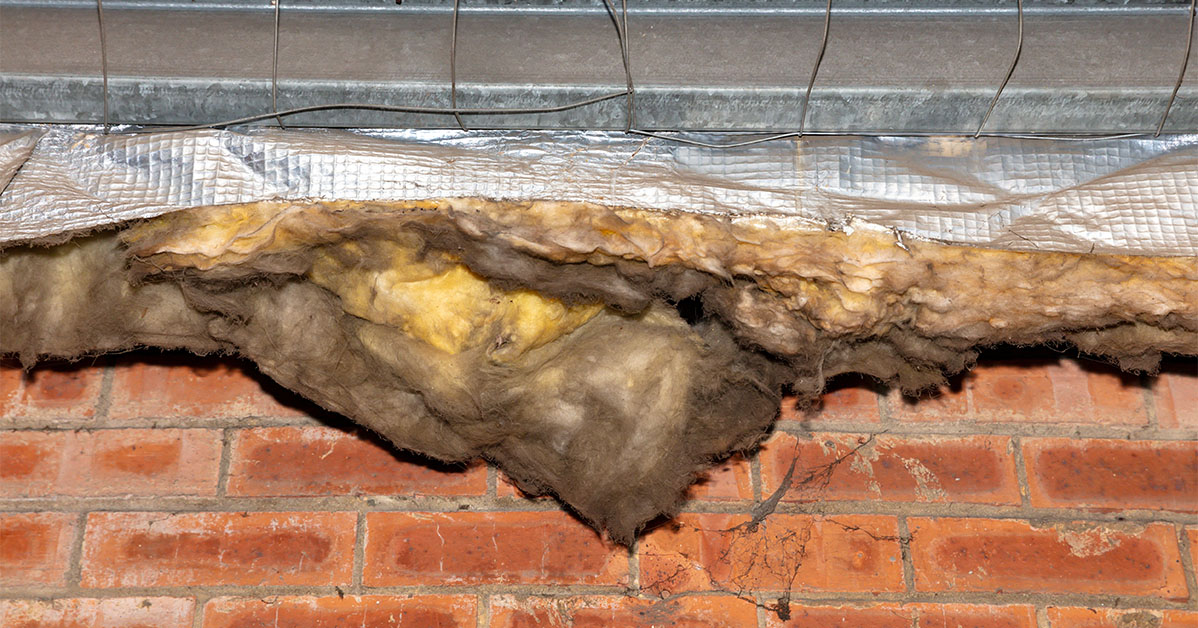
Trapped humidity is a silent killer for roofs. When warm air condenses on your rafters, it leads to mold and wood rot. Wet insulation is a major problem because it loses up to 50% of its R-value. This means your “thermal blanket” no longer works, allowing heat to leak in and out of your home freely. This inefficiency typically adds 15% to your monthly utility costs.
Ice Dams and Winter Heat Loss
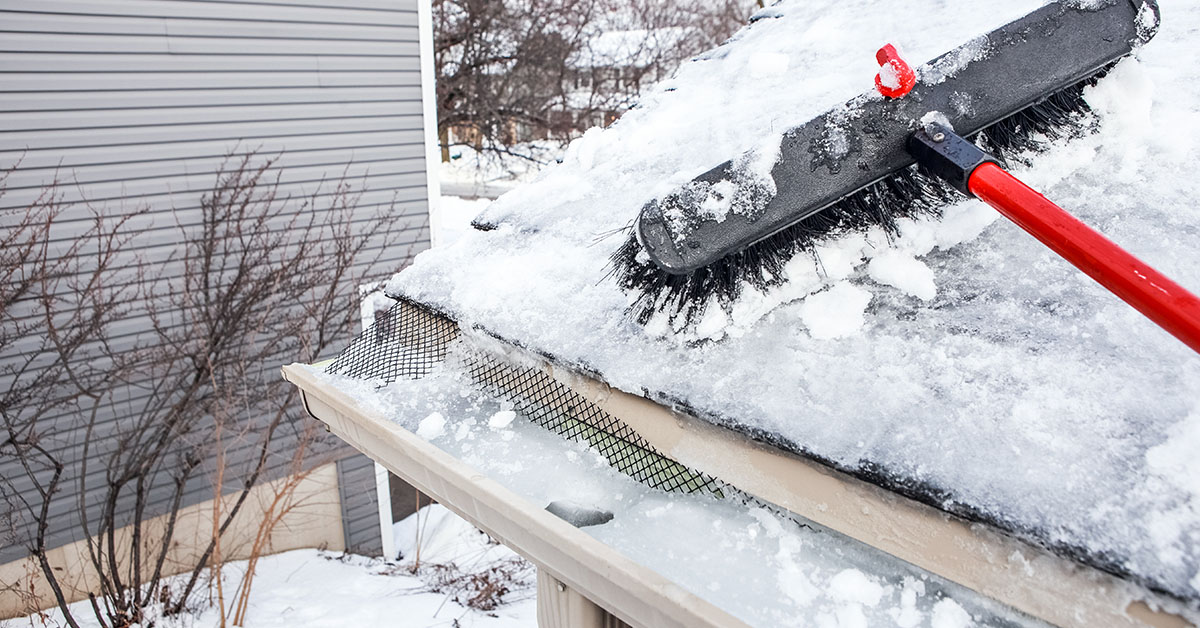
Winter brings the risk of ice dams. When heat stays trapped in your attic, it melts the snow on your roof. That water then refreezes at the cold eaves, creating a block. This forces water under your shingles and causes leaks that ruin drywall and ceilings. These dams can increase heating bills by roughly 10% due to the massive heat loss occurring at the roof deck.
How Proper Ventilation Saves You Money
We believe that a well-ventilated roof is one of the highest-ROI investments you can make. It regulates temperature, protects your structural materials, and boosts overall comfort. Here is how those savings break down in real-world terms.
Key Takeaways for Energy Savings:
- Reduced HVAC Strain: Lowering attic temps by 30°F reduces AC wear.
- Utility Reductions: Most homeowners save 15% on total heating and cooling costs.
- Solar Efficiency: Solar-powered vents can drop cooling loads by an additional 12%.
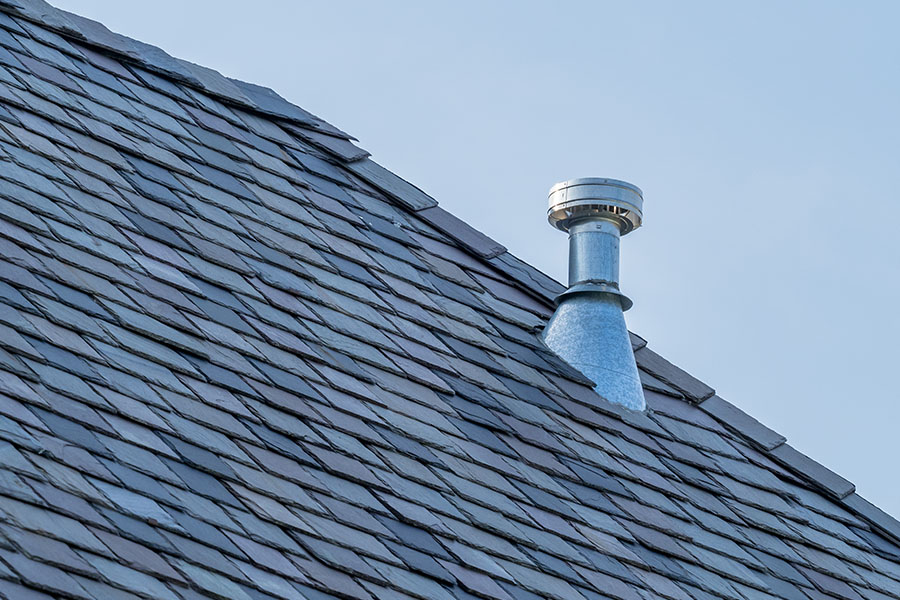
According to the U.S. Department of Energy, combining attic ventilation with high-quality insulation is the “gold standard” for home efficiency. For a household spending $2,500 annually on climate control, we typically see savings ranging from $250 to $750 per year.
Modern Energy-Saving Ventilation Methods
Choosing the right hardware is essential for 2026 energy standards. We evaluate each home to determine which combination of vents will provide the most benefit.
| Ventilation Type | Location | Primary Function | 2026 Energy Benefit |
|---|---|---|---|
| Ridge Vents | Roof Peak | Continuous Exhaust | Consistent attic cooling |
| Soffit Vents | Under Eaves | Air Intake | Creates the “chimney effect” |
| Gable Vents | Side Walls | Circulation | Extra support for cross-breeze |
| Solar Fans | Roof Surface | Active Extraction | Maximum cooling with zero power cost |
The Importance of a Balanced System
A balanced system is the only way to ensure performance. We aim for a 50/50 split between intake and exhaust capacity. Without this balance, your attic can become pressurized or stagnant. When we pair a balanced system with modern insulation, we create a thermal barrier that keeps you cooler in July and warmer in January.
Pro-Tech Roofing: Your Tulsa Ventilation Partners
We specialize in designing systems that thrive in the unique Oklahoma climate. Whether your property uses asphalt shingles, slate, tile, or metal, our team understands the specific airflow requirements for each material.
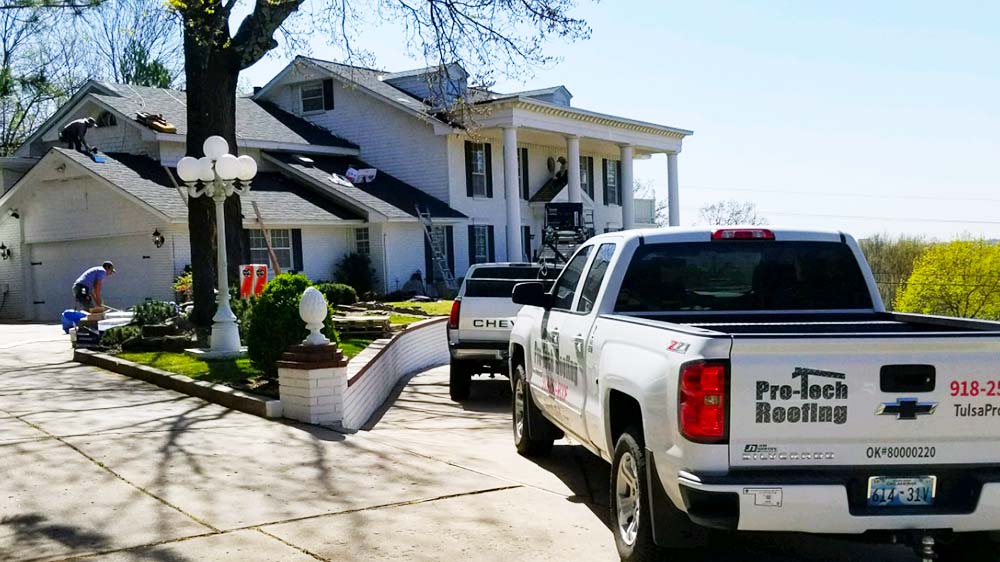
Our 2026 solutions are fully compliant with local building codes and optimized for maximum durability. We are fully licensed, insured, and certified by leading manufacturers like GAF and Owens Corning. This ensures your ventilation upgrade is backed by industry-leading warranties and professional expertise.
Frequently Asked Questions
How does proper roof ventilation help lower energy costs?
Proper roof ventilation reduces energy costs by preventing heat from becoming trapped in your attic. In the summer, this keeps your home’s interior cooler, reducing the workload on your air conditioner. In the winter, it keeps insulation dry and effective, ensuring your heat stays inside your living space.
How can I tell if my roof has poor ventilation?
Common signs of poor ventilation include an exceptionally hot attic, rising utility bills, and ice dams in the winter. You should also look for warped shingles or a musty smell in the upper levels of your home. We recommend a professional roof inspection to confirm your airflow levels.