(918) 250-7663

Your roof is one of the most important parts of your home, and keeping it in good condition can save you thousands of dollars in repairs or early replacement. Here’s what you need to know:

  • Routine maintenance is key. Tasks like cleaning gutters, fixing damaged shingles, and inspecting for leaks can extend your roof’s life by 5–10 years or more.
  • Different roofing materials have vastly different lifespans:
    • Asphalt shingles: 25–30 years
    • Metal roofs: 40–70 years
    • Slate and clay/concrete tiles: 50–100+ years
  • Factors like climate, installation quality, ventilation, and regular upkeep significantly affect durability.
  • Seasonal maintenance (spring, summer, fall, and winter) helps address specific weather challenges, from ice dams to UV damage.
  • Professional inspections, especially for older roofs or after severe weather, catch problems early and ensure long-term performance.

Spending a few hundred dollars annually on maintenance is far cheaper than a full roof replacement, which can cost $15,000–$40,000. Start now by inspecting your roof, cleaning gutters, and addressing small issues before they grow into costly repairs.

Top 5 Maintenance Tips to Extend Your Roof’s Lifespan

Roof Lifespan and What Affects It

Understanding how long your roof is likely to last can help you make informed decisions and save money in the long run. The lifespan of a roof depends largely on the materials used and the care it receives. Let’s break down how different roofing materials hold up over time and the key factors that influence their durability.

How Long Different Roofing Materials Last

Not all roofing materials are built the same, and the type you choose will dictate how often you’ll need to repair or replace your roof.

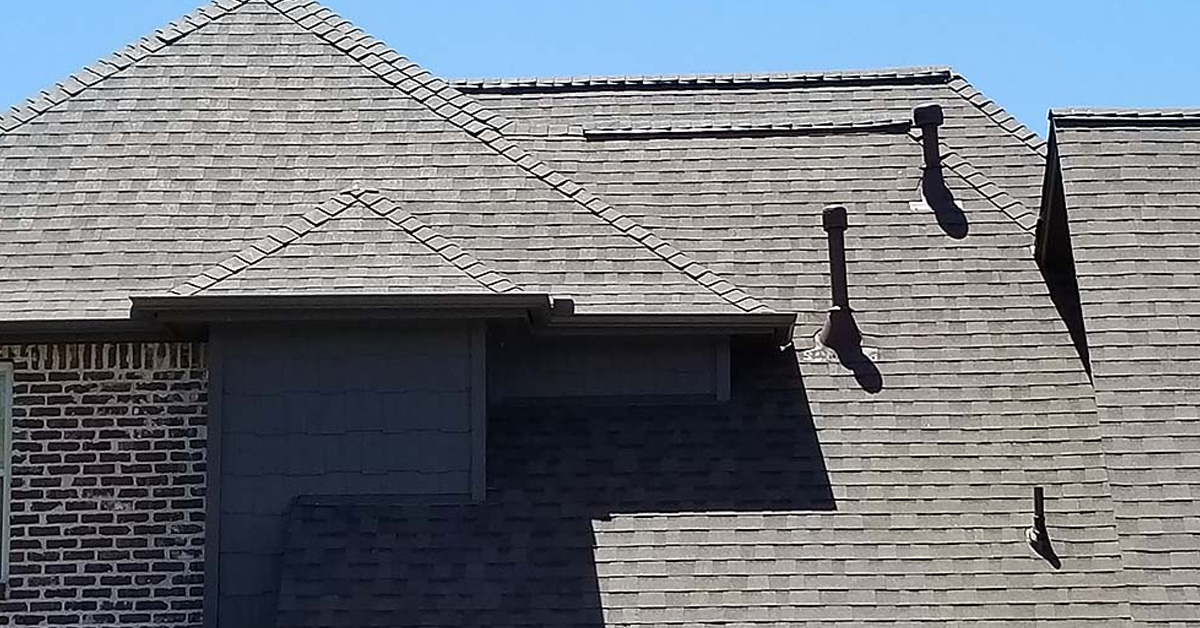
Asphalt shingles are the most common choice in the United States because they’re affordable and simple to install. Typically, these roofs last about 25 to 30 years under normal conditions. However, the specific type of shingles matters – three-tab shingles tend to have a shorter lifespan, while architectural shingles, which are thicker and more resistant to wind damage, can last 10 to 15 years longer.

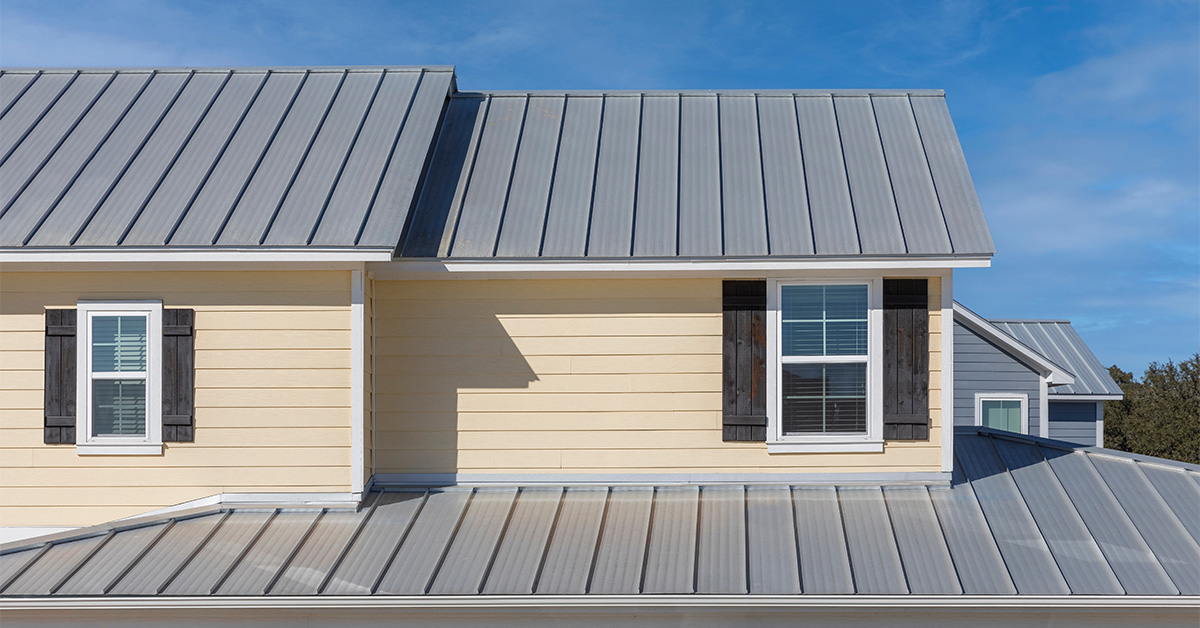
Metal roofs are known for their durability, with a lifespan ranging from 40 to 70 years when installed correctly. While the upfront cost is higher, they’re a long-term investment. Thicker metal gauges can better withstand hail and corrosion, and if you live near the coast, choosing a metal with the right coating is crucial to protect against salt air damage.

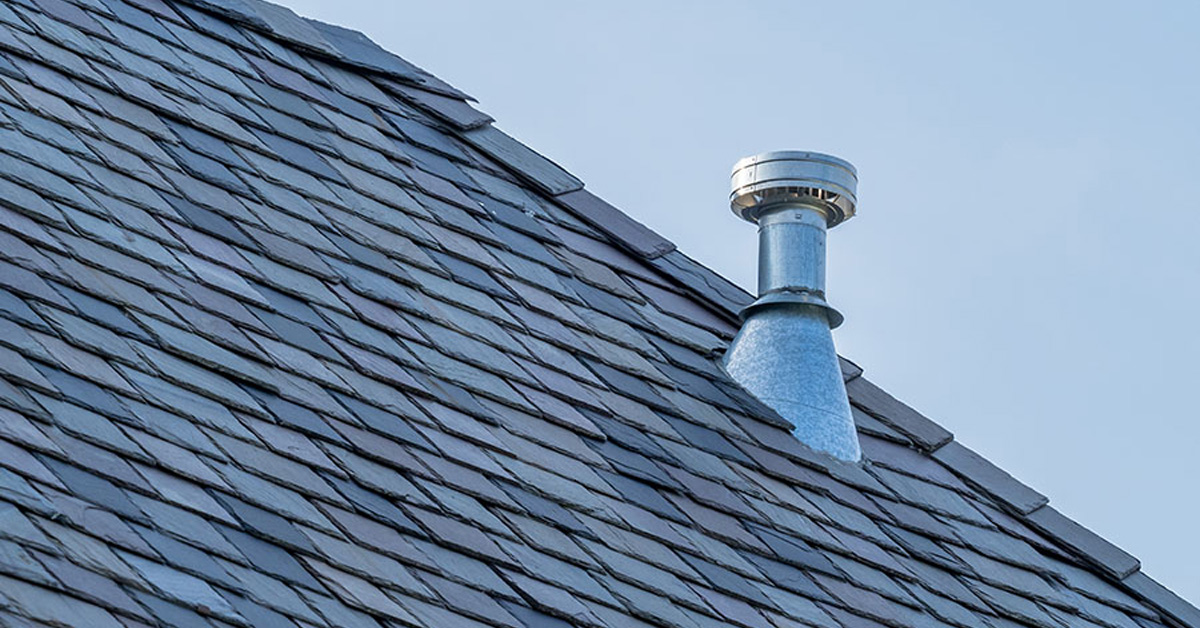
Slate roofs are at the high end of the spectrum, often lasting 50 to 100 years or more. These natural stone tiles are a favorite for historic and high-end homes, thanks to their longevity and minimal maintenance needs. However, their heavy weight requires strong structural support, and replacement tiles can be costly.

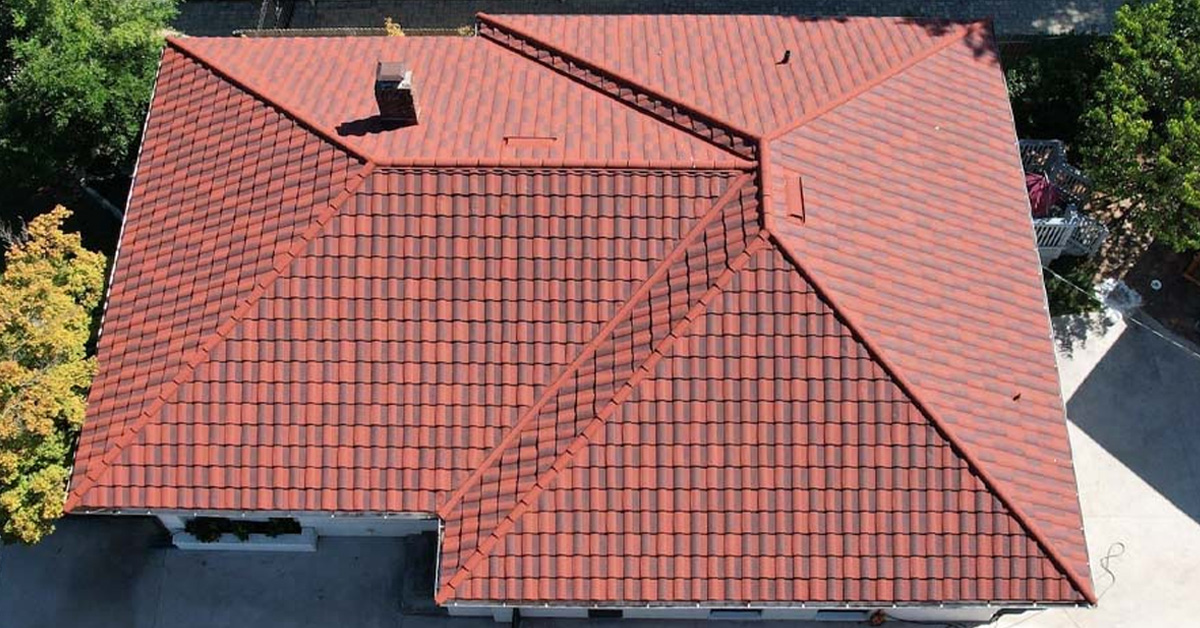
Clay and concrete tiles are another long-lasting option, with lifespans similar to slate – 50 to 100 years. They’re especially popular in warmer regions, as they help keep homes cooler. While durable, these tiles can crack under impact, so regular inspections, especially after storms, are essential.

Roofing Material Typical Lifespan Maintenance Level Ideal For
Asphalt Shingles 25–30 years High Budget-friendly homes
Metal 40–70 years Moderate Long-term investments
Slate 50–100+ years Low Historic or premium homes
Clay/Concrete Tiles 50–100 years Moderate Warm climates, Mediterranean styles

While choosing the right material is important, other factors can significantly impact how long your roof lasts.

Main Factors That Affect Roof Lifespan

Even the most durable materials won’t reach their full potential without the right conditions. Several factors play a critical role in determining whether your roof will stand the test of time or need early replacement.

Climate and weather exposure are major influences. Extreme weather, like heavy snow, hail, or intense UV rays, can wear down roofing materials faster. For instance, asphalt shingles in hot, sunny areas may degrade sooner due to constant UV exposure, while colder regions face risks like ice dams, which can damage shingles and underlayment. Heavy rain can also exploit weak spots, leading to leaks or structural issues.

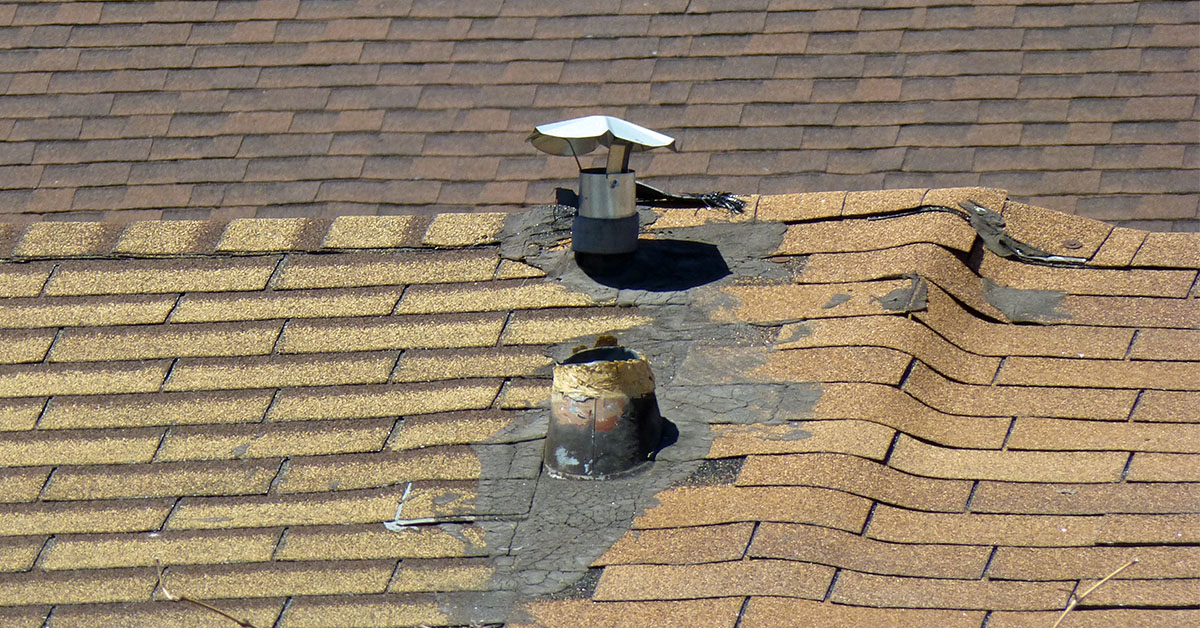
Installation quality is another key factor. A poorly installed roof is more likely to fail prematurely. Misaligned flashing around chimneys or vents can allow water to seep in, and improperly secured shingles are more vulnerable to wind damage. This makes hiring experienced professionals essential to ensure the job is done right the first time.

Ventilation and insulation in your attic are critical for regulating temperature and moisture. Without proper airflow, heat and humidity can speed up shingle aging and create a breeding ground for mold and rot. In colder months, poor ventilation can lead to ice dam formation, which can damage both the roof and gutters.

Material quality directly impacts how long your roof will last. Premium materials often come with better warranties and are designed to handle specific challenges. For example, architectural shingles with algae-resistant granules perform better in humid areas, while high-quality metal roofs with protective coatings resist corrosion more effectively.

Environmental factors unique to your property also matter. If your home is surrounded by trees, debris and moisture can accumulate on the roof, encouraging moss growth and speeding up deterioration. While tree shade can help with cooling, it can also slow down drying after rain. Coastal homes face salt air, which can corrode certain materials, while urban areas may expose roofs to pollutants that degrade them over time.

Regular maintenance is what ties everything together. Even the best materials and installations need upkeep to last. Cleaning gutters, removing debris, and addressing small issues before they escalate can make a big difference. Professional inspections are especially helpful for spotting hidden problems early, ensuring small repairs don’t turn into costly replacements.

Basic Roof Maintenance Tasks

Taking care of your roof regularly can add years to its life. Sure, using quality materials and ensuring proper installation are essential, but consistent upkeep makes all the difference. Here’s how you can keep your roof in top shape.

How to Inspect Your Roof and When to Do It

Plan to inspect your roof every spring and fall. These seasonal check-ups are perfect for spotting winter damage or preparing for the challenges of colder weather. For example, spring inspections often reveal loose or damaged shingles caused by snow and ice, while fall inspections help you ensure the roof is ready for the months ahead.

The frequency of inspections depends on your roof’s age:

  • Under 10 years old: Annual inspections are usually sufficient unless severe weather hits.
  • 10 to 20 years old: Check twice a year to catch signs of wear.
  • Over 20 years old: Inspect quarterly, as older roofs are more prone to damage.

After extreme weather events – like hailstorms, high winds, or heavy snow – it’s a good idea to do an extra inspection. Use binoculars to examine the roof from the ground. Look for missing or damaged shingles and granule loss, which can indicate aging or wear. If you notice granules collecting in your gutters, it’s a sign your asphalt shingles are deteriorating.

Pay close attention to flashing around chimneys, vents, and skylights. This metal barrier is crucial for keeping water out but can corrode or loosen over time. Look for rust, gaps, or loose sections that could allow water to seep in.

Don’t forget to check inside your home too. In the attic, use a flashlight to find water stains, mold, or condensation. If you spot dark stains on rafters or insulation, or if you see daylight coming through cracks, it’s time to address potential leaks or structural problems.

Once you’ve assessed the roof’s condition, make sure the drainage system is functioning well to prevent water buildup.

Gutter Cleaning and Drainage Management

Clogged gutters can cause water to back up under your shingles, leading to leaks, rot, and even foundation issues. Keeping them clear is a simple but crucial task.

Clean your gutters at least twice a year – once in the spring after trees shed their blooms and again in the fall when the leaves are down. If your home is surrounded by trees, you may need to clean them more often, especially after storms.

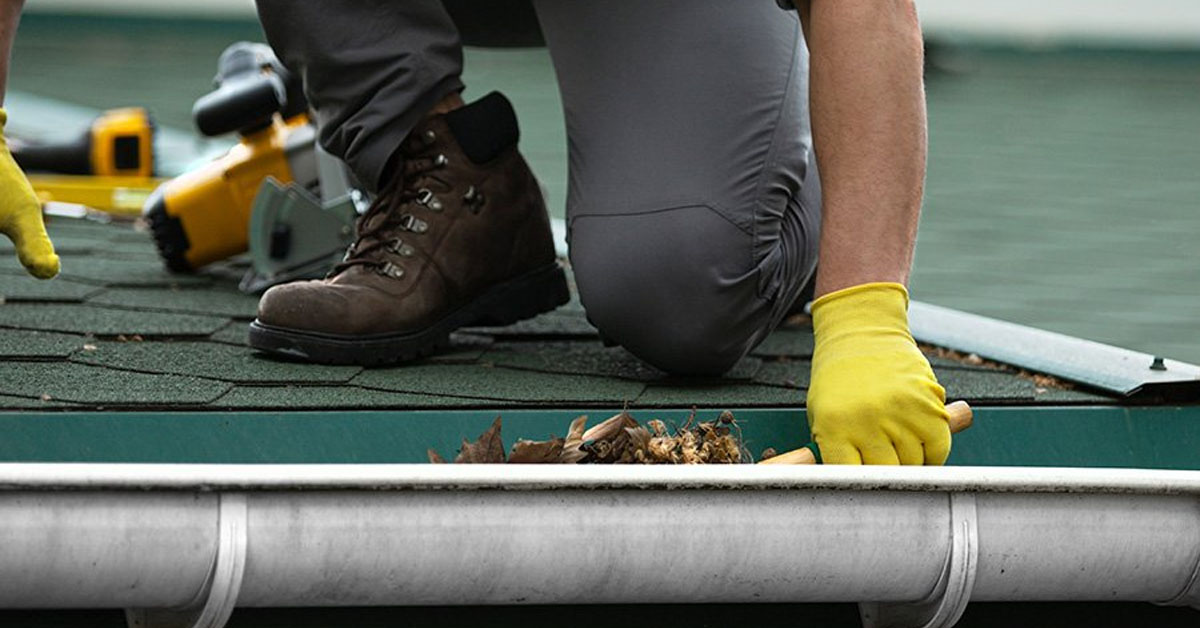
Start by removing leaves and debris by hand or with a small garden trowel, working from the downspouts toward the corners. Then, flush the gutters with a hose to clear out any remaining dirt and ensure water flows freely. If you notice water pooling in certain spots, the gutters might need adjustment to maintain the proper slope.

While cleaning, inspect for rust, holes, or loose fasteners. Small holes can be patched with roofing cement, but if the damage is extensive, replacement might be necessary. Also, make sure the gutters are securely attached to the fascia board; loose gutters can detach during heavy rain.

Check your downspouts, too. They should direct water at least six feet away from your home’s foundation to avoid basement flooding or foundation settling. If water pools near the base of your home, consider adding downspout extensions or splash blocks to improve drainage.

Removing Debris and Moss

Debris like leaves and branches can trap moisture against your roof, speeding up wear and promoting rot or mold. Regularly clearing this buildup is especially important if you live near large trees.

Use a soft-bristle brush or a leaf blower to gently remove debris. Avoid pressure washers or harsh scraping tools, as they can damage shingles and strip away protective granules. Always work from the roof’s peak downward, letting gravity help move debris off.

Moss and algae are another concern, particularly in damp, shaded areas. These organisms can lift shingles as they grow, creating entry points for water. To remove moss, apply a 50:50 mix of water and bleach or use a commercial moss remover. Let the solution sit for the recommended time, then rinse it off with low-pressure water.

Prevention is key. Installing zinc or copper strips near the roof’s peak can help. When rainwater runs over the metal, it creates a natural algaecide that inhibits moss and algae growth – a great solution for asphalt shingle roofs in humid areas.

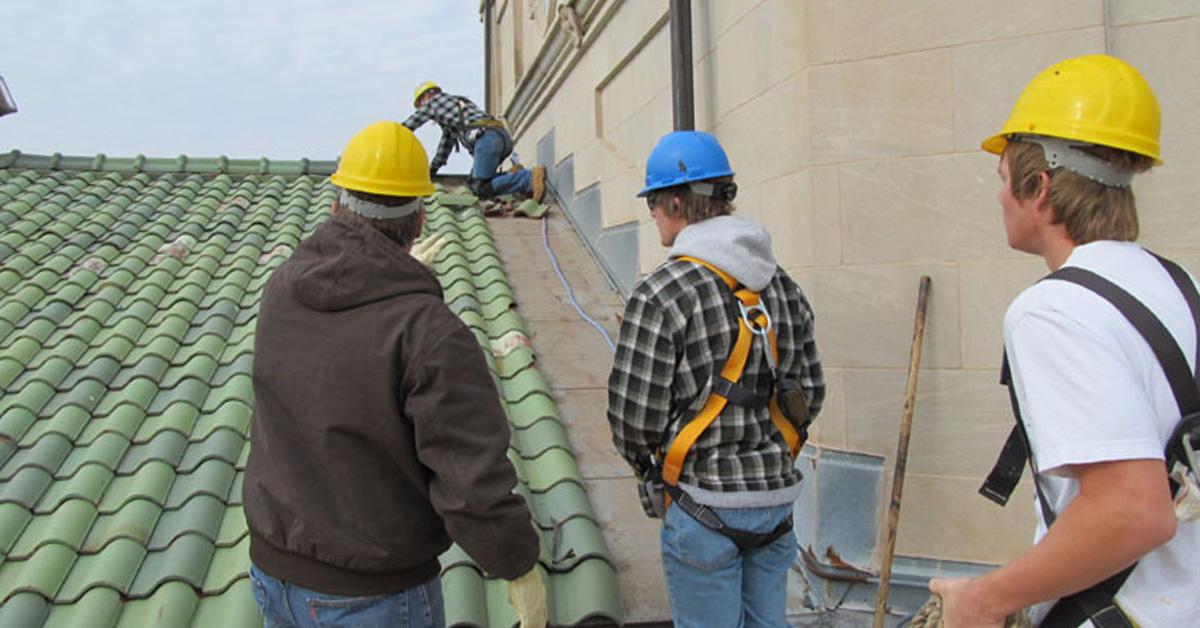
If your roof is high or steep, or if you’re not comfortable working at heights, it’s safer to hire professionals with the right equipment and expertise. Also, keep tree branches trimmed back to prevent them from scraping against the roof or dropping debris that could cause damage.

Maintenance Task Frequency Best Time Safety Level
Visual Inspection Twice yearly Spring & Fall Ground-level safe
Gutter Cleaning Twice yearly (or more) Late Spring & Fall Moderate risk
Debris Removal As needed After storms Higher risk
Moss Treatment Annually Spring or Fall Higher risk

One homeowner shared how they extended the life of their asphalt shingle roof from 20 years to over 30 years. Their secret? Following a seasonal maintenance checklist that included biannual inspections, regular gutter cleaning, and prompt moss removal. By catching minor issues like flashing leaks early, they avoided major water damage and saved thousands in repair and replacement costs.

Keeping a maintenance log is another smart move. Record inspection dates, cleaning tasks, and any repairs, and take before-and-after photos. Not only does this help you track your roof’s condition, but it can also be useful for warranty claims or when consulting with roofing professionals.

Sticking to a routine of inspections, cleaning, and debris removal can significantly extend your roof’s lifespan, protecting both your home and your wallet.

Seasonal Roof Maintenance Tips

Seasonal roof maintenance goes beyond regular upkeep, targeting specific challenges brought on by each time of year. From winter’s icy grip to summer’s blazing heat, every season presents unique risks. Knowing what to look for and acting at the right time can save you money and keep your roof in top shape.

Winter Prep: How to Prevent Ice Dams

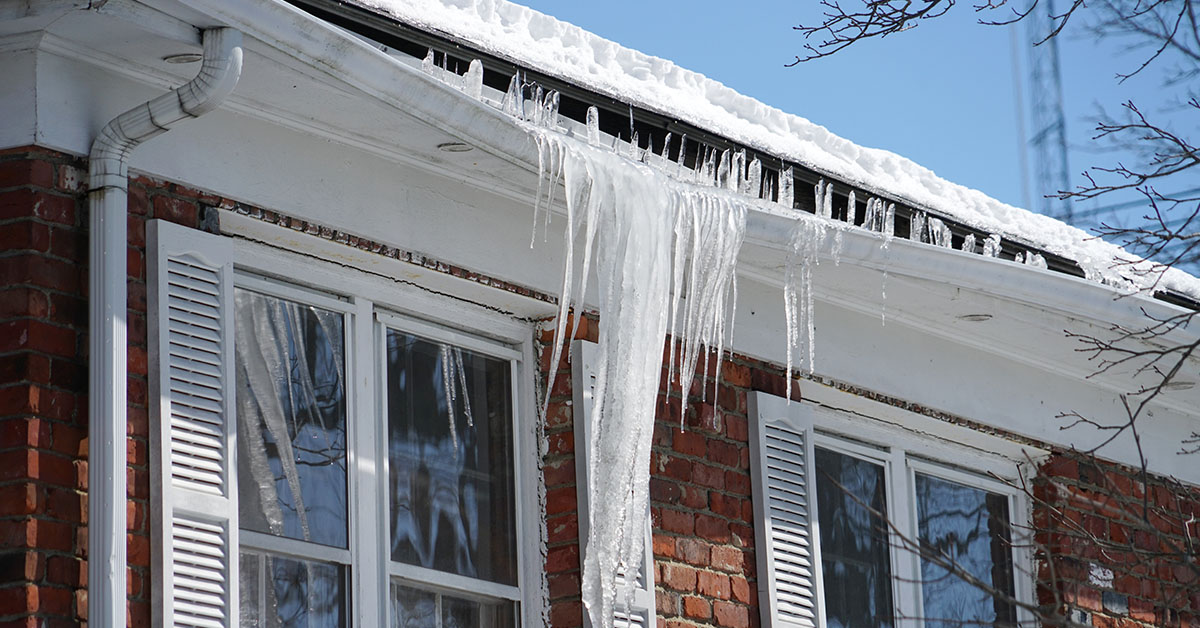
Ice dams can wreak havoc on your roof. They form when heat escapes from your attic, melting snow on the roof. As the water flows down and refreezes at the colder edges, it creates a barrier that traps additional meltwater. This water can seep under shingles, leading to leaks, mold, and structural damage.

To prevent ice dams, focus on your attic:

  • Insulation matters: Make sure your attic is well-insulated to stop heat from escaping and melting the snow above.
  • Proper ventilation: Ensure your attic has good airflow. Soffit vents and ridge vents should work together to keep the roof’s temperature consistent. Check that all vents are clear and functioning before winter hits.

Start these tasks in the fall, between September and November. Seal air leaks around pipes, wires, and other attic penetrations to keep warm air from escaping. Inspect insulation for signs of moisture or mold, which could signal ventilation issues that need fixing.

If ice dams still form during winter, avoid using salt or harsh chemicals that can harm your roof. Instead, opt for calcium chloride or hire professionals to safely remove the ice. For snow removal, use a roof rake from the ground, leaving a thin layer of snow (about 2–3 inches) to prevent ice dams from forming.

Once winter risks are under control, it’s time to focus on spring and fall maintenance to repair any damage and prepare for the seasons ahead.

Spring and Fall Maintenance Tasks

Spring Maintenance (March–May)
Spring is the perfect time to assess any damage caused by winter and get your roof ready for warmer weather. Look for signs of trouble like missing or loose shingles, damaged flashing, or areas affected by ice dams. Pay special attention to skylights, chimneys, and other penetrations, resealing them if needed.

Clean out gutters and downspouts to ensure proper drainage after snowmelt. Inspect your attic ventilation for blockages or gaps, as poor airflow can lead to moisture buildup. Also, check for moss, algae, or water stains that might signal lingering moisture issues. Use gentle cleaning methods to remove any biological growth, as these can trap water and speed up roof deterioration.

Fall Maintenance (September–November)
Fall is all about getting your roof ready for winter while addressing any summer storm damage. Start by scheduling a professional roof inspection to identify issues like lifted or missing shingles caused by wind or hail. Clear leaves and debris from gutters and roof valleys to prevent water backups and ice dams.

Inspect shingles, flashing, and seals around roof edges for wear and tear from the summer heat. Trim overhanging branches to reduce the risk of damage from falling limbs during winter storms. Double-check that your attic insulation and ventilation systems are ready to handle the colder months. Keep an eye on north-facing areas for moss, algae, or moisture buildup, as these spots tend to stay damp longer.

Summer Maintenance Tasks

Summer Maintenance (June–August)
In summer, the focus shifts to protecting your roof from the sun’s intense heat and UV rays. High temperatures can cause shingles to blister, warp, or fade, while UV exposure accelerates granule loss and material breakdown.

Inspect your roof for heat-related damage like blistering or warping shingles. In areas with strong sunlight, consider applying reflective or waterproof coatings to extend the roof’s lifespan. Secure gutters to handle heavy rainfall during summer storms, and keep trimming back overhanging branches to avoid storm-related damage. To prevent moss and algae from returning, use zinc or copper strips as an ongoing prevention measure.

Season Key Tasks Timing Focus Area
Spring Inspect winter damage, clean gutters, address moss/algae March–May Recovery & preparation
Summer Monitor heat damage, maintain drainage, trim branches June–August Heat & storm protection
Fall Clear debris, inspect for storm damage, winterize September–November Winter preparation
Winter Monitor ice dams, safe snow removal, emergency repairs December–February Damage prevention

When to Hire Roofing Professionals

Taking care of your roof regularly can help it last longer, but some situations call for expert attention. Knowing when to bring in professionals can save you a lot of money and prevent small issues from turning into big, costly problems. While routine maintenance is essential, recognizing when expert help is needed takes your roof care to the next level.

Warning Signs You Need Professional Help

Certain roof problems shouldn’t be ignored and often require professional expertise. For example, persistent leaks that keep reappearing despite your efforts to fix them usually point to a deeper issue that only an expert can diagnose and resolve.

A sagging roof is another major concern. This often indicates structural damage or weakened support beams, which, if left unaddressed, could result in a complete failure. Similarly, losing a large number of shingles after a storm is a clear sign that a professional should evaluate the damage to determine whether repairs or a full replacement is needed.

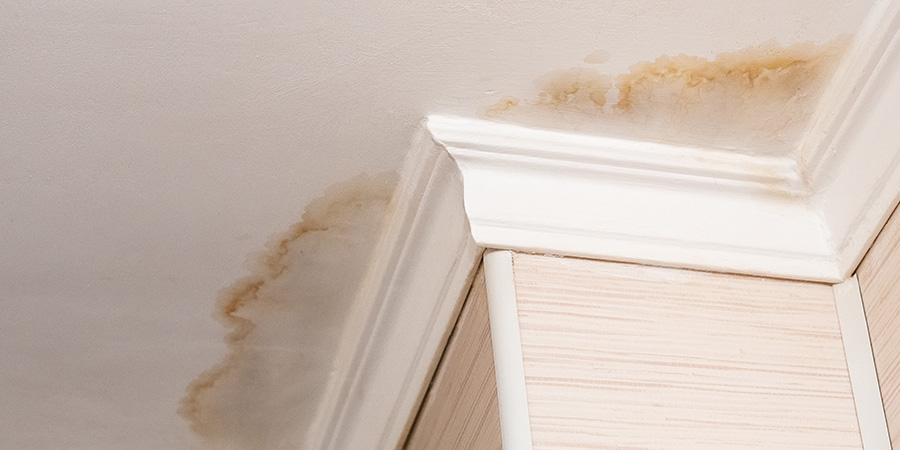
Other red flags include water stains on ceilings or walls, mold or mildew in the attic, and granule loss from shingles, which leaves the roof vulnerable to weather. You might also spot cracked, curled, or missing shingles, or even notice daylight peeking through roof boards when inspecting the attic.

Real-life examples highlight the importance of timely action. In 2025, Gulie Ery faced extensive roof and wind turbine damage caused by high winds and hail. Pro-Tech Roofing, led by Clay, replaced the roof efficiently, even helping reduce her annual home insurance premiums by $600.

"When shingles were displaced from my roof in a recent storm, they were able to work me into their busy schedule to replace them. The representative explained to me in detail why the shingles were blowing off due to the shortcuts taken by other less experienced contractors." – Brian Dawes, Customer

Another case from 2025 involved Aaron Wiedman, whose storm-damaged roof was repaired by Pro-Tech Roofing within 48 hours. Their quick response prevented further damage and showcased the importance of professional expertise and communication.

Why Professional Inspections Matter

Once you notice warning signs, a professional inspection becomes crucial to stop further damage. Regular inspections are a cornerstone of effective roof maintenance. Data shows that regular professional care can extend a roof’s lifespan by 30% or more compared to neglected roofs. For instance, asphalt shingle roofs with consistent upkeep can last 25–30 years, while poorly maintained ones may need replacement in just 15–20 years.

Professional evaluations go beyond what the eye can see. Tools like moisture meters and infrared cameras help experts spot hidden problems such as leaks, insulation issues, and unseen structural damage that a basic visual check might miss.

The frequency of inspections depends on your roof’s age:

  • Newer roofs (less than 10 years): Annual inspections, or after major storms.
  • 10–20 years old: Semi-annual checks, ideally in spring and fall.
  • Over 20 years old: Quarterly inspections to catch age-related wear and tear early.
  • Special conditions: Homes with heavy tree cover or located in areas with severe weather may need more frequent inspections.
Roof Age/Condition Recommended Inspection Frequency
Newer roofs (<10 years) Annually (or after major storms)
10–20 years old Semi-annually (spring and fall)
Over 20 years old Quarterly or after every major event
Heavy tree coverage/Severe climate More frequent/as needed

Inspections should also happen immediately after extreme weather events. In 2022, Jessica Elmore’s roof began leaking after days of heavy rain. Pro-Tech Roofing quickly identified and replaced damaged flashing, solving the problem within days.

"We recently had several days of rain, and my roof began to leak. Did a lot of research, and Pro-Tech Roofing had good reviews so we went with them. They very quickly had someone out there on the roof to see what the issue was. I had flashing that needed replaced." – Jessica Elmore, Customer

Certified professionals bring more than just tools – they understand local building codes, manufacturer guidelines, and best practices for repairs and installations. This ensures that the work meets industry standards and helps maintain your roof’s warranty, which is often voided by improper DIY fixes.

Theresa’s hail damage experience in 2022 demonstrates this expertise. Larry Wilson from Pro-Tech Roofing not only inspected her roof but also worked directly with her insurance adjuster, simplifying what could have been a complicated claims process.

"Our roof had hail damage. Larry Wilson at Pro-Tech inspected the roof and took time to come back and meet with the insurance adjuster before we even hired him for the job." – Theresa, Customer

While professional inspections typically cost between $100 to $400, depending on roof size and complexity, this small investment can save thousands by catching problems early. Many companies, like Pro-Tech Roofing, even offer free inspections, making it easier for homeowners to access expert evaluations.

The benefits of professional care go beyond immediate fixes. Regular inspections help maintain your property’s value, protect warranties, and provide peace of mind, knowing that your roof is in the hands of experienced professionals who understand its complexities.

Conclusion: Protecting Your Investment

Your roof is more than just a structure – it’s a critical part of your home and one of your biggest investments. The maintenance tips shared in this guide aren’t optional; they’re practical steps that can add 10–20 years to your roof’s life and save you from the steep costs of a full replacement.

Think about it: routine maintenance might set you back a few hundred dollars a year, but a complete roof replacement can run anywhere from $5,000 to $20,000. Take, for instance, a homeowner in Tulsa who followed a simple seasonal maintenance plan. By inspecting the roof twice a year, cleaning gutters every few months, and fixing small issues promptly, they extended the life of their asphalt shingle roof to 32 years – outlasting the typical 25–30-year lifespan – and avoided a $12,000 replacement.

Staying on top of maintenance doesn’t just save money; it also makes life easier. Keeping detailed records of inspections and repairs can help with warranty claims, simplify insurance processes, and guide future upkeep. These records are your safety net, proving that your roof has been well cared for and ensuring timely action when needed.

As your roof gets older, it’s smart to increase the frequency of inspections. While newer roofs might only need a check-up once or twice a year, older ones benefit from quarterly professional evaluations. Don’t wait for visible problems – issues like moisture damage, poor ventilation, or structural wear often start long before you can see them.

While you can handle some maintenance tasks yourself, complex problems should always be left to licensed professionals like Pro-Tech Roofing. They have the expertise to ensure your roof stays durable and meets all necessary standards, complementing the DIY efforts you’ve already put in.

The time to act is now. Whether it’s scheduling your first professional inspection, fixing minor issues, or simply ensuring your roof is in good shape, the steps you take today will help protect your home for years to come.

FAQs

How can I tell if my roof needs professional maintenance or if it’s a DIY job?

Determining whether your roof needs professional attention or if you can tackle maintenance on your own depends largely on the problem’s scope and severity. Smaller tasks, like clearing away debris, cleaning out gutters, or swapping out a few damaged shingles, are often manageable with the right tools and safety measures. On the other hand, more serious issues – such as leaks, sagging sections, or structural damage – usually call for the expertise of a licensed roofing professional to ensure the job is done safely and correctly.

If you’re uncertain about your roof’s condition, scheduling a professional inspection is a smart move. Roofing experts can spot hidden issues that might not be obvious to the untrained eye and offer advice to help maximize your roof’s lifespan. For instance, Pro-Tech Roofing provides thorough inspection and maintenance services designed to safeguard your investment and help you avoid expensive repairs in the future.

How can I prepare my roof for extreme weather, like heavy snow or intense heat?

To get your roof ready for harsh weather, the first step is to arrange a professional inspection. This helps spot any damage or weak areas that could become bigger problems under heavy snow or scorching heat. Regular upkeep, like clearing out gutters and making sure your roof has proper ventilation, is also key to reducing weather-related wear and tear.

If you live in an area with heavy snowfall, installing snow guards can prevent dangerous snow slides. It’s also important to check that your roof can support the added weight of snow. For places with intense heat, using reflective coatings or opting for lighter-colored roofing materials can help minimize heat absorption and extend the life of your roof. These simple steps can save you from expensive repairs and keep your roof in good shape, no matter the weather.

How does regular roof maintenance save you money over time?

Taking care of your roof regularly can save you a lot of money over time. By arranging periodic inspections, fixing small issues early, and keeping the roof clean, you can stop minor problems from turning into costly repairs – or worse, a complete roof replacement.

On top of that, a roof in good condition helps with energy efficiency, which can reduce your heating and cooling bills. Regular upkeep not only makes your roof last longer but also safeguards your home and your budget.

Related Blog Posts

Pin It on Pinterest

Shares
Share This