
Roof coatings are a cost-effective way to protect your building from damage caused by harsh weather conditions. We use these specialized coatings to create a durable, seamless layer that shields against UV rays, rain, hail, and extreme temperatures. In areas like Oklahoma, where unpredictable weather is the standard, these systems can extend a roof’s lifespan by up to 25 years while reducing energy costs by reflecting up to 85% of the sun’s heat.
Note: This post was originally published in December 2025 and has been fully updated in 2026.
Key Takeaways: Why Roof Coatings Matter in 2026
- UV Protection: Reflective coatings prevent heat buildup and reduce thermal stress. This protects materials like asphalt and metal from cracking or fading.
- Waterproofing: Silicone and polyurethane coatings excel at resisting ponding water. They seal vulnerable areas to prevent leaks before they start.
- Impact Resistance: Elastomeric and polyurethane coatings help protect against hail and debris. This reduces your risk of punctures and long-term structural damage.
Different coatings serve specific needs for your property:
- Acrylic: Budget-friendly and ideal for sloped roofs with good drainage.
- Silicone: The gold standard for flat roofs and areas with heavy rain or ponding water.
- Polyurethane: Extremely durable and suited for roofs facing physical stress or frequent hail.
Before we apply a coating, we inspect your roof for existing damage. We then help you choose the right type based on your roof’s material and local weather challenges. Regular maintenance ensures long-term performance. For professional advice and installation, Pro-Tech Roofing in Tulsa offers free inspections and tailored solutions to protect your investment.
How Roof Coatings Protect Against Weather Damage
UV and Sunlight Protection
Reflective roof coatings work by bouncing back visible light, infrared radiation, and harmful ultraviolet rays before they can seep into your roofing material. This cooling effect helps prevent asphalt shingles from drying out or fading. It also significantly slows down oxidation on metal roofs.

By reflecting as much as 85% of the sun’s heat, these coatings significantly reduce thermal stress. This is a major cause of expansion and contraction in Oklahoma roofs. Less stress means fewer cracks, splits, and early aging of shingles, membranes, and sealants. For property owners in Tulsa, where summers remain brutally hot in 2026, this added protection leads to fewer emergency repairs and lower energy bills.
On top of shielding against UV rays, these roof coatings also play a key role in keeping moisture out of your structure.
Waterproofing Against Rain and Snow
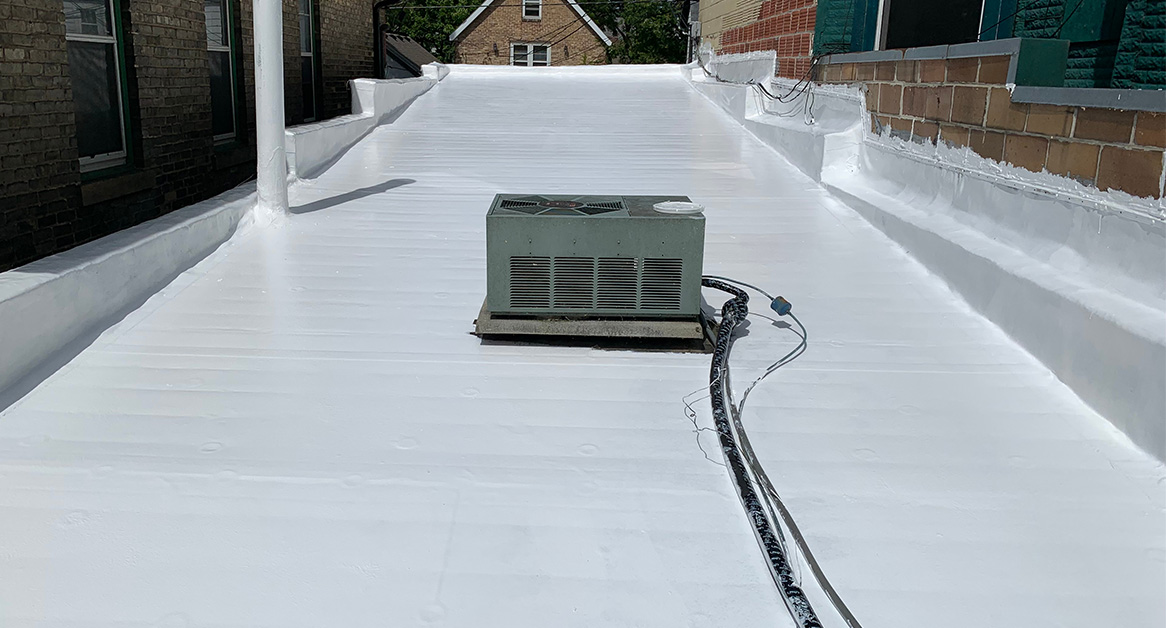
A roof coating is a liquid-applied system that creates a seamless film over your entire roof surface. This continuous layer seals fastener heads, overlaps, and tricky areas around chimneys and vents. These are the specific places where leaks often start during heavy rainstorms.
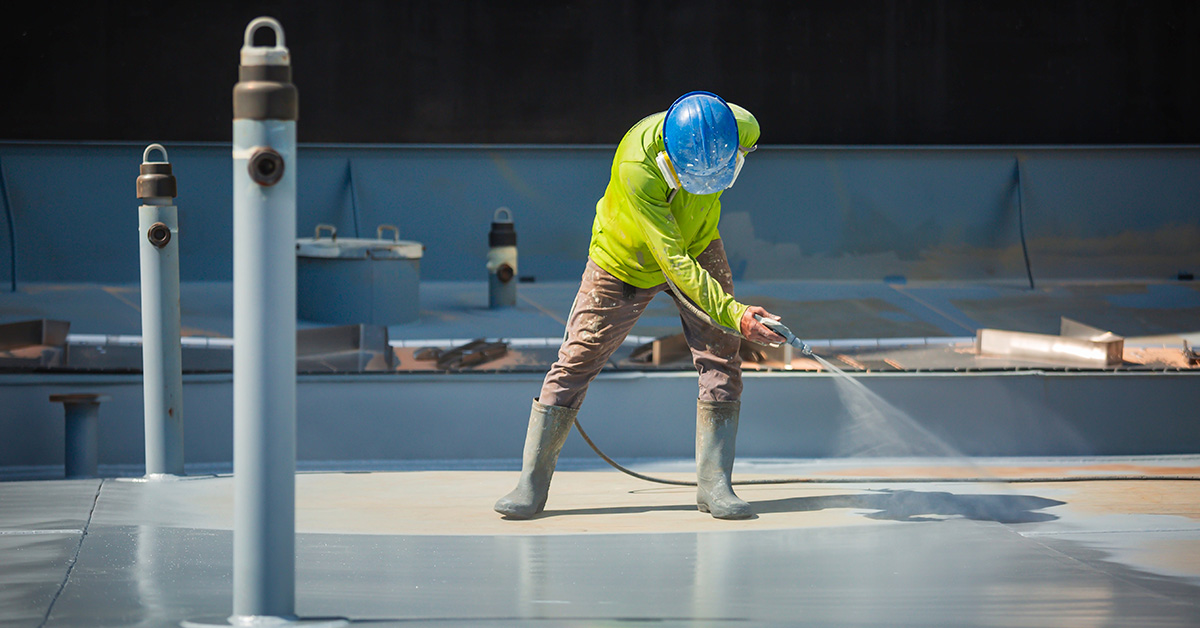
Silicone and polyurethane coatings are particularly effective for flat or low-slope roofs that deal with ponding water. These coatings withstand prolonged exposure to standing water without peeling or softening. This durability prevents water from seeping into insulation or causing interior damage. For roofs with minor cracks, waterproof coatings offer a cost-effective alternative to full roof replacement.
Impact Resistance for Hail and Debris
Roof coatings bolster impact resistance to extend your roof’s lifespan. Elastomeric coatings create a durable surface that spreads out the force of hailstones or wind-driven debris. This cushioning effect reduces the likelihood of bruising, granule loss, or punctures.
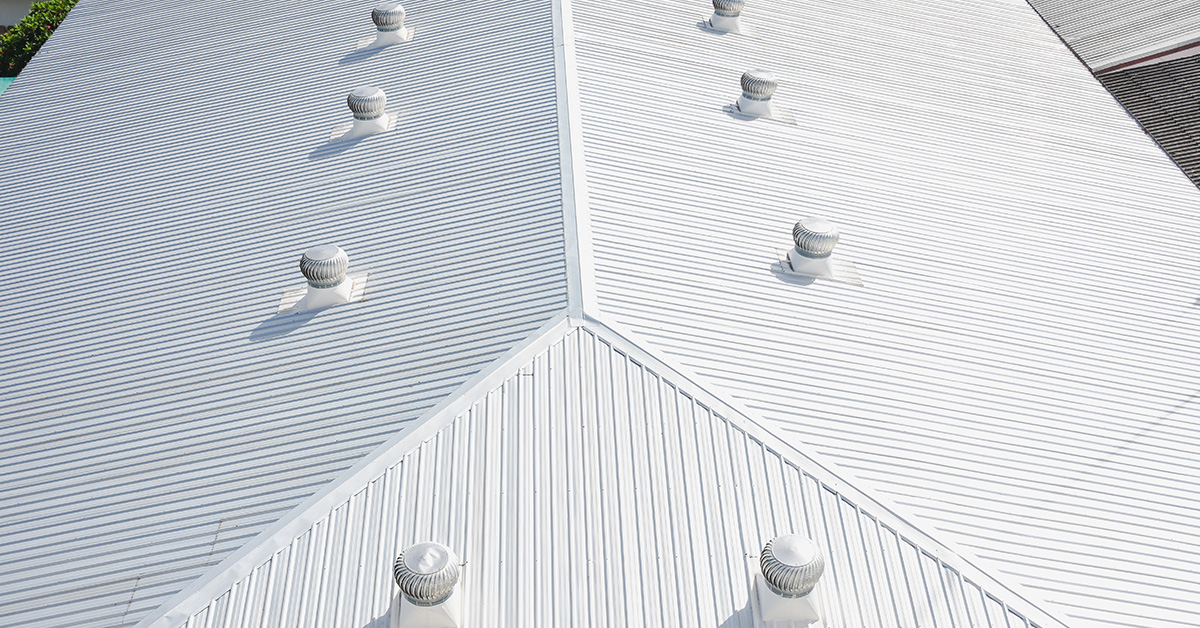
While these coatings handle minor to moderate impacts well, they are not a foolproof shield against large, catastrophic hail. We recommend these coatings as a way to minimize everyday wear and tear. You should still maintain proper insurance and schedule post-storm inspections to catch any hidden damage.
Roof Coating Pros & Cons
Acrylic Coatings
Acrylic coatings are the most budget-friendly option for protecting roofs from UV damage. These water-based membranes reflect sunlight to help reduce heat buildup. Thanks to their flexibility, they handle temperature swings effectively, which makes them a great choice for Oklahoma summers.

The primary benefit of acrylic is affordability. However, it has a key drawback: it does not perform well under ponding water. If water sits on your roof for long periods, the coating can break down. For this reason, we recommend acrylic coatings specifically for sloped roofs with efficient drainage.
Silicone Coatings
Silicone coatings provide superior water resistance. This makes them our top pick for flat or low-slope roofs in rainy climates. These coatings create a seamless barrier that resists ponding water and moisture. They are also highly UV-stable, meaning they will not degrade under constant sunlight.
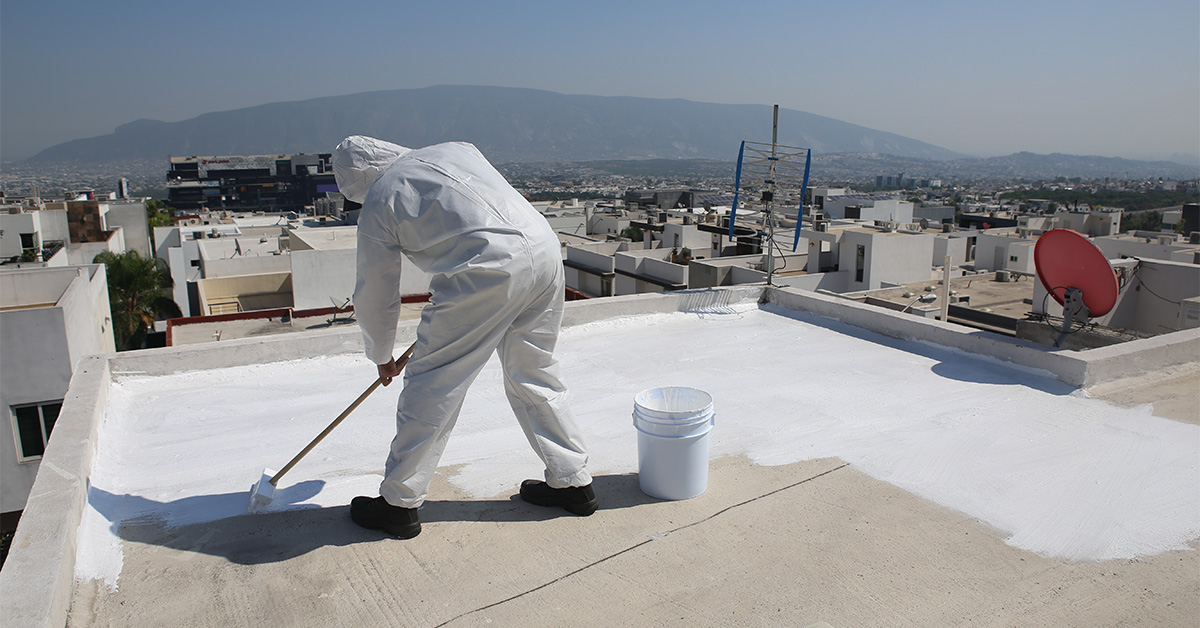
While silicone carries a higher price tag, the durability and minimal maintenance requirements often make it the best long-term investment. Note that application requires professional equipment, as the surface can become slippery when wet during the process.
Polyurethane Coatings
If your roof faces heavy physical stress, polyurethane coatings offer the durability you need. These coatings provide excellent impact and abrasion resistance. They are ideal for commercial roofs with HVAC equipment or areas prone to frequent hail.
Polyurethane acts as a tough shield against debris while offering strong waterproofing. We often pair these with spray polyurethane foam (SPF) systems for a combination of insulation and protection. While they cost more than acrylic, their ability to handle repeated impacts makes them a smart choice for demanding environments.

How to Choose the Right Roof Coating
Assess Your Roof’s Condition and Material
Before we apply any coating, we must ensure your roof is structurally sound. A coating extends the life of a roof, but it cannot fix rot or sagging decking. We check for leaks, cracks, and rust first. If your roof has widespread structural damage, a replacement may be necessary.
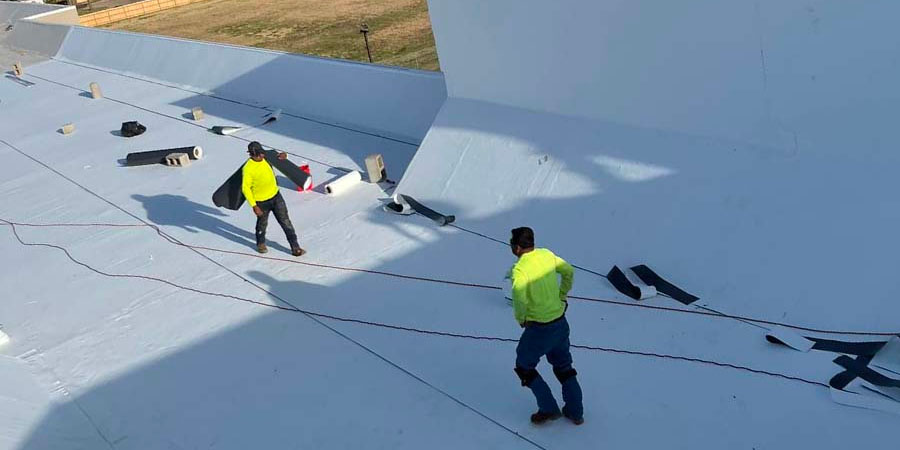
Your roof material dictates the best coating choice:
- Low-slope roofs: Modified bitumen or built-up roofing works best with silicone or polyurethane.
- Metal roofs: These require a rust-inhibiting primer followed by a reflective topcoat.
- Asphalt shingles: These require specialized coatings to avoid trapping moisture or voiding your manufacturer warranty.
Match Coating to Weather Challenges
Weather is the biggest factor in coating performance. In Oklahoma, reflective acrylic or silicone coatings are essential for lowering roof temperatures. These systems can reduce roof surface temperatures by as much as 50°F compared to dark, uncoated roofs.

If your building deals with standing water, silicone is the only reliable choice. For areas with high hail risk, we prioritize the elasticity of polyurethane. We customize the coating thickness and reinforcement to address your specific local threats.
Consider Energy Efficiency and Maintenance
Reflective coatings are a powerful tool for reducing cooling costs. Most high-quality coatings reflect 70 to 85% of solar energy. We look for high Solar Reflectance Index (SRI) ratings to ensure your energy efficiency lasts for years.
To maximize your investment, we recommend inspections at least once a year. We look for punctures, peeling, or seam issues. Keeping the roof clear of debris is vital, as buildup can reduce reflectivity and trap moisture against the coating.

How Pro-Tech Roofing Can Help
Professional Roof Inspections and Recommendations
Our process starts with a free inspection led by Larry Wilson, our owner with over three decades of experience. We examine your roof and attic for leaks, hail damage, and ventilation issues. Larry’s philosophy is simple:
“I will treat your roof like it was my own.”
Expert Installation and Long-Term Support
We maintain full licensing, insurance, and certifications from industry leaders like GAF, Owens Corning, CertainTeed, and Malarkey. Our professional-grade installations can extend your roof’s life by up to 25 years. As our client David McKellips shares:
“He stands by his work (because it’s good). I won’t need a roof for a long time, but I will call them again.”

Conclusion
Roof coatings offer a budget-friendly way to shield your property from Oklahoma’s unpredictable weather. When applied properly, these systems create a waterproof barrier against UV rays, rain, and hail. Reflective coatings also lower your energy bills, providing major relief during sweltering Tulsa summers. If you are seeing recurring leaks or rising cooling costs, a coating may be the ideal solution for your building.
FAQs
What’s the best way to choose a roof coating for your local weather?
We recommend factoring in your primary weather threats. For intense sun, use UV-resistant coatings. For frequent rain or flat surfaces, use silicone for its waterproofing qualities. For hail-prone areas, prioritize impact-resistant polyurethane.
What upkeep is needed after applying a roof coating?
You should check for cracks or peeling annually. Clear away debris like leaves and branches to prevent moisture traps. Depending on the coating type and climate, you may need a fresh topcoat every 5 to 10 years to maintain maximum protection.
Can you apply a roof coating without replacing the existing roof?
Yes, we usually apply coatings directly over the existing roof. This eliminates the cost of a full tear-off while increasing the roof’s lifespan. However, the underlying structure must be in good condition before we begin the application.