
In Oklahoma, hailstorms cause significant roof damage every year, forcing many homeowners into a frustrating cycle of frequent roof replacements. Asphalt shingles, common in Tulsa, often fail under the state’s extreme weather, including hailstones over 3 inches in diameter. Stone-coated steel roofing offers a durable, long-lasting solution. It combines the strength of steel with a tile-like appearance, withstands severe hail impacts, and lasts 50–70 years – far outpacing asphalt’s 12–25 years. While the upfront cost is higher, it reduces long-term expenses by minimizing replacements and even lowers insurance premiums by 15–28%. Pro-Tech Roofing specializes in these systems, providing expert installation and free inspections for Tulsa homeowners.

Stone Coated Steel Roofing
sbb-itb-66ccccd
Tulsa’s Hail Problem and What It Does to Your Roof
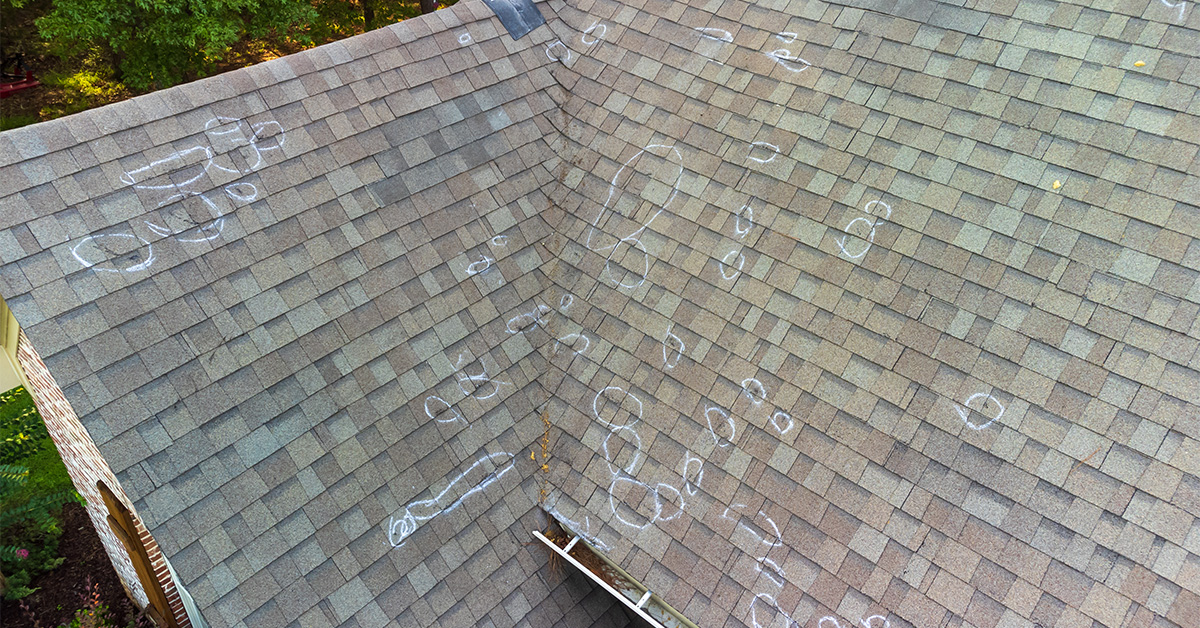
Tulsa sits right in the middle of Hail Alley, a region where hailstones – ranging from the size of a quarter to as large as a softball – regularly batter roofs. This constant exposure to hail significantly shortens the lifespan of roofs, far below the 25 years many homeowners expect. The result? Expensive replacements sooner than anticipated.
Even smaller hailstones, around 1.25 inches, can cause hidden damage to standard shingles, like granule loss and fractures, which lead to early roof failure. With hail measuring 2 inches or more, non-impact-rated asphalt roofs often sustain catastrophic damage, even if the issues aren’t visible from the street. On top of that, Oklahoma’s extreme weather – scorching 100°F days followed by rapid overnight cooling – adds extra stress to asphalt roofs, wearing down fasteners and seams well before the next storm rolls in.
The Real Cost of Replacing Your Roof Every 10–15 Years
Over five decades, the cumulative cost of replacing asphalt roofs can be staggering. Each replacement typically costs between $9,500 and $16,500, and that’s not even counting the out-of-pocket deductible expenses. With Oklahoma insurers now requiring 2% wind and hail deductibles, a home valued at $350,000 could leave homeowners with $7,000 in out-of-pocket costs every time a major storm hits. Just one or two significant claims within 15 years could match or even exceed the price difference between asphalt and a premium roofing system. Add to that the risk of policy non-renewals due to frequent claims, and the financial burden becomes even heavier.
After a Storm: Why Homeowners Should Think Beyond a Quick Fix
What you decide after a hailstorm can have a lasting impact on your finances and your roof’s performance. Many homeowners feel tempted to opt for quick repairs or a like-for-like replacement, but this approach only continues the cycle of damage. As RainTech Roofing explains:
“The ‘I’ll just file claims when it hails’ strategy used to be viable in Oklahoma. It’s getting much less so. Carriers are getting more selective about which claims they’ll honor without policy consequences.” – RainTech Roofing
Replacing your roof after a storm offers a chance to upgrade. A professional inspection and side-by-side quotes can help clarify the benefits of investing in a more durable solution. Insurance payouts can cover part of the expense, and a thorough inspection is essential to catch hidden damage that could lead to leaks within months. If you’re in Tulsa, Pro-Tech Roofing can evaluate your storm damage and provide expert roofing solutions. Visit them at 1107 N 105th E Ave, Tulsa, OK. Upgrading to a resilient option like stone-coated steel now could save you from costly replacements down the road.
Why Asphalt and Tile Roofs Struggle in Oklahoma Weather
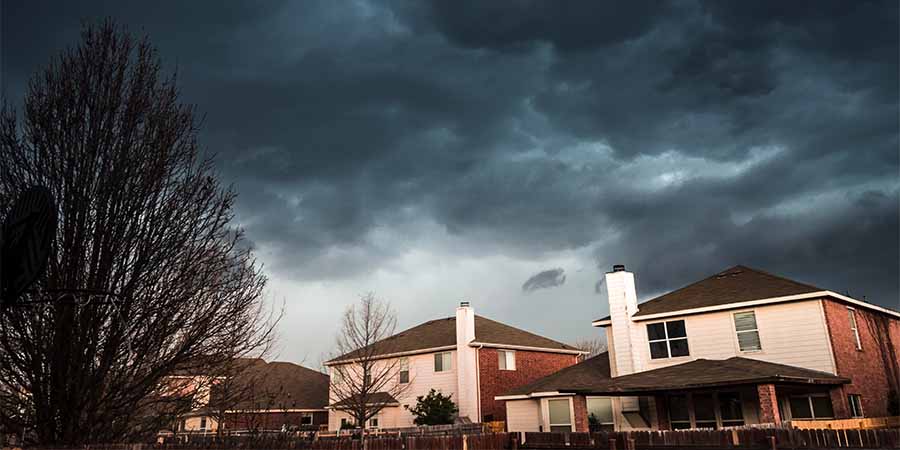
Tulsa’s challenging weather makes it essential to understand how different roofing materials hold up. With hailstorms, intense heat, and sudden temperature swings, the climate puts most roofs to the test from the moment they’re installed.
How Hail Wears Down Asphalt Shingles Over Time
Hail damage to asphalt shingles can be sneaky. When hailstones strike, they dislodge the granules embedded in the shingles. These granules protect the shingle’s surface, and once they’re gone, the sun starts breaking down the exposed material, causing it to dry out and crack over time.
Tulsa’s heat makes things worse. Attic temperatures can soar past 150°F in the summer, and Oklahoma’s wild temperature fluctuations – sometimes over 50 degrees in a single day – speed up the wear and tear. These swings weaken fasteners and seams, leading to a roof that might look fine from a distance but is deteriorating underneath.
“A standard architectural shingle starts taking damage from hailstones as small as 1.25 inches. By 2 inches, a non-Class-4 roof is often a total loss.” – RainTech Roofing
Oklahoma’s harsh conditions shorten the lifespan of asphalt roofs by 30–40% compared to the national average. A shingle rated for 25 years might only last 12–15 years in Tulsa. This makes it clear why exploring more durable options is so important for homeowners in the area.

Why Traditional Concrete and Clay Tile Is a Poor Fit for Hail Country
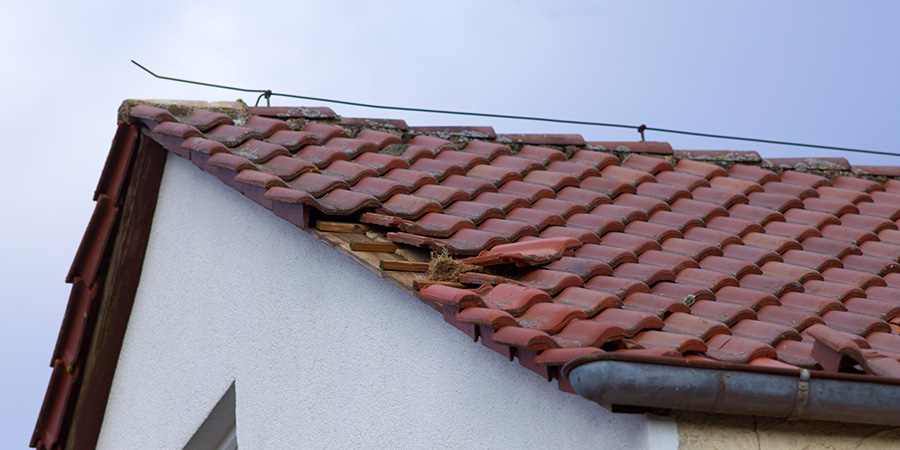
While traditional tile roofs are visually appealing and durable under stable conditions, they don’t fare well in hail-prone regions. The main issue is their brittleness. Unlike steel, which can flex slightly upon impact, tiles crack or shatter when hit by hail.
Broken tiles don’t just cause leaks – they can also slide off the roof, leaving the underlayment exposed and creating safety risks below. Repairs are tricky too. Walking on a tile roof to fix damage often results in more cracked tiles, adding to the problem.
Another drawback is weight. Traditional tiles weigh between 600 and 900 lbs per square, and many Tulsa homes aren’t built to handle that load. Reinforcing the structure to support tile can add $5,000 to $15,000 to the overall cost before installation even begins.
Asphalt vs. Traditional Tile vs. Stone-Coated Steel: A Side-by-Side Look
Here’s a comparison of asphalt shingles, traditional tile, and stone-coated steel to highlight how they perform under Oklahoma’s demanding conditions:
| Feature | Asphalt Shingles | Traditional Clay/Concrete Tile | Stone-Coated Steel |
|---|---|---|---|
| Lifespan | 12–25 years | 50–100 years | 50–70 years |
| Hail Resistance | Low to Moderate (Class 4 available) | Poor – brittle; shatters on impact | High – Class 4 rated |
| Weight | 200–300 lbs | 600–900 lbs | ~150 lbs |
| Wind Rating | 60–130 mph | Moderate – weight may contribute to wind uplift | 160–180 mph |
| Maintenance | High – granule loss, sealant failure | High – cracking, fragility | Very Low |
| Structural Upgrade Needed? | No | Often yes – $5,000–$15,000 | No |
The takeaway is clear. Asphalt roofs break down quickly in Oklahoma’s climate, and traditional tiles bring their own set of challenges. Stone-coated steel stands out as a practical alternative – it’s lightweight, highly resistant to hail, and built to last for decades with minimal upkeep.
What Stone-Coated Steel Roofing Offers Tulsa Homeowners
Stone-coated steel roofing is built to handle Tulsa’s intense weather conditions. It combines the durability of steel with a layer of stone granules, offering exceptional hail resistance and stunning curb appeal that outperforms standard asphalt and traditional tile options.
Class 4 Impact Rating: What It Means for Hail Protection
The UL 2218 Class 4 rating is the highest level of impact resistance for roofing materials. Stone-coated steel surpasses these standards, with tests showing it can endure simulated hailstones up to 2.5 inches in diameter.
This strength comes from its unique construction. The stone granules on the surface not only enhance the texture but also help absorb and distribute the force of impacts across the steel base.
“The stone granules on Stone Coated Steel are not just decorative; they act as an energy-dispersing ‘armor.’ When hail strikes, the granules break up the point of impact and spread the force across a wider area of the steel substrate.” – JCROOF Industry News
Additionally, the interlocking panel design ensures the roof stays intact. These panels are secured with specialized fasteners, preventing issues like lifting or shearing during the high winds that often accompany hailstorms. For Tulsa homeowners, this means a roof that withstands the full storm, offering both protection and style.
The Look of Tile Without the Weight
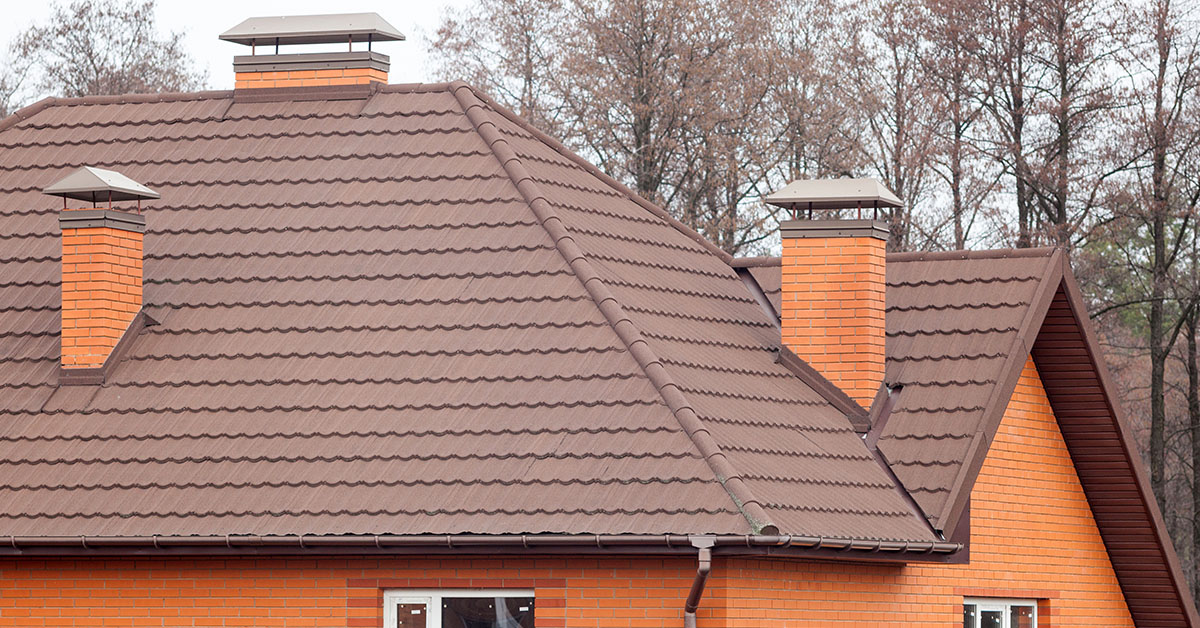
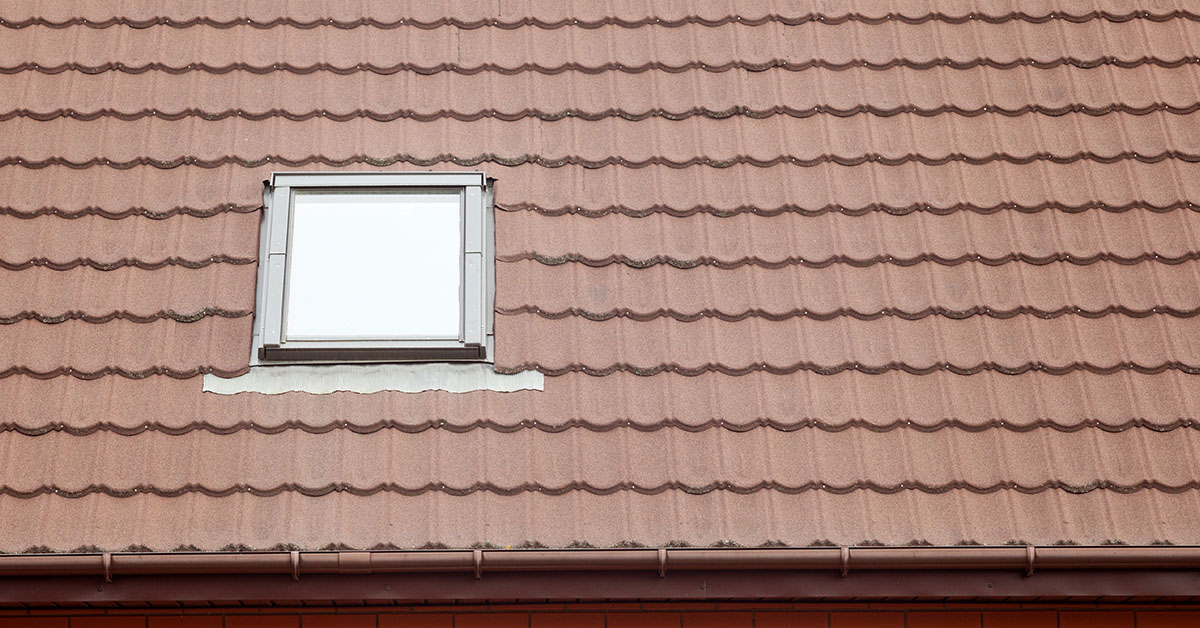
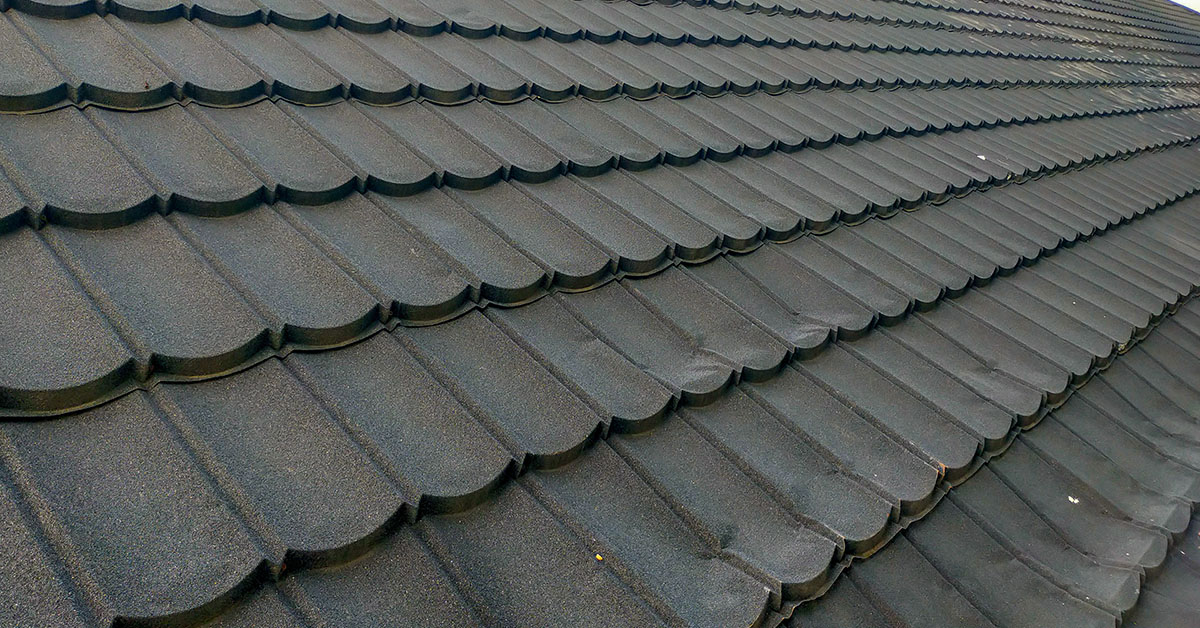
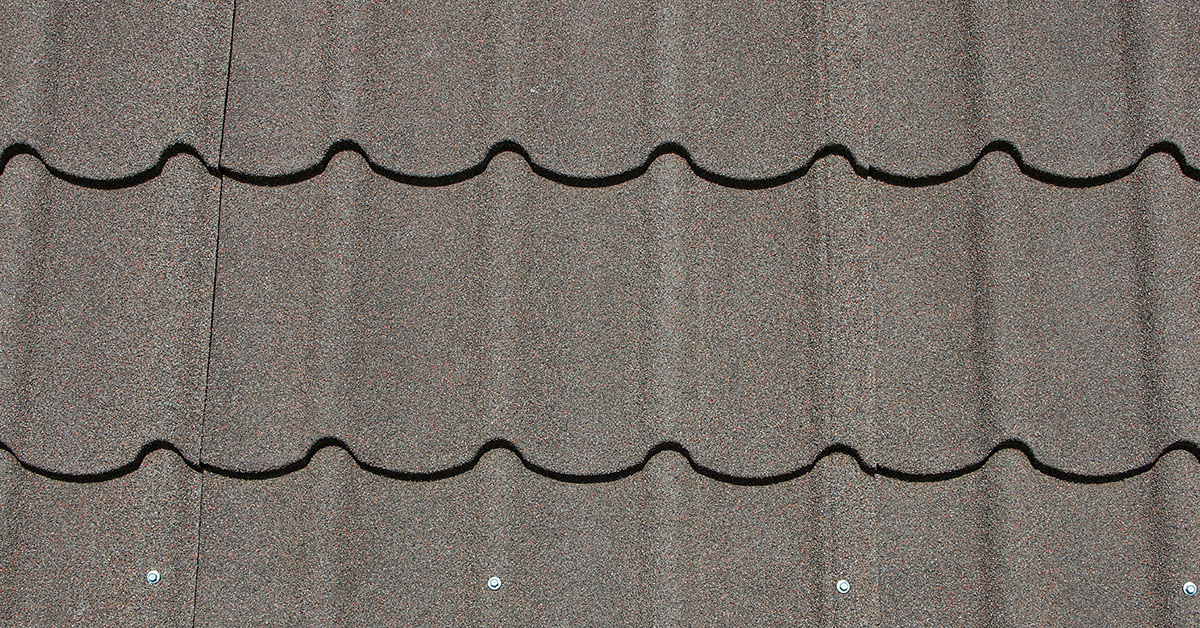
Stone-coated steel roofing combines the elegance of tile with a lightweight design. Zinc-aluminum steel is shaped to imitate popular styles like Mediterranean barrel, slate, French, or wood shake tiles. These are then coated with natural stone granules bonded by acrylic resin.
Unlike traditional tile, which can be heavy and require costly structural reinforcements, stone-coated steel weighs only ~150 lbs per square. This makes it an attractive alternative for homeowners who want the look of premium tile without the added weight.
Lifespan, Fire Resistance, and Energy Performance
In Tulsa’s challenging climate, durability is a must. Stone-coated steel roofs are built to last 50 to 70 years, often backed by a 50-year transferable limited warranty – far outlasting asphalt shingles in Oklahoma’s extreme conditions.
These roofs also offer a Class A fire rating, the highest level of protection against external fire risks. On the energy efficiency front, the reflective stone surface helps reduce heat absorption during Tulsa’s scorching summers, while batten installation creates an insulating air gap between the panels and the roof deck. Together, these features can lower cooling costs by 15% to 25%. Plus, the material’s high thermal emissivity allows it to release heat quickly in the evening, helping your home cool down faster after a hot day.
With their long lifespan, fire protection, and energy-saving properties, stone-coated steel roofs offer an excellent solution for Tulsa’s unpredictable weather. Whether you’re repairing damage after a storm or planning a proactive upgrade, Pro-Tech Roofing provides free inspections at 1107 N 105th E Ave, Tulsa, OK. For more details, visit the stone-coated steel roofing tile service page.
The Long-Term Financial Case for Stone-Coated Steel
Lower Lifetime Costs Compared to Asphalt
Stone-coated steel roofing might initially seem pricey, costing between $22,000 and $45,000 for a 2,200 sq. ft. home, compared to $8,500 to $14,000 for asphalt shingles. But this upfront comparison doesn’t tell the whole story.
Over 50 years, asphalt roofs often need to be replaced three times, while stone-coated steel typically lasts the entire period with just one installation. When you factor in the cost of multiple asphalt replacements, the price difference shrinks considerably. And that’s before considering reduced maintenance and potential insurance savings.
| Feature | Asphalt Shingles | Stone-Coated Steel |
|---|---|---|
| Upfront Cost (2,200 sq. ft.) | $8,500 – $14,000 | $22,000 – $45,000 |
| Lifespan | 15 – 25 Years | 50 – 70 Years |
| Replacements Over 50 Years | ~3 | 1 |
| Maintenance Needs | Moderate | Very Low |
These long-term savings make stone-coated steel a compelling choice, especially when paired with insurance discounts.
How a Class 4 Roof Can Lower Your Insurance Premiums
Beyond the reduced replacement frequency, stone-coated steel can also save you money on insurance. In Oklahoma, many insurers offer 15–28% premium discounts for homes with Class 4 impact-resistant roofs. For the average homeowner, this could mean $200–$300 in annual savings, adding up to $5,000–$7,500 over 25 years.
The savings don’t end there. Many Oklahoma homeowners face a 2% wind and hail deductible. On a $350,000 home, that’s $7,000 out of pocket for each claim. A durable, hail-resistant roof reduces the likelihood of damage, meaning fewer claims – and fewer hefty deductible payments.
“Avoiding just one or two deductible payments over the life of the roof can effectively pay for the cost difference between metal and shingles.” – Koalaty Roofers
To take advantage of these discounts, you’ll need to act. Submit the UL 2218 Class 4 certification and your contractor’s invoice to your insurer – these savings aren’t usually applied automatically. It’s also worth comparing policies after installation, as premium reductions of 20–30% can vary by carrier.
For those concerned about upfront costs, financing options can help bridge the gap.
Financing Options That Make the Upgrade Reachable
The higher initial cost of stone-coated steel is often a sticking point for homeowners. That’s where financing comes in. Pro-Tech Roofing partners with GreenSky to provide flexible payment plans, including 0% interest promotions for 6 or 12 months and fixed-rate loans for up to 84 months. The application process is online, unsecured, and doesn’t require collateral.
If your roof has storm damage, an inspection by Pro-Tech Roofing could reveal that insurance might cover most of the replacement cost, leaving you responsible only for the deductible. Combining insurance funds with financing can make upgrading to stone-coated steel far more affordable. Schedule a free inspection at 1107 N 105th E Ave, Tulsa, OK, or check out your financing options to see what works for your budget.
Why Work with Pro-Tech Roofing for Stone-Coated Steel
Stop the Cycle of Hail Damage and Repeated Replacements
Asphalt roofs often can’t handle repeated hail impacts, leading to a frustrating cycle: a storm damages the roof, a claim is filed, the deductible is paid, and the roof gets replaced – only for the process to repeat a few years later. Stone-coated steel roofing puts an end to this pattern. With a 50-year transferable limited warranty and panels proven to withstand 2.5-inch simulated hailstones, this option provides a long-lasting solution. It’s a one-time investment that reduces the need for frequent repairs and eliminates the ongoing costs of replacing your roof every decade.
Pro-Tech Roofing’s Experience with High-End Roofing Systems
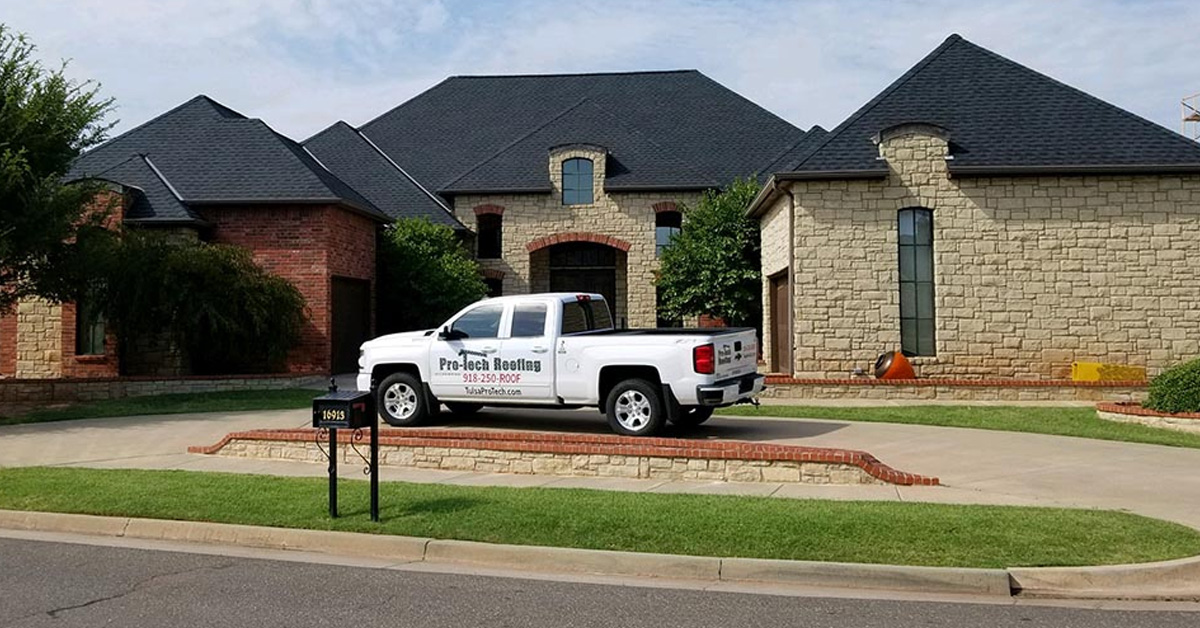
Pro-Tech Roofing has been perfecting its craft since 2003, specializing in premium materials like stone-coated steel, slate tile, clay tile, copper, and cedar wood shake. These materials require precise installation techniques, especially for stone-coated steel. Unlike asphalt shingles, stone-coated steel uses an interlocking panel system with specific fastening requirements. A poorly installed system can fail during severe weather, but Pro-Tech’s expertise ensures your roof is built to withstand Oklahoma’s 160–180 mph wind ratings.
Want to see your options up close? Visit Pro-Tech’s showroom off Highway 169 in Tulsa, where you can explore various stone-coated steel profiles, including barrel tile, French tile, and wood shake. This hands-on experience helps you choose a style that complements your home before any work begins.
Your Next Steps: Inspect, Plan, and Upgrade
Pro-Tech Roofing brings decades of experience to every project and guides you through the entire process. Start with a free roof inspection. Hail damage isn’t always easy to spot from the ground, and some issues may not appear until months after a storm. Their inspection includes detailed photos and a clear, upfront estimate, so you’ll know exactly what needs attention before making any decisions.
Next, review your insurance policy with your agent to check for premium discounts available for a Class 4 impact-resistant roof. After installation, Pro-Tech will provide the manufacturer’s UL 2218 Class 4 certification, which you can submit to your insurance carrier to secure the discount.
Ready to take the next step? Visit Pro-Tech Roofing at 1107 N 105th E Ave, Tulsa, OK, explore your stone-coated steel roofing options, or get in touch to schedule your inspection today.
FAQs
Will my home need structural changes for stone-coated steel?
Stone-coated steel roofing is lightweight, so in most cases, it can be installed directly onto your existing roof deck without requiring structural changes. Unlike heavier options like clay or concrete tiles, it typically doesn’t need additional reinforcement. Pro-Tech Roofing ensures a secure installation by firmly attaching the panels, providing a durable upgrade that’s resistant to wind and impact while seamlessly fitting with your home’s design.
How do I get the Class 4 insurance discount?
To get a Class 4 insurance discount in Oklahoma, start by reaching out to your insurance agent to confirm if you qualify and what documentation you’ll need. Once your stone-coated steel roof is installed, obtain a manufacturer’s certificate that verifies its UL 2218 Class 4 rating. Submit this certificate, along with any required forms, to your insurance company. Finally, review your policy to make sure the discount is reflected at your next renewal.
Can stone-coated steel go over my existing roof?
Installing stone-coated steel roofing over your existing roof largely depends on the state of your current roof deck. To determine this, a professional inspection is crucial. This step will reveal whether a complete tear-off is necessary to provide a stable base. Since steel panels need to be secured directly to the roof deck, it’s important to ensure your home is properly prepared for this long-lasting roofing option.