
Metal roof restoration offers a cost-effective alternative to full roof replacement, saving up to 80% on materials and installation costs and extending the roof’s lifespan by 10–20 years. This process involves cleaning, repairing, and applying protective coatings, which can also lower energy bills by 15–25%, reduce maintenance expenses, and increase property value.

Key points:
- Cost Savings: Restoration costs $2–$10 per square foot, 50–70% less than replacement.
- Energy Efficiency: Reflective coatings can cut cooling costs by up to 25%.
- Maintenance: Restored roofs require minimal upkeep, reducing long-term expenses.
- Insurance Discounts: Durable, impact-resistant roofs may lower premiums by up to 35%.
- Property Value: Restored roofs can boost resale value by up to 6%.
For property owners, especially for commercial roofing in Tulsa, restoration provides an affordable way to improve roof performance, reduce costs, and enhance long-term savings.
What’s the Ballpark Cost to Restore a Commercial Metal Roof?
Financial Benefits of Metal Roof Restoration
Restoring a metal roof offers clear financial advantages that go far beyond the upfront costs. For property owners in Tulsa, OK, the savings are particularly notable, as explored in our Tulsa roofing blog.
Energy Efficiency and Lower Utility Bills
One of the standout benefits of metal roof restoration is improved energy efficiency. Reflective coatings applied during the process act like a shield against Tulsa’s intense summer heat, bouncing solar radiation away from the building. This keeps indoor spaces cooler and reduces the workload on air conditioning systems. On average, homeowners can expect to save 15–25% annually on cooling costs.
These coatings are designed to reflect and emit heat effectively, and when paired with advanced installation techniques, the energy savings become even more pronounced.
"From high tech, quality metal material to better, more efficient installation methods, this project clearly shows how making the right choices when re-roofing your home can increase performance, durability and value over the long run."
– Renee Ramey, Executive Director, Metal Roofing Alliance
Homeowners can also take advantage of federal tax incentives, which offer a 30% credit (up to $1,200 annually) for Energy Star-certified metal roof coatings. These savings, combined with reduced energy bills, make restoration an attractive option.
Additionally, restored metal roofs help cut down on ongoing maintenance costs, adding even more value.
Lower Maintenance Expenses
Compared to other roofing materials, restored metal roofs require significantly less upkeep. Traditional built-up roofs, for instance, typically cost between $0.04 and $0.06 per square foot annually in maintenance. In contrast, a properly coated metal roof eliminates much of this recurring expense. Over a 60-year lifespan, metal roofs cost 68% less than flat roofs, which often need replacement every 20 years.
The durability of restored metal roofs also minimizes the need for emergency repairs. These roofs are built to withstand wind speeds over 140 mph and often come with a Class 4 impact resistance rating – the highest available. In a city like Tulsa, where hailstorms are frequent, this resilience translates to fewer repair costs over time.
"A metal roof, properly installed, requires no maintenance. If you’re not spending 4 to 6 cents per square foot per year on a built-up roof, you’re shortening its life span."
– Rob Haddock, Founder, S-5!
The restoration process itself involves industrial-grade cleaning, rust neutralization, and the application of elastomeric coatings. This creates a seamless, watertight barrier that prevents the gradual deterioration common with neglected roofs . While maintenance needs are minimal, scheduling annual inspections and checking after major storms ensures any emerging issues are addressed promptly.
These reduced maintenance demands also open the door to additional savings through lower insurance premiums.
Insurance Premium Reductions
Restored metal roofs are not only durable but also safer, which can lead to substantial insurance savings. Thanks to their natural fire resistance and ability to withstand extreme weather without cracking or eroding, metal roofs are considered a lower risk by insurers. In many cases, maintaining a high-quality metal roof can reduce homeowner’s insurance premiums by up to 35%.
The Class 4 impact resistance rating often qualifies property owners for further discounts. After completing a restoration, it’s worth consulting with your insurance provider to explore potential savings tied to these improvements.
When you factor in energy savings, reduced maintenance costs, and insurance discounts, the financial benefits of metal roof restoration become even more compelling. With restoration typically costing 50–70% less than a full replacement, it’s a smart investment for both residential and commercial property owners. These savings highlight the long-term value of choosing restoration over replacement.
Property Value Impact and Cost Recovery
How Restoration Increases Property Value
Restoring a metal roof can increase a home’s resale value by as much as 6%. For instance, on a $300,000 property, this could mean an added value of $18,000. According to a 2022 survey by the National Association of REALTORS®, a new roof ranks as one of the most appealing exterior features for potential buyers. Metal roofs, especially those that reflect up to 90% of sunlight, are particularly attractive to buyers who prioritize energy efficiency and lower utility costs. These benefits align with the energy and maintenance savings already discussed.

"A roof replacement can improve the curb appeal of the house, boost its resale value, increase its energy efficiency, and help sell it faster."
– Zev Freidus, Founder, ZFC Real Estate
Features like a Class A fire rating or a transferable warranty can also justify a higher asking price, making the property even more appealing to buyers.
Recovering Costs Within 2 Years
Investing in a metal roof restoration pays off quickly, with 61.2% of costs recovered within two years. On a national level, cost recovery averages around 85.9%, and in parts of the Eastern United States, it can climb as high as 95.5%. Add to this the ongoing energy savings of 15–40% on cooling costs and reduced maintenance expenses, and the financial benefits become even more compelling.

"A well-maintained roof that is relatively new can be an attractive selling point for a home."
– Mark Buskuhl, Founder and CEO, Ninebird Properties
Homeowners can maximize their returns by conducting a pre-listing inspection. This allows them to address minor issues through restoration, avoiding potential price negotiations with buyers. These strong financial metrics make it worthwhile to explore the ROI of different metal roof types.
Cost Per Square Foot by Roof Type
The cost of restoration varies by roof type, providing clarity on affordability and potential returns. Standing seam roofs, for example, deliver an ROI of $4.20 to $21.00 per square foot. Meanwhile, metal shingles offer returns of $4.20 to $15.40 per square foot.
| Metal Roof Type | Restoration ROI (per Sq. Ft.) | Key Characteristics |
|---|---|---|
| Standing Seam | $4.20–$21.00 | Premium look with the highest ROI |
| Metal Shingles | $4.20–$15.40 | Mimics traditional styles |
| Corrugated Sheets | $2.10–$10.50 | Industrial aesthetic, moderate ROI |
| Sheet Metal | $2.40–$4.55 | Most affordable option |
Material selection also plays a significant role in ROI. Copper roofs, for instance, can yield returns of $9.00 to $21.00 per square foot, while steel ranges from $3.60 to $11.20 per square foot. For homeowners in Tulsa, OK, the choice of material and style should align with the property’s type, budget, and market trends. Commercial buildings often benefit from standing seam systems, while residential properties see strong returns with metal shingles that match neighborhood styles.

The restoration process itself – covering cleaning, rust neutralization, and applying elastomeric coatings – costs 50–70% less than a full roof replacement. This cost advantage, combined with the impressive ROI, underscores the financial and long-term benefits of restoring a metal roof.
sbb-itb-66ccccd
Lifecycle Cost Savings Over Time
Restoration vs. Replacement Costs
Over a span of 60 years, metal roofs can save up to 68% compared to flat roofs, with savings of 22% at 20 years and 60% at 40 years. While metal roofs can last beyond six decades with periodic restoration, flat and asphalt shingle roofs typically need replacement every 15–20 years.

"At the 20-year mark, the total cost for a metal roof would be 22 percent less than a flat roof. At 40 years, it would be 60 percent less. And at 60 years, it would be 68 percent less."
– Chuck Howard, PE, President, Metal Roofing Consultants
A single restoration can extend the lifespan of a metal roof by 10–20 years, and structurally sound metal roofs can often undergo multiple restorations. This process delays the high expense of full roof replacement while maintaining durability and performance. These upfront savings lead to substantial cumulative benefits over time, particularly in energy efficiency and maintenance costs.
Cumulative Energy and Maintenance Savings
The long-term value of metal roofs goes beyond just installation costs. With reflective coatings, metal roofs can lower cooling expenses by 20–30% compared to asphalt shingles. For instance, in hot regions like San Antonio, Texas, a reflective metal roof can save around $500 annually in cooling costs – adding up to $25,000 over 50 years.
Maintenance costs further highlight the savings. Metal roofs typically require less than $100 annually for upkeep, while asphalt shingles cost between $150 and $300 per year. Built-up roofs demand 4–6 cents per square foot annually, which increases long-term expenses. In contrast, restored metal roofs need almost no ongoing maintenance. When combined, these energy and maintenance savings significantly compound over decades, making metal roofs a cost-effective choice for the long haul.
60-Year Cost Comparison Table
The table below compares total lifecycle costs for different roofing systems, showcasing how metal roof restoration outshines alternatives that require frequent replacements:
| Roof Type | Expected Lifespan | Replacements Needed (60 Years) | Total Cost vs. Flat Roof (60 Years) |
|---|---|---|---|
| Metal (Restored) | 60+ Years | 0 (Requires Restoration) | 68% Lower |
| Flat Roof | 20 Years | 3 | Baseline (100%) |
| Asphalt Shingles | 15–20 Years | 3–4 | Higher than Baseline |
Although metal roofs may initially cost about 30% more than flat roofs, their exceptional lifespan eliminates the need for multiple replacements. This long-term outlook highlights their true value: a single metal roof installation with periodic restoration proves far more economical than continually replacing shorter-lived roofing options.
Case Studies: Restoration ROI Examples
Commercial Property Examples
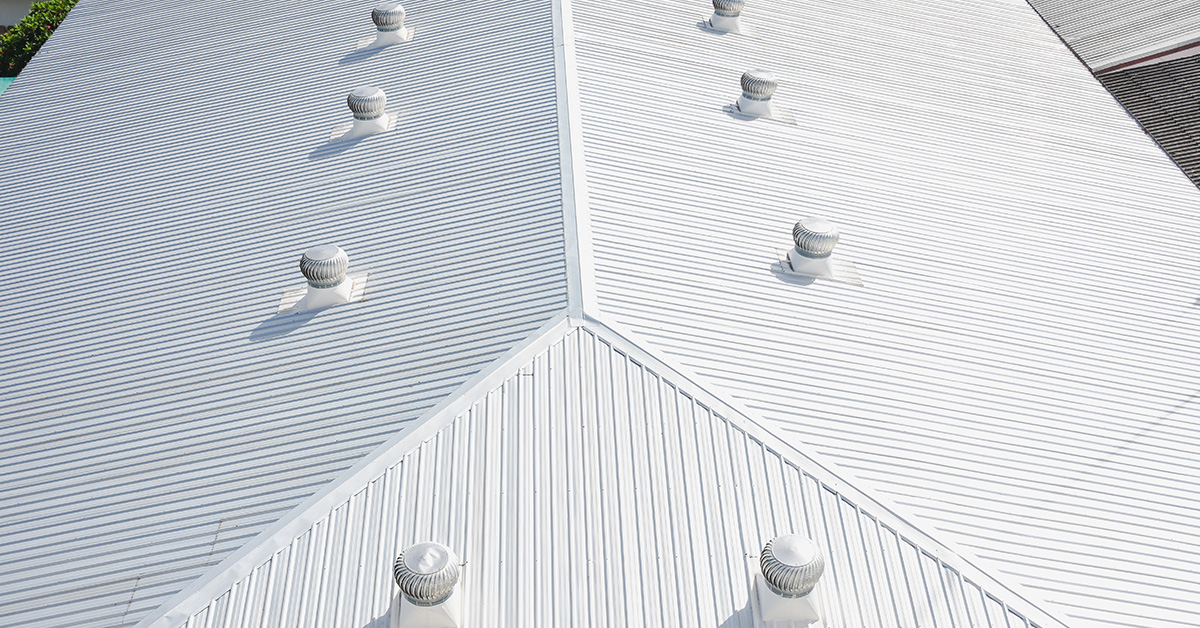
Commercial buildings opting for metal roof restoration often see big energy savings. Reflective coatings can slash energy costs by up to 25%, while restoration itself recoups 61.2% of its cost within just two years. On top of that, restoration avoids the hefty expenses tied to demolition and disposal of old materials, making it a smart financial choice for commercial properties. Add in coatings that lower cooling bills, and the financial perks become even more evident.
Residential Property Examples
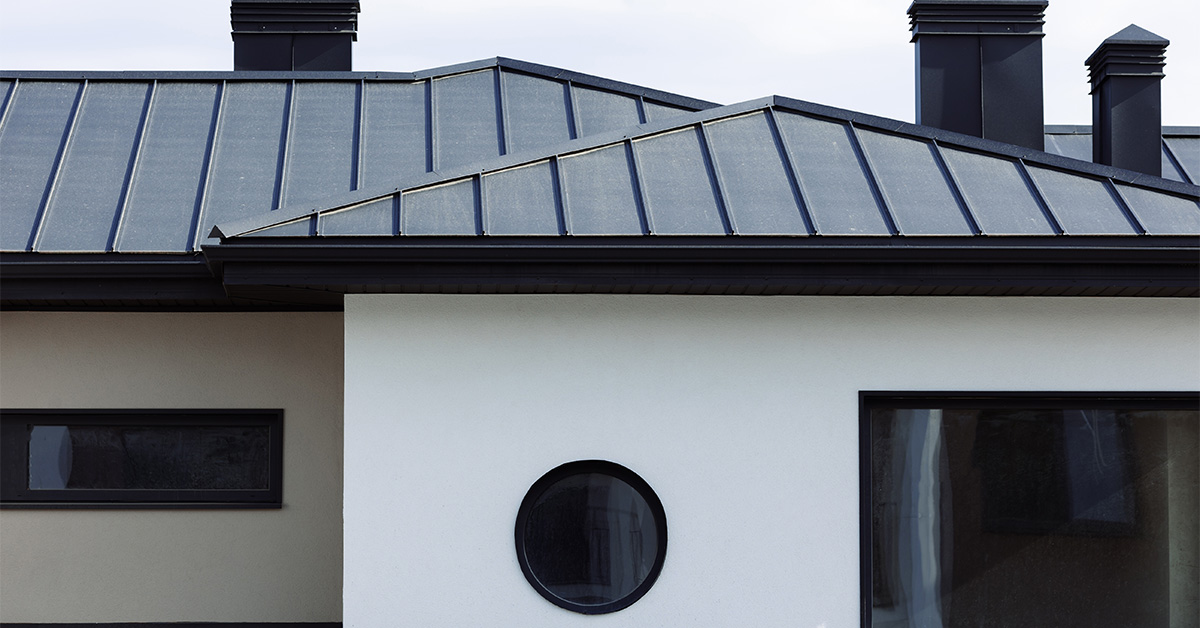
The success seen with commercial projects carries over to residential properties as well. Metal roofs can boost a home’s value by 60% to 90% of their initial cost, with average increases ranging from $7,000 to $8,100. Their reflective surfaces also reduce solar heat gain, lowering cooling costs by around 30%. Plus, metal roofs generally need much less upkeep compared to asphalt shingles. These examples highlight how restoration delivers meaningful, long-term savings for homeowners.
Pro-Tech Roofing‘s Impact in Tulsa, OK
In Tulsa, Pro-Tech Roofing brings these ROI benefits to life. This Oklahoma Licensed Roofing Company (#80003685), with a Commercial Endorsement, specializes in extending the lifespan of metal roofs through professional restoration services. Their method includes applying elastomeric coatings – like silicone, acrylic, or polyurethane – to seal gaps and stop leaks, all without the cost of a full roof replacement.
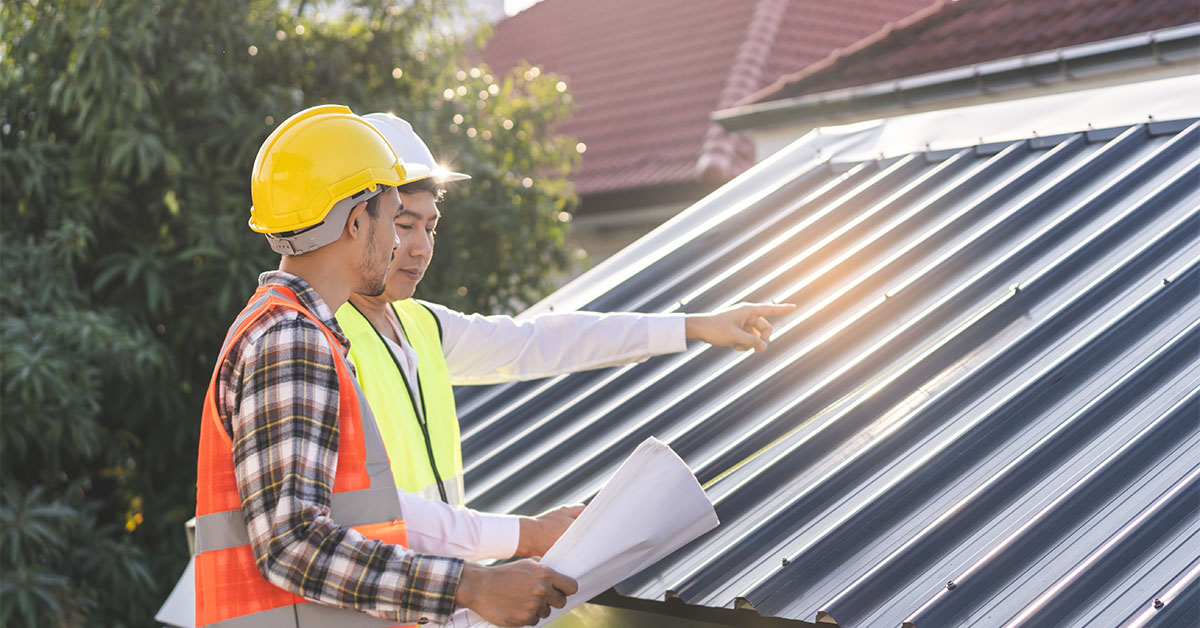
Pro-Tech also offers free inspections to catch problems like hail damage or panel wear before they turn into expensive repairs. Thanks to this proactive approach, their residential and commercial clients in Tulsa have been able to extend their roofs’ service life by up to 20 years.
Conclusion
Restoring a metal roof can recover 60%–90% of its cost, cut monthly cooling bills by as much as 30%, and, over a 60-year lifespan, prove 68% more cost-effective than a traditional flat roof. With initial costs that are 50%–70% lower than replacement, it’s a financially savvy option. Beyond the numbers, the environmental and practical benefits make restoration an even smarter choice.
Restoration avoids demolition expenses, minimizes downtime, and keeps old roofing materials out of landfills. It also strengthens a building’s structure while adding a watertight, UV-resistant layer through advanced elastomeric coatings. These practical perks go hand in hand with the financial savings.
For property owners in Tulsa, local expertise adds another layer of value. Pro-Tech Roofing, an Oklahoma Licensed Roofing Company with Commercial Endorsement (#80003685), specializes in expert restoration techniques. They even offer free inspections to determine if your metal roof is a good candidate for restoration, helping you address minor issues before they grow.
Choosing restoration is a step toward long-term performance and savings. Schedule an inspection to explore how restoration can extend your roof’s lifespan while keeping energy and maintenance costs in check. It’s a smart move for maintaining property value and ensuring reliable performance for years to come.
FAQs
How does restoring a metal roof improve energy efficiency?
Restoring a metal roof can significantly improve energy efficiency by rejuvenating its reflective capabilities. The process involves repairing damaged panels and applying a high-performance coating, like cool-pigment paint or a granular finish. These specialized coatings can reflect up to 90% of ultraviolet and infrared radiation, helping to keep the roof cooler and reducing the workload on air-conditioning systems. This can translate to energy savings of 30%–40%, particularly in hotter regions, while also aiding in heat retention during colder months.
Beyond energy savings, restoration addresses corrosion and renews the roof’s reflective properties, which may have been diminished by aging or oxidation. This not only enhances thermal performance but also extends the roof’s lifespan – offering a cost-effective alternative to a full roof replacement. Pro-Tech Roofing’s metal roof restoration services provide homeowners and businesses in Tulsa with an opportunity to lower utility bills while maintaining a more energy-efficient property.
What are the financial advantages of restoring a metal roof instead of replacing it?
Opting for metal roof restoration instead of a complete replacement can save you a considerable amount of money. By avoiding the costs tied to tearing off the old roof, disposing of materials, and installing new ones, restoration can often be 30–50% cheaper than replacing the roof entirely.
But the benefits don’t stop at cost savings. Restoration helps extend your roof’s lifespan, keeps disruptions to your property minimal, and reduces waste by reusing existing materials. It’s a practical choice that supports both your budget and the lasting value of your building.
Can restoring a metal roof help you save on insurance costs?
If you restore your metal roof, you might qualify for insurance discounts, particularly if the restoration improves its durability and fire resistance to match that of a new metal roof. However, whether you’re eligible for these discounts depends on factors like your insurance provider, the specifics of your policy, and your location.
To improve your chances, make sure the restoration is done by a licensed and insured contractor. Keep all documentation handy to share with your insurer. It’s smart to contact your insurance company directly to understand their exact requirements.