
The May 8, 2026, hailstorm caused extensive damage across Owasso, Collinsville, and Skiatook, leaving many homes with hidden roof damage that might not be visible immediately. Hailstones as large as 2.5 inches fractured shingles, leading to granule loss, which can expose roofs to leaks and structural problems over time. If you live in one of these areas, checking for signs of storm damage like granule buildup in gutters, dents in metal components, or water stains in your attic is crucial. Acting quickly can save you thousands in repairs and help you file insurance claims within the required timeframe. Free inspections from local roofing experts can help document damage and guide you on whether repairs or replacements are necessary. Don’t wait for summer heat and storms to worsen the damage – schedule an inspection now to protect your home and your wallet.
Roof Inspection for Hail and Wind Damage Training Video
The May 8 Hail Storm and What It Did to These Areas
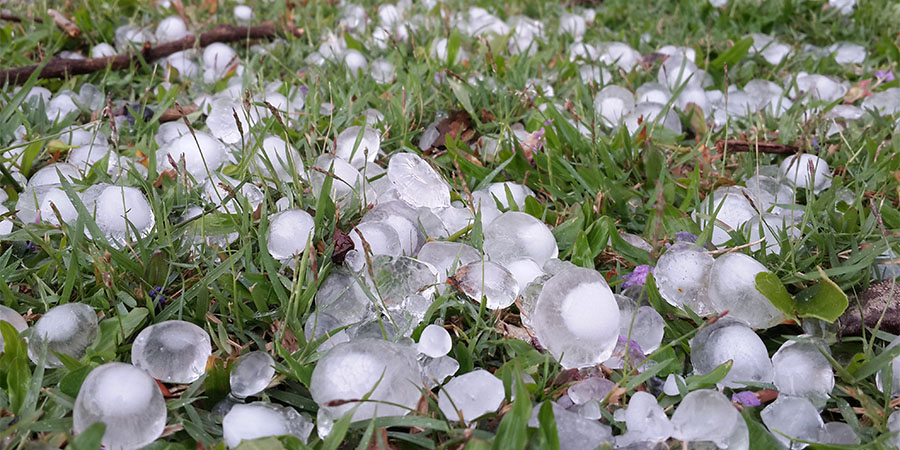
On May 8, a powerful storm swept through northern Tulsa County and Osage County, leaving a trail of destruction in its wake. The storm brought massive hail and strong winds, wreaking havoc on properties and vehicles across the region. Witnesses described hail blanketing the ground, near-zero visibility during the storm, and widespread damage to roofs, siding, and cars. Let’s take a closer look at the difference between the visible damage and the hidden issues that storms like this can cause.
Cosmetic Damage vs. Hidden Functional Damage
After the storm, many homeowners noticed obvious damage – dented gutters, cracked siding, or chipped paint. These are examples of cosmetic damage: surface-level issues that are easy to spot and document. However, the real concern often lies beneath the surface.
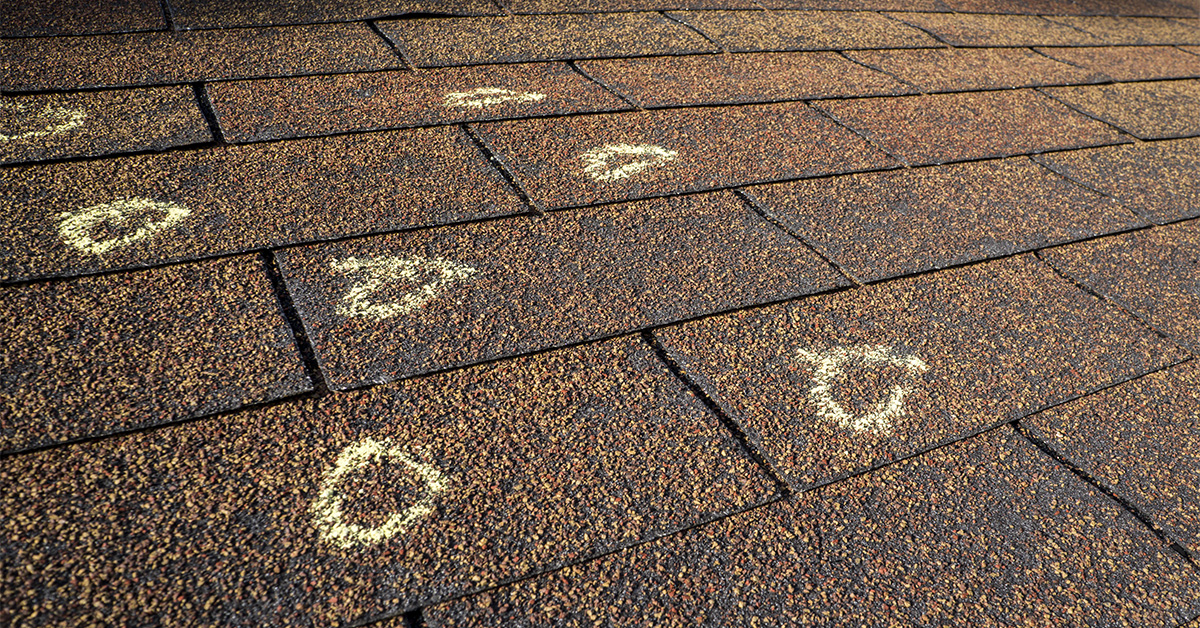
Functional damage happens when hail impacts a roof with enough force to harm the materials underneath, even if it doesn’t leave visible signs of damage. For example, when hail strikes a shingle, it can fracture the asphalt mat beneath the surface. Over time, the protective granules on the shingle loosen and wash away with rain. Without these granules, the asphalt is exposed to sunlight and UV rays, which accelerates wear and tear, eventually leading to leaks.
"The shingle ages faster, becomes brittle, and starts to leak weeks or months after the storm that caused the original damage." – Tier-One Roofing
This type of damage can go unnoticed for weeks or even months, which is why some homeowners might not immediately associate a summer leak with a storm that occurred in May. This issue is especially relevant for areas like Owasso, Collinsville, and Skiatook, which were hit hardest by the storm.

Why Owasso, Collinsville, and Skiatook Took the Hardest Hit
The storm’s most intense cell passed directly over northern Tulsa and Osage Counties, placing Owasso, Collinsville, and Skiatook in its path. The table below highlights the extent of the damage in these areas:
| City | Properties Hit by 1.00"+ Hail | Properties Hit by 2.50"+ Hail |
|---|---|---|
| Owasso | 17,368 | 6,912 |
| Collinsville | 10,536 | 8,386 |
In Collinsville, residents reported hail the size of golf balls pounding down for at least 10 minutes straight. This prolonged assault caused significant functional damage to roofs throughout the area. In Owasso, hail ranged in size from quarters (1.0") to hen eggs (approximately 2.0"). Hail of this size doesn’t just dent metal – it can hit shingles with enough force to fracture the asphalt mat beneath, leading to long-term issues like leaks and structural damage.
Hidden Roof Damage Signs Homeowners Should Watch For This Summer
The May 8 hailstorm may have left behind more than just visible damage. Even if your roof appears intact, hidden issues could develop into leaks or structural problems over time. Homeowners in Owasso, Collinsville, and Skiatook might notice dented gutters and assume the worst is over, but the real trouble often lies beneath the surface, revealing itself weeks or months later.
Key Signs of Functional Roof Damage
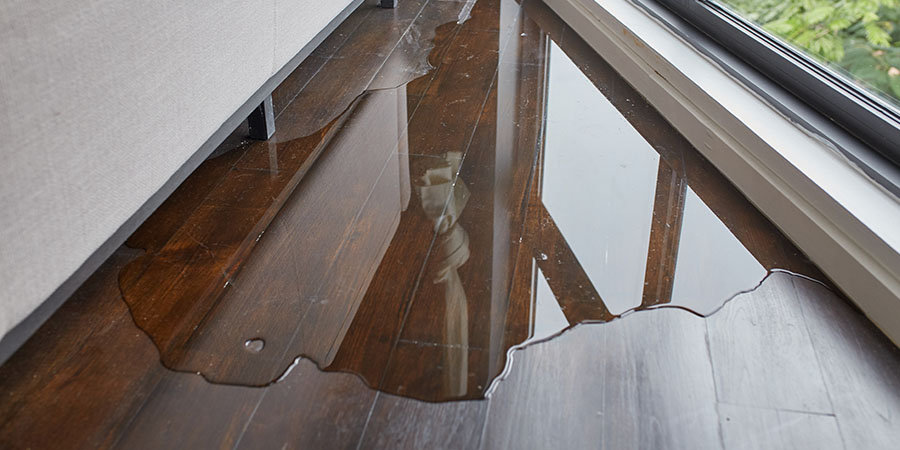
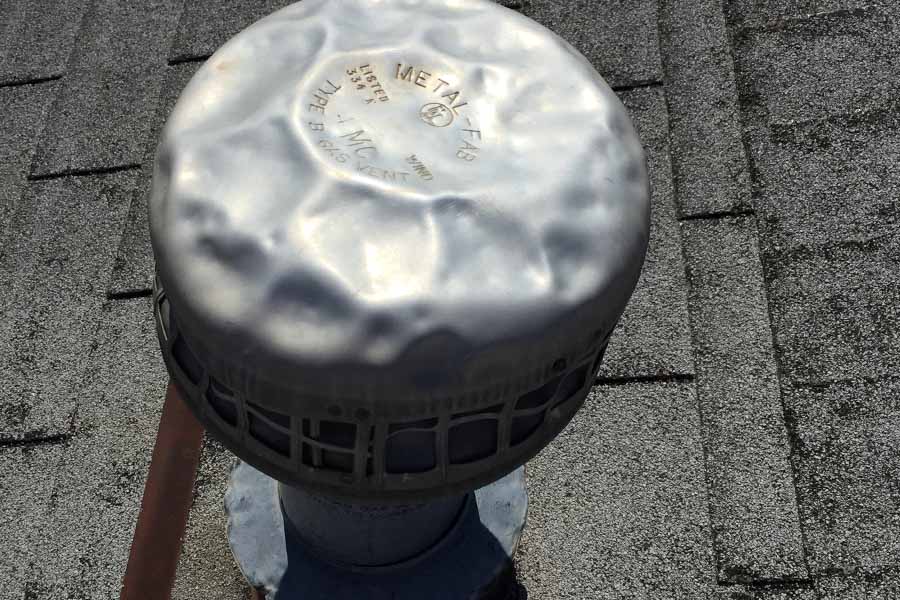
Start by checking your gutters. If you see gritty, sand-like debris at the base of your downspouts, it could mean your shingles are losing granules. This granule loss exposes the asphalt underneath, making it more vulnerable to damage. Next, inspect metal surfaces like chimney flashing, ridge vents, and valley liners for dents, and look inside your attic for water stains – these can be early indicators of roof infiltration.
One of the trickiest issues to spot is bruised shingles. Hail can leave soft, spongy depressions in the shingle mat without visibly breaking the surface. These bruises are best identified during a professional inspection, as they’re nearly impossible to detect from ground level. After a storm like May 8, relying solely on a quick visual check won’t cut it.
Catching these signs early is essential to prevent further damage, especially during the summer months when heat and storms can accelerate problems.
Early Signs vs. Advanced Damage: When to Act
Don’t wait to address granule loss or bruised shingles. Studies show that hail damage can cause shingles to age up to 10 times faster once their underlying mat is compromised.
"Small hail doesn’t destroy your roof in a single afternoon – it quietly sets a 24-month countdown in motion." – 316 Roofing
Acting quickly can save you money. Early repairs typically range from $1,500 to $4,000, while neglecting the damage could lead to full roof replacements costing $8,000 to over $15,000 after water damage sets in. Timely repairs may also keep you within your insurance claim window, so scheduling a free inspection now is a smart move to document any damage while coverage is still available.
Cosmetic vs. Functional Damage: Quick Comparison
Understanding the difference between cosmetic and functional damage is key when dealing with insurance claims. Most standard policies cover functional damage because it impacts your roof’s performance, while cosmetic damage is often excluded.
| Damage Type | What It Looks Like | Effect on Your Roof | Insurance Coverage |
|---|---|---|---|
| Cosmetic | Dents in gutters or vents; minor surface scuffs | Affects appearance only; doesn’t compromise waterproofing | Often excluded from standard policies |
| Functional | Bruised shingle mat; significant granule loss | Weakens water-shedding ability; accelerates aging | Generally covered, as it affects integrity |
| Advanced/Structural | Cracked shingles; missing sections; water stains | Indicates active roof failure and water intrusion | Typically covered if deemed a total loss |
"Most insurance policies cover functional damage – not cosmetic appearance changes." – Oklahoma Roofing Authority
Spotting hidden damage early can save you from expensive repairs down the line. A proactive inspection now could make all the difference.

sbb-itb-66ccccd
How Summer Conditions Make Hail Damage Worse
Summer weather doesn’t just reveal hidden roof damage – it makes it worse. For homes in Owasso, Collinsville, and Skiatook, hail-damaged roofs face an uphill battle against intense heat, UV rays, and heavy rain. These conditions accelerate the breakdown of already weakened shingles, turning small issues into major problems.
How Heat, UV Rays, and Rain Impact Damaged Shingles
Granule loss, one of the early signs of hail damage, becomes a bigger problem during Oklahoma’s scorching summers. When hail knocks off granules, it exposes the asphalt underneath. This asphalt quickly dries out, cracks, and becomes brittle under extreme heat and UV rays. Temperatures on roofs can hit a blistering 160°F during an Oklahoma summer, which speeds up this process.
Rain adds another layer of trouble. Moisture seeps into the tiny cracks and fractures caused by hail, weakening the roof’s ability to keep water out. Over time, these soft spots can turn into active leaks, sometimes within weeks. The cycle of intense heat followed by sudden rain also causes thermal shock, which can enlarge hidden cracks and further compromise the roof.
The Accelerated Aging of Damaged Roofing Materials
A roof damaged by hail in early May can age at an alarming rate during the summer. The Insurance Institute for Business & Home Safety (IBHS) reports that shingles with compromised protective layers can deteriorate up to 10 times faster than normal. A roof designed to last 25 years might start to fail in just 3 to 5 years after hail damage.
Delaying action can lead to even bigger problems: rotting roof decks, mold in attic insulation, and even voided manufacturer warranties. With summer conditions speeding up this hidden damage, getting an inspection quickly is essential. Don’t wait until the next storm – schedule a free roof inspection today to protect your home and your insurance claim.
Why Acting Now Matters for Your Insurance Claim
If your home in Owasso, Collinsville, or Skiatook was hit by the May 8 storm, it’s critical to act quickly to protect your insurance claim. With summer speeding up roof wear and tear, documenting the damage and scheduling an inspection right away can help secure your rights.
What to Document After a Hail Storm
Start by thoroughly documenting the damage with timestamped photos and videos. Focus on areas like your roof, gutters, siding, windows, and fencing to clearly connect the damage to the May 8 storm. Attorney Hamilton Murphy emphasizes the importance of this step:
"The date and time on the photos establish that damage occurred during today’s storm, not from ‘pre-existing conditions’ or ‘wear and tear’ – two phrases insurance companies love to use to deny claims."
For hailstones in your yard, include a coin or ruler in the photo to show their size. Inside your home, use a flashlight to look for water stains or soft spots in places like attic spaces, closets, and ceiling corners. Save all receipts for temporary repairs, such as tarping, and keep a detailed log of any communication with your insurer, noting dates, names, and conversation details.
This documentation not only strengthens your claim but also creates a clear record to meet filing deadlines.
Insurance Claim Deadlines and Why a Fast Inspection Helps
Oklahoma law generally gives homeowners up to 24 months to file claims for hidden roof damage that isn’t immediately visible without professional inspection. Oklahoma Insurance Commissioner Glen Mulready clarifies:
"Any policy that specifies a time limit covering damage to a roof due to wind or hail must allow the filing of claims after the first anniversary but no later than twenty-four months after the date of the loss, if the damage is not evident without inspection."
However, waiting too long can hurt your case. Insurers may argue the damage is due to normal aging rather than the storm. Filing within 15 days helps establish a clear timeline for your claim. A professional inspection report from a licensed contractor is especially valuable, as Oklahoma law now prohibits insurers from denying claims based solely on aerial or satellite imagery.
If your policy is an Actual Cash Value (ACV) policy instead of a Replacement Cost Value (RCV) policy, depreciation could significantly lower your payout. For example, on a $15,000 roof that’s 12 years old, you might face up to $6,000 in out-of-pocket costs. Acting quickly allows you to fully understand your situation before accepting any settlement offer.
Schedule your free roof inspection today and contact Pro-Tech Roofing at 1107 N 105th E Ave, Tulsa, OK to get the documentation you need to support your claim.

Pro-Tech Roofing‘s Free Inspection and Local Services for Storm-Hit Areas
What Happens During a Free Roof Inspection
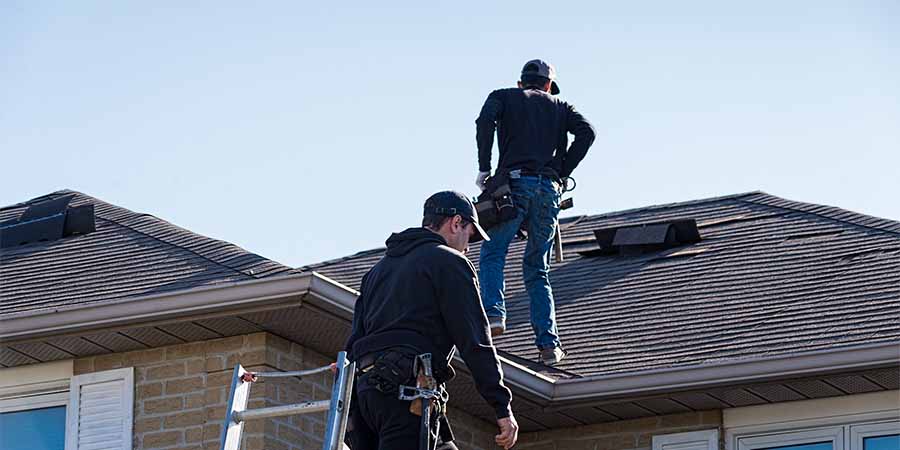
Pro-Tech Roofing understands the urgency of addressing hail storm damage, which is why they offer thorough inspection services tailored to affected areas. Their inspections are designed to uncover damage that might not be visible from the ground. Using a detailed 51-point checklist, their professionals carefully examine shingles for signs of bruising, lifting, and granule loss. They also inspect metal components like vents, flashing, and ridge caps for dents, while evaluating drainage systems for any accelerated wear caused by storm damage.
In addition, inspectors assess other nearby elements such as gutters, window screens, and AC condenser fins to gauge the severity of the storm’s impact. The inspection wraps up with a photographic report that clearly distinguishes storm-related damage from normal wear and tear.
"A professional roof inspection can help uncover and document evidence of storm damage, guided by a 51-point checklist to ensure nothing is missed." – Pro-Tech Roofing
If the inspection reveals damage that qualifies as an insurable event, Pro-Tech Roofing will coordinate with your insurance adjuster on-site to ensure every detail is recorded accurately.

Storm Damage Services for Owasso, Collinsville, and Skiatook
Since 2003, Pro-Tech Roofing has been providing storm damage services to Owasso and Collinsville, with a focus on local expertise and tailored solutions. Here’s a quick look at what’s available in key service areas:
| Service Area | Available Services |
|---|---|
| Owasso | Free inspections, residential and commercial repairs, and access to a showroom on Hwy 169 for material samples. |
| Collinsville | Storm damage documentation, ice shield installation in roof valleys, and a team familiar with local home styles. |
| Skiatook | Hail and wind damage repair, tree damage restoration, and free storm damage assessments. |
For more information, visit the dedicated local pages for Owasso, Collinsville, and Skiatook or explore the storm damage page. These localized services ensure that homeowners can make informed and timely decisions after their free inspection.
How Inspection Results Guide Repair or Replacement Decisions
Getting an inspection done quickly not only protects your roof but also strengthens your insurance claim. The findings from Pro-Tech Roofing’s inspections help guide decisions for repairs or replacements in the most cost-effective way. Their philosophy is simple: recommend the easiest and most affordable solution first. For instance, if the damage is limited – like a few cracked shingles or loose flashing near a chimney – they offer targeted repairs at a fixed, upfront price. A full roof replacement is only suggested when the damage is extensive or when replacing the roof becomes the most practical long-term option.
As Pro-Tech Roofing puts it:
"The earlier you contact a local Owasso roofer, the cheaper your roof repair will be." – Pro-Tech Roofing
With a 4.8/5-star Google rating from 55 reviews and an A+ rating from the BBB, Pro-Tech Roofing is known for their honest assessments and no-pressure recommendations. To schedule your free inspection, visit them at 1107 N 105th E Ave, Tulsa, OK or book online at Get Help.
FAQs
How can I tell if my roof has hidden hail damage?
To identify hidden hail damage, start by examining gutters, downspouts, vent caps, and AC units for any dents or dings. Check gutters and the bases of downspouts for shingle granules, which can signal roof damage. On the roof itself, be on the lookout for soft "bruises", areas with granule loss, or circular cracks in shingles. Inside, check your attic for water stains, mold, or signs of light coming through where it shouldn’t. For less obvious damage, it’s a good idea to have a professional take a closer look.
Will my insurance cover functional hail damage but not dents?
Yes, most insurance policies include coverage for functional damage – problems that impact how your roof performs, such as fractured shingle mats, granule loss, or seal strip issues. On the other hand, cosmetic damage, like small dents, is usually not covered unless your policy has a specific endorsement for it. Since functional damage is often hard to spot from the ground, it’s essential to arrange a professional inspection to uncover and document any issues for your claim.
How long do I have to file a hail claim in Oklahoma?
In Oklahoma, insurance policies generally require you to report visible hail damage within 30 to 180 days. For damage that’s not immediately visible, state law gives you up to 24 months from the storm’s date to file a claim. That said, many policies stipulate that repairs must be completed within six months to qualify for full replacement cost coverage. Be sure to check your policy for the exact deadlines.