
Your roof’s health depends on regular inspections. Residential roofs, typically sloped and covered with shingles or tiles, need annual checks, especially after storms. Commercial roofs, often flat and supporting equipment like HVAC units, require more frequent inspections – twice a year in spring and fall. These inspections help identify damage early, maintain warranties, and extend the roof’s lifespan.
Key Differences Between Residential and Commercial Roof Inspections:
- Frequency: Residential roofs: annually; Commercial roofs: twice a year.
- Focus Areas: Residential: shingles, gutters, and chimneys; Commercial: drainage, seams, and rooftop equipment.
- Risk Levels: Commercial roofs face higher risks due to flat designs, water pooling, and foot traffic.
- Post-Storm Inspections: Both require immediate checks after severe weather.
Regular inspections save money by preventing costly repairs and ensuring the roof’s longevity. Whether it’s your home or business, staying proactive protects your investment.
What Determines How Often Roofs Need Inspection
How often you need to inspect your roof depends on several factors. For commercial properties, inspections are typically done twice a year, while residential roofs are usually checked annually.
Roof Type and Design
The slope of your roof plays a big role in how often it should be inspected. Commercial roofs, which are often flat or low-slope, are more prone to issues like ponding water. If water sits on the roof for more than 48 hours, it’s a red flag that requires professional attention.
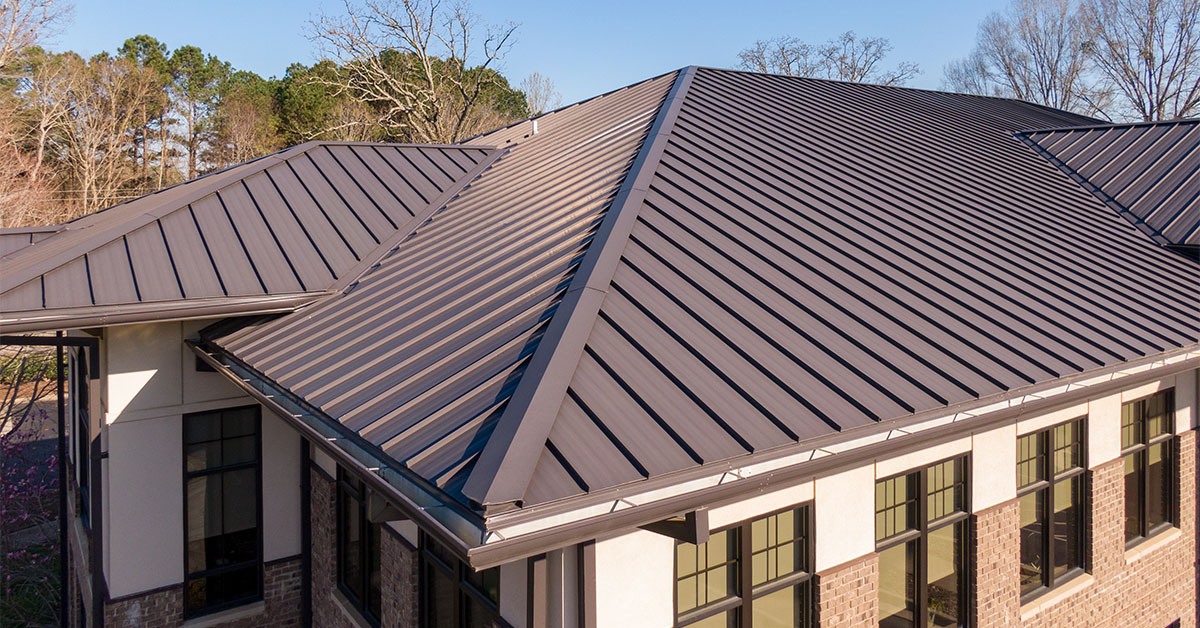
The material of the roof also influences inspection needs. Asphalt shingles, commonly used on homes, can last anywhere from 15 to 40 years but are particularly vulnerable to hail and wind damage. On the other hand, commercial roofing materials like TPO, PVC, and EPDM membranes generally last 20 to 35 years but need regular checks on seams and flashing to prevent leaks. Metal roofing, which is used on both residential and commercial buildings, offers greater durability with a lifespan of 30 to 45 years.

Commercial roofs often face extra wear and tear from rooftop equipment like HVAC units, solar panels, and signage. Service personnel moving around these areas can accidentally cause damage, such as tearing membranes or loosening fasteners.
Environmental factors also play a major role in determining inspection frequency.
Weather and Climate Impact
The weather in Tulsa can be tough on roofs. Extreme temperature changes and strong winds can create stress points, leading to problems like seam separations or flashing failures. Winds up to 60 mph can lift residential shingles or peel back commercial roof membranes if they aren’t secured properly.
Hailstorms bring their own challenges. For residential roofs, hail damage often isn’t visible from the ground, while commercial roofs may show clear punctures .
"Tulsa roof hail damage can be hard to identify because shingles look normal from ground level." – Pro-Tech Roofing
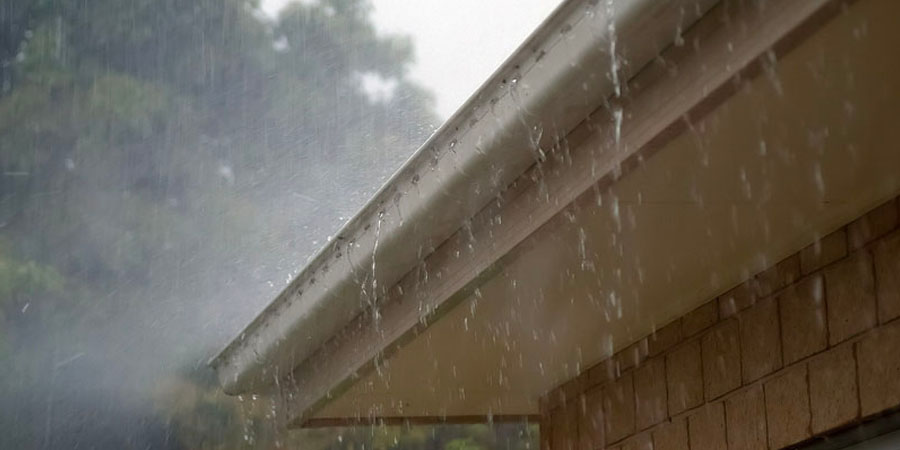
Heavy rain can also cause issues. Residential roofs with steep slopes shed water quickly, but flat commercial roofs are at risk if drainage systems are blocked by debris. Water pooling on these roofs can lead to serious damage. After any major weather event – whether it’s hail, wind, or ice – an immediate inspection is essential to catch potential damage early .
The way a building is used and its specific risks also affect how often inspections are needed.
Building Use and Risk Factors
The purpose and occupancy of a building play a big part in determining inspection frequency. Commercial buildings, which often house valuable equipment, inventory, or employees, require inspections twice a year. In contrast, residential roofs can typically get by with annual checks. A small leak in a home is likely to be noticed quickly, but the same issue in a large warehouse could go undetected for a long time, leading to extensive structural damage.
Roof warranties are another factor. Many manufacturers require regular, documented inspections to keep warranties valid. Older roofs also need more frequent checks because materials naturally degrade over time, making them more susceptible to problems. If a roof has been previously damaged or repaired, it’s important to monitor it closely to ensure those fixes hold up.
"By scheduling roof maintenance on an annual or biannual basis, you can address small problems before they turn into big issues." – Pro-Tech Roofing
Residential Roof Inspection Schedules
Keeping up with regular roof inspections is a smart way to prevent small issues from turning into costly repairs. Residential roofs face unique challenges due to weather and the specific materials used, which makes having a tailored inspection schedule essential.
Standard Inspection Timing
In Tulsa, it’s recommended to schedule roof inspections twice a year – once in the spring and again in the fall . Spring inspections are perfect for spotting damage caused by winter ice or early spring storms, while fall inspections help ensure your roof and drainage systems are ready for the colder months ahead.
"By scheduling roof maintenance on an annual or biannual basis, you can address small problems before they turn into big issues." – Pro-Tech Roofing
In addition to these biannual checks, consider routine maintenance every 2–3 years to catch and fix minor issues before they worsen. The frequency of inspections can also depend on the type of roofing material you have.
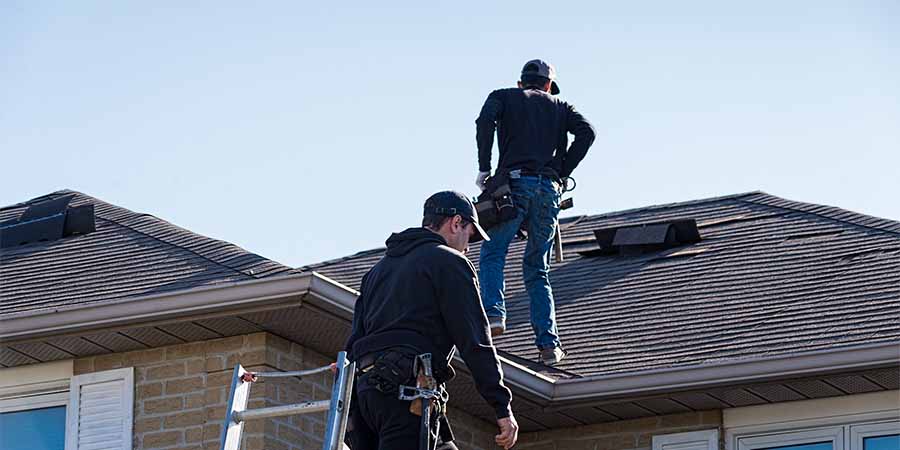
Inspection Schedules by Roofing Material
Different roofing materials have varying inspection needs:
- Asphalt shingles (lifespan 15–40 years): Annual inspections are essential to spot damage from hail or strong winds.
- Metal roofs (lifespan 30–45 years): These are more durable and may require fewer repair-focused checks.
- Tile and slate roofs: Inspections should focus on identifying damaged or missing pieces that could lead to leaks.
When to Add Extra Inspections
Certain situations call for immediate roof inspections, even outside the regular schedule. For instance, after severe weather events like hail storms, high winds, or ice storms, it’s wise to check for potential damage .
Other red flags include water stains on ceilings, leaks around light fixtures, or hearing dripping near the chimney – these are signs you shouldn’t ignore. Additionally, if you notice nearby homes undergoing roof replacements after a storm, it’s a good idea to have your roof inspected, too.
Pro-Tech Roofing even offers free roof inspections for Tulsa homeowners, making it easier to identify damage from storms or aging.
Commercial Roof Inspection Schedules
Commercial roofs face unique challenges compared to residential ones, requiring a more structured approach to inspections. Unlike sloped residential roofs, flat or low-slope commercial roofs don’t naturally drain water, often holding it for over 48 hours. Add to this the strain from heavy rooftop equipment, frequent foot traffic from maintenance crews, and multiple penetration points, and it’s clear why these roofs demand extra care.
Standard Commercial Inspection Frequency
To keep commercial roofs in good shape, they should be inspected at least twice a year – ideally in spring and fall. Spring inspections are crucial for spotting any damage caused by harsh winter conditions, while fall inspections help prepare the roof for the challenges of winter. Additionally, inspections should be conducted immediately after major storms, heavy snowfall, or any rooftop service work.
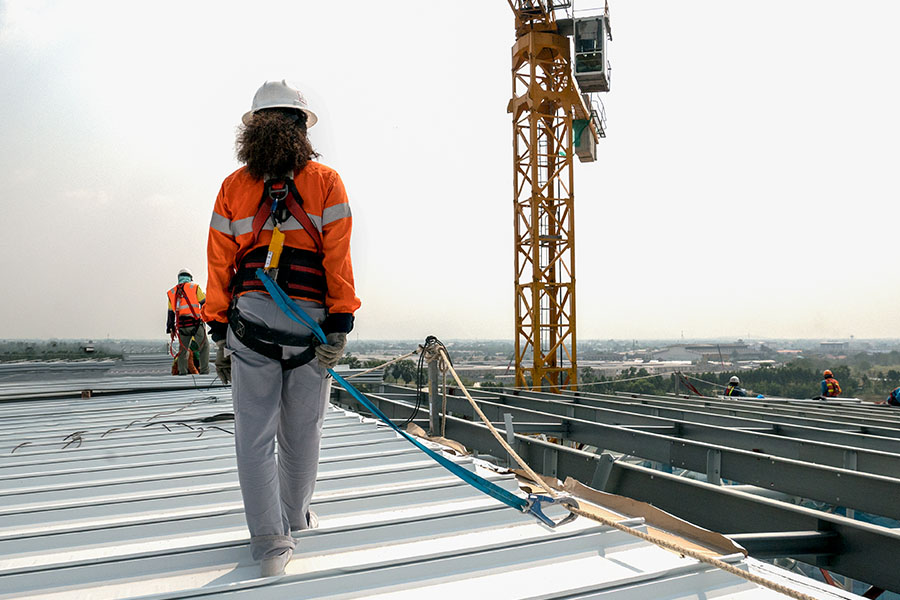
"A regular roof inspection program can help your business extend roof life expectancy and reduce the need for emergency repairs." – Travelers
Many manufacturers and insurance providers require documented maintenance to keep warranties valid and ensure claims are honored after severe weather. This makes it essential to maintain detailed records of every inspection, including photographs and contractor reports, to protect your investment.
Between these scheduled inspections, regular visual checks are essential to catch potential problems early.
Ongoing Monitoring Between Formal Inspections
In addition to biannual inspections, building managers should perform monthly or quarterly visual checks to identify obvious problems. Look for debris buildup, water that hasn’t drained properly, or visible damage to the roof membrane. Start inside the building, checking for signs like water stains, bubbling paint, or mold on ceilings and walls – these are often the first indications of roof trouble.

Pay special attention to areas around rooftop equipment, such as HVAC units and solar panels, as these penetration points are common sources of leaks. To prevent water backup and structural stress, regularly clear gutters, scuppers, and internal drains of debris.
Inspection Needs for Different Commercial Roof Systems
Different types of commercial roofs have specific areas that require attention during inspections. Here’s a breakdown:
| Commercial Roof System | Key Inspection Focus Areas |
|---|---|
| Single-Ply (TPO, EPDM, PVC) | Check for open or worn seams, membrane shrinkage, punctures, and loose fasteners. |
| Built-Up (BUR) / Modified Bitumen | Look for bubbles, blisters, cracks, and loss of protective gravel or granules. |
| Metal Panels | Inspect for loose or missing screws, rust, deteriorated rubber washers, and tight seams. |
| Sprayed Polyurethane Foam (SPF) | Watch for punctures, cracks, and thinning of the UV protective coating. |
| Ballasted Systems | Ensure even distribution of ballast stones and check for displacement after high winds. |
Metal edge flashing deserves special attention, as it’s a leading cause of roof cover failure during high winds on commercial buildings. For properties with solar panels, it’s recommended to have a licensed photovoltaic contractor perform regular maintenance to ensure the panels remain securely anchored.
sbb-itb-66ccccd
Residential vs. Commercial Inspection Schedules
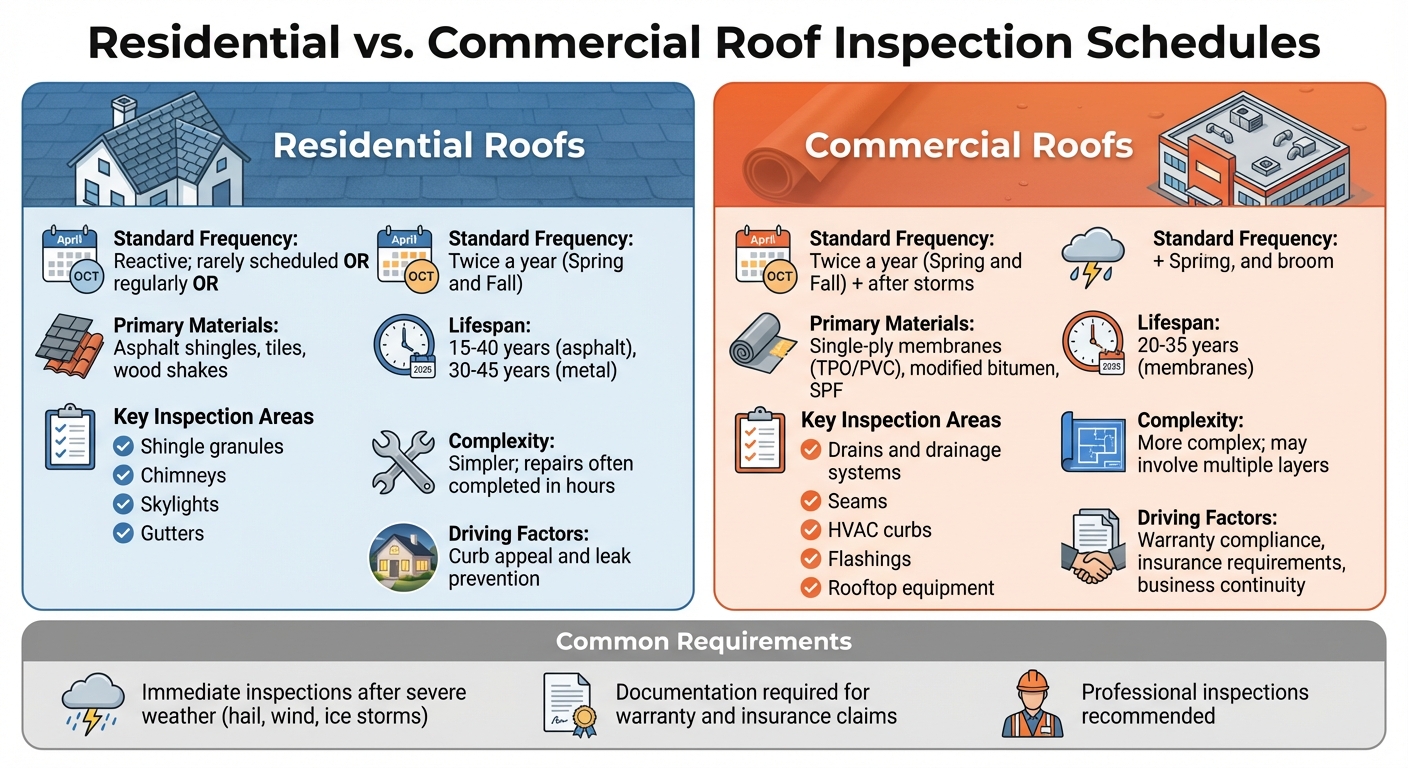
Residential vs Commercial Roof Inspection Schedule Comparison Chart
Side-by-Side Comparison of Inspection Requirements
Inspection schedules for residential and commercial roofs differ because of their unique designs and uses. Commercial roofs require a more proactive approach since even a small issue, like a leak, can disrupt daily operations. These roofs are typically inspected twice a year, usually in the spring and fall. On the other hand, residential inspections tend to be reactive, often triggered by visible damage or leaks.
| Feature | Residential Roof Inspections | Commercial Roof Inspections |
|---|---|---|
| Standard Frequency | Reactive; rarely scheduled regularly | Twice a year (Spring and Fall) |
| Primary Material Focus | Asphalt shingles, tiles, or wood shakes | Single-ply membranes (TPO/PVC), modified bitumen, or SPF |
| Key Inspection Areas | Shingle granules, chimneys, skylights | Drains, seams, HVAC curbs, flashings |
| Complexity | Simpler; repairs often completed in hours | More complex; may involve multiple layers |
| Driving Factors | Curb appeal and leak prevention | Warranty compliance, insurance requirements, business continuity |
This table highlights the need for tailored inspection plans to ensure your roof’s durability and performance.
How Regular Inspections Protect Your Investment
Regular inspections are more than just routine maintenance – they’re a smart way to protect your property and your wallet. Whether it’s a residential or commercial roof, staying on top of inspections can save you from costly repairs down the line.
"Demonstrated and documented regular roof care and maintenance not only extends the life of your roof but also helps ensure claims are honored after severe weather".
For commercial properties, many warranties and insurance policies require proof of regular inspections to remain valid. This documentation can make all the difference if you need to file a claim after a storm or other damage.
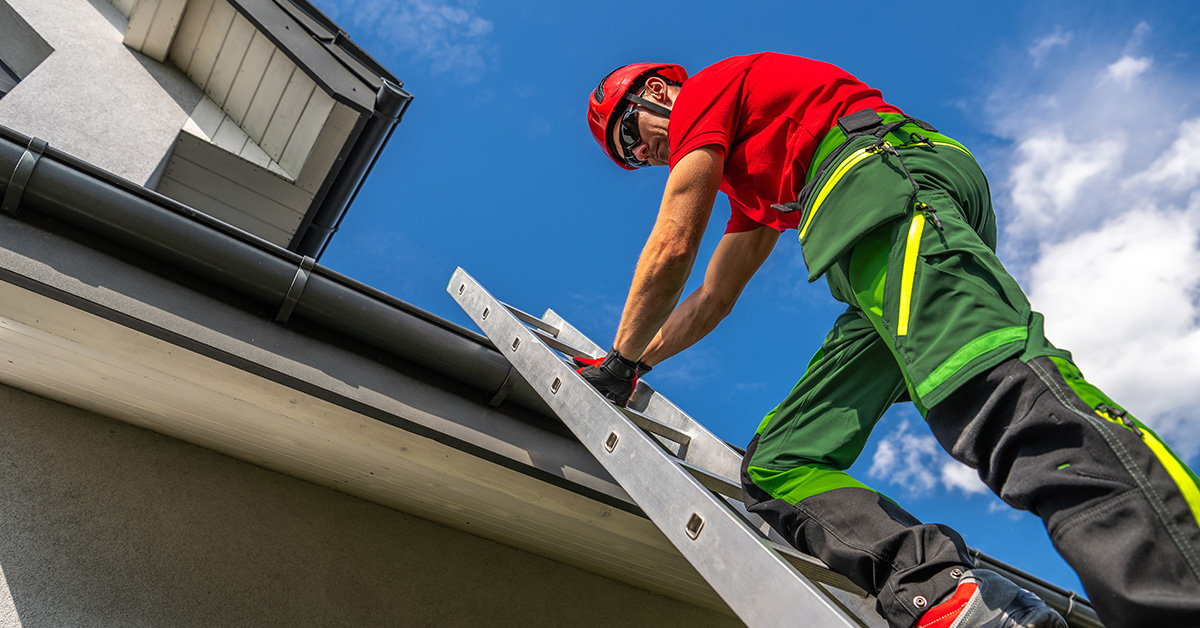
Proactive inspections also help catch minor problems before they become major headaches. For businesses, this means avoiding interruptions that could cost thousands in lost revenue. For homeowners, it prevents issues like water damage, mold, or structural problems that can lower property value. Spending a few hundred dollars on scheduled inspections is a small price to pay compared to the expense of major repairs or a full roof replacement.
How to Set Up an Inspection Schedule for Your Property
Assessing Your Inspection Requirements
Start by considering your roof’s age. For instance, asphalt shingles nearing the 20–30 year mark typically need more frequent check-ups. If your roof is past the halfway point of its expected lifespan, it’s wise to increase inspection frequency to catch potential issues before they escalate.
Weather conditions in Tulsa can also take a toll on your roof. High winds reaching 60 mph, intense heat, hail, and ice storms can all cause damage. After a major storm – especially one involving hail or strong winds – schedule an inspection to document any damage for insurance purposes.
Your roofing material plays a role, too. Metal roofs, which last 30–45 years, generally require fewer inspections compared to asphalt shingles, which last 15–40 years. For commercial flat roofs with TPO or PVC membranes, inspections every 1–2 years are recommended.
If your roof is under warranty, regular documented inspections are often required to maintain coverage. Additionally, roofs with a history of leaks or repairs need more attention, as do commercial properties with rooftop HVAC units, which can cause wear during routine maintenance.
Once you’ve identified your roof’s specific needs, you can create a customized inspection plan to ensure it stays in top condition.
Working with Pro-Tech Roofing for Inspection Planning
After assessing your roof’s requirements, teaming up with professionals can make planning inspections much easier. Pro-Tech Roofing offers free roof inspections in Tulsa. Their licensed experts (Oklahoma Construction Industries Board License #80000220; Commercial Endorsement #80003685) thoroughly evaluate your entire roof system. This includes not only the exterior materials but also the decking, insulation, ventilation, and flashings.

During the first assessment, Pro-Tech Roofing will develop a maintenance schedule tailored to your property. They provide detailed photo documentation and written reports, which are invaluable for establishing a baseline condition of your roof. This can be critical for insurance claims after storm damage.
Between professional inspections, keep your roof in good shape by clearing drains and gutters, especially on flat roofs, to prevent water buildup. Watch for warning signs like water stains on ceilings, spots near chimneys, or leaks around light fixtures. If you notice your neighbors getting new roofs after a storm, it might be a good time to call Pro-Tech Roofing for an inspection.
Be sure to save all inspection reports and repair receipts – they’re helpful for maintaining warranty coverage and simplifying insurance claims. Pro-Tech Roofing serves communities across Northeast Oklahoma, including Tulsa, Broken Arrow, Owasso, Bixby, and Jenks, making it easy to establish a long-term partnership for your roof’s health.
Conclusion
The main differences between residential and commercial roof inspections lie in their complexity and risk factors. Commercial roofs often demand professional evaluations every 1–2 years, with many experts suggesting inspections twice a year – once in the spring and again in the fall. These inspections focus on issues like flat roof drainage, membrane seams, and wear on HVAC equipment. On the other hand, residential roofs typically require inspections every 2–3 years, though annual check-ups are a smart way to catch potential problems early. Both property types should undergo immediate inspections following severe weather events, such as hailstorms, high winds, or ice, to address any damage promptly. Sticking to this schedule helps prevent expensive repairs while preserving your property’s long-term value.
Routine, well-documented inspections are a key part of protecting your investment. They help spot minor issues before they turn into major, costly emergencies and can extend the lifespan of your roof by several years. As Pro-Tech Roofing highlights:
"By neglecting to maintain your roof, you may be voiding the warranty and leaving yourself without coverage if something goes wrong".
Additionally, having detailed inspection records can be invaluable when filing insurance claims.
For property owners in the Tulsa area, Pro-Tech Roofing makes regular roof inspections hassle-free. They offer complimentary assessments complete with detailed photo documentation. Their licensed professionals (Oklahoma Construction Industries Board License #80000220; Commercial Endorsement #80003685) provide tailored maintenance schedules to suit the specific needs of both residential and commercial properties.
FAQs
Why do commercial roofs need more frequent inspections than residential roofs?
Commercial roofs demand more frequent inspections due to their size, complexity, and the unique challenges they face. These roofs endure heavier foot traffic, harsher weather conditions – like intense heat, heavy rain, and ice – and safeguard critical assets such as equipment, inventory, and daily operations.
To avoid expensive repairs and keep the roof in good condition for longer, inspections should happen at least twice a year: once in the spring and again in the fall. Regular check-ups like these help catch potential problems early, stopping minor issues from turning into major damage.
What are the common risks associated with flat commercial roofs?
Flat commercial roofs come with their own set of challenges, and neglecting them can lead to costly problems. One common issue is leaks, often caused by pulled seams, small holes, tears, or punctures in the roofing material. Another frequent culprit is clogged gutters and poor drainage, which can lead to ponding water – a situation where water pools on the roof and gradually weakens its structure.
These problems can snowball into more serious concerns. For instance, prolonged exposure to moisture can result in damaged insulation, mold growth, and the deterioration of the roof membrane. In extreme cases, unchecked water damage can even compromise the building’s structural integrity. That’s why regular inspections and proper maintenance are so important – they help identify potential issues early and protect your roof (and your budget) in the long run.
Why are regular roof inspections important for maintaining your warranty?
Regular roof inspections aren’t just a good idea – they’re often necessary to keep your roofing warranty intact. Many manufacturers and contractors require these inspections to confirm that your roof is being properly maintained and to address any potential issues before they escalate. Skipping these check-ups could result in losing your warranty, leaving you to cover expensive repairs or even a full replacement.
Scheduling regular inspections allows you to spot small problems early, avoid major damage, and stay within the warranty guidelines. This simple step safeguards your investment and helps your roof last longer.